Alif — The Mobility Pavilion
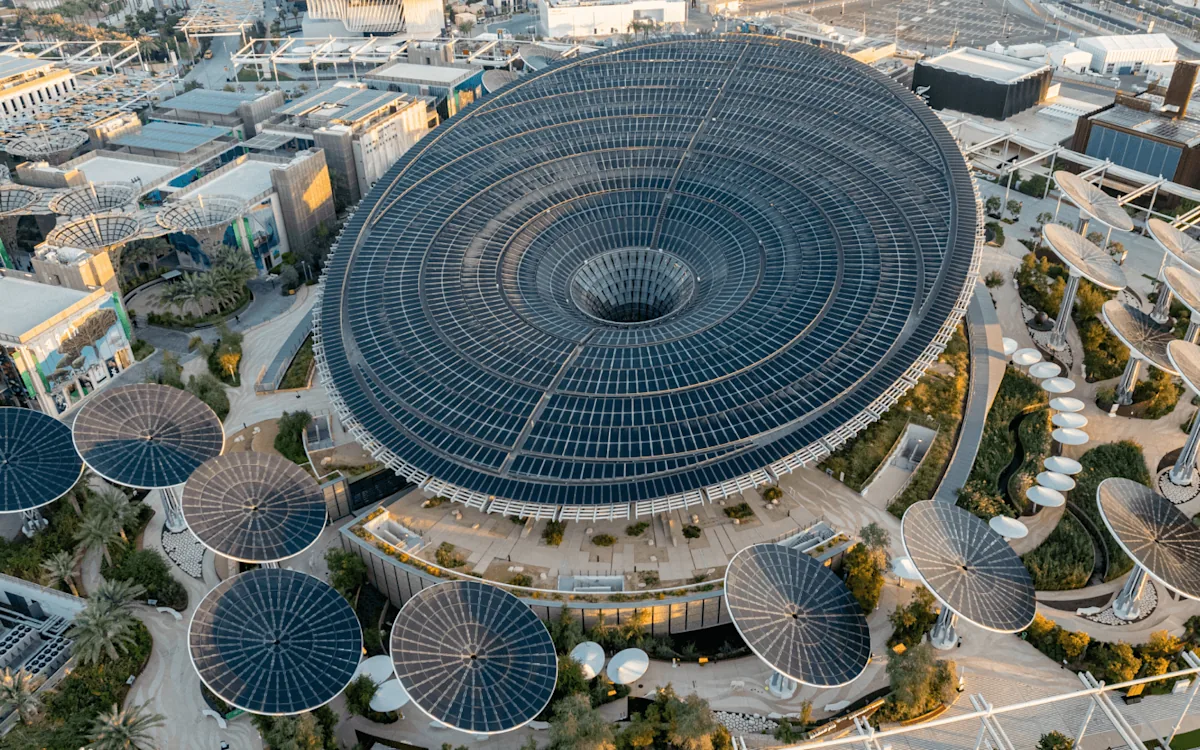
Alif at Expo City talks about the development of mobility and human discovery. Interactive spaces connect the past of travel with the future of technology.
Indoor spaces for walking, culture and entertainment. The facility may also have open areas: check the format of the visit you need and opening hours on the official page.
Alif at Expo City talks about the development of mobility and human discovery. Interactive spaces connect the past of travel with the future of technology.
The pavilion explores the relationship between man and nature through interactive stories. The spaces beneath the forest and ocean show ecosystems and the impact of everyday decisions.
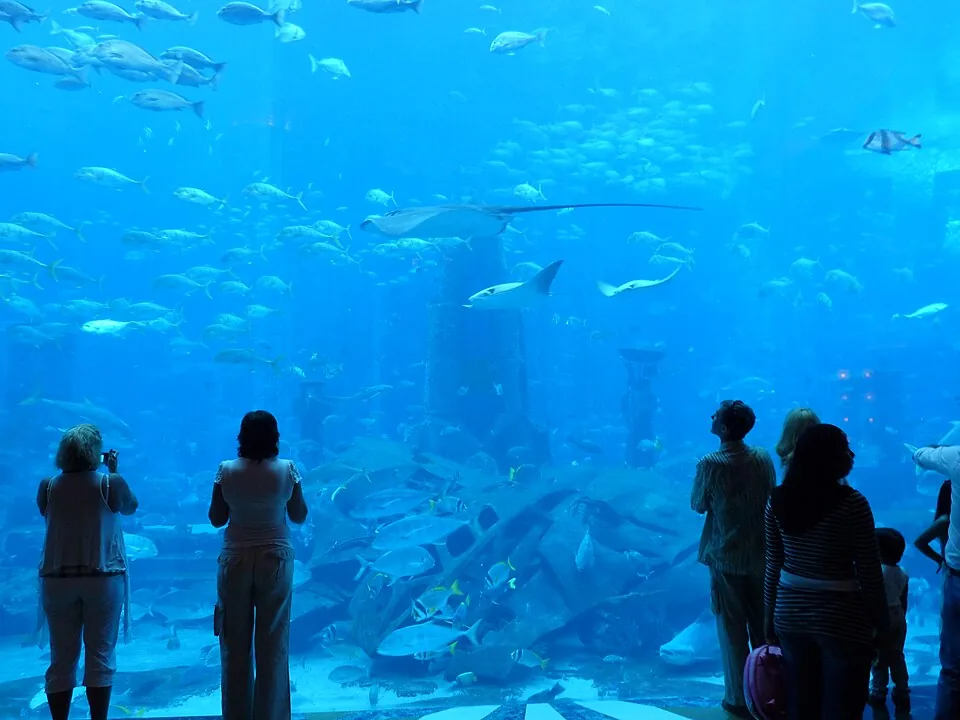
Archive photo of The Lost Chambers Aquarium, 2011, before renovation and renaming.
The aquarium at Atlantis is designed to resemble the underwater world of the legendary Atlantis. In marine exhibits you can see sharks, rays and many other inhabitants.
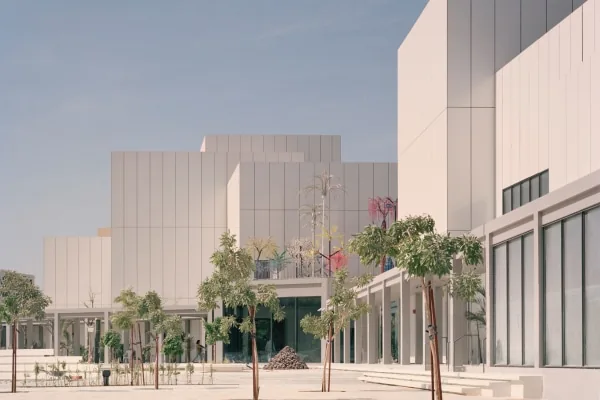
The Center for Contemporary Art combines exhibition galleries, a library and a waterfront sculpture garden. The operator expressly confirms free access for all visitors.
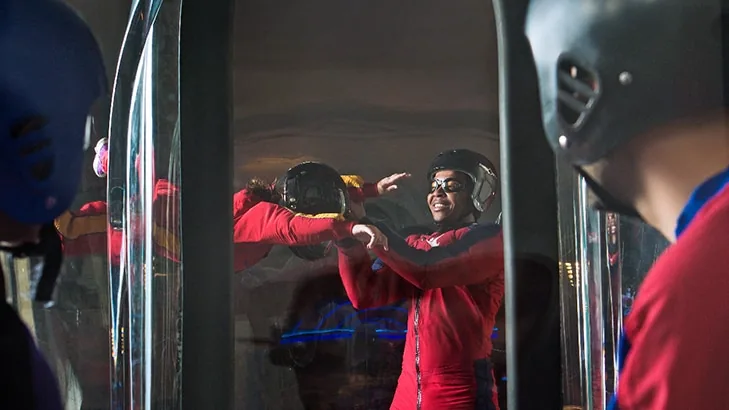
The wind tunnel at City Center Mirdif allows you to experience flying in a vertical air flow. Before the session, the instructor prepares and accompanies the participant.
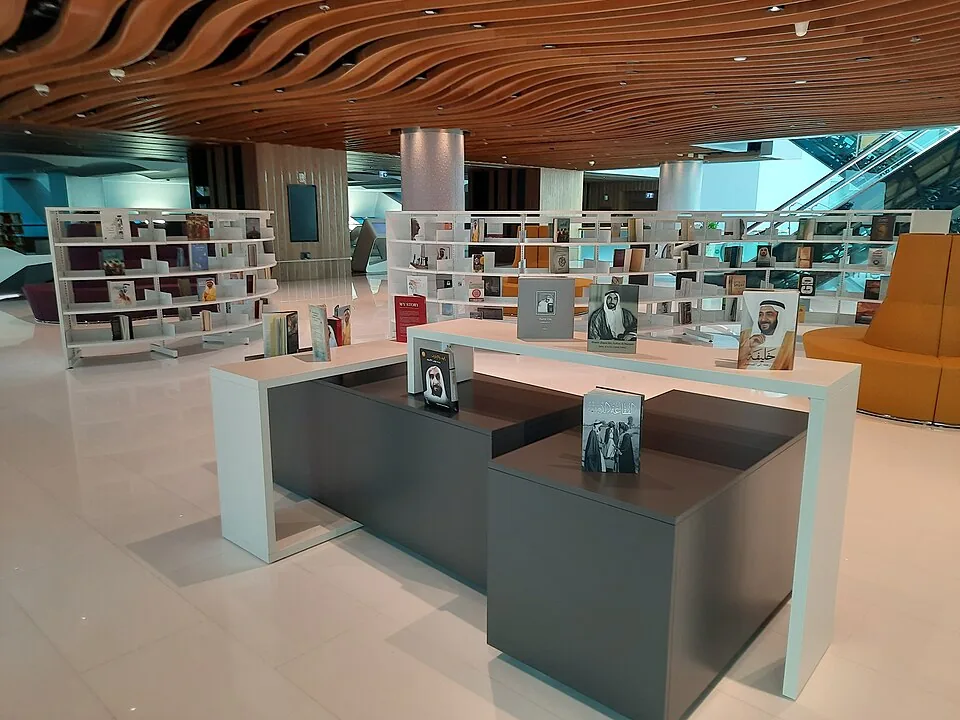
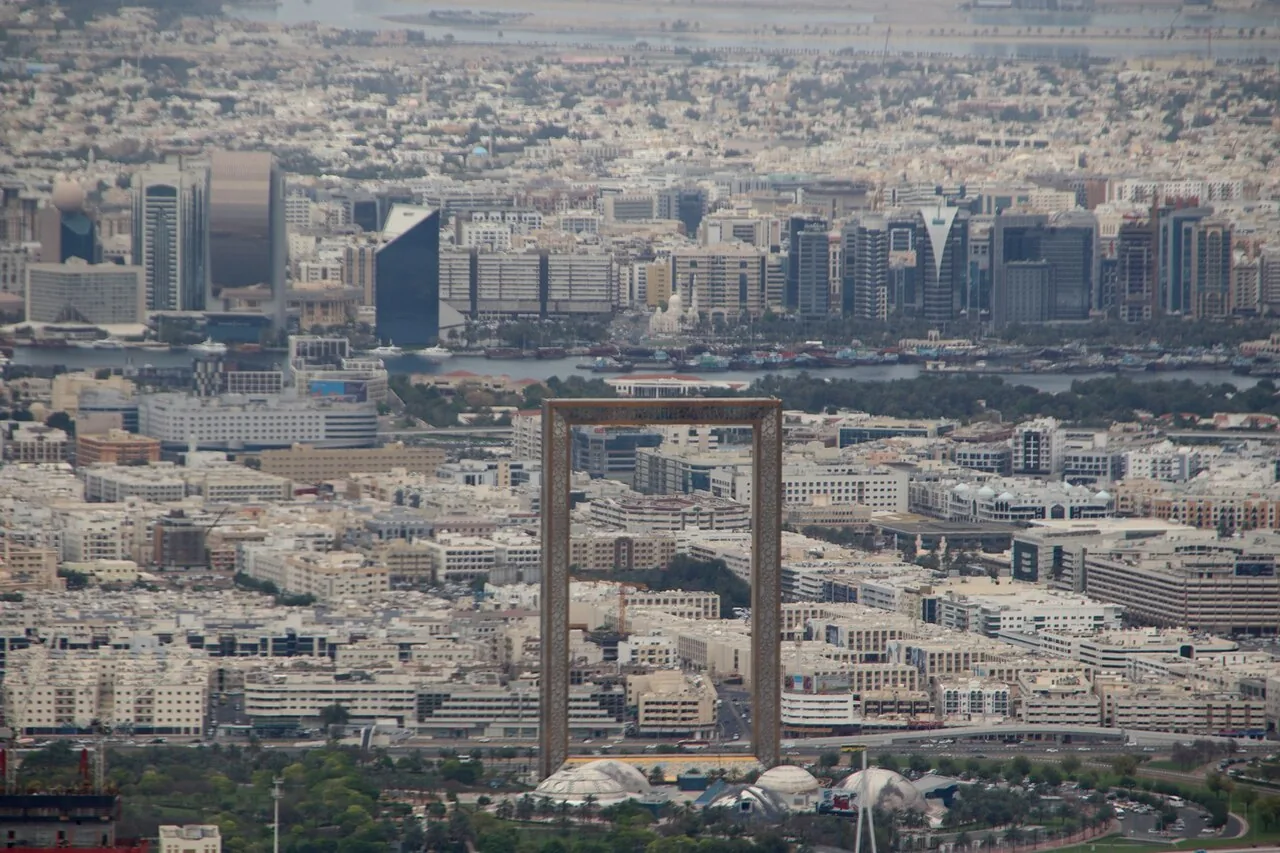
The library building resembles a traditional book stand and stands next to Dubai Creek. In addition to reading spaces, people can get acquainted with collections and cultural programs here.
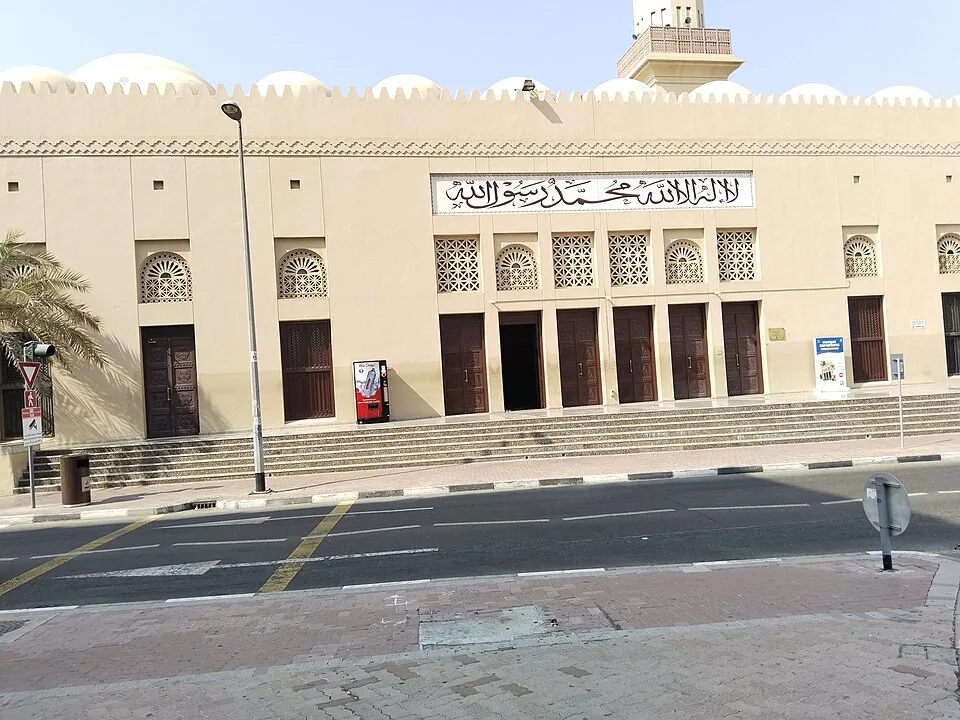
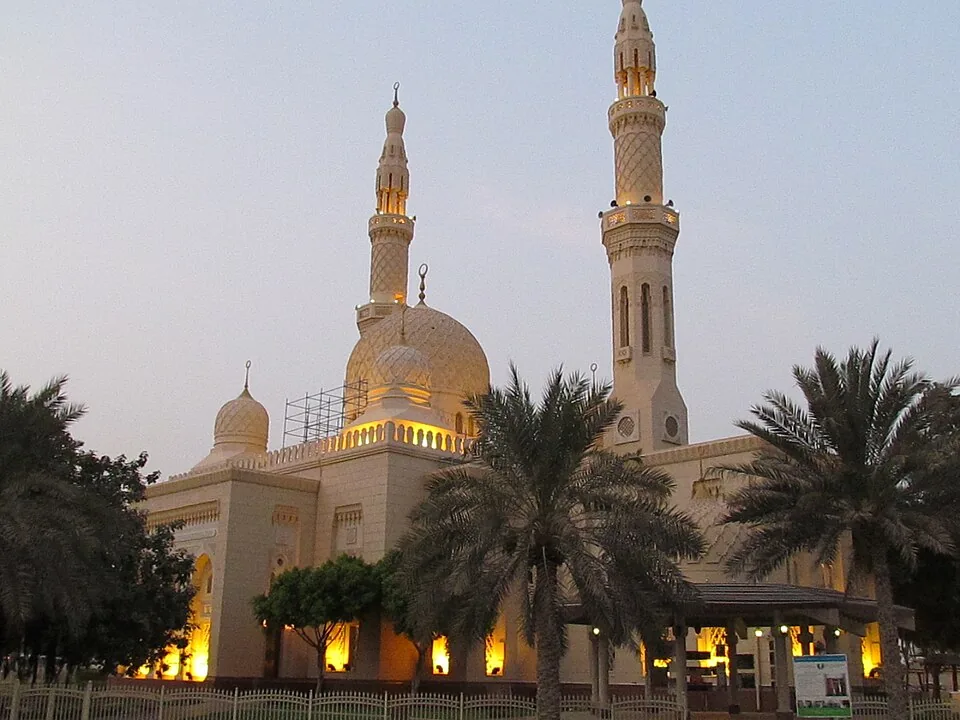
A cultural tour introduces guests to the structure of the mosque and Islamic traditions. The official guide lists free morning tours from Sunday to Thursday.
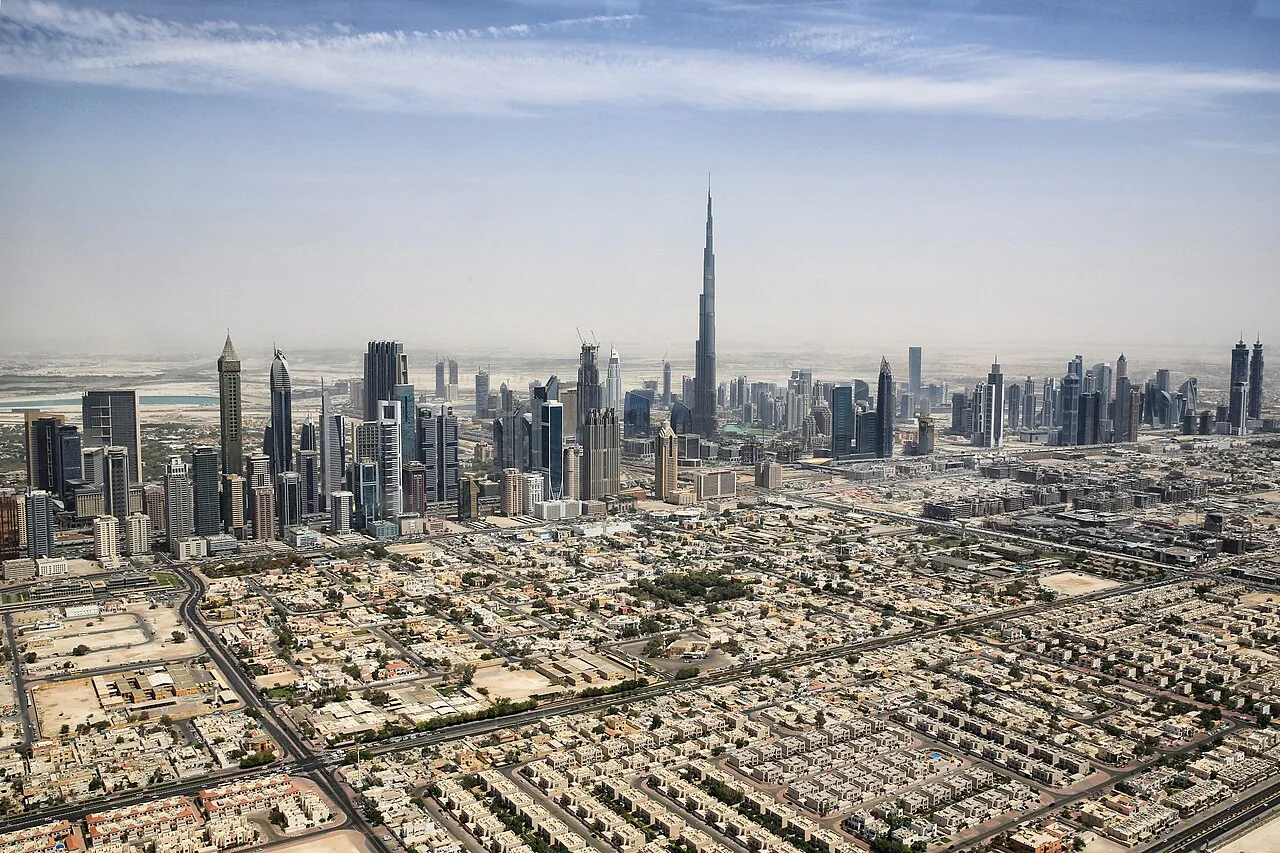
The tower's observation decks overlook downtown Dubai and the coastline. Basic access to levels 124–125 and premium options differ in the composition of access.
Archive photo (19 February 2011).
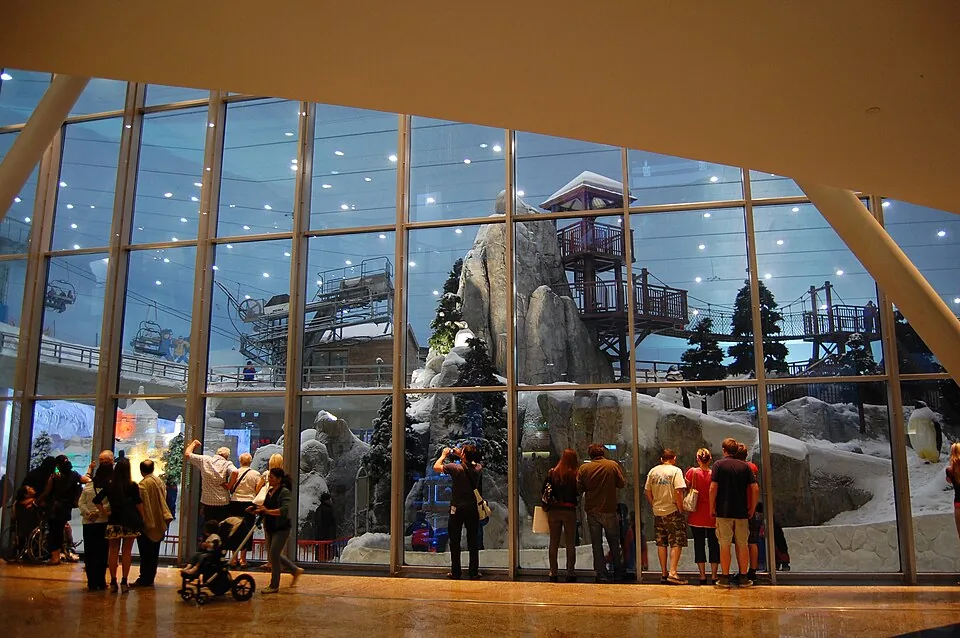
The snow complex at Mall of the Emirates offers indoor winter activities. Packages vary in access to the snow park, slopes and penguin encounters.
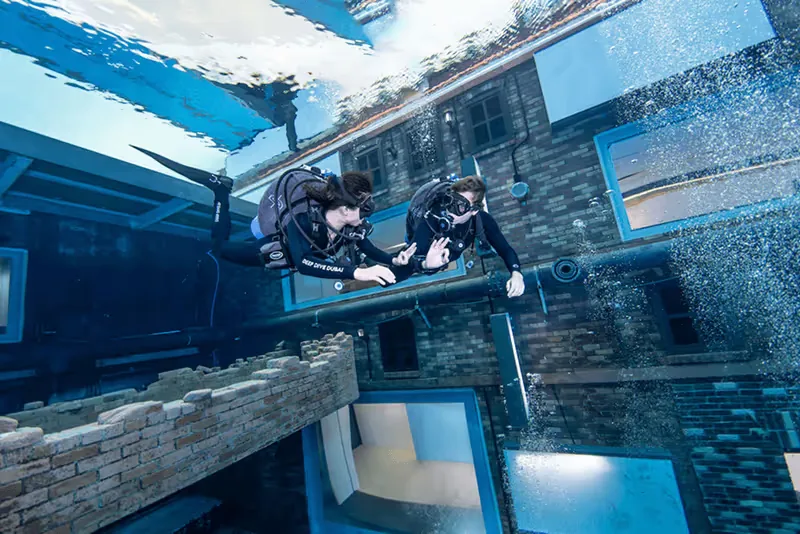
The dive complex is built around a pool with an underwater sunken city. The operator offers diving, freediving and snorkeling with different training requirements.
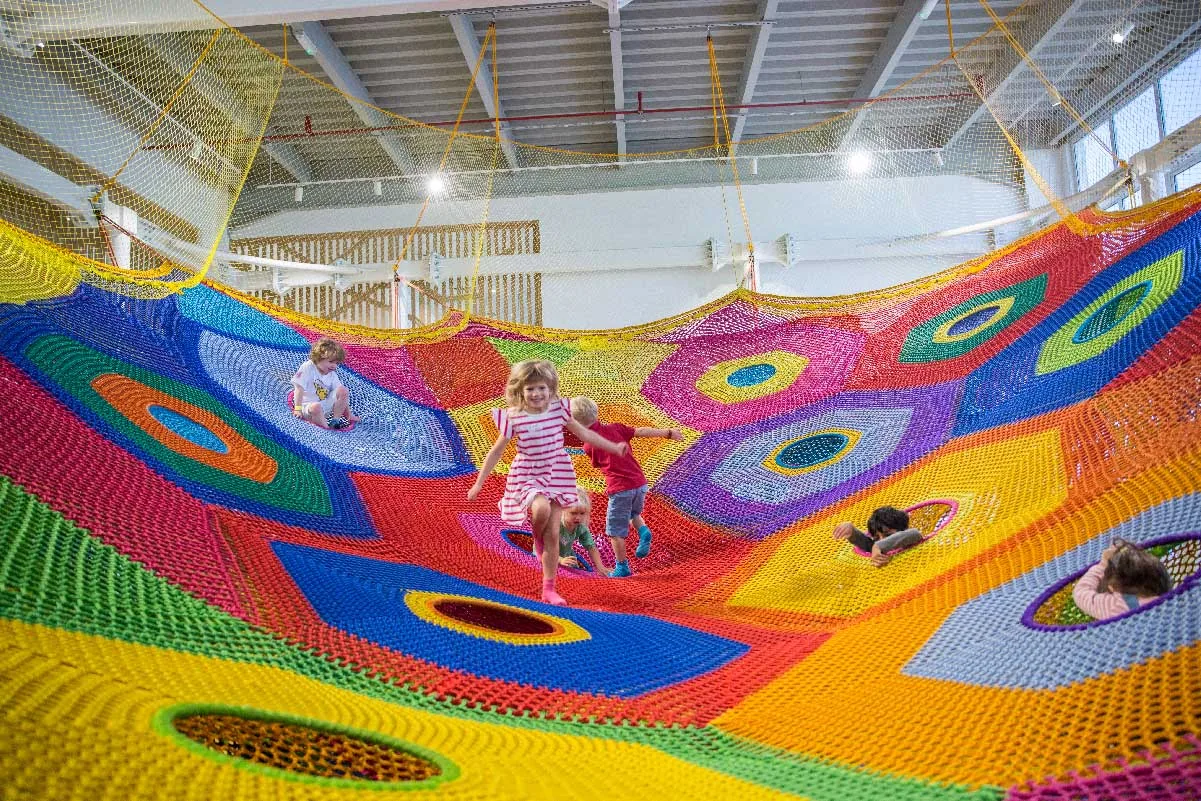
Children's City at Dubai Mall offers role-playing activities related to different professions. Children try out the work of city services and learn how institutions interact.
OliOli invites children to explore space through play and experimentation. Interactive galleries and temporary exhibitions are designed for independent discovery and time together with parents.
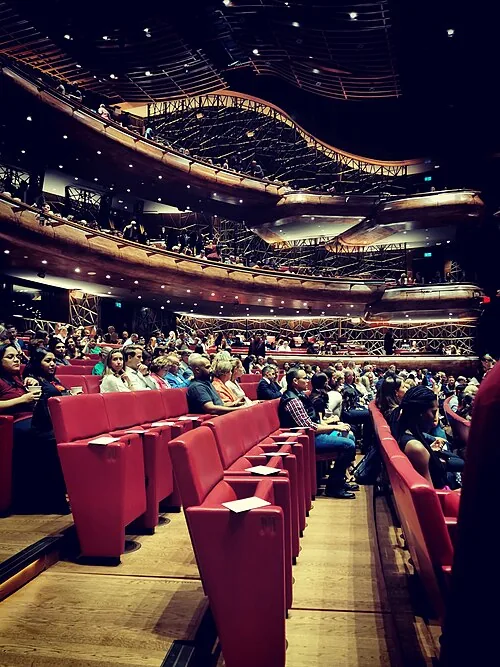
The Downtown Performing Arts Center hosts concerts, plays and other productions. In addition to events, the operator offers tours of the building.
The two towers are connected by an observation bridge, from which the old areas and modern Dubai are visible. The exhibition part is dedicated to the past of the city and ideas about its future.
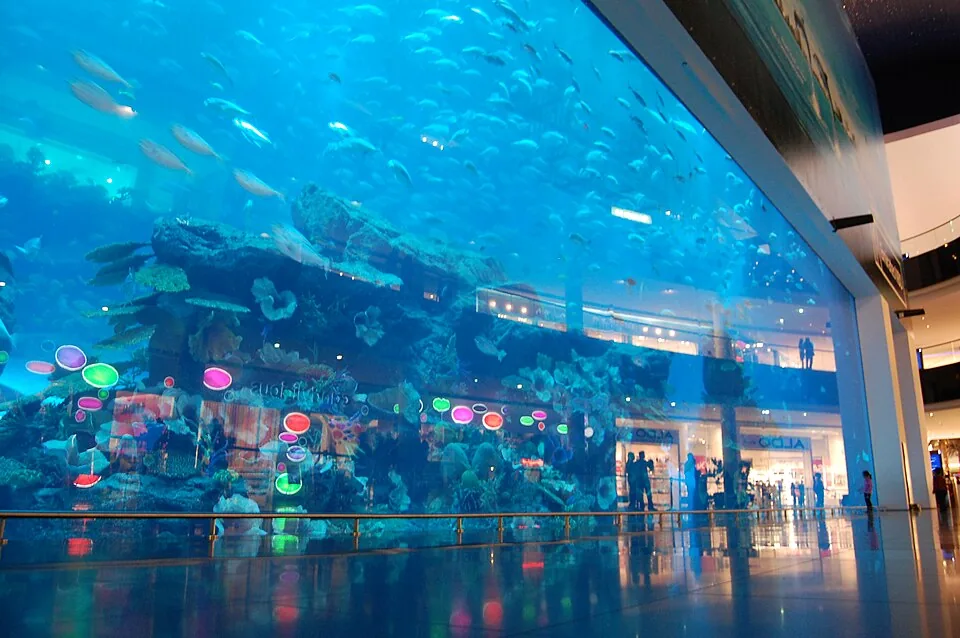
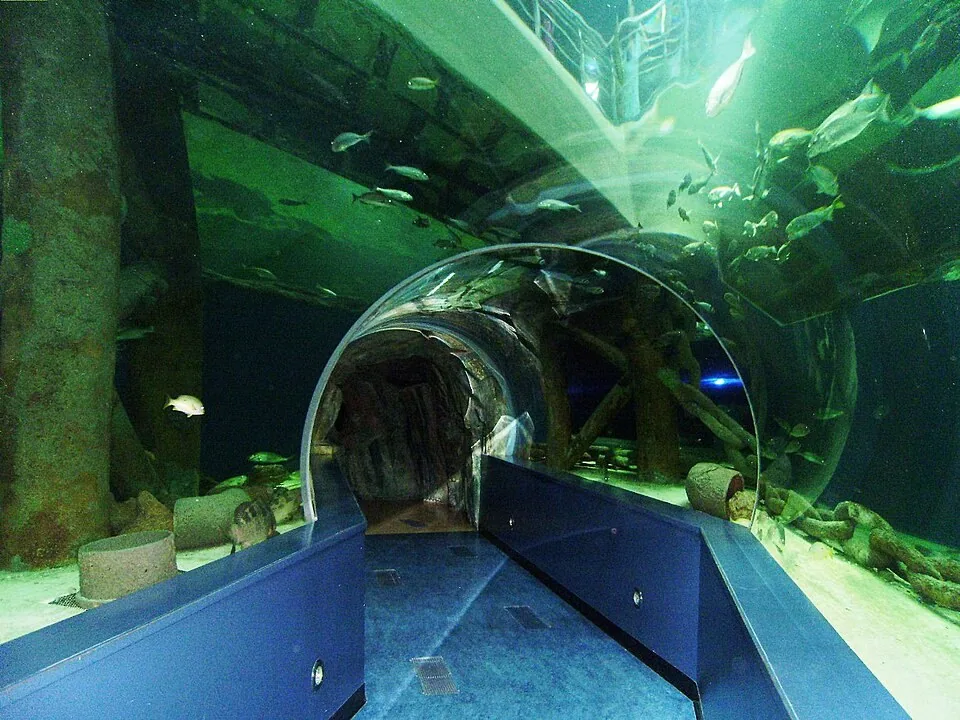
The aquarium inside the Dubai Mall combines a large sea tank, an underwater tunnel and a zoo. Additional animal encounters and dives are sold as separate options.
Archive photo (19 September 2012).
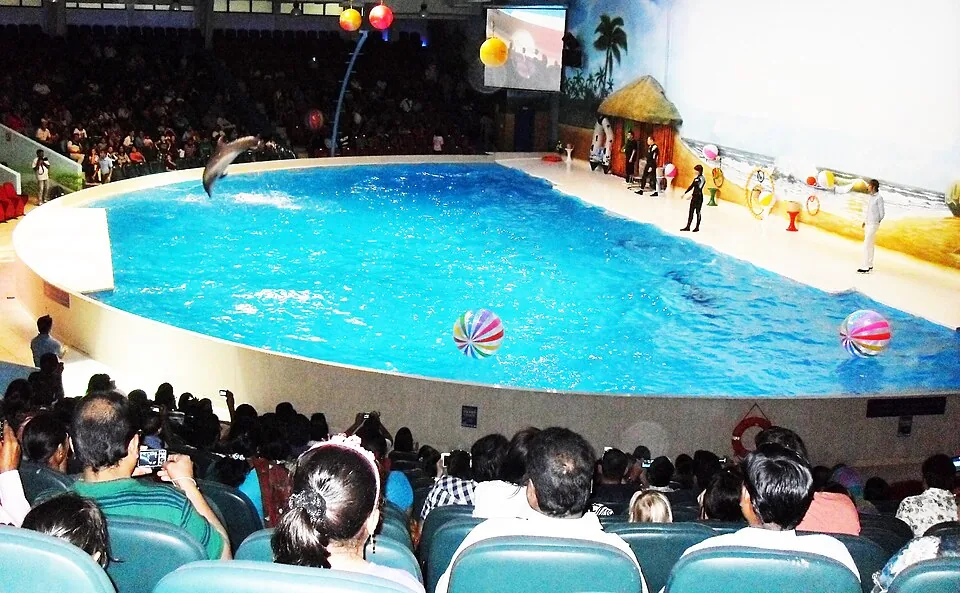
The Dolphinarium at Creek Park hosts shows with dolphins and fur seals. Separate programs are dedicated to birds and getting to know animals.
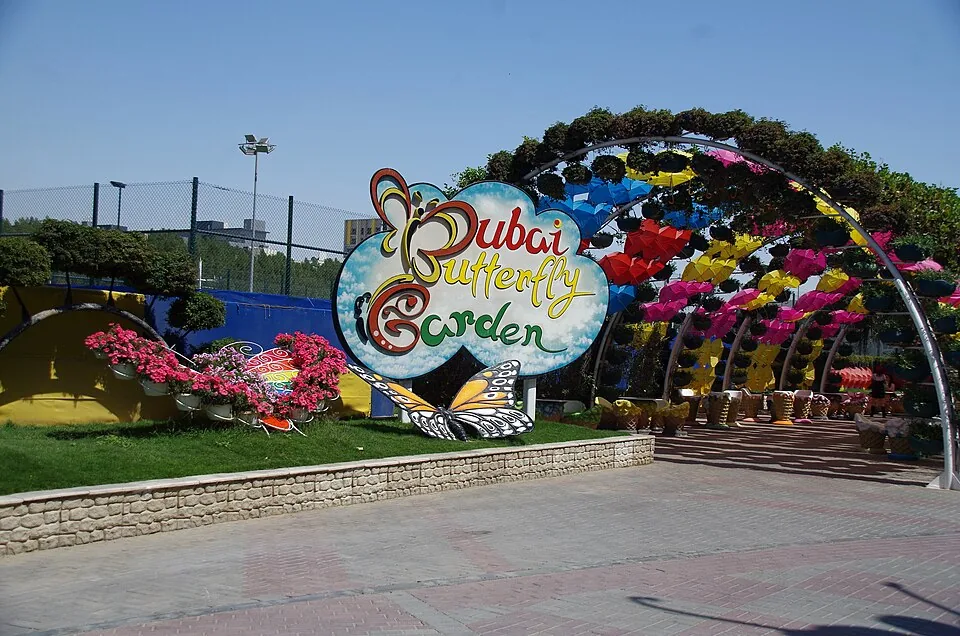
The garden houses butterflies of various species in climate-controlled domes. The walk allows you to observe them up close and learn about the life cycle of insects.
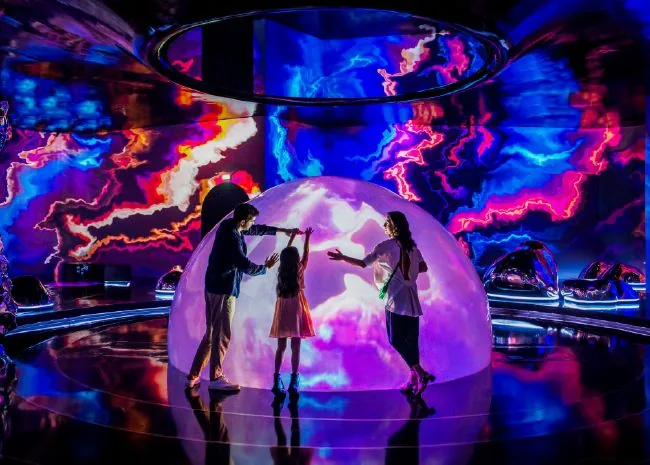
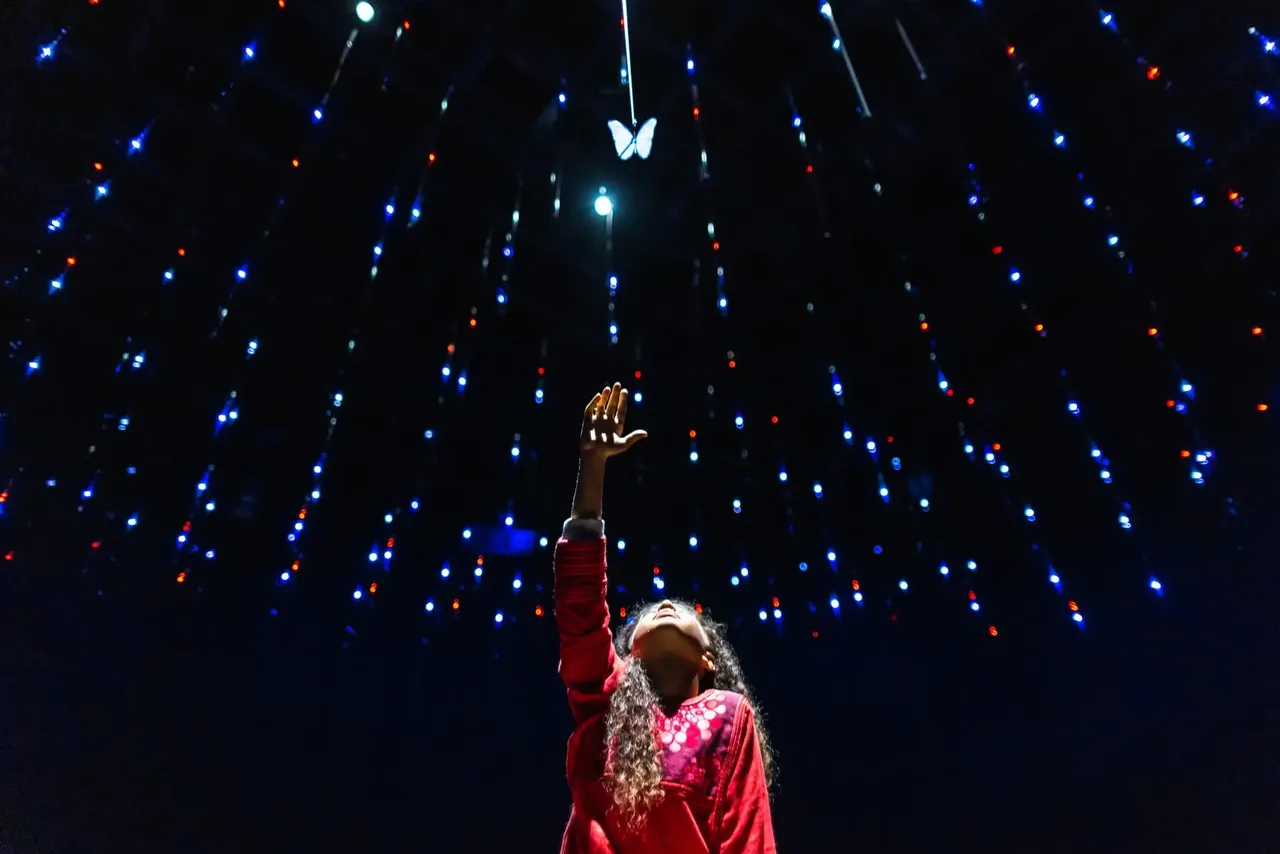
AYA brings together lights, music and interactive spaces in Wafi City. Visitors walk through fantastical gardens, rivers of light and halls with changing projections.
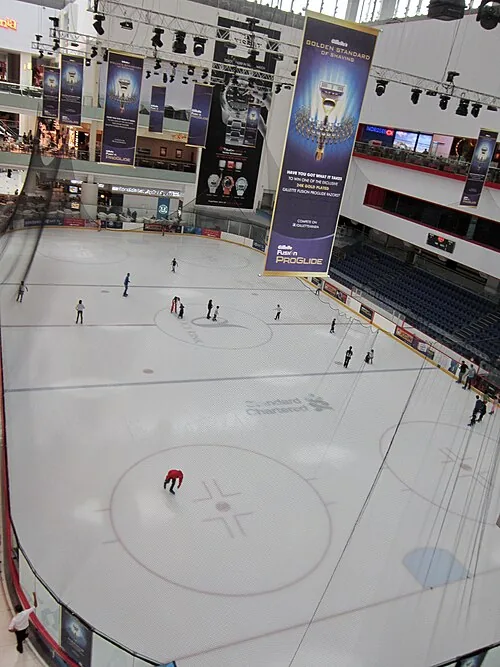
The ice skating rink inside the Dubai Mall offers public skating and instruction. Visits take place in sessions, and separate rules apply for spectators.
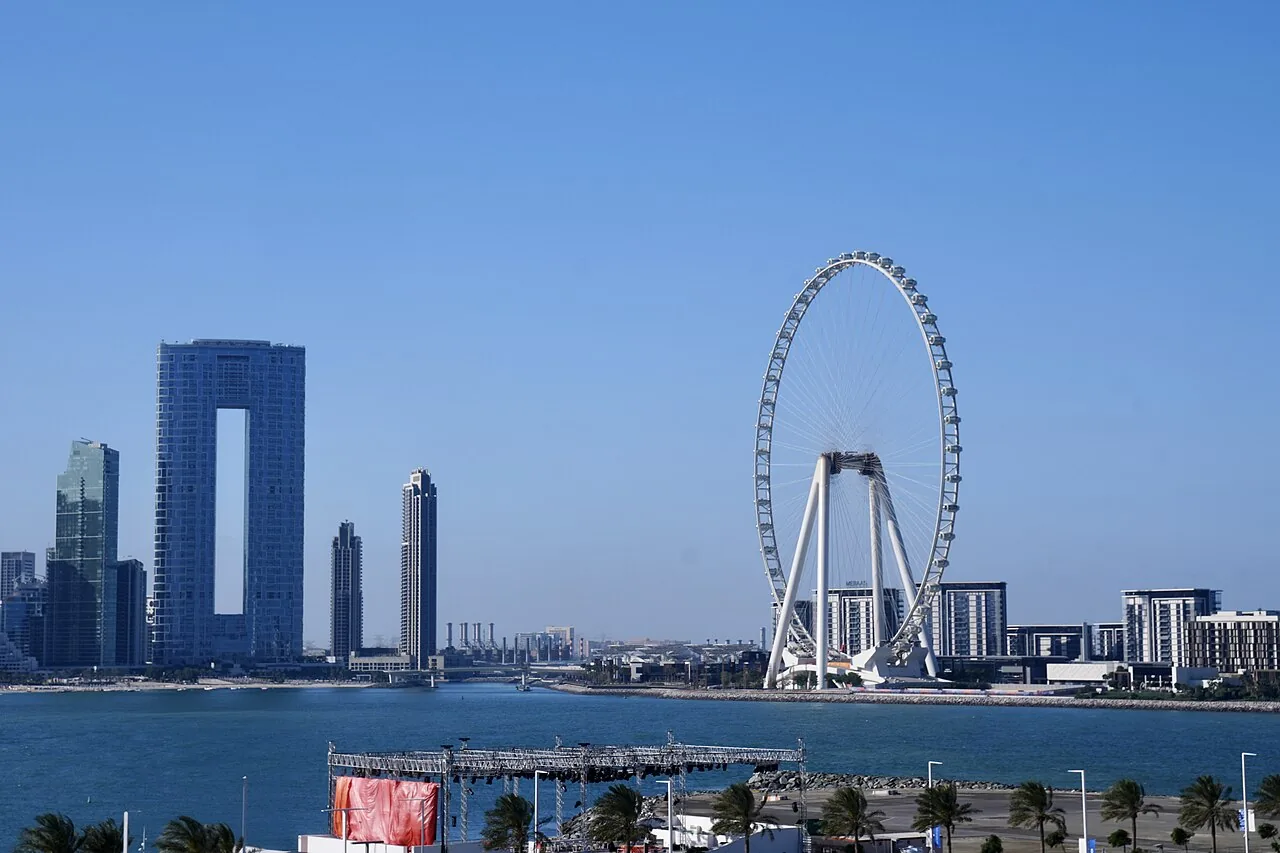
The Bluewaters wheel offers a 360-degree view of the coastline and high-rise neighborhoods. The operator has regular cabs and options with additional service.
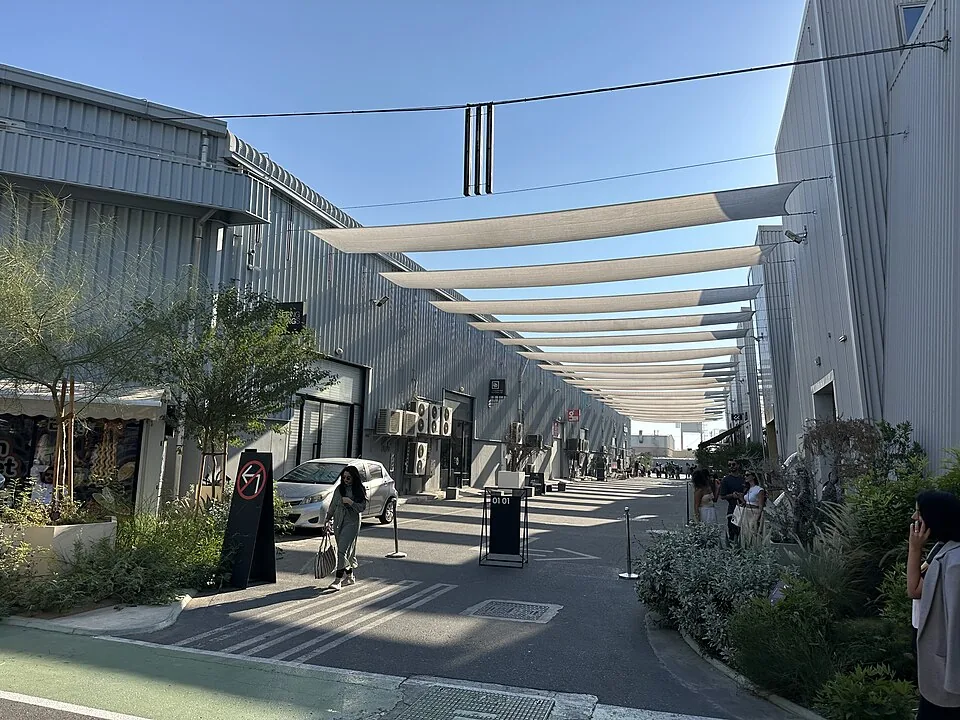
Converted industrial spaces form a quarter of galleries and creative projects. Alserkal Avenue hosts exhibitions, artist meetings and other cultural events.
A cultural program introduces guests of different faiths to the mosque and local traditions. The visit includes explanations and the opportunity to ask questions.
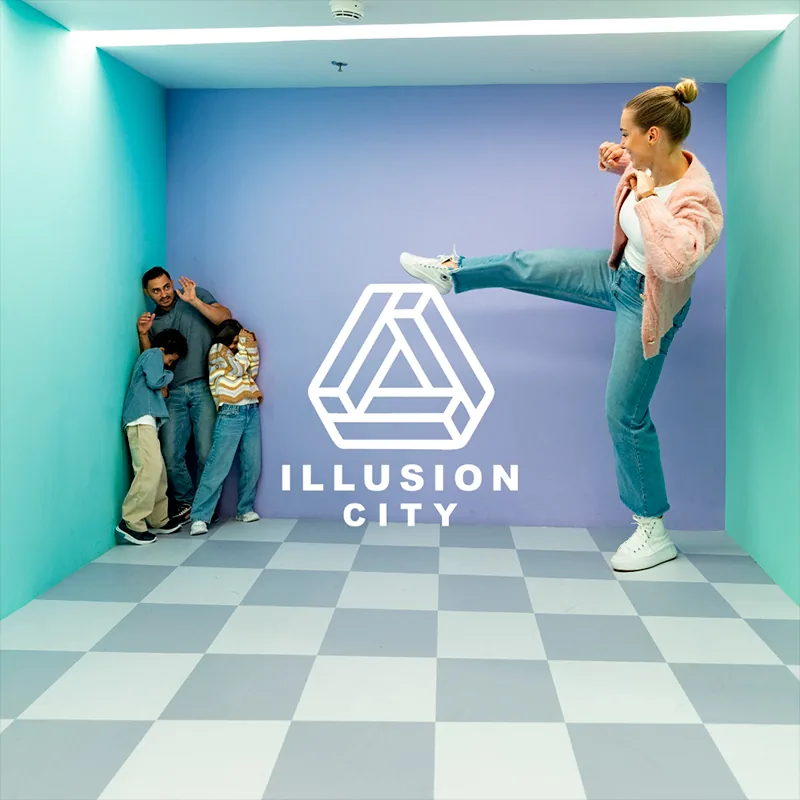
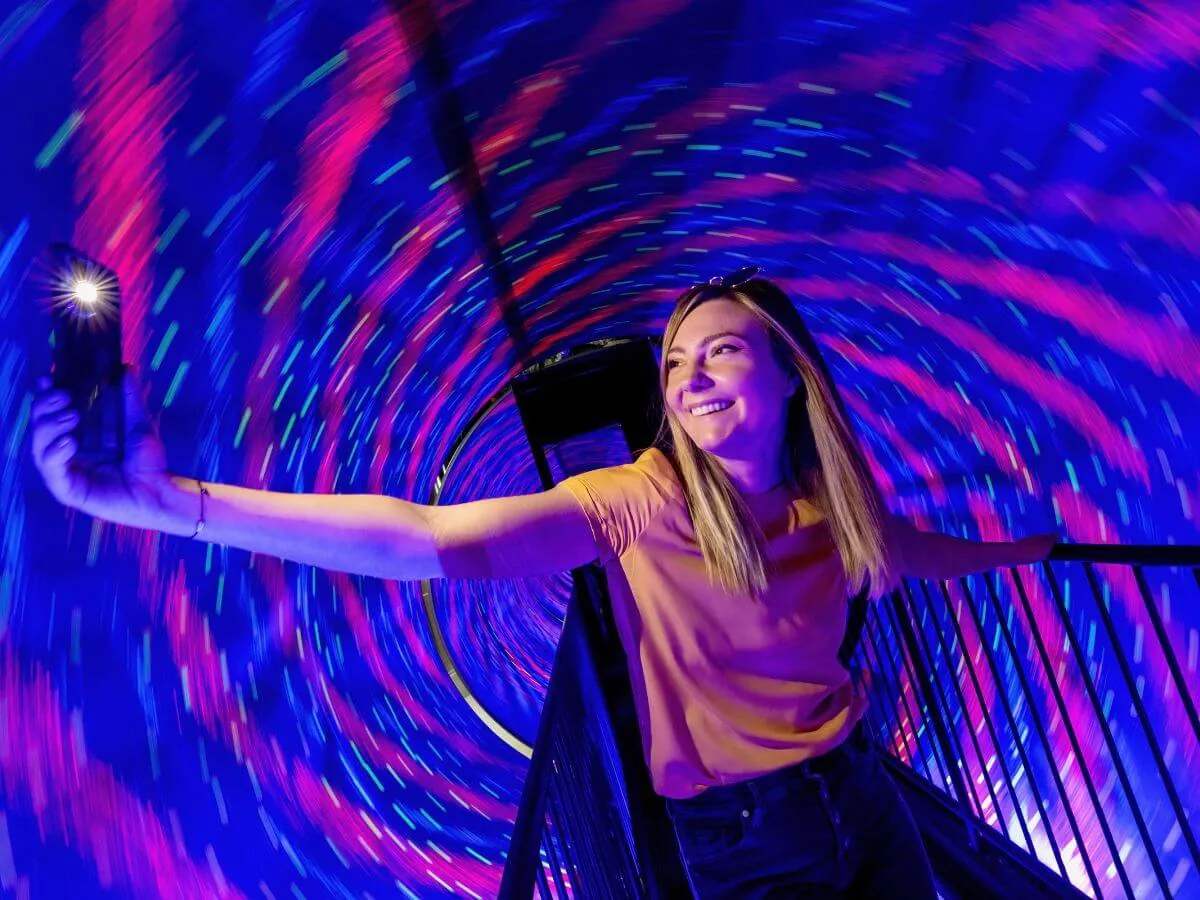
The interactive museum at Bluewaters explores optical, audio and tactile illusions. It is different from the Museum of Illusions in Al Seefa and is located in a different area.
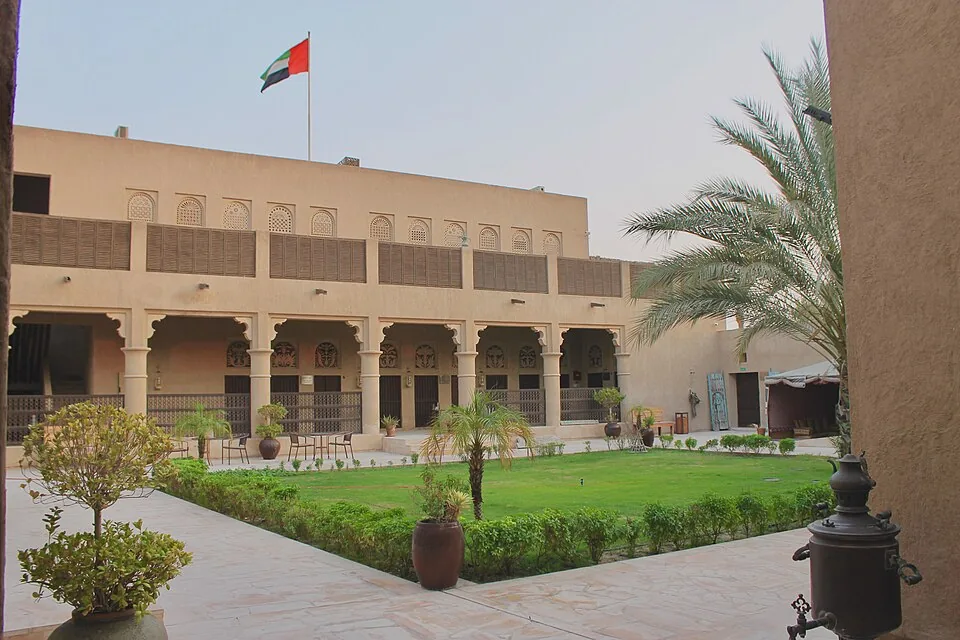
The Dubai Creek History Museum explores the heritage of Dubai and the lives of its people. The visit combines stories about the city with a walk through the old quarter of Al Shindagha.
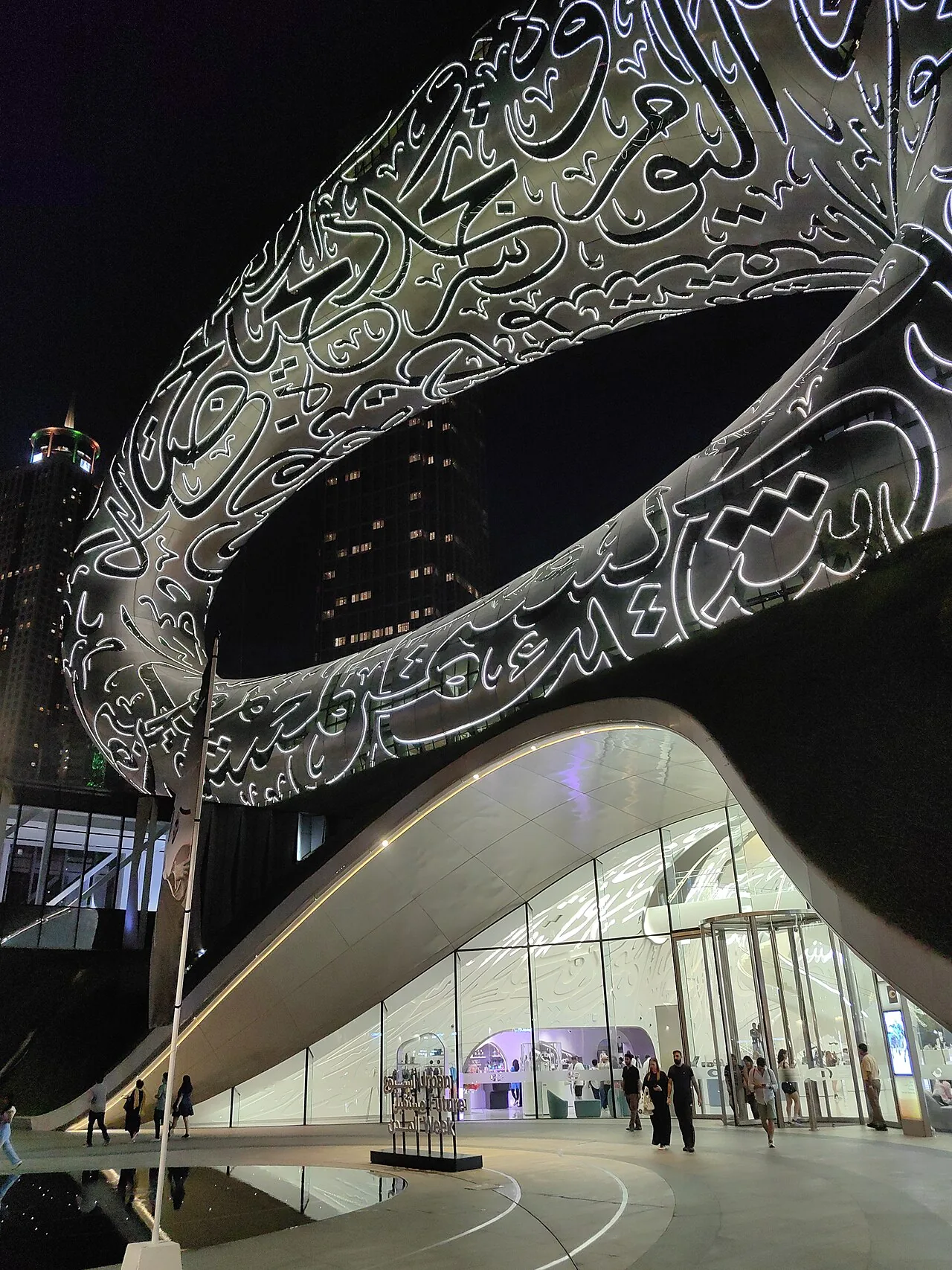
The museum offers future scenarios through technology and immersive spaces. An unusual ring building is located next to the Emirates Towers.
Archive photo of Museum of Illusions Dubai. As of October 14, 2026, the official website reports that the museum is closed.
Interactive museum uses optical illusions and unusual perspectives. The exhibits allow you to explore perception and create photographs that deceive scale.
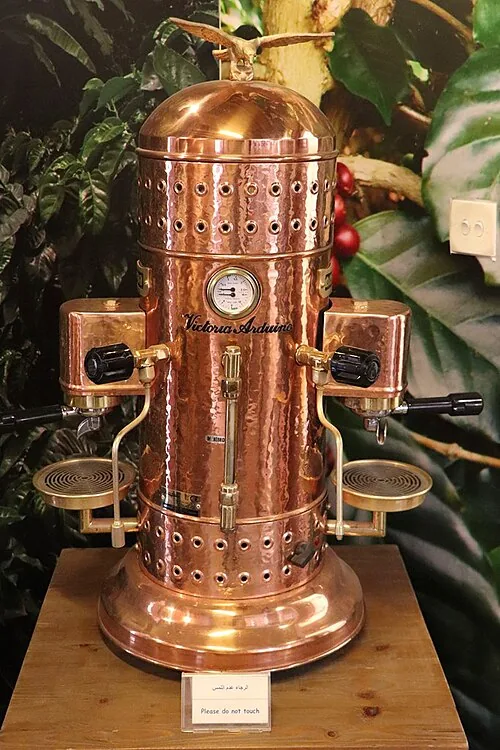
A small museum in the historical quarter tells about the coffee traditions of different countries. The exhibition includes antique accessories, and separate sections introduce roasting and preparation of the drink.
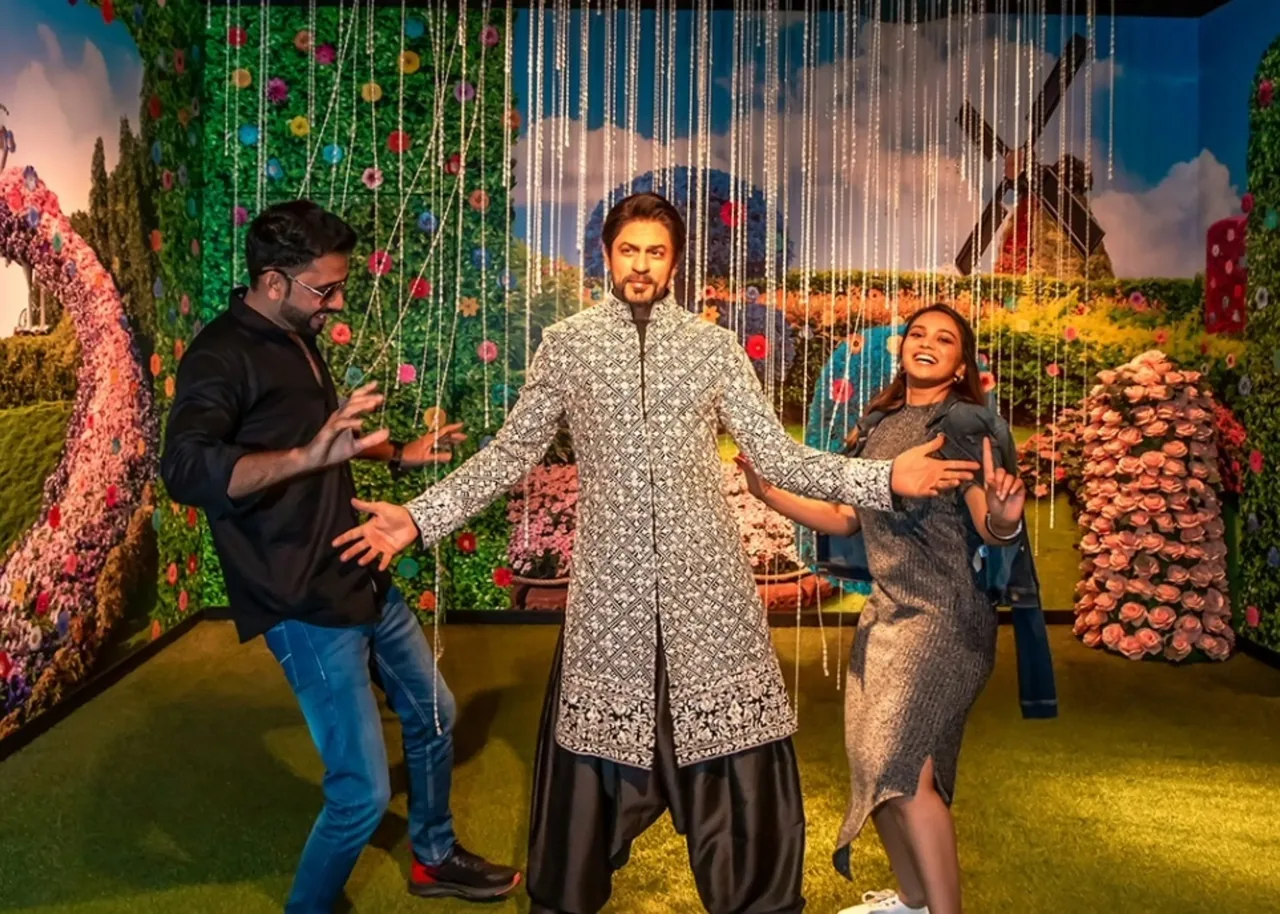
The wax museum at Bluewaters attracts celebrities from film, music and sport. Interactive zones allow you to take photos next to the figures and change the scenario of your visit.
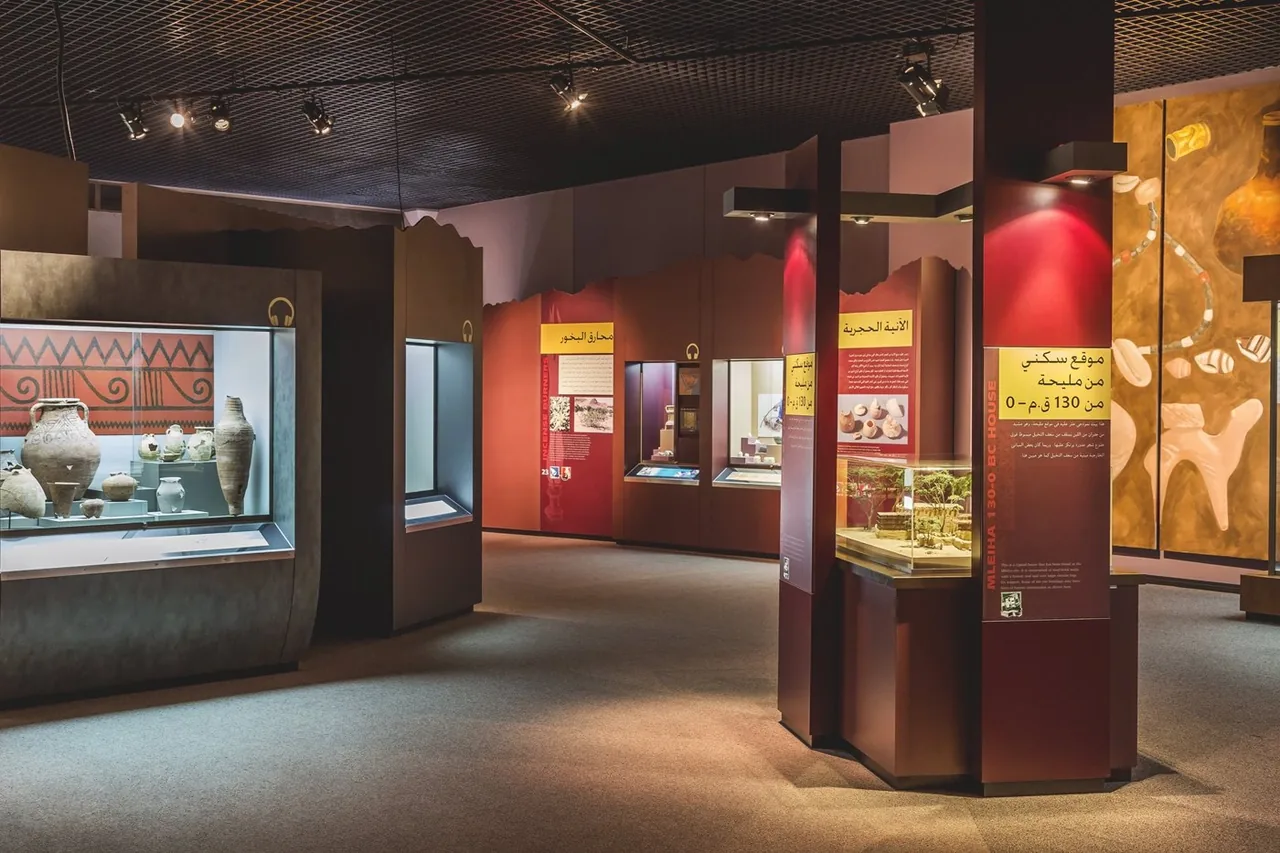
The Archaeological Museum presents finds from the desert Saruk al-Hadid. An interactive exhibition tells the story of the Iron Age and the region's past.
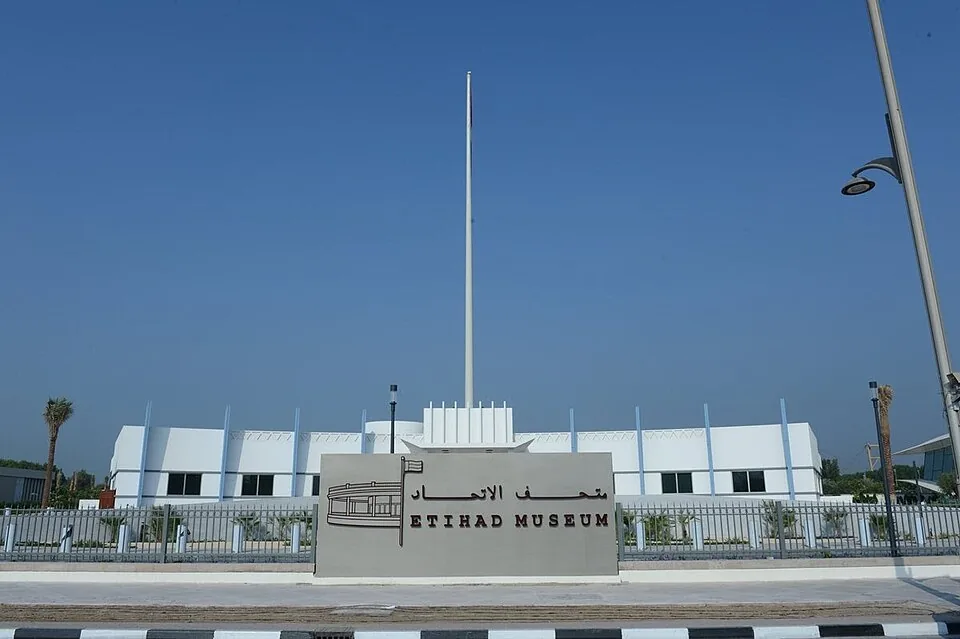
The museum is dedicated to the creation of the United Arab Emirates and the modern history of the country. Photos, films and interactive pavilions tell the story of the path to unification.
The indoor park brings together the worlds of Marvel, Cartoon Network and the dinosaurs of Lost Valley. In addition to the attractions, there are play spaces and themed areas for different ages.
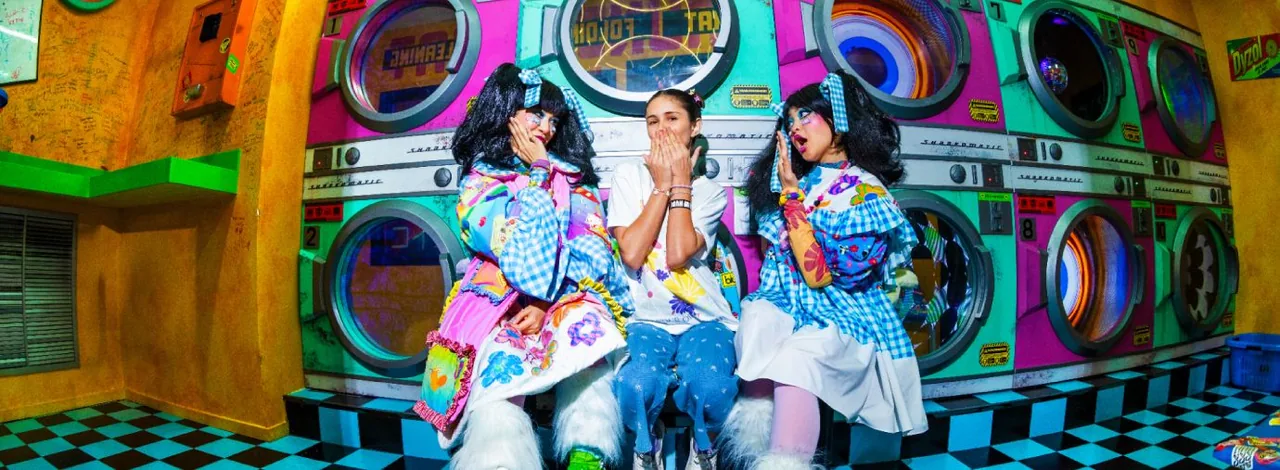
The entertainment space inside the Dubai Mall is built as a collection of unusual worlds. Light-up decorations, hidden rooms and play activities are suitable for exploration and photography.
Archive press photo of Emaar, 2021.
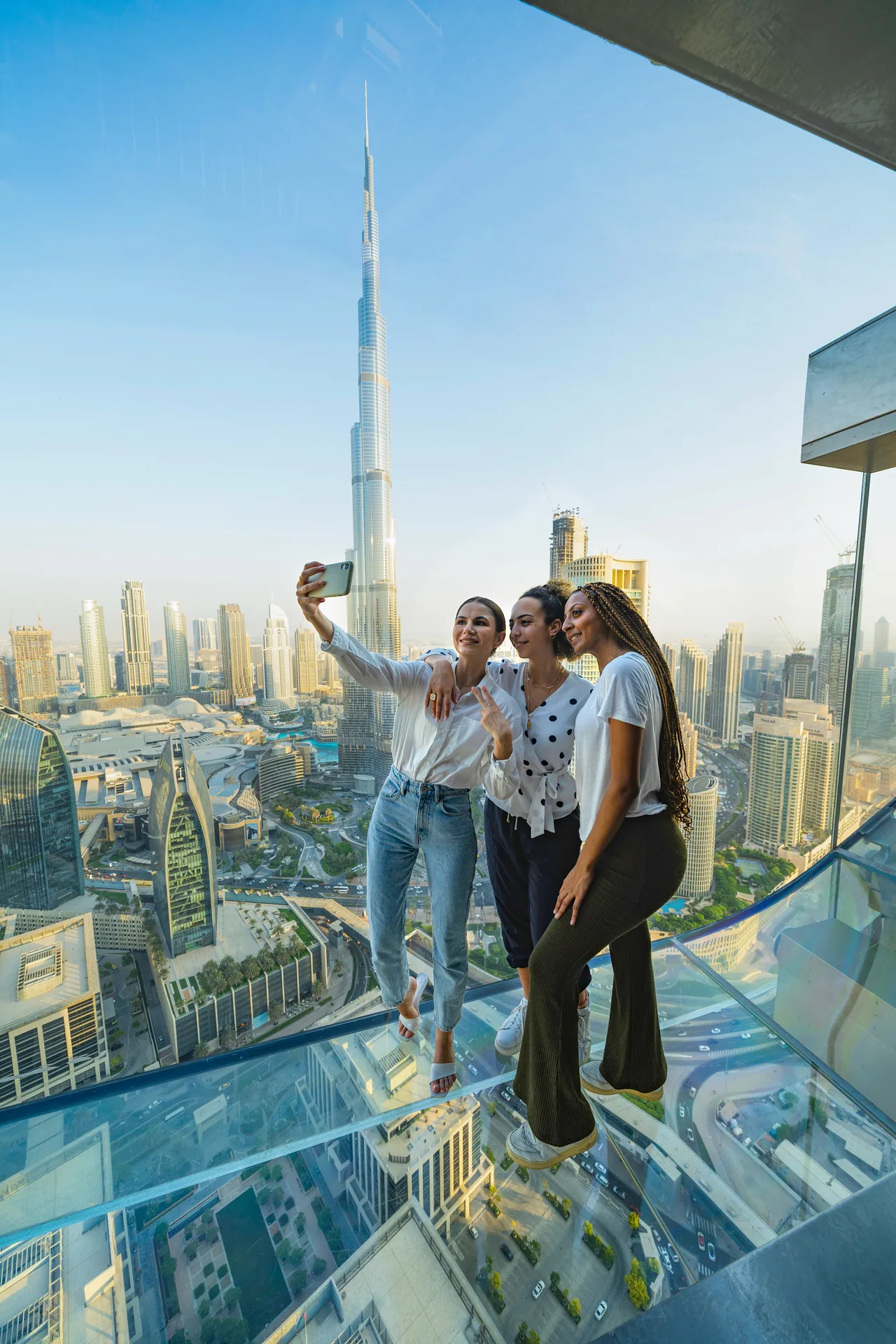
An observation deck connects the Address Sky View towers opposite the Burj Khalifa. The glass floor, slide and Edge Walk offer different levels of experience.
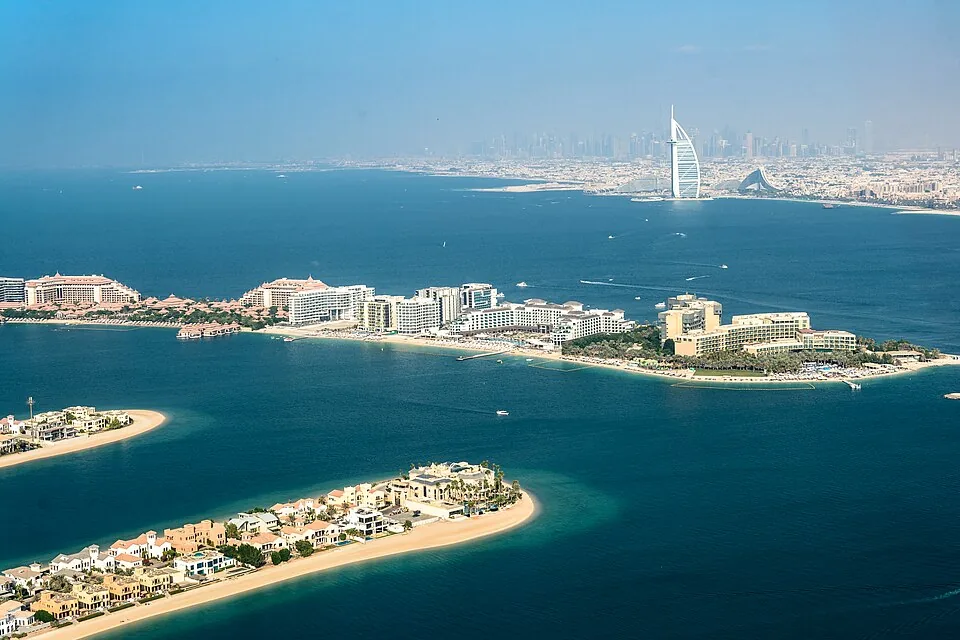
The landing on the 52nd floor of the Palm Tower allows you to see the shape of the Palm Jumeirah from above. The exhibition introduces the creation of the island, and the panorama takes in the bay and the city skyline.
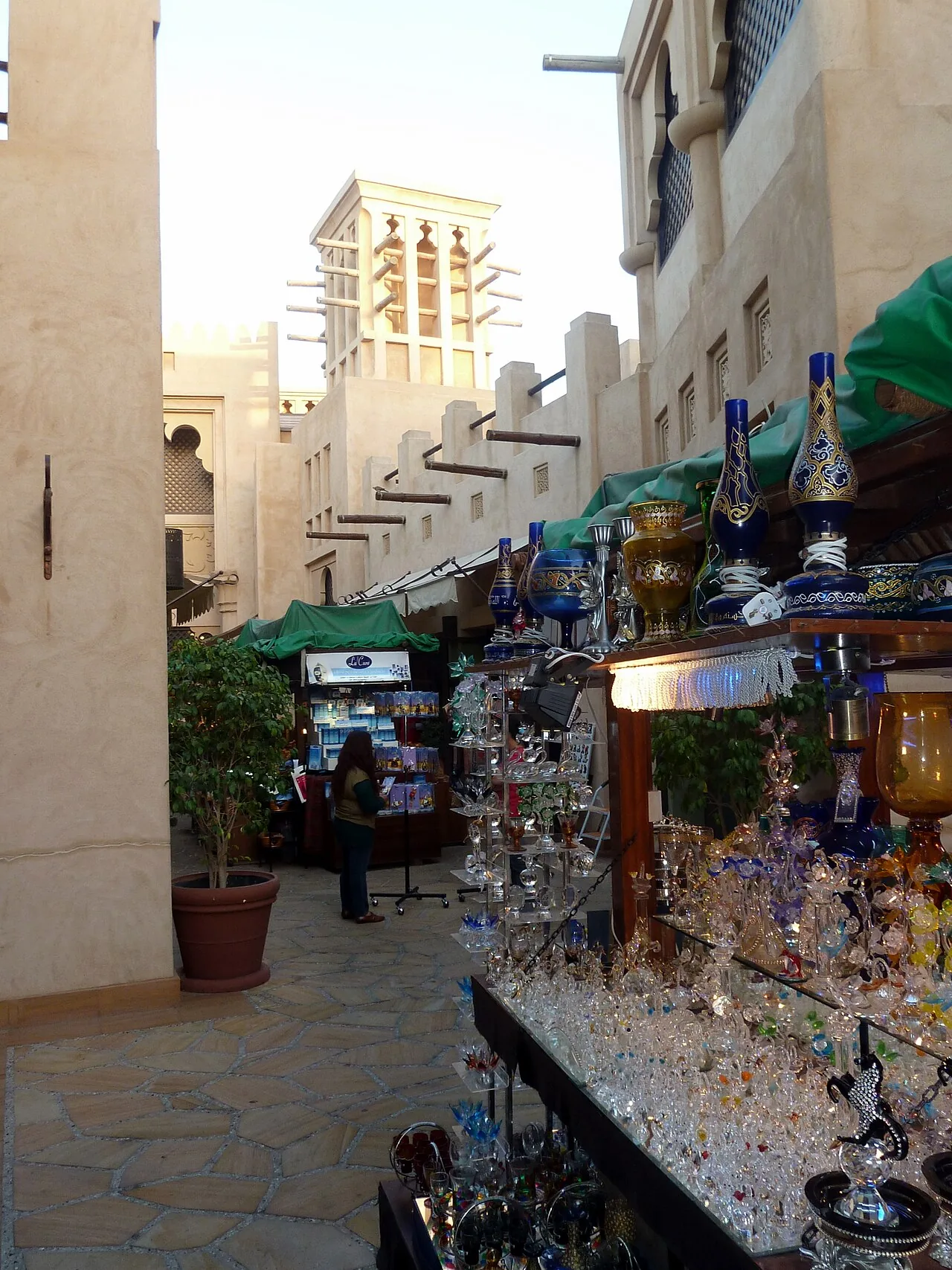
The modern bazaar is decorated in traditional Arabic style with carved arches and wind towers. Shopping lanes connect with restaurants and promenades along the resort's canals.
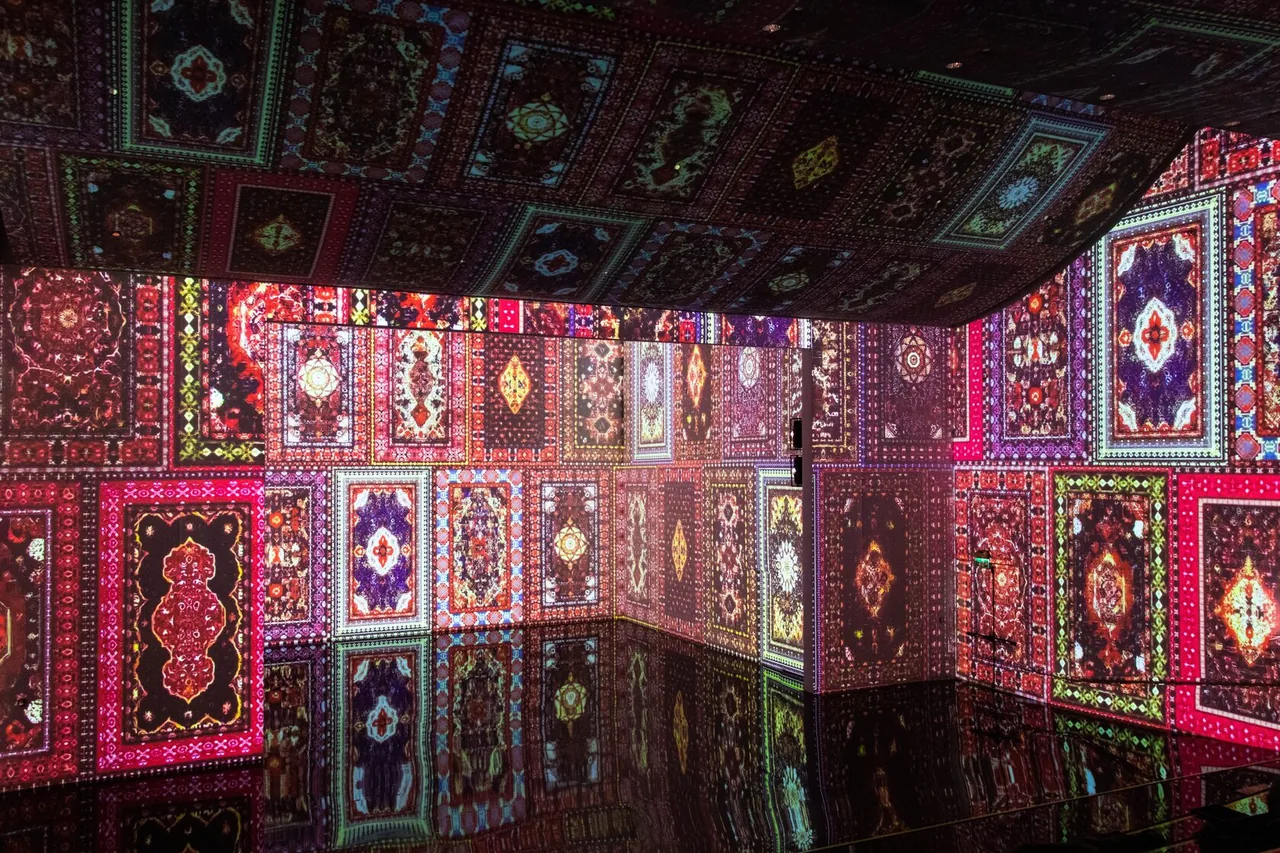
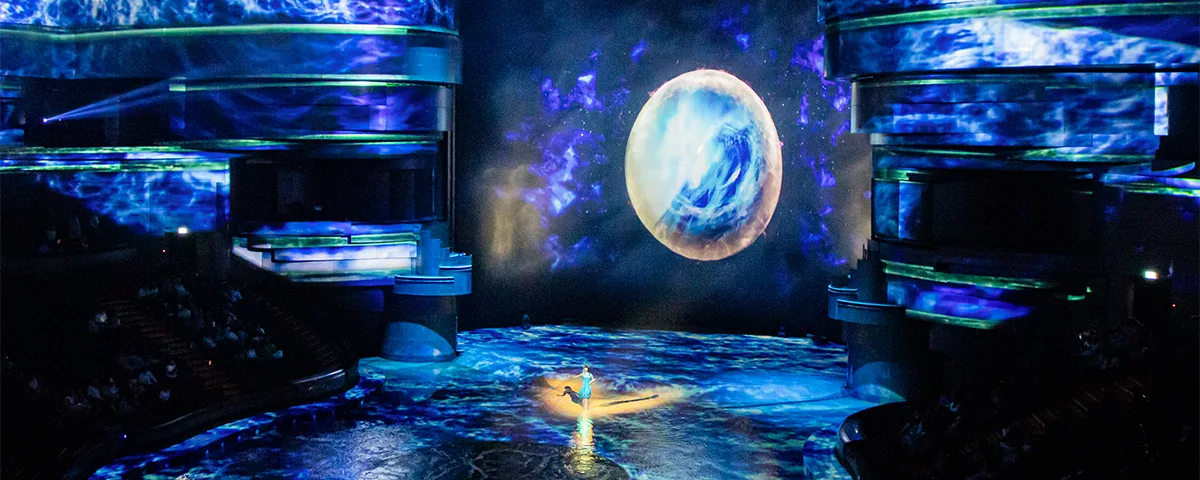
TODA combines immersive digital projections with live performances. The space program includes different events, so the experience depends on the chosen session.
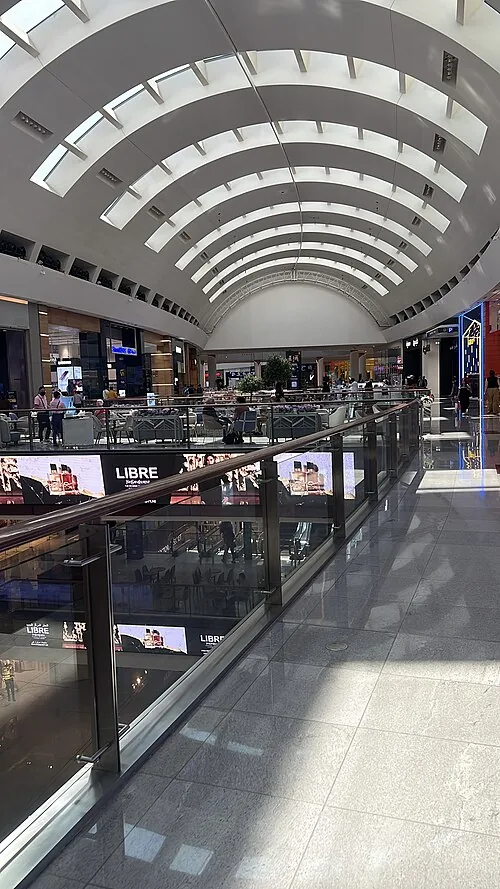
The shopping and entertainment complex at Burj Khalifa combines shops, restaurants and large family attractions. The aquarium, skating rink and children's centers have their own rules and tickets.
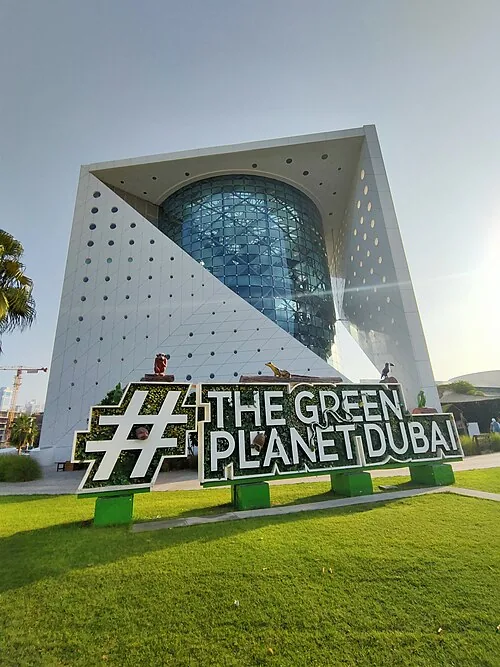
A tropical biodome transports visitors from the city into a multi-level rain forest. Here they observe plants, birds and animals and learn about the structure of the ecosystem.
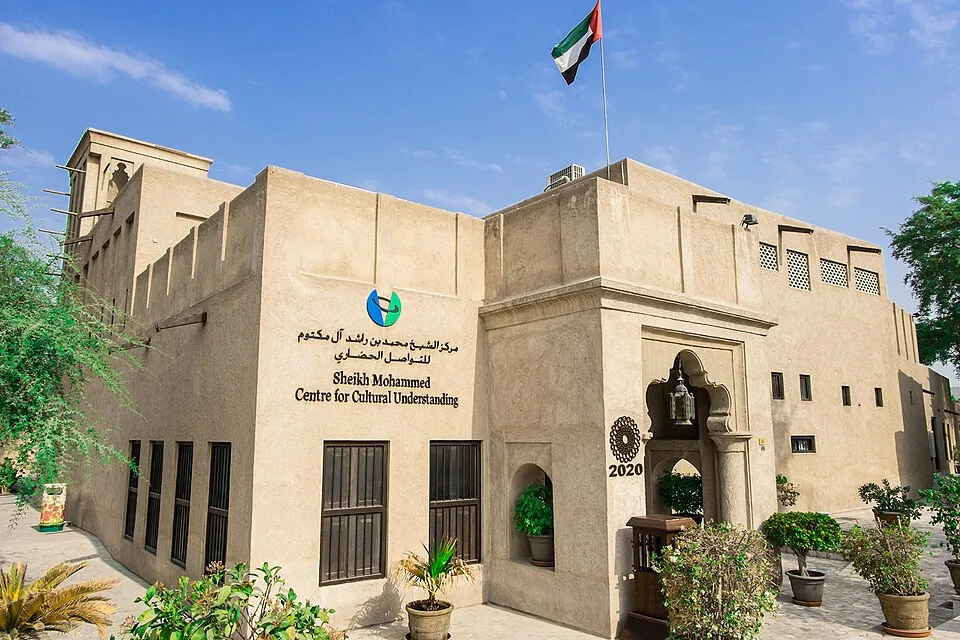
The center introduces guests to Emirati traditions through socializing, walks and traditional meals. The programs take place in the historical district of Old Dubai.
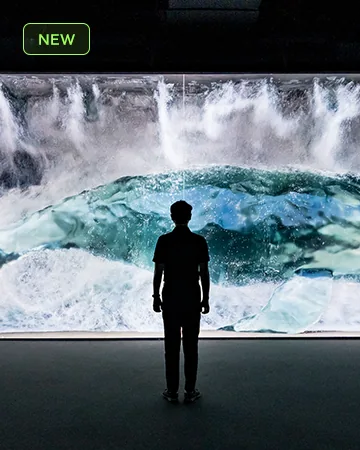
A digital exhibition transforms natural scenes into large spaces of light. Among the installations are a forest, flowers, sea images and an endless waterfall.
A permanent theatrical show combines aerial acrobatics and water performances. A special stage at Al Habtoor City alternates between dry and water spaces during the performance.
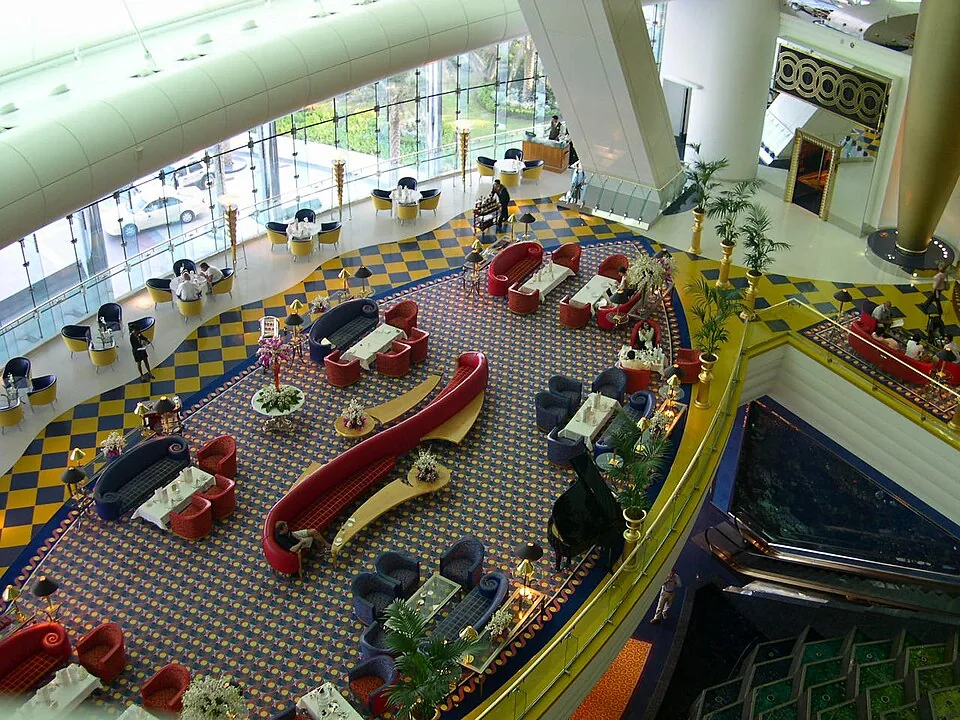
Archival interior of Burj Al Arab; photo published in 2005.
An organized tour introduces the interiors and history of the Burj Al Arab Hotel. This is a separate excursion program, which is not equivalent to booking a room or free entry to the hotel.
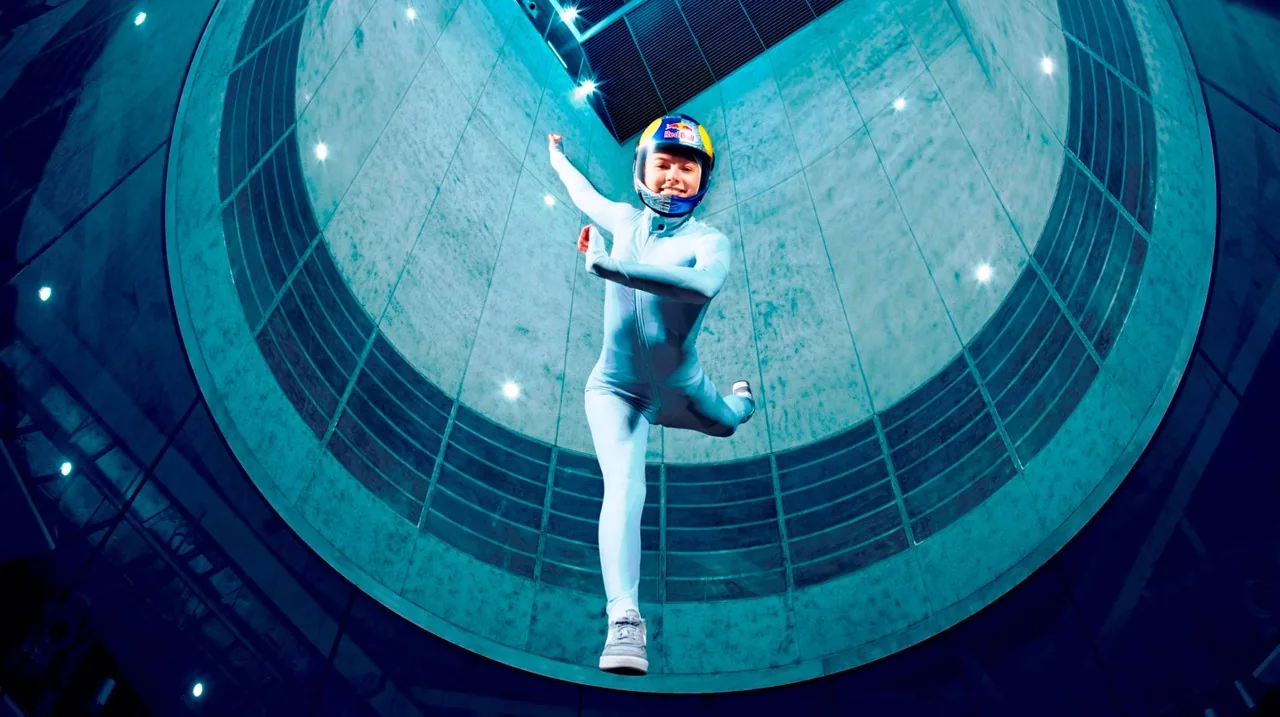
The indoor center on Yas Island combines wind tunnel flying and rock climbing. Walls of different heights allow you to choose your level of training, and classes are held with instructors.
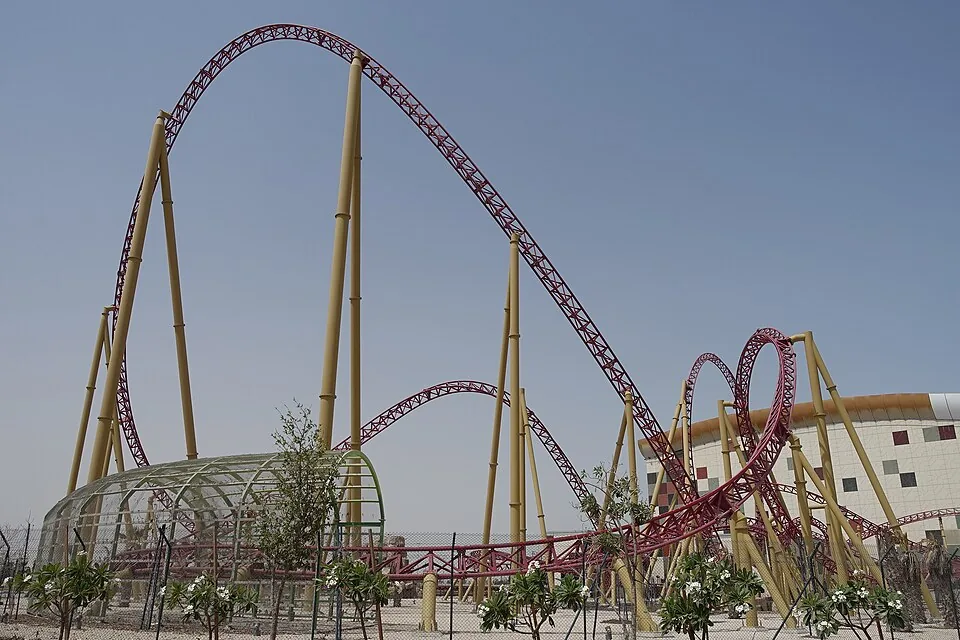
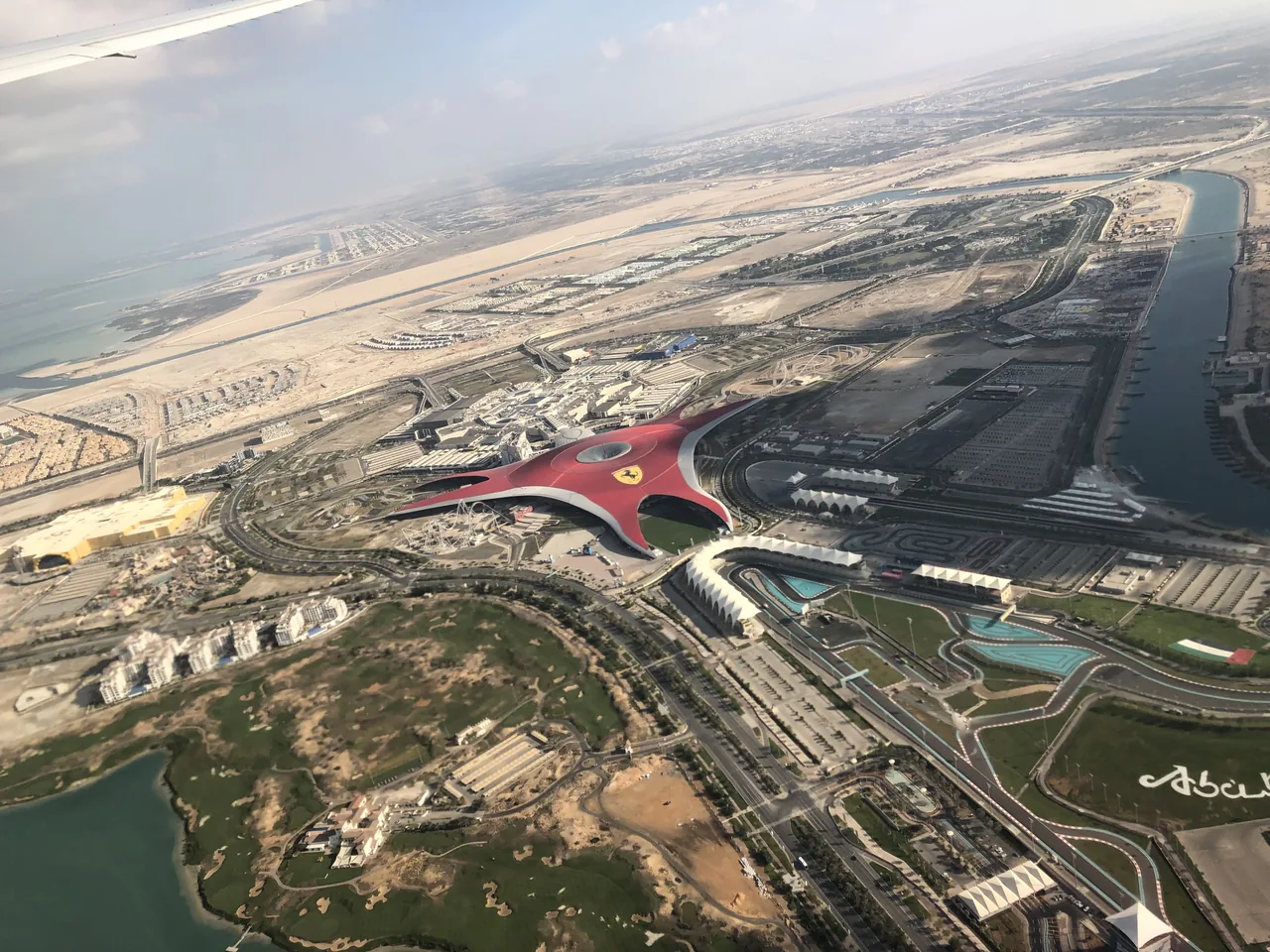
The Ferrari theme park on Yas Island combines high-speed roller coasters and family-friendly attractions. There's a Bell'Italia walk through a miniature Italy, racing simulators and a display of automotive memorabilia.
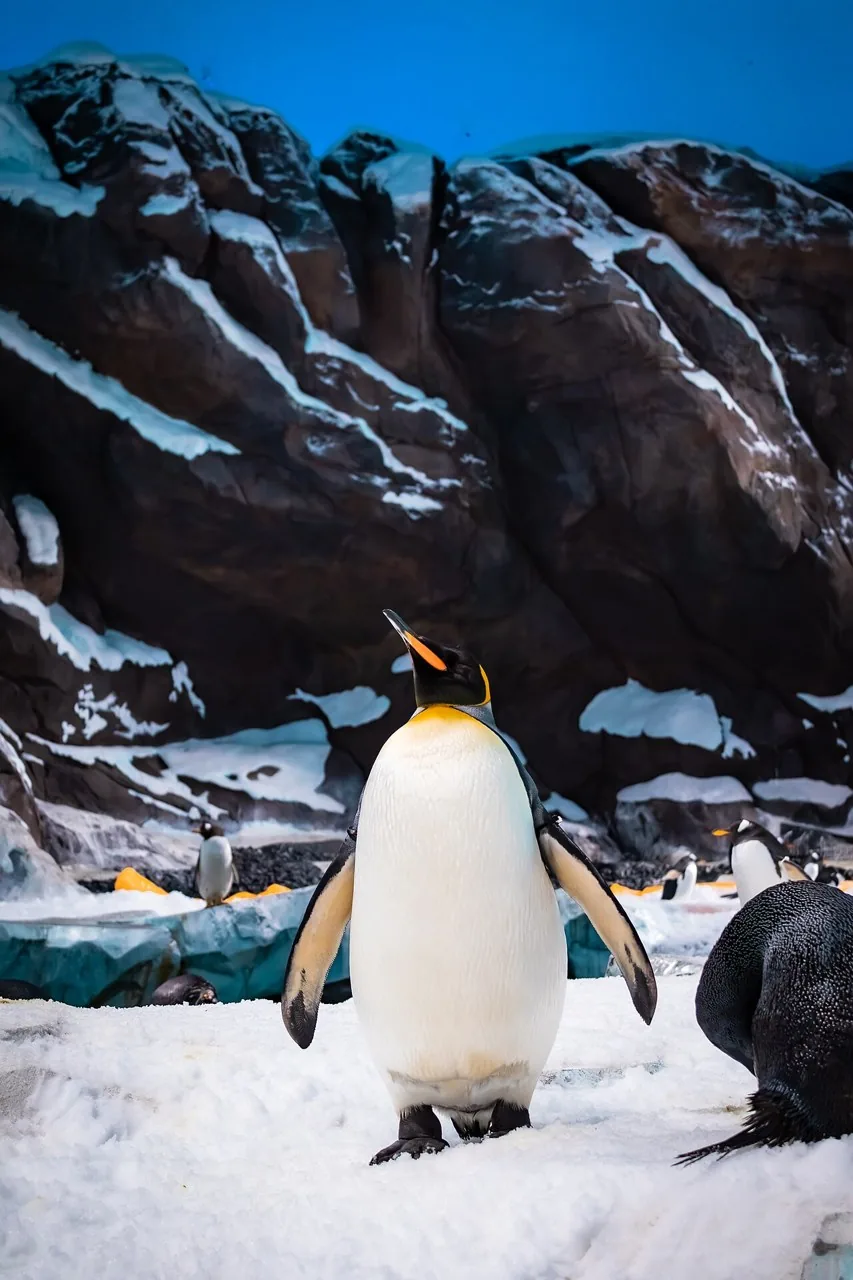
The marine theme park explores the story of One Ocean through eight themed worlds. The route takes you from Abu Dhabi's natural surroundings to tropical and polar seas, with aquariums and educational exhibits.
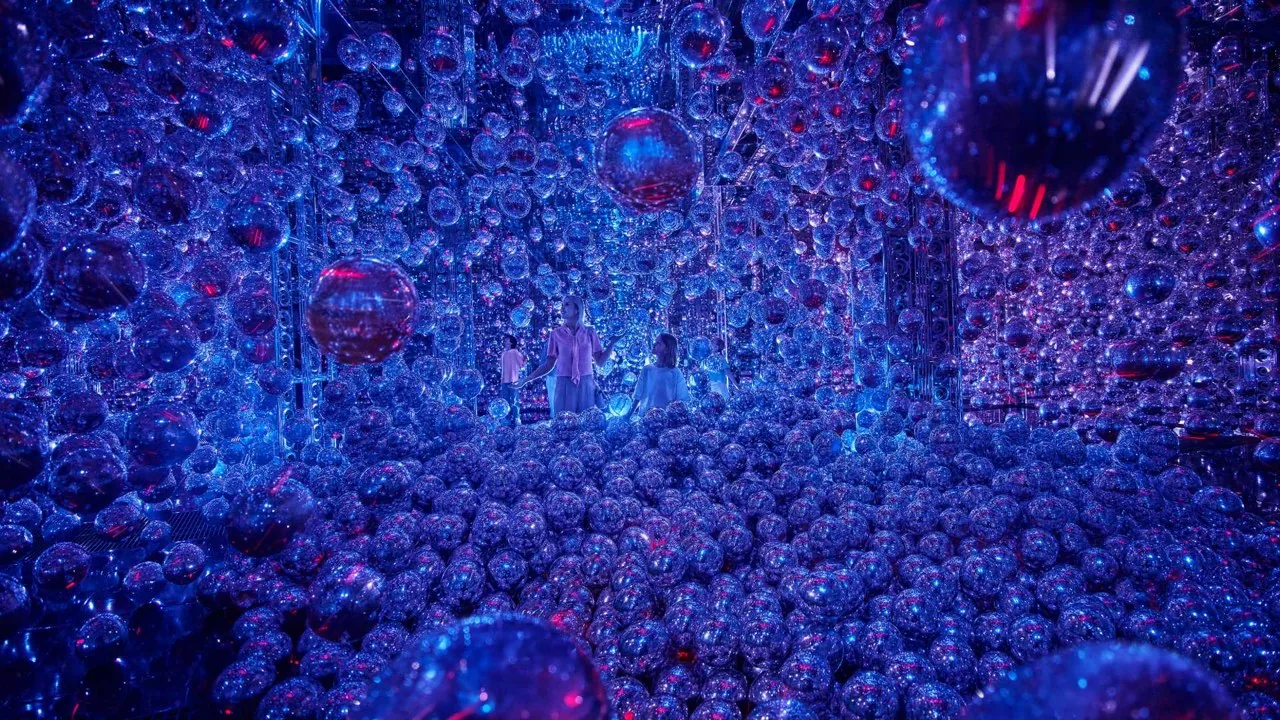
teamLab's immersive works are influenced by the environment and visitor interactions. The space combines digital art, science and natural phenomena in a multi-sensory itinerary.
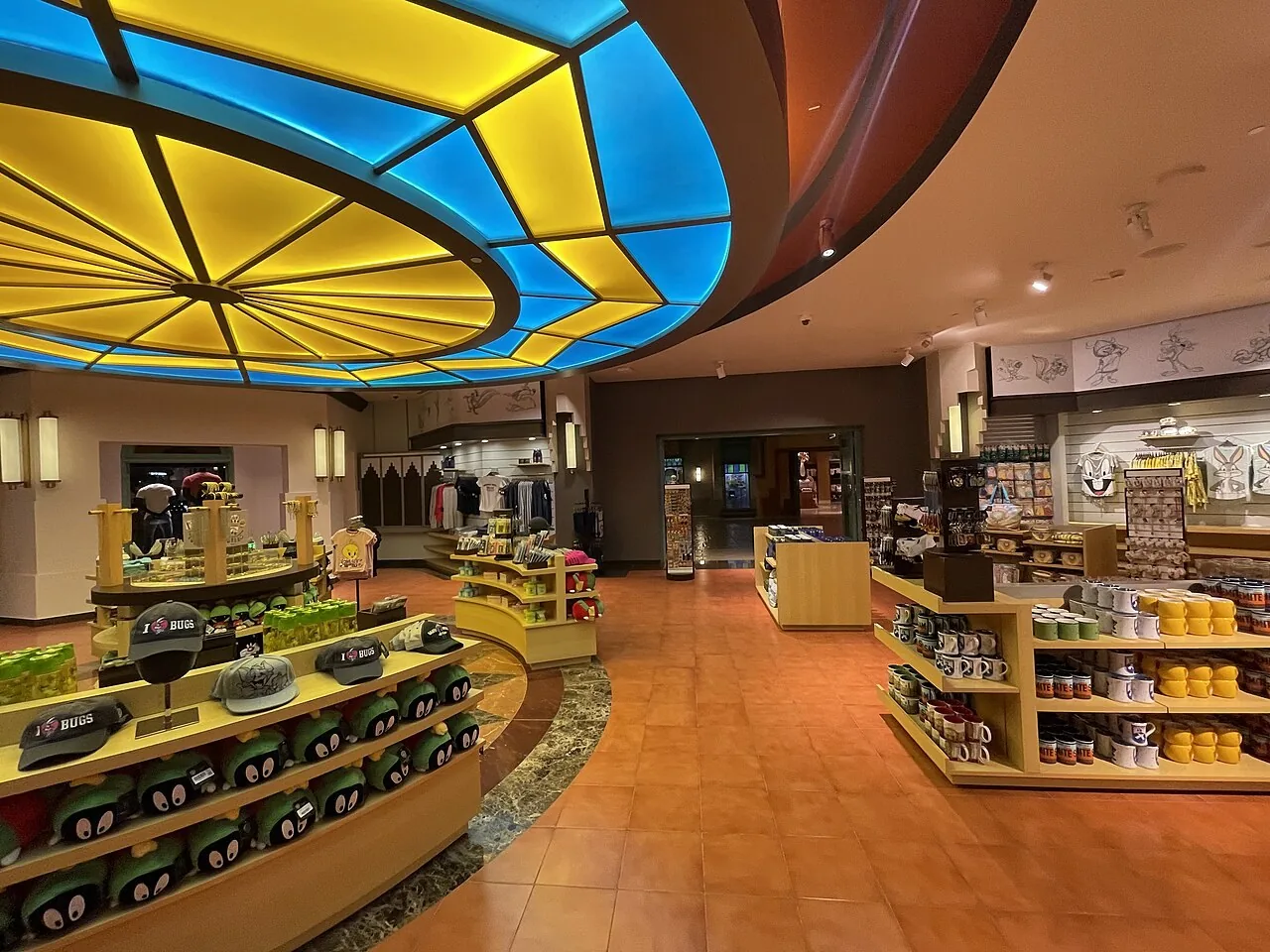
Store inside Warner Bros. World Abu Dhabi.
The indoor theme park transports guests to the worlds of DC and classic Warner Bros. cartoons. The six themed zones include Gotham City, Metropolis, Bedrock and Cartoon Junction.
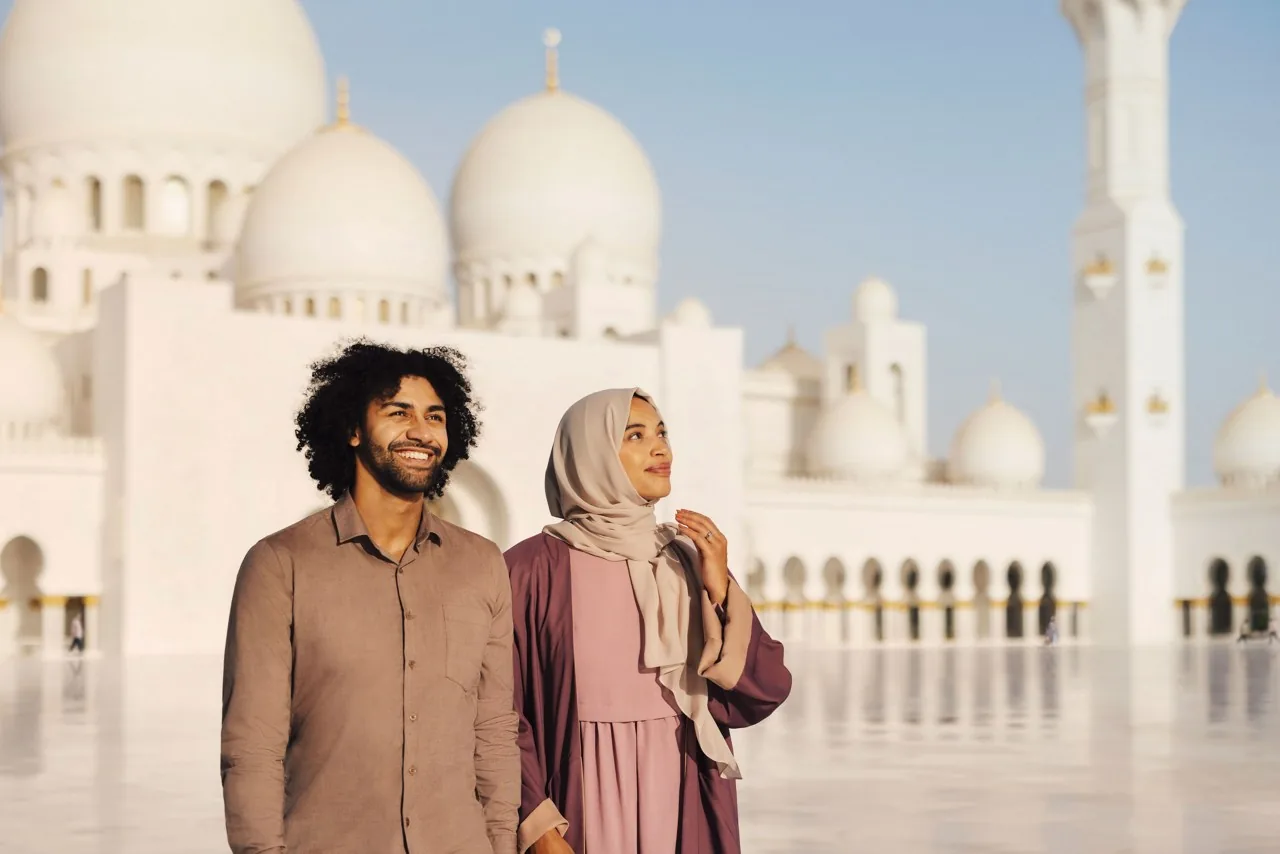
The monumental working mosque introduces visitors to the Islamic architecture and culture of the UAE. The domes, calligraphy and marble spaces can be viewed independently or as part of a tour of the center.
The working Presidential Palace reveals to visitors the architecture and cultural history of the UAE. The state rooms are complemented by a library and exhibitions on the Arab world's contributions to knowledge and governance.
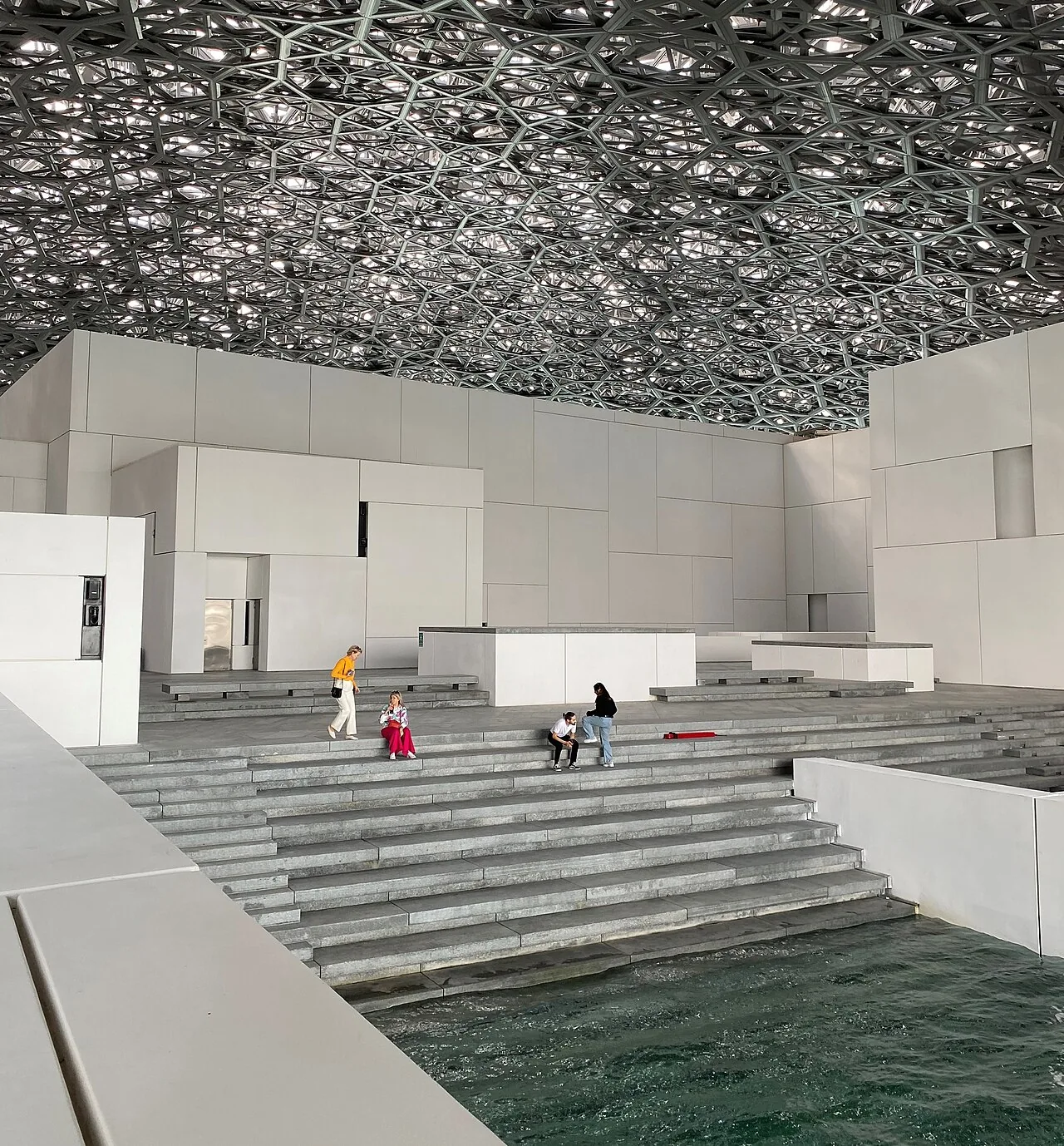
The museum on Saadiyat compares art and objects from different civilizations from antiquity to modern times. Jean Nouvel's architecture combines galleries under a large geometric dome, creating the effect of a rain of light.
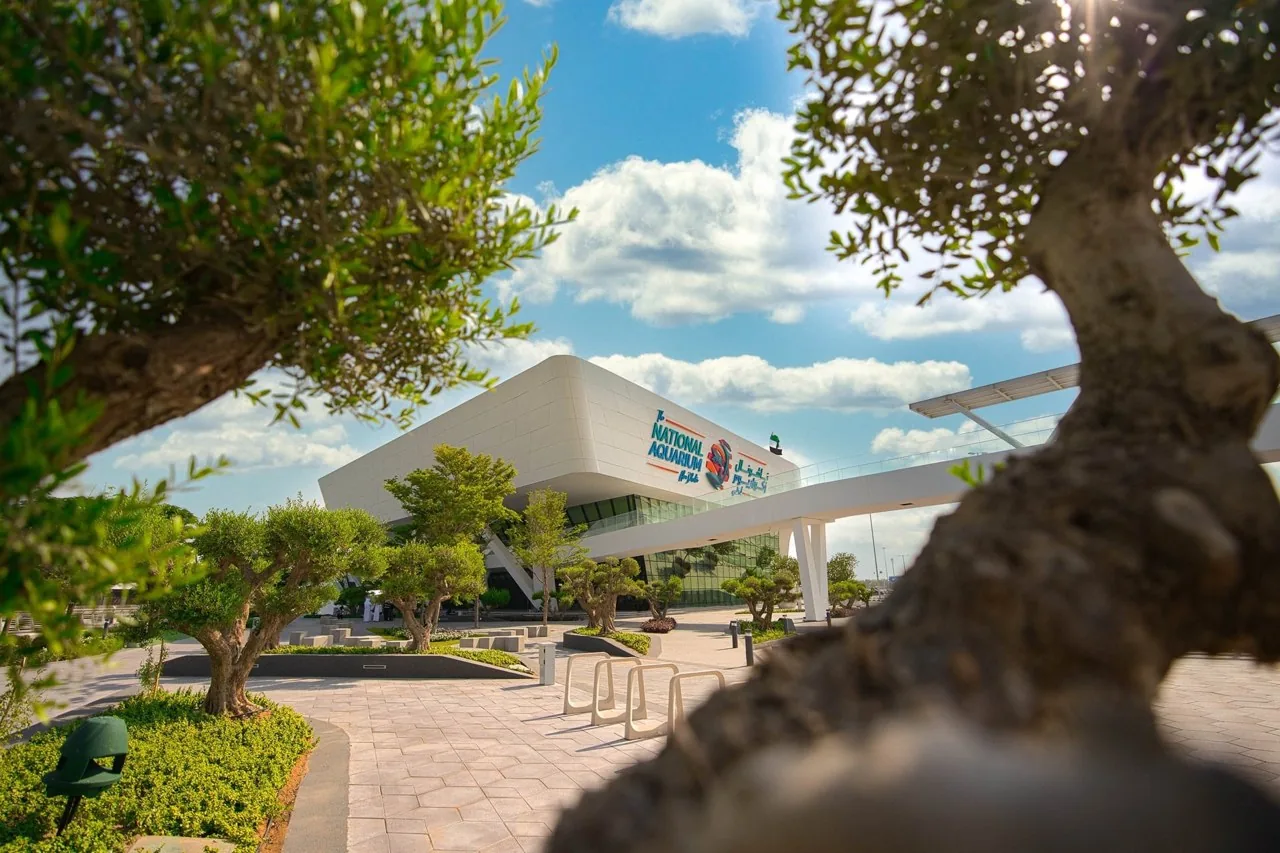
The aquarium at Al Qana is divided into ten themed areas, ranging from UAE marine treasures to tropical forests. Exhibits tell about pearl fishing, coral reefs and marine conservation.
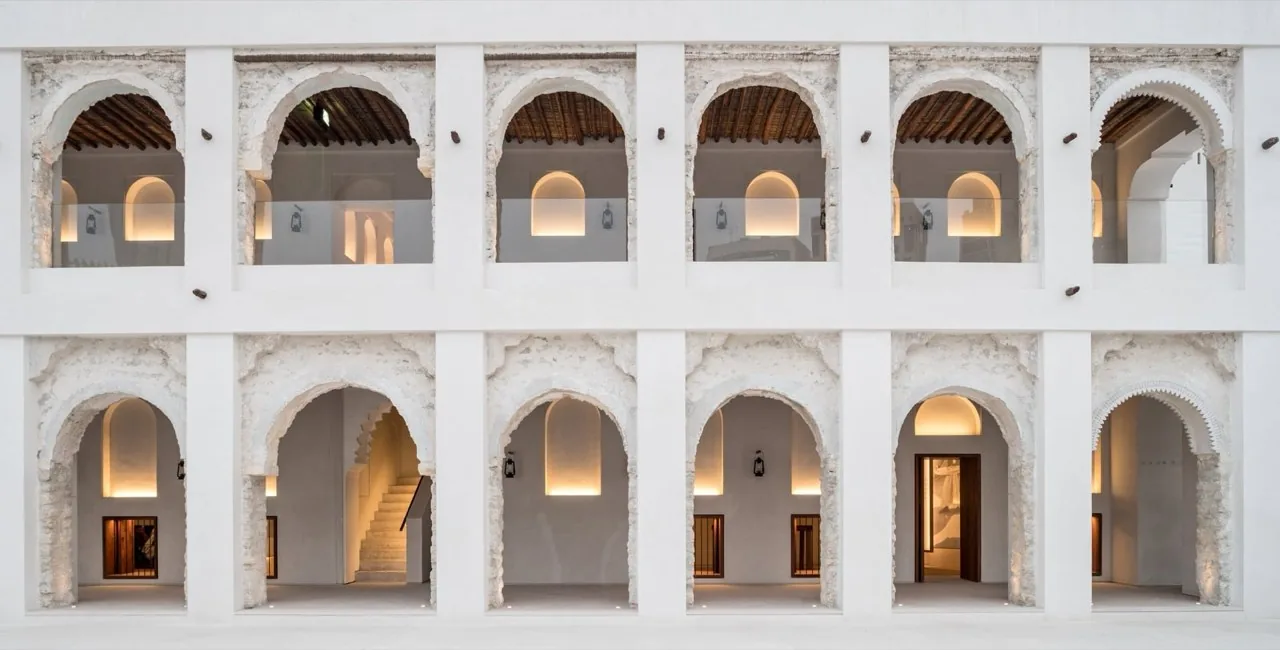
Al Hosn Historic Complex showcases Abu Dhabi's heritage through its fort, craft spaces and cultural programmes. The House of Artisans hosts demonstrations and classes involving traditional materials and techniques.
The aquarium reproduces local marine environments: coral reefs, rocky pools, lagoons and mangroves. An indoor route allows you to view the animals of the UAE coast and get to know their habitats.
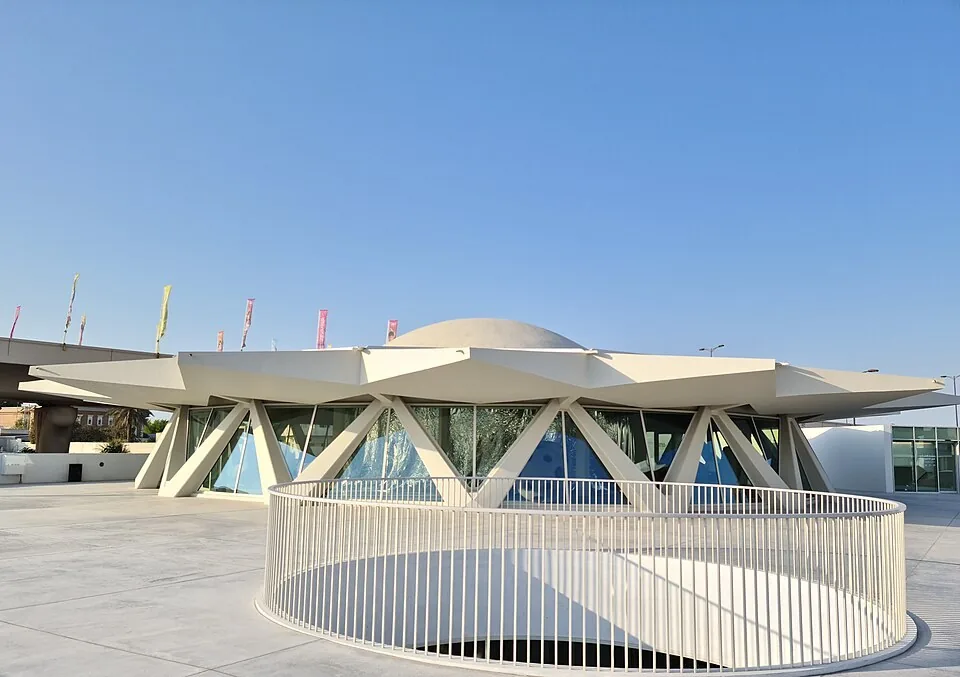
The 1970s building with a circular dome has been restored as a cultural space for the Sharjah Art Foundation. Exhibitions and public programs are complemented by an art library, green courtyard, and public spaces.
The museum reveals the history of the local people from the Stone Age to the Islamic era. Ceramics, jewelry and weapons from the excavations are complemented by a children's interactive area and educational materials.
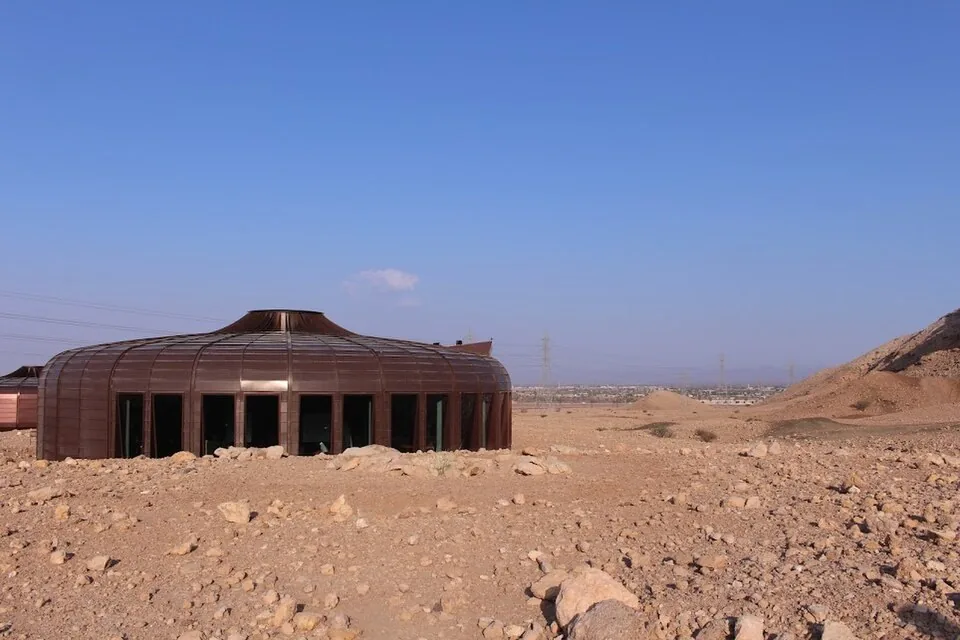
Five connected exhibition pavilions resemble fossils found in the region. Interactive exhibits and an outdoor trail explain the origins of Sharjah's mountains, dunes and ancient seascape.
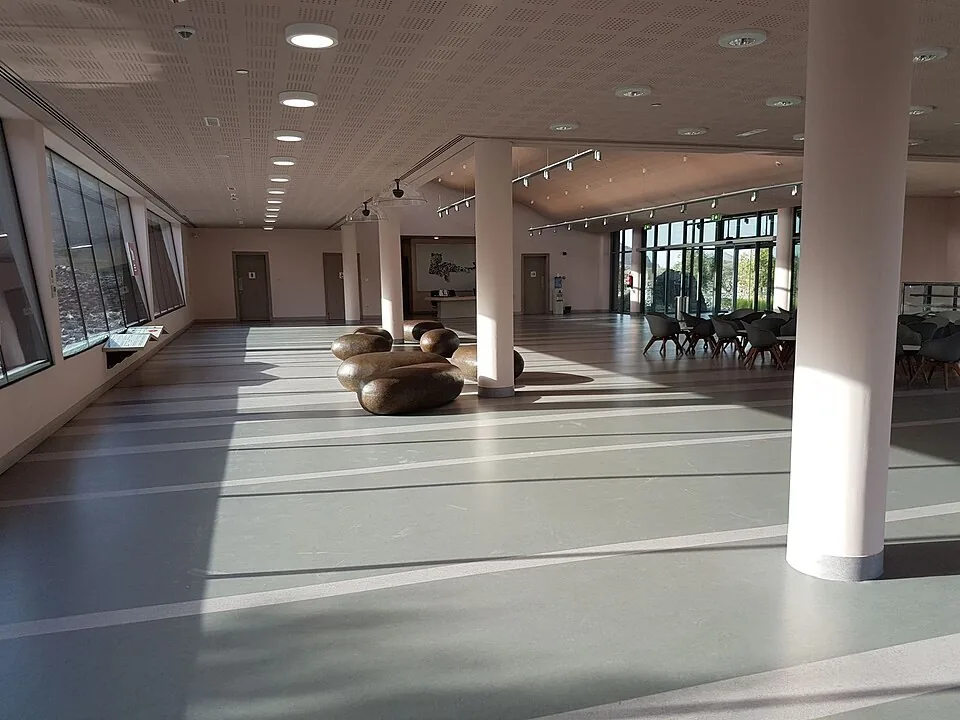
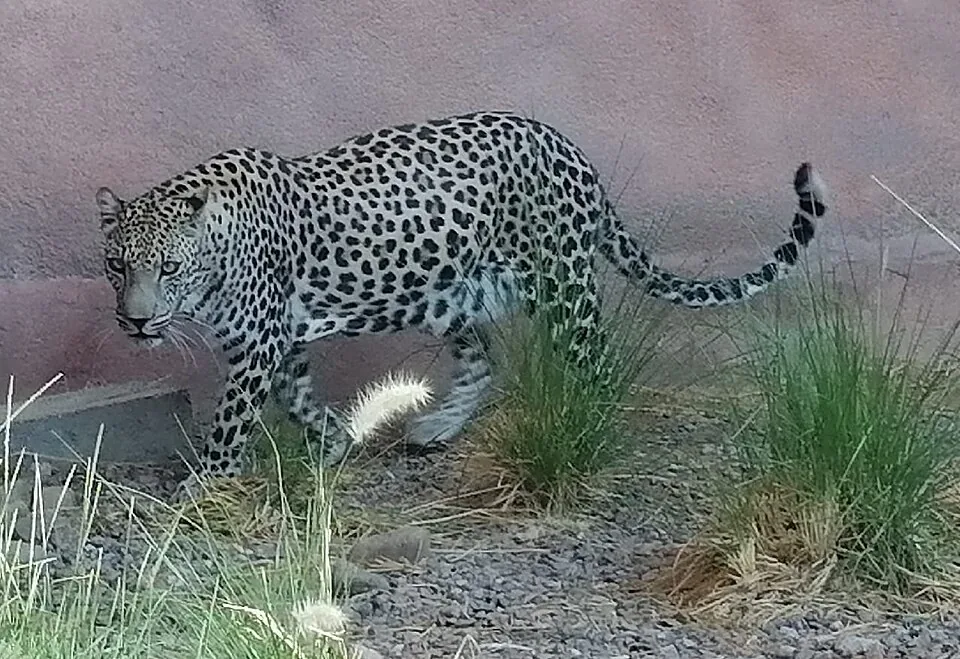
The Hajar Mountains Center is dedicated to animals of mountain and desert habitats. Large enclosures for Arabian leopard, wolf and caracal complement indoor reptile and small animal exhibits.
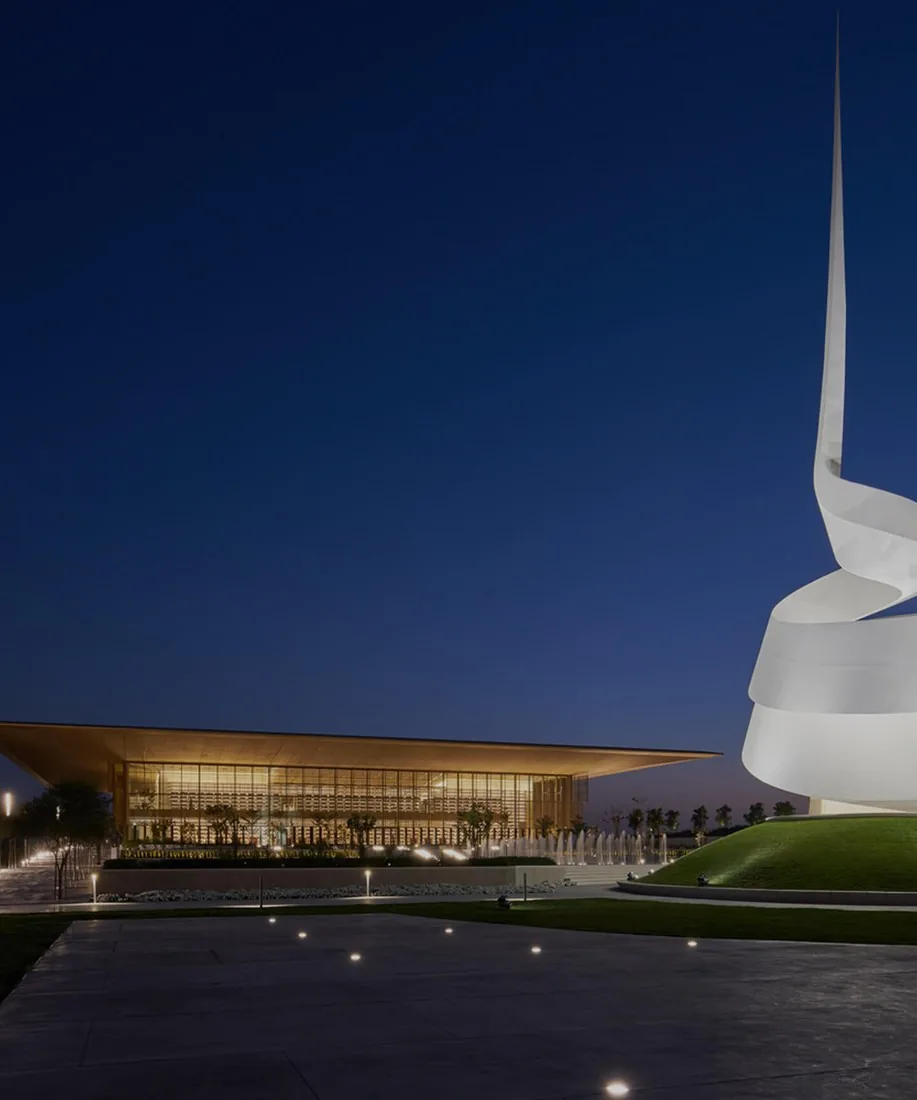
A modern library and cultural center reimagines the public space for reading and learning. The building, with a large shading roof, is surrounded by gardens and features The Scroll sculpture nearby.
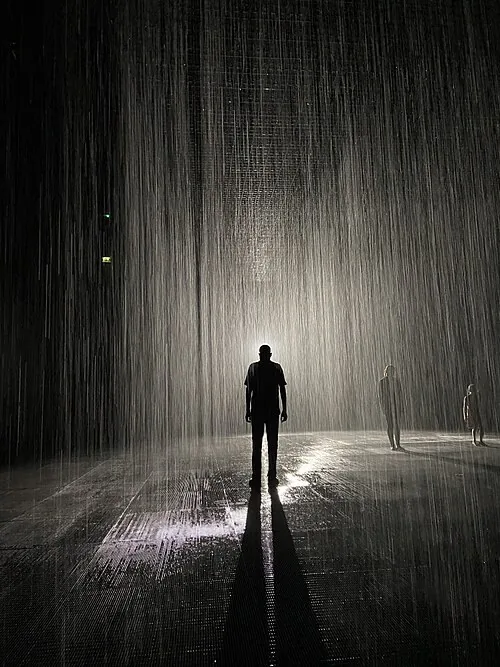
In Random International's installation, a visitor walks through artificial rain while sensors stop the water around the movement. The piece uses circulating water and is in the permanent collection of the Sharjah Art Foundation.
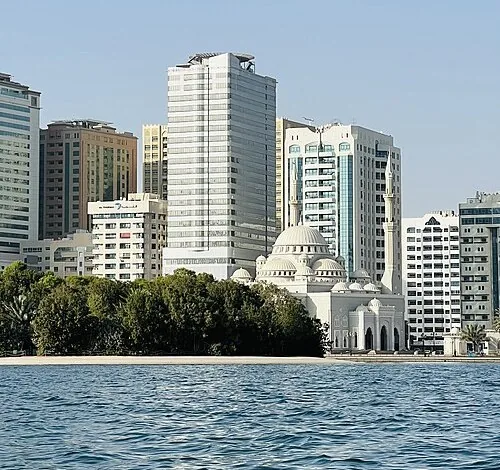
The mosque on the shores of the Khalid Lagoon is recognizable by its cascade of domes and two Ottoman-style minarets. Cultural excursions introduce the architecture, Islamic culture and heritage of the emirate.
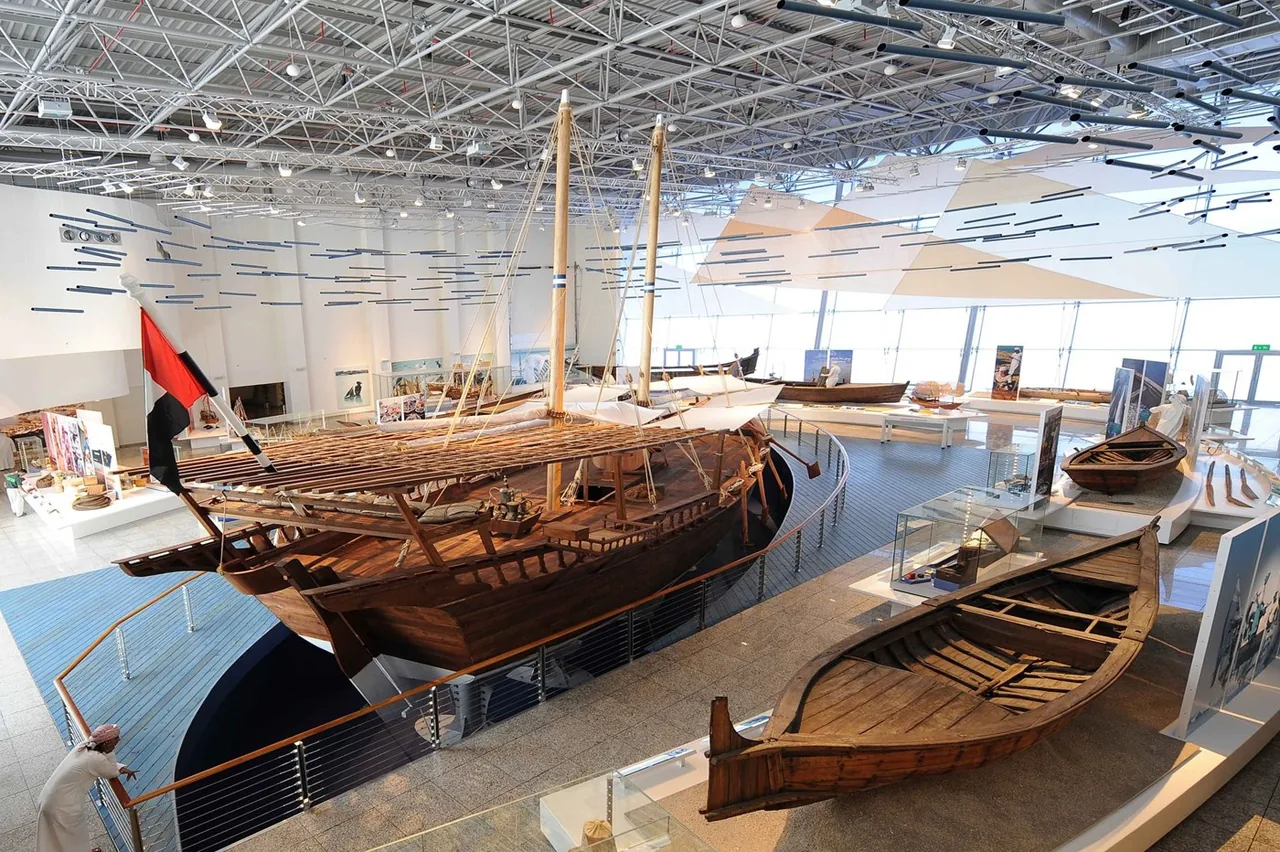
The museum shows how the sea shaped the development of Sharjah's coastal settlements. The exhibit focuses on pearling, fishing and trading, including a full-size pearling boat.
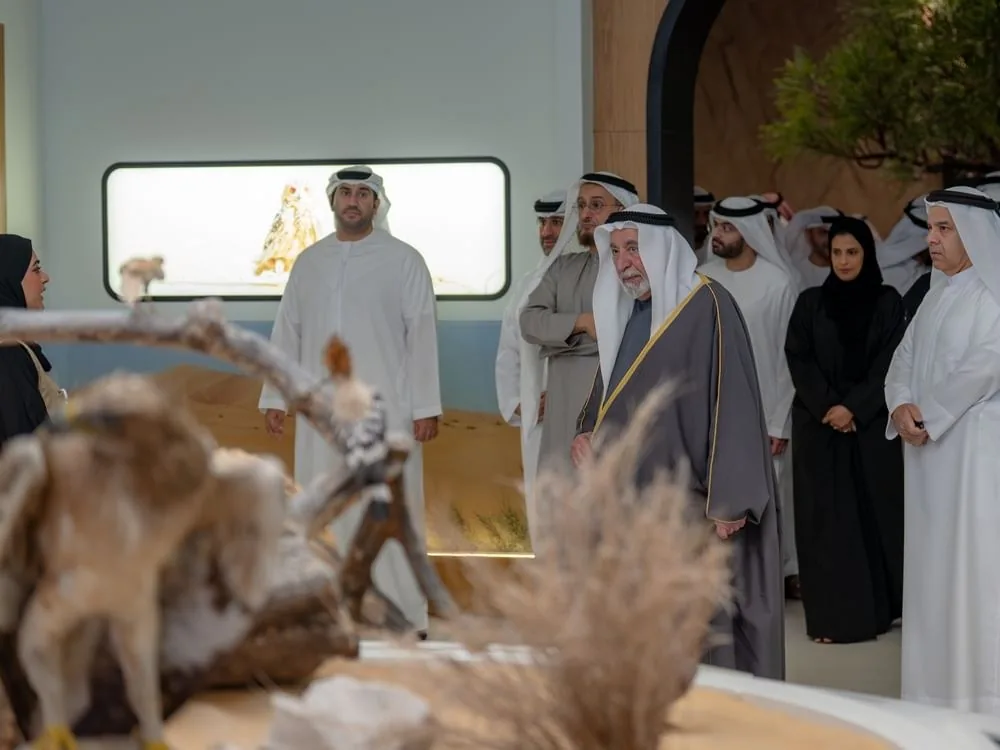
Museum opening on February 7, 2026. Photo source: WAM.
The interactive museum introduces the ecosystems of the Arabian Desert and the adaptations of its animals and plants. Educational models and digital exhibits are complemented by a separate children's room for hands-on activities.
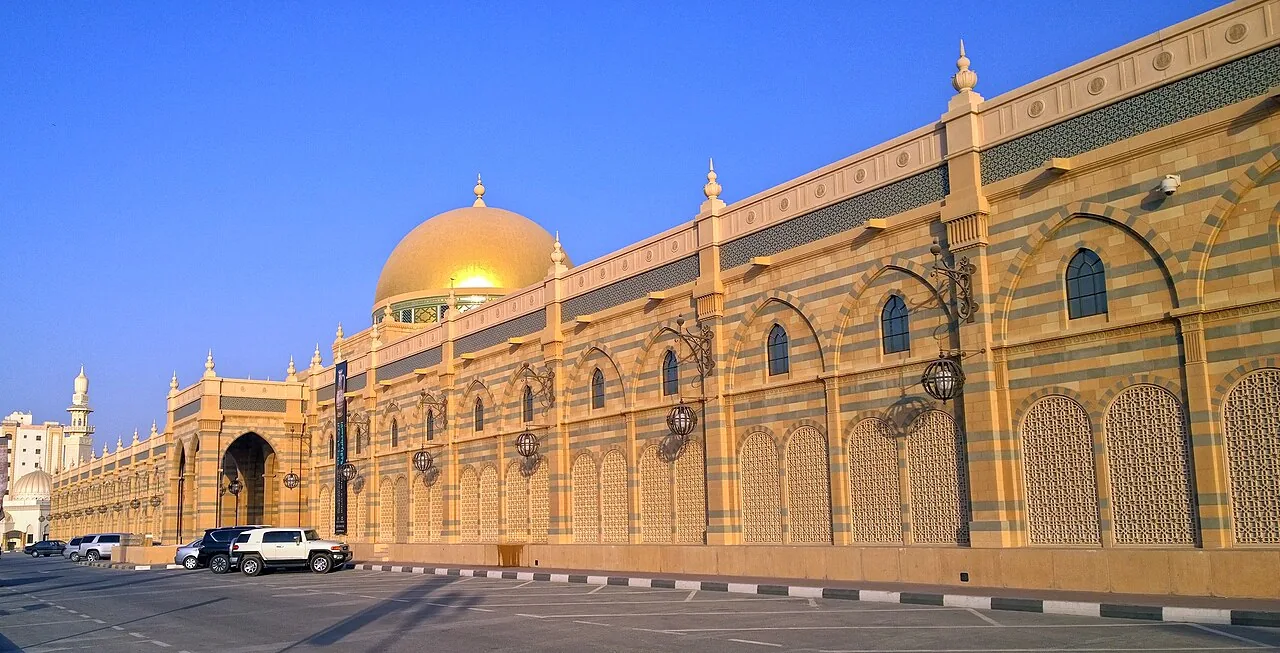
The museum's seven galleries explore the Islamic faith, scientific discoveries and artistic crafts. Exhibits include astrolabes, manuscripts, ceramics and coins, and the dome is decorated with a mosaic of constellations.
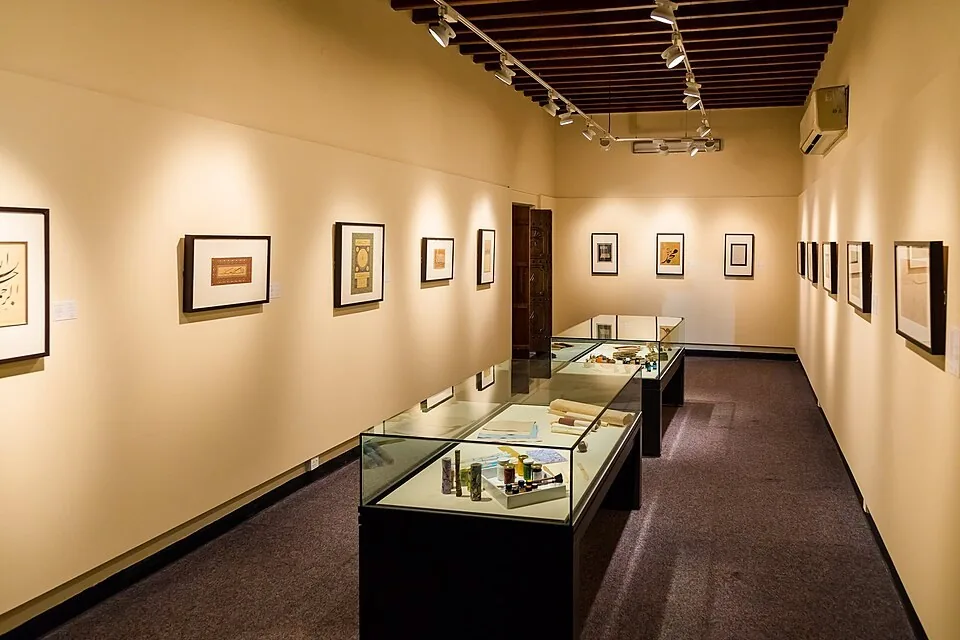
The museum in the historic house is dedicated to Arabic calligraphy and its development from the early Kufic script. Works on paper, wood, ceramics and canvas show the variety of materials of this art.
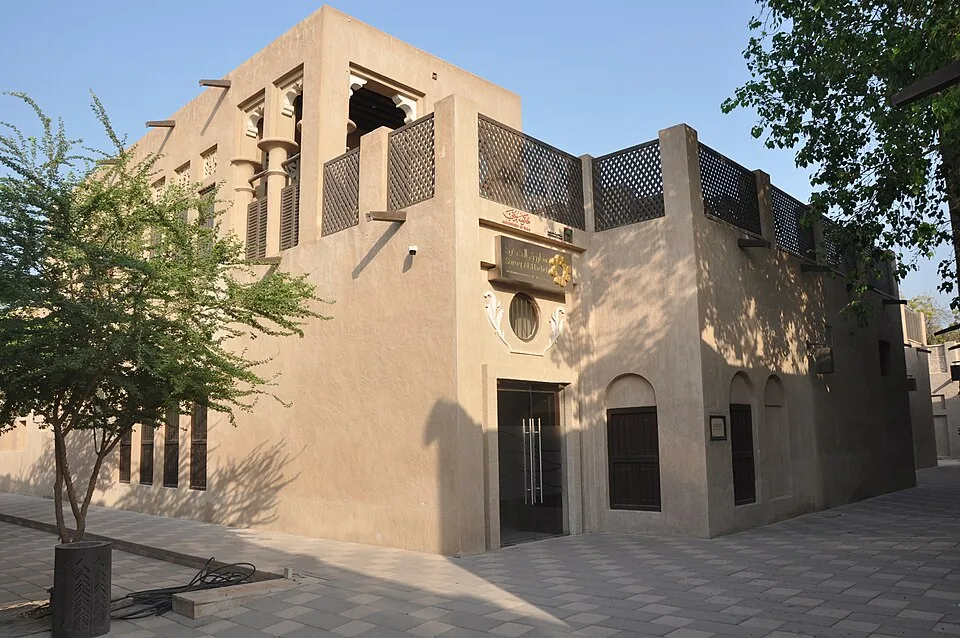
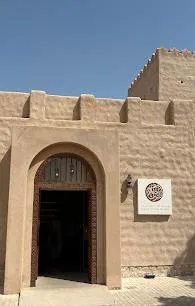
Six galleries in the restored pearl merchant's home reveal the traditional way of life of the emirate. Exhibits focus on the landscape, festivals, activities, knowledge and oral heritage of the local people.
The complex combines the center of the Arabian fauna, natural science exhibitions and botanical spaces. The children's farm complements the introduction to rare animals and nature of the Arabian Peninsula.
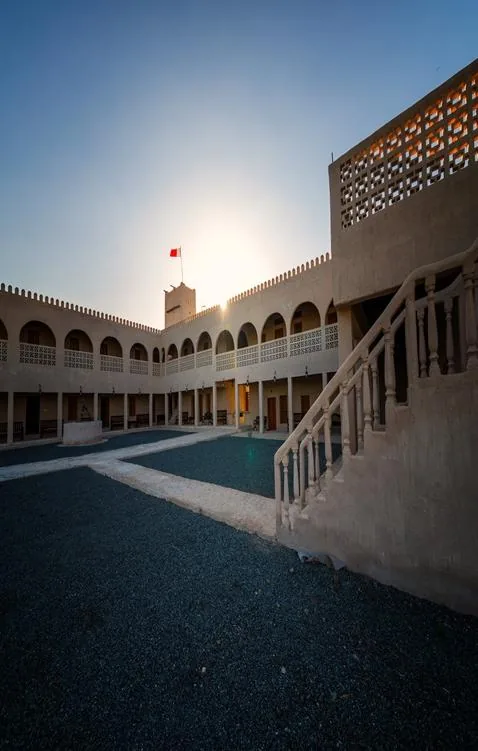
The museum occupies a historical fortified complex in the old town. Archaeological and ethnographic galleries complement the stories of Julfar, trade, weapons and traditional date syrup making.
The museum in the restored fort provides an insight into life in Ajman before the modern urban era. Archaeological finds, manuscripts and ship models add to the tales of the pearl trade and traditional irrigation.
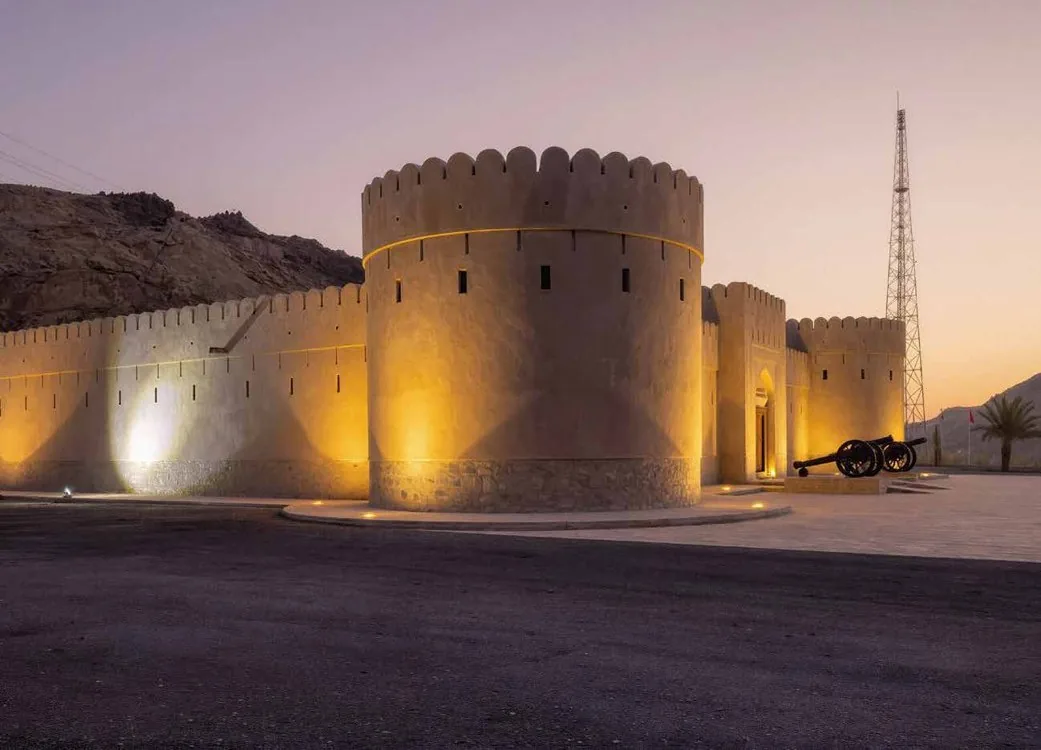
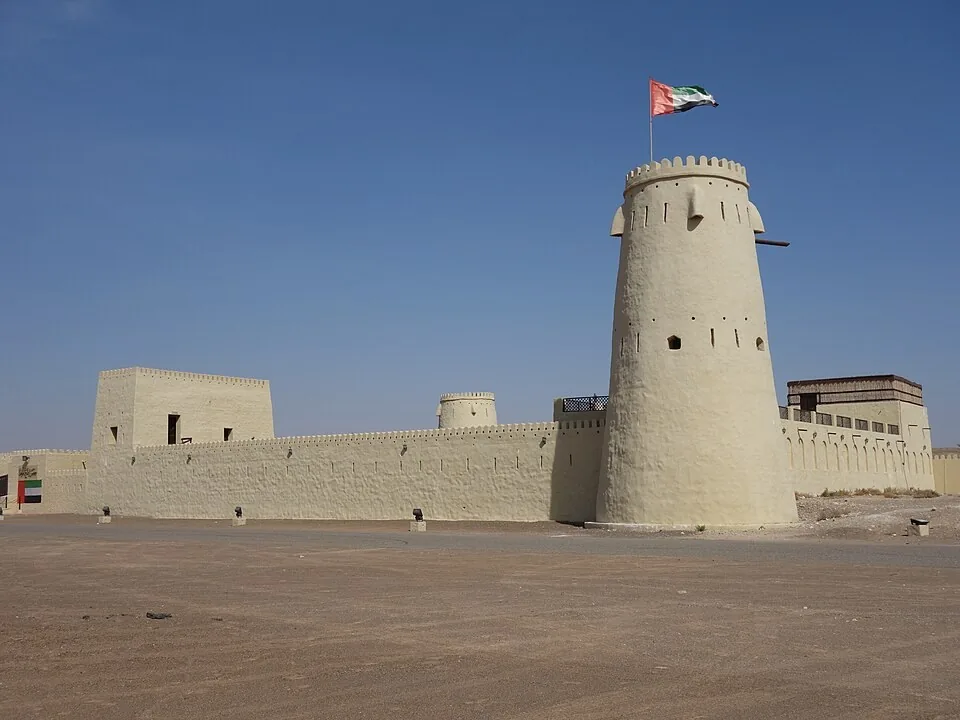
A small museum occupies a fort in the Manama enclave in the foothills of the Hajar Mountains. The collections of weapons, jewelry and handicrafts are complemented by the structure itself with a watchtower and a well.
The museum tells the story of Masfout and its inhabitants from prehistoric periods to the formation of the UAE. Archaeological and cultural materials introduce life in the mountainous part of the emirate.
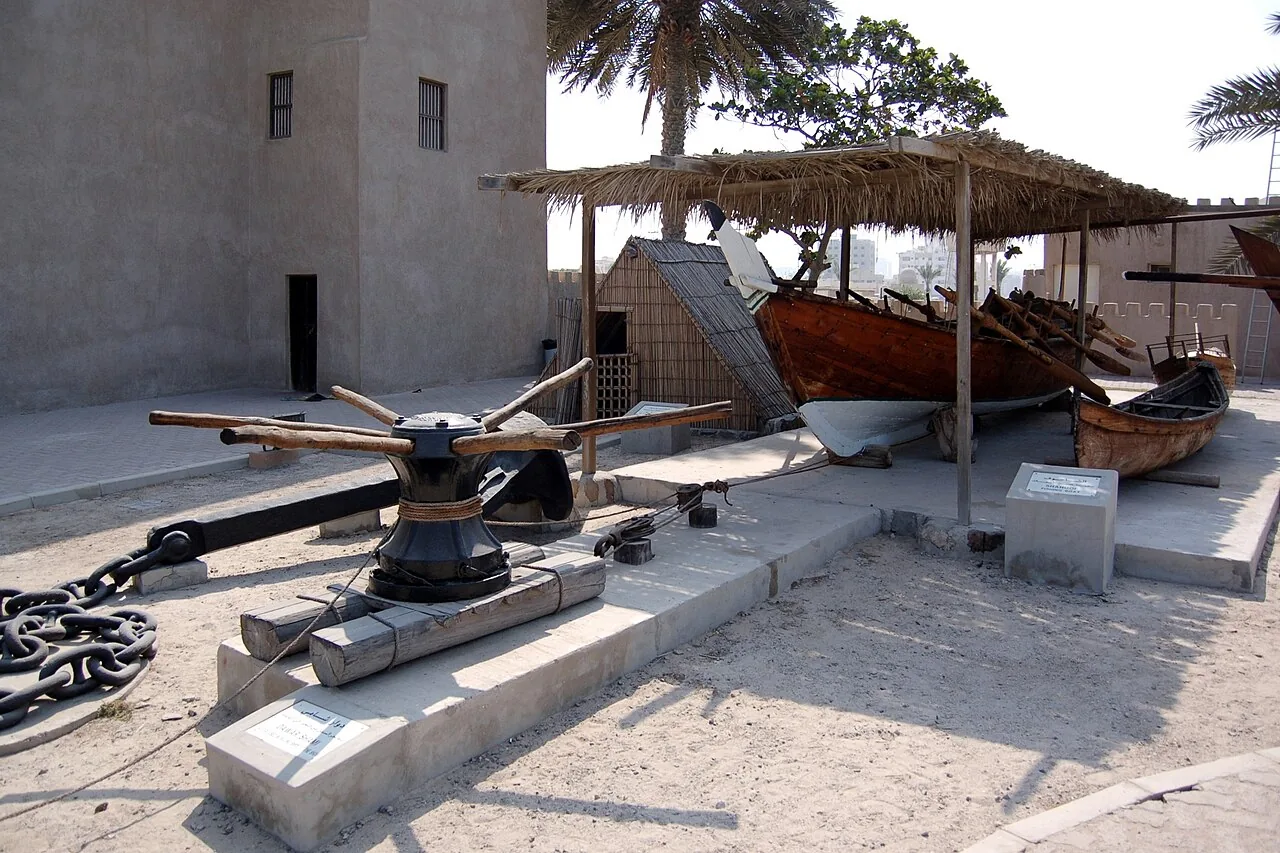
The museum in the historic fort highlights the crafts, maritime activities and daily life of the emirate. The exhibition includes models of ships, pearl miners' tools and materials on the production of date syrup.
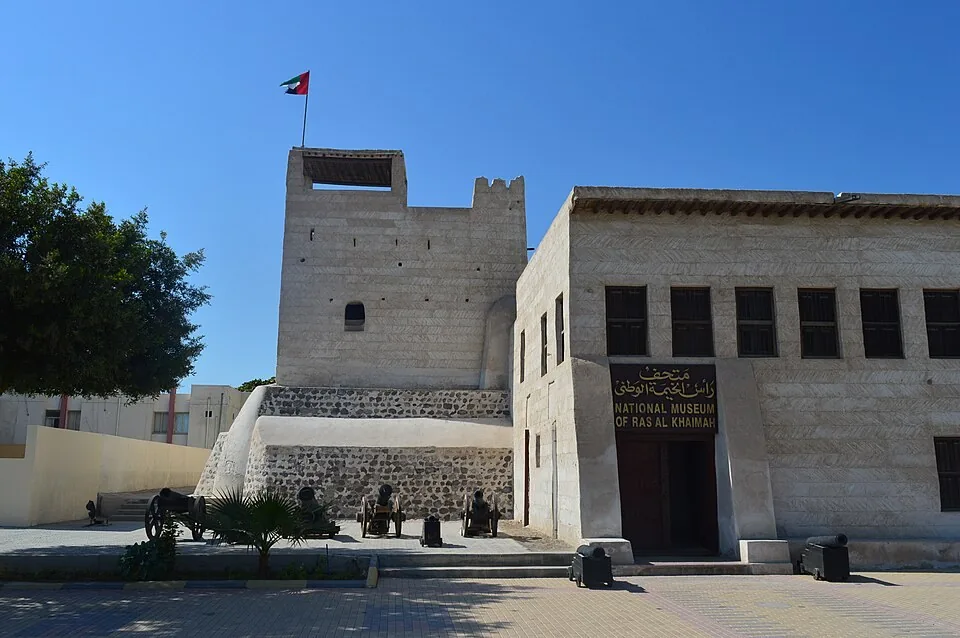
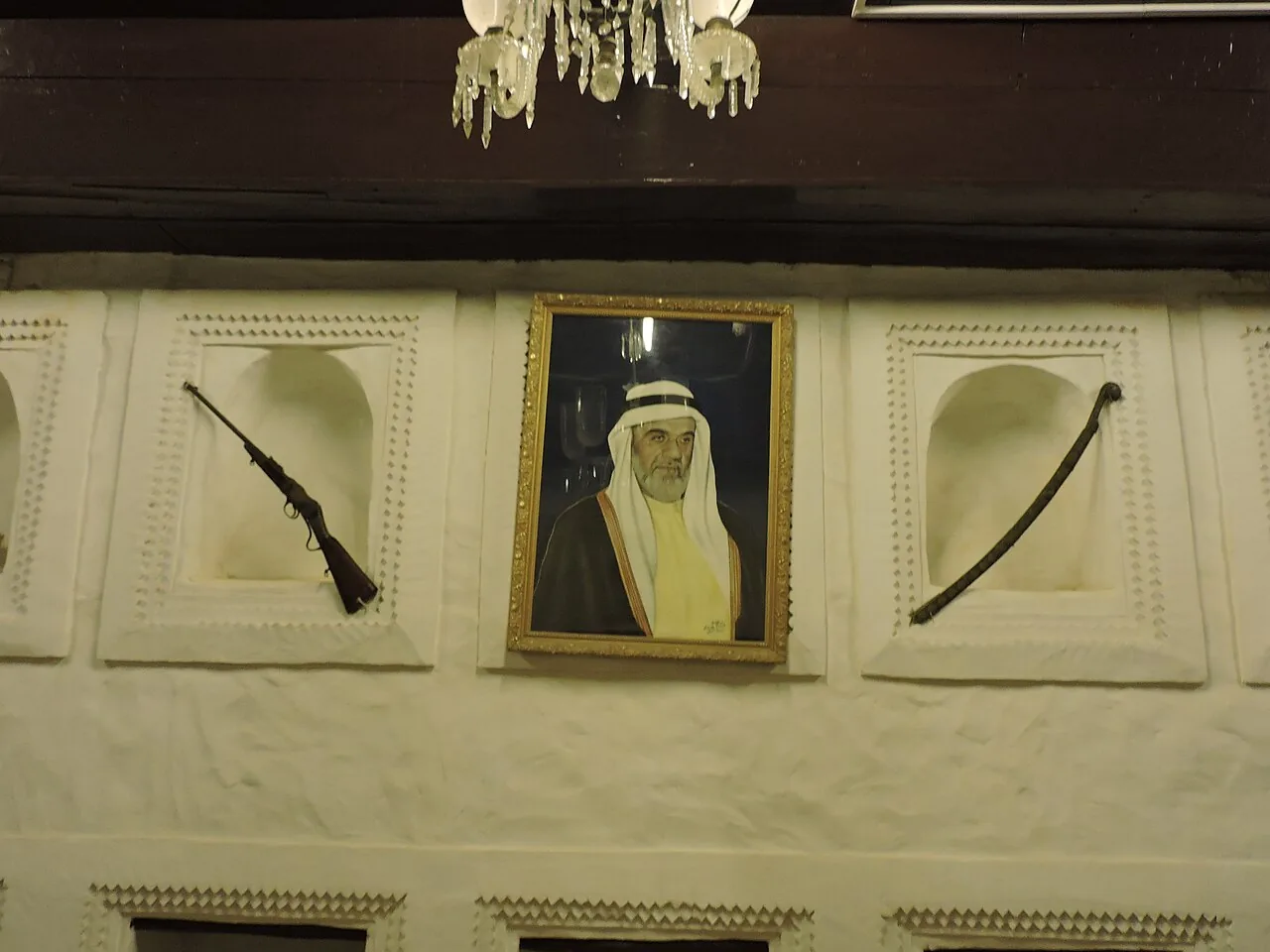
The museum is located in the fort, which served as the residence of the ruling family and the center of government. Historical objects and themed rooms introduce the traditions and past of the emirate.