Sharjah Aquarium
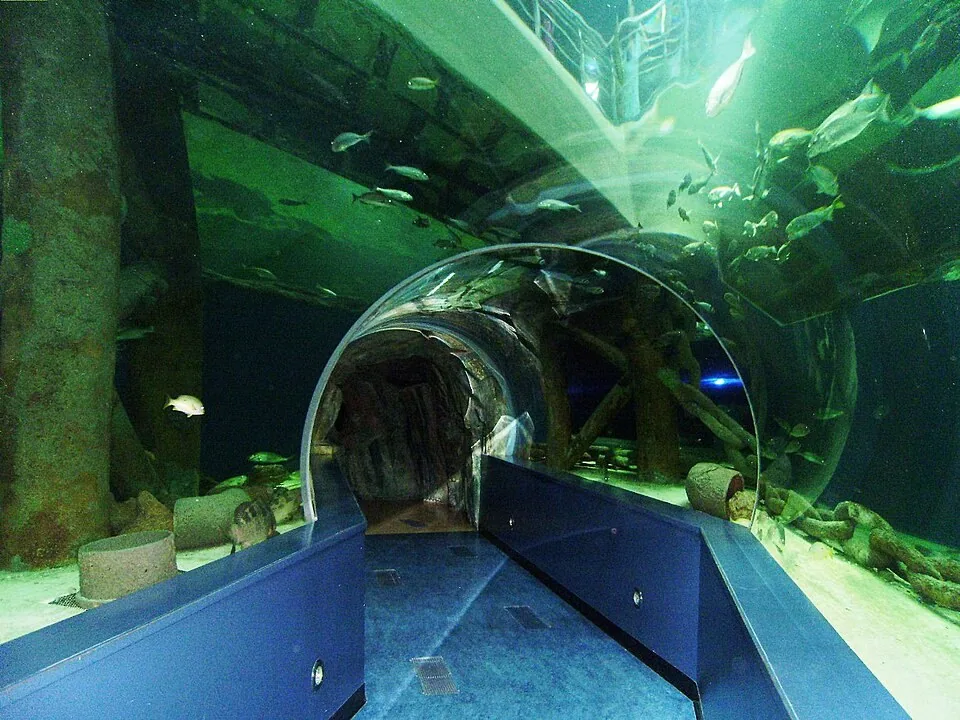
The aquarium reproduces local marine environments: coral reefs, rocky pools, lagoons and mangroves. An indoor route allows you to view the animals of the UAE coast and get to know their habitats.
Museums, historical quarters, waterfronts and natural spaces of Sharjah. Combine places in the same area and check visiting hours before going.
The aquarium reproduces local marine environments: coral reefs, rocky pools, lagoons and mangroves. An indoor route allows you to view the animals of the UAE coast and get to know their habitats.
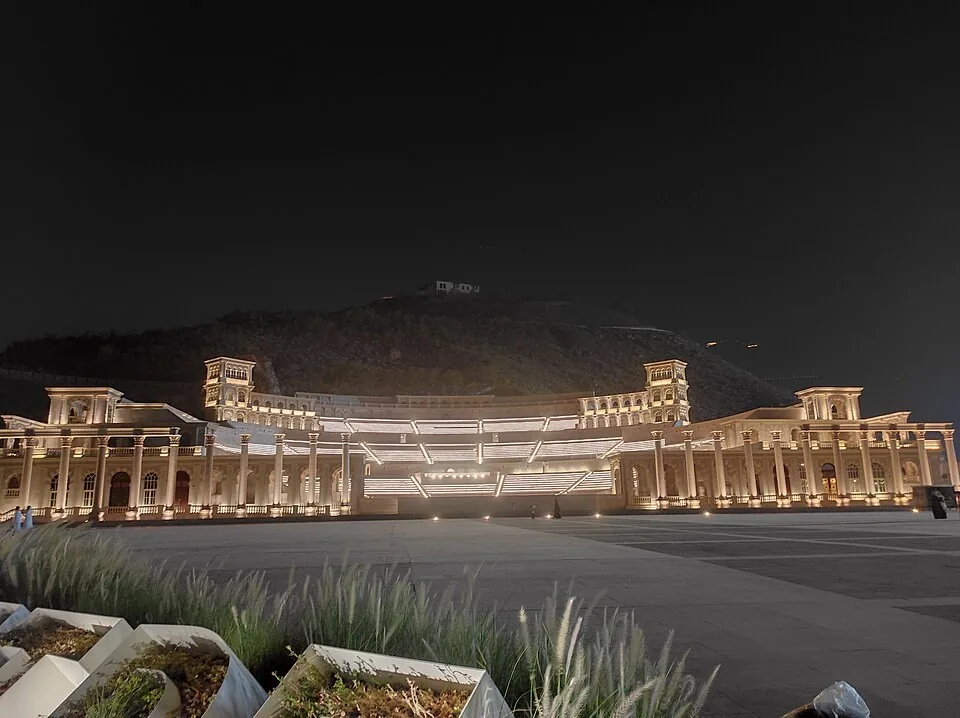
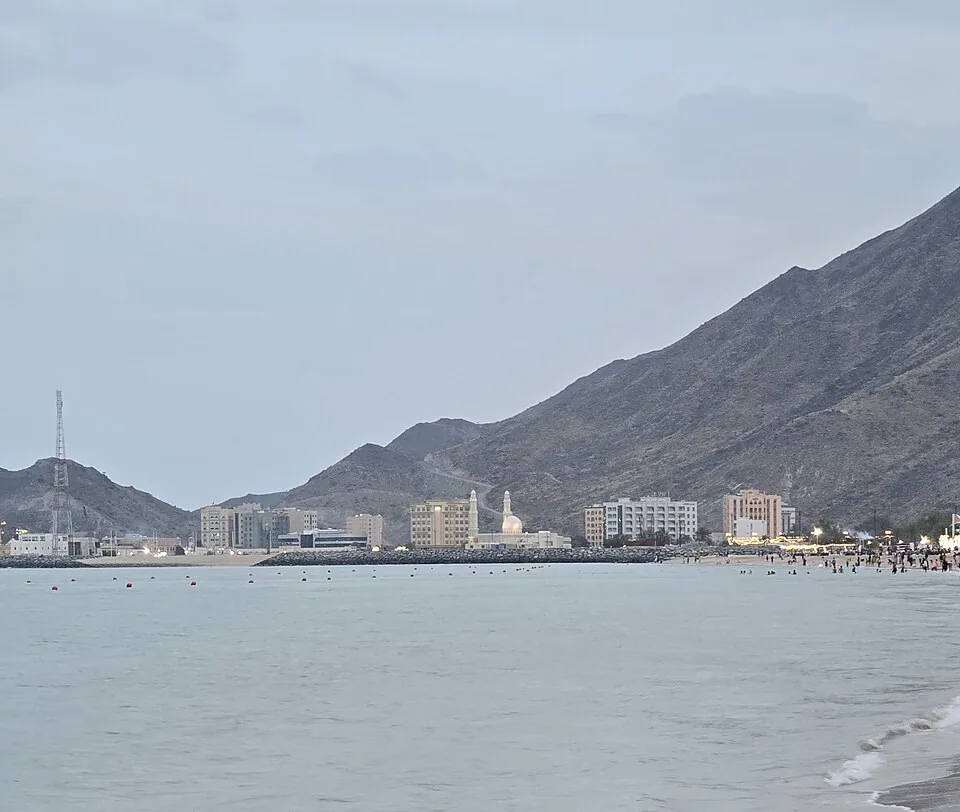
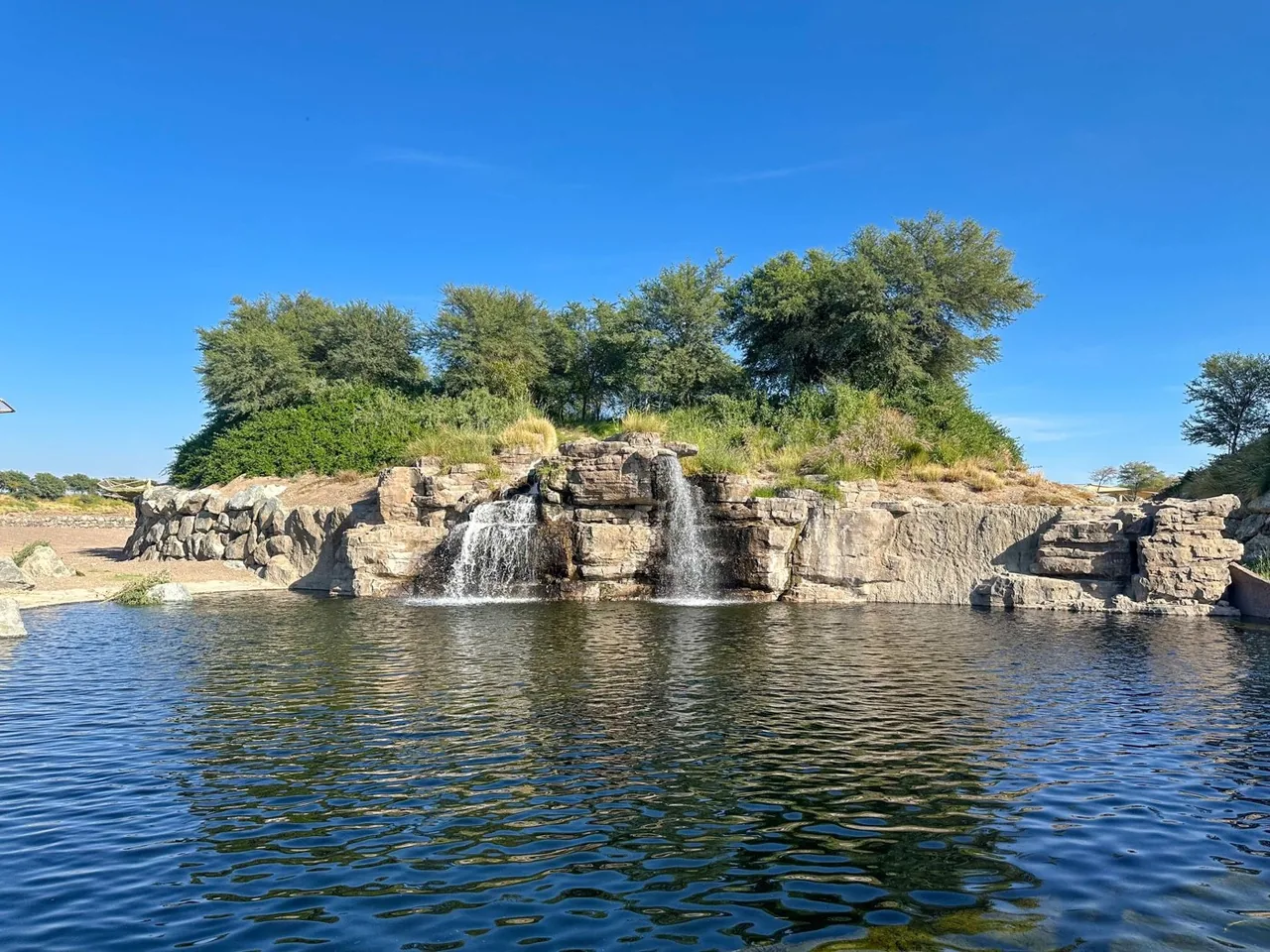
The amphitheater features Roman architecture and faces Khorfakkan Bay. An artificial waterfall cascades down the rock nearby, and the evening illumination changes the appearance of the entire complex.
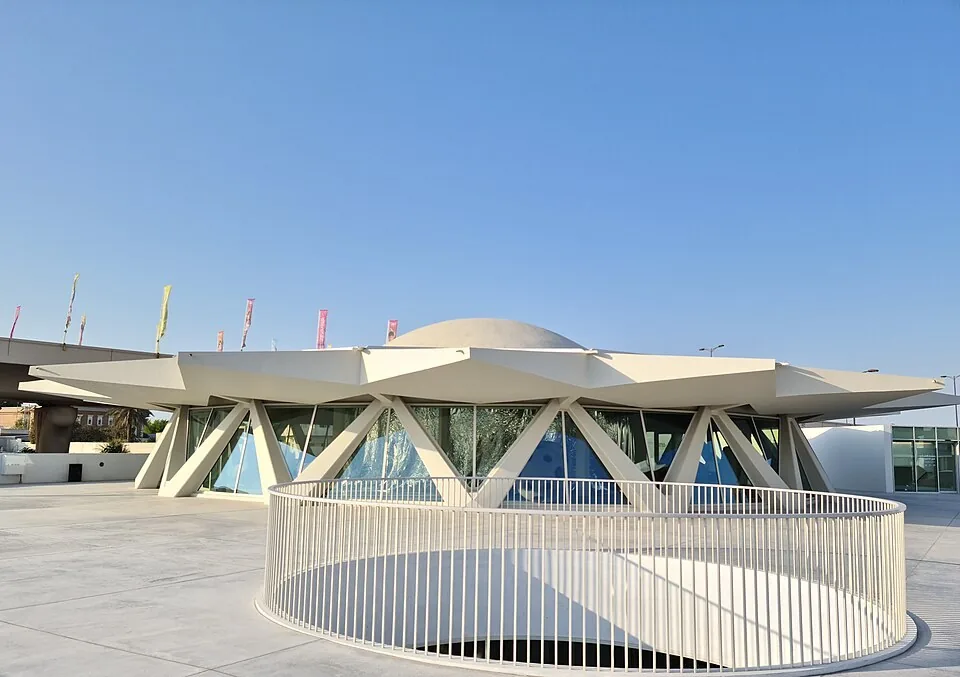
The 1970s building with a circular dome has been restored as a cultural space for the Sharjah Art Foundation. Exhibitions and public programs are complemented by an art library, green courtyard, and public spaces.
The museum reveals the history of the local people from the Stone Age to the Islamic era. Ceramics, jewelry and weapons from the excavations are complemented by a children's interactive area and educational materials.
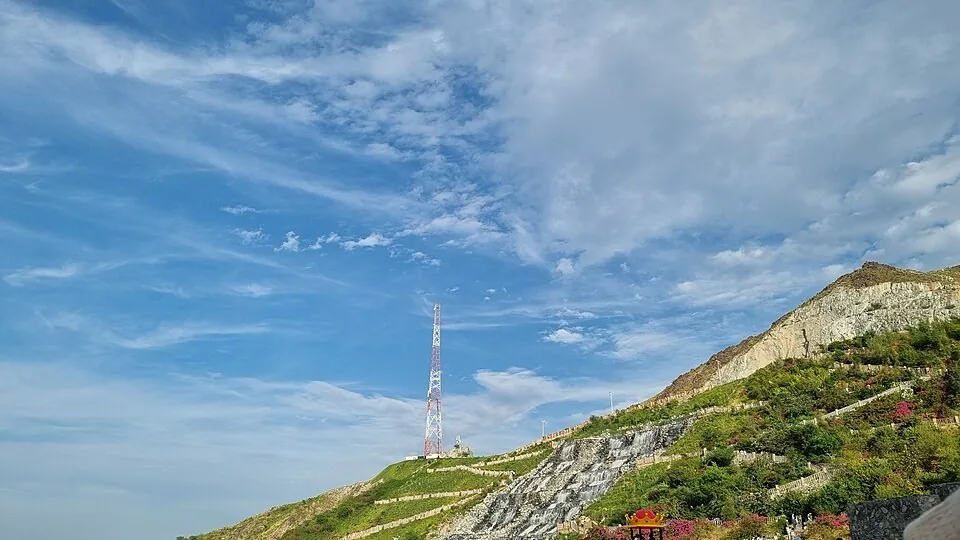
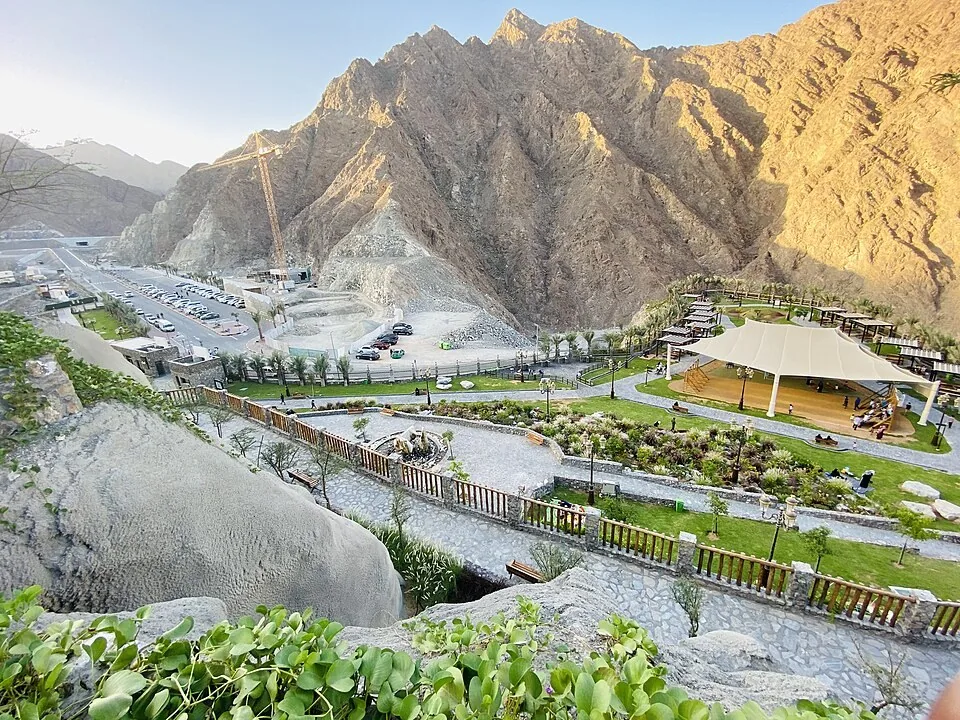
Terraced gardens on a mountainside combine green spaces and a multi-level artificial waterfall. Walking routes, children's areas and observation decks with restaurants are provided for visitors.
The reservoir among the Hajar Mountains combines walking views and relaxation by the water. The visitor complex includes children's areas, a restaurant overlooking the lake and a walking path to the old plantations.
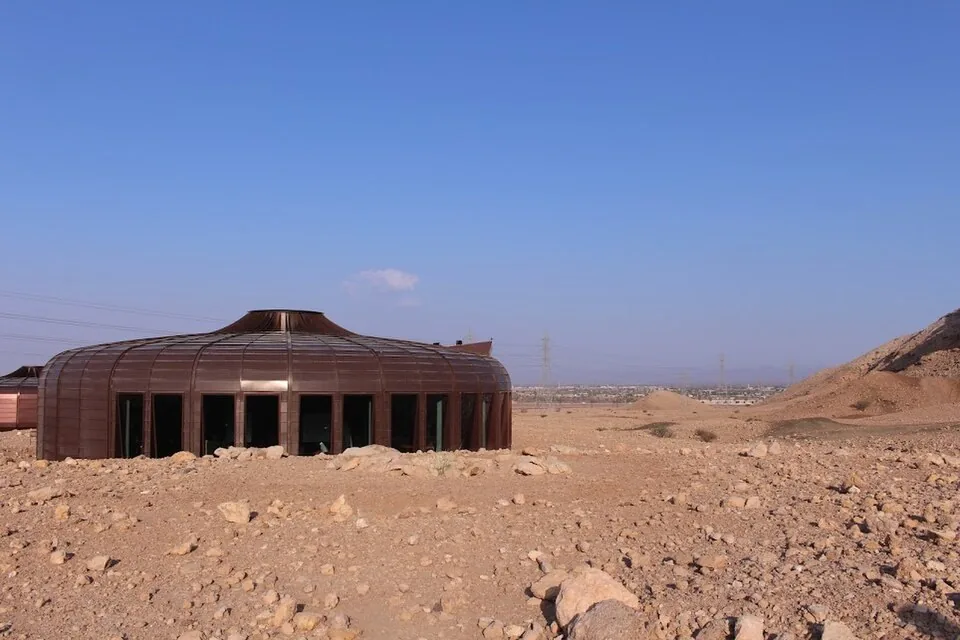
Five connected exhibition pavilions resemble fossils found in the region. Interactive exhibits and an outdoor trail explain the origins of Sharjah's mountains, dunes and ancient seascape.
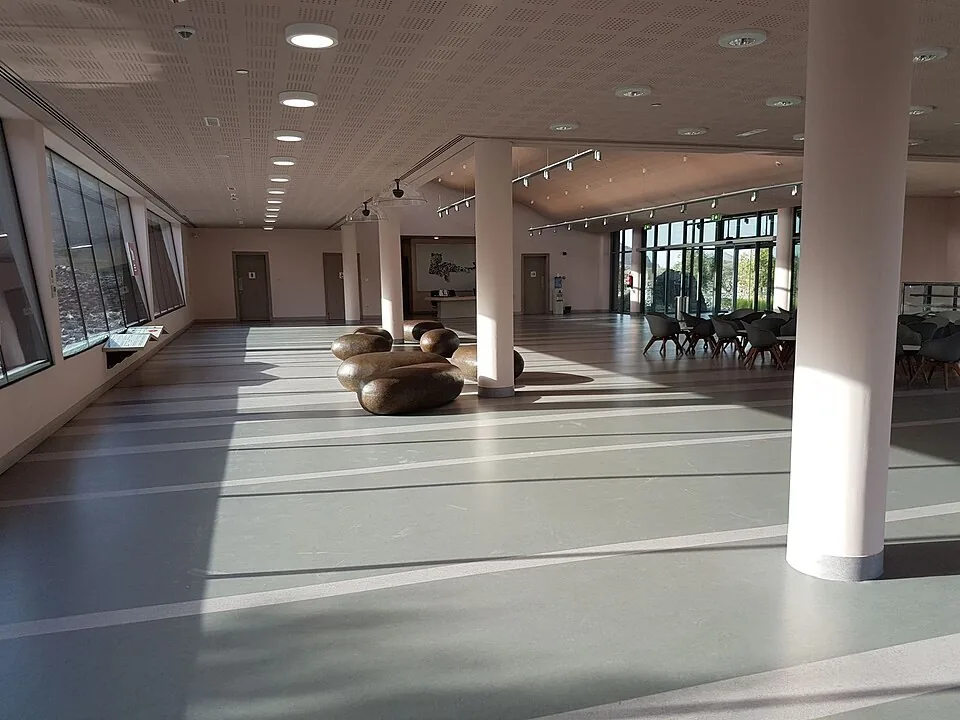
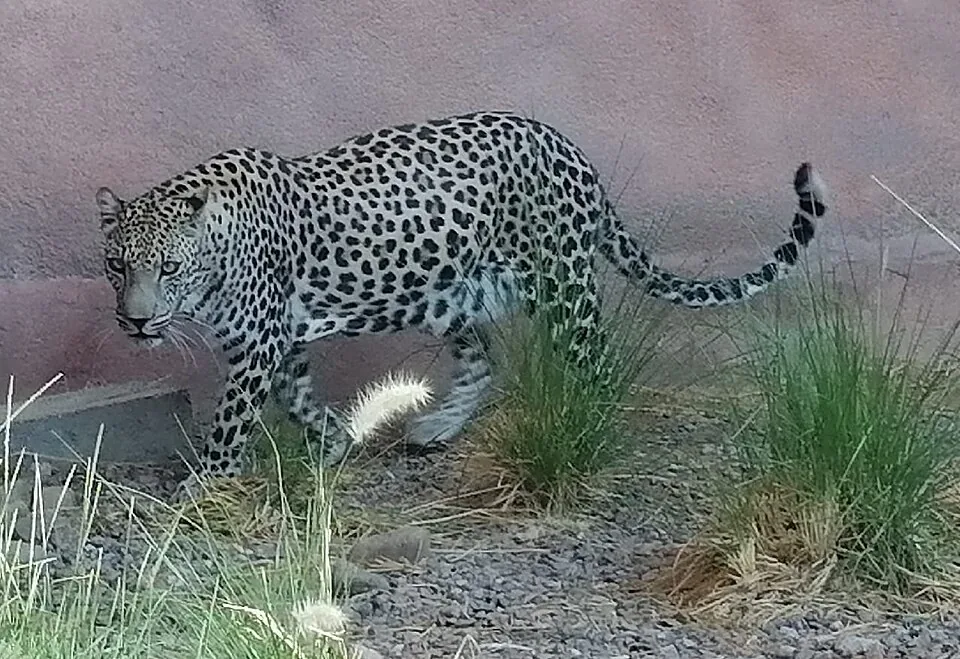
The Hajar Mountains Center is dedicated to animals of mountain and desert habitats. Large enclosures for Arabian leopard, wolf and caracal complement indoor reptile and small animal exhibits.
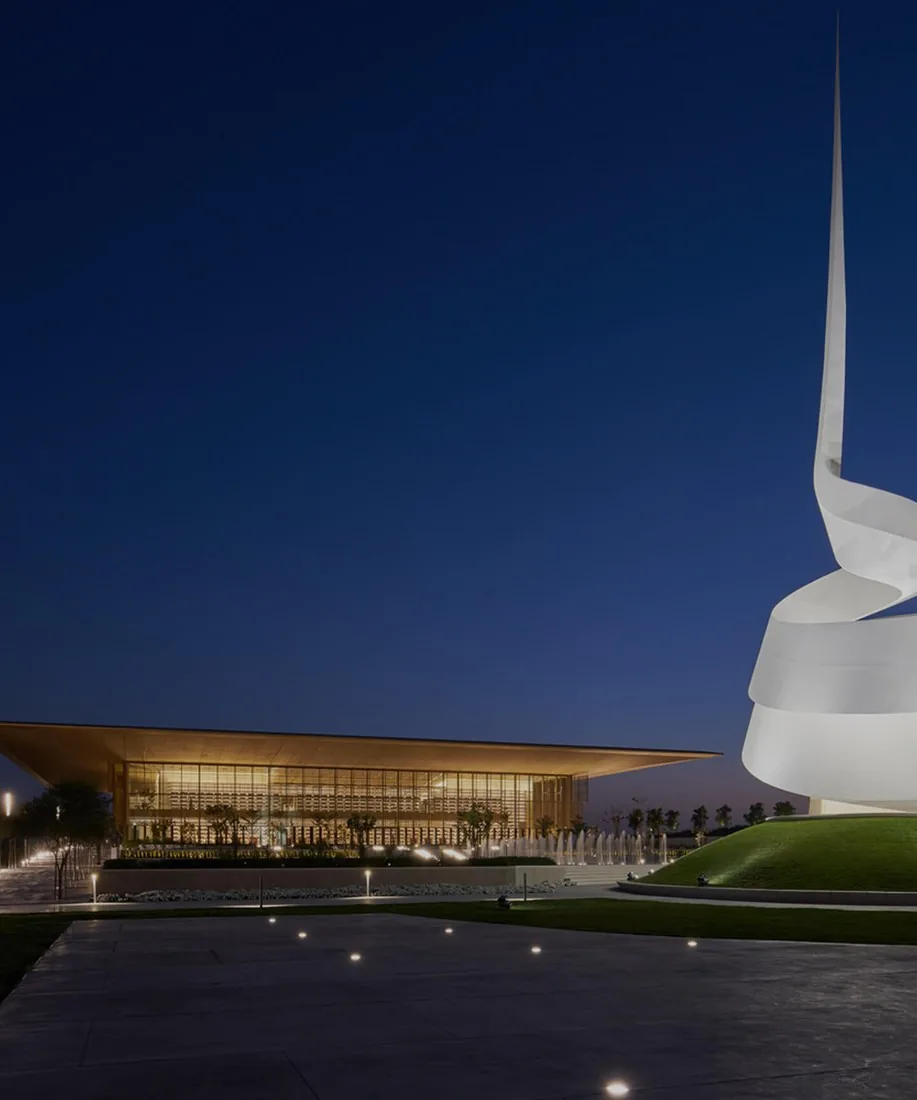
A modern library and cultural center reimagines the public space for reading and learning. The building, with a large shading roof, is surrounded by gardens and features The Scroll sculpture nearby.
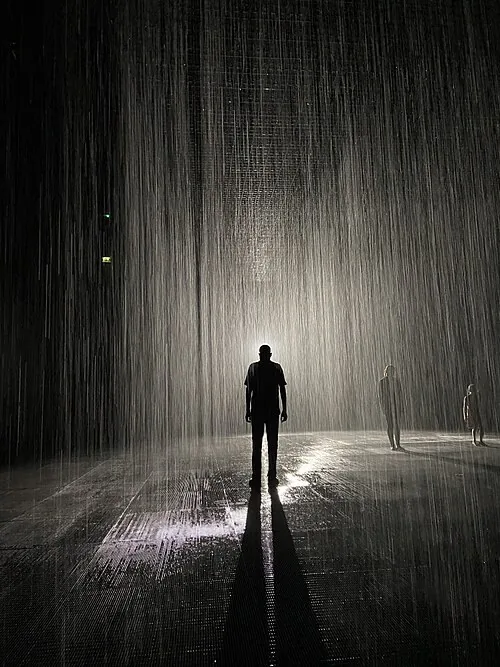
In Random International's installation, a visitor walks through artificial rain while sensors stop the water around the movement. The piece uses circulating water and is in the permanent collection of the Sharjah Art Foundation.
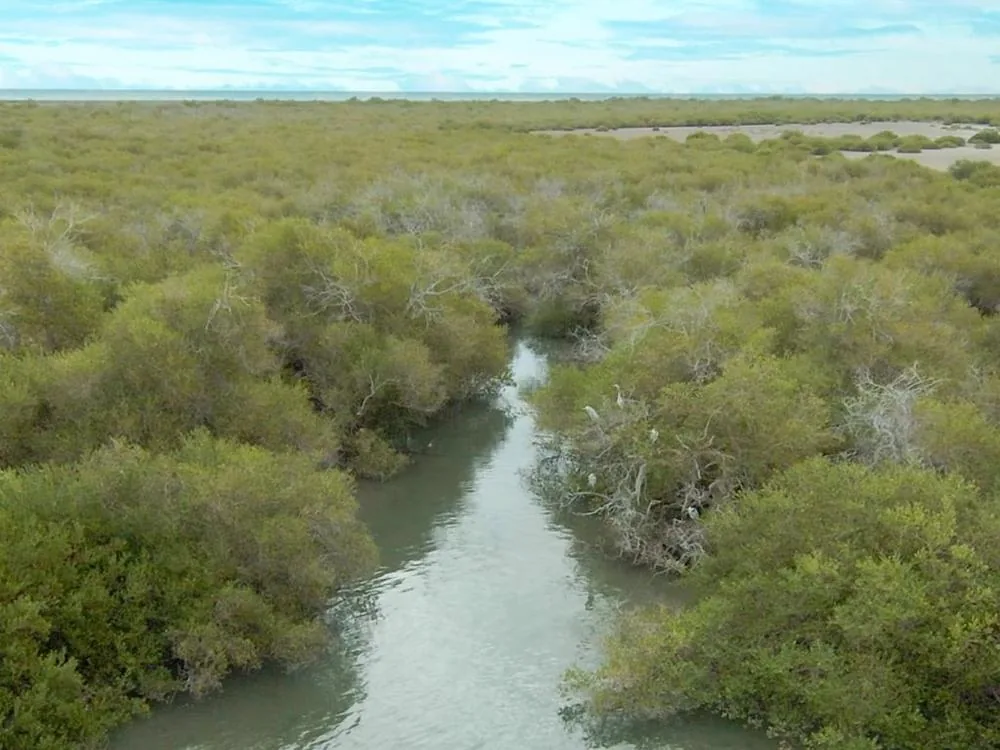
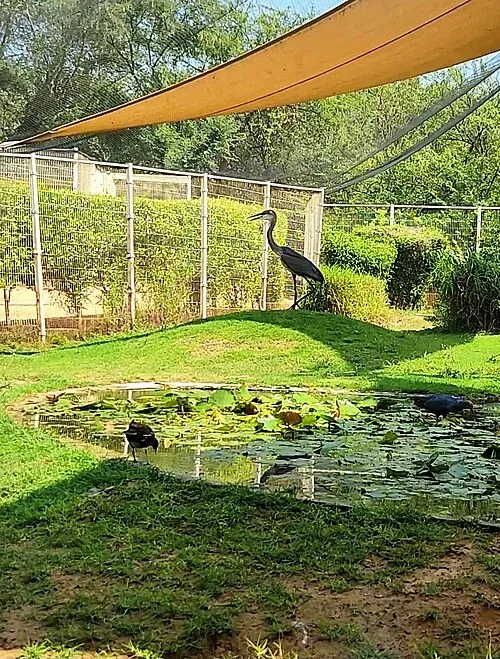
The environmental center is located among the old mangroves of the east coast. Indoor exhibits and an outdoor trail introduce shorebirds, crabs, turtles and the mangrove environment.
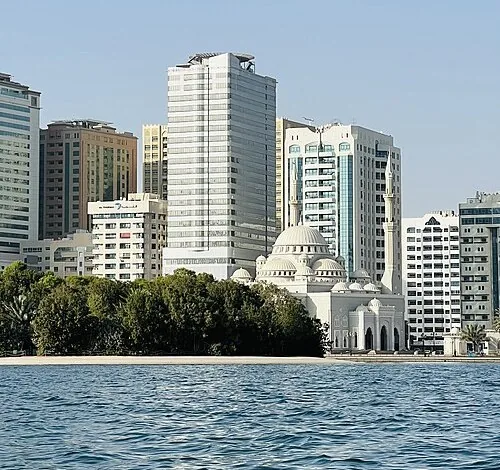
The mosque on the shores of the Khalid Lagoon is recognizable by its cascade of domes and two Ottoman-style minarets. Cultural excursions introduce the architecture, Islamic culture and heritage of the emirate.
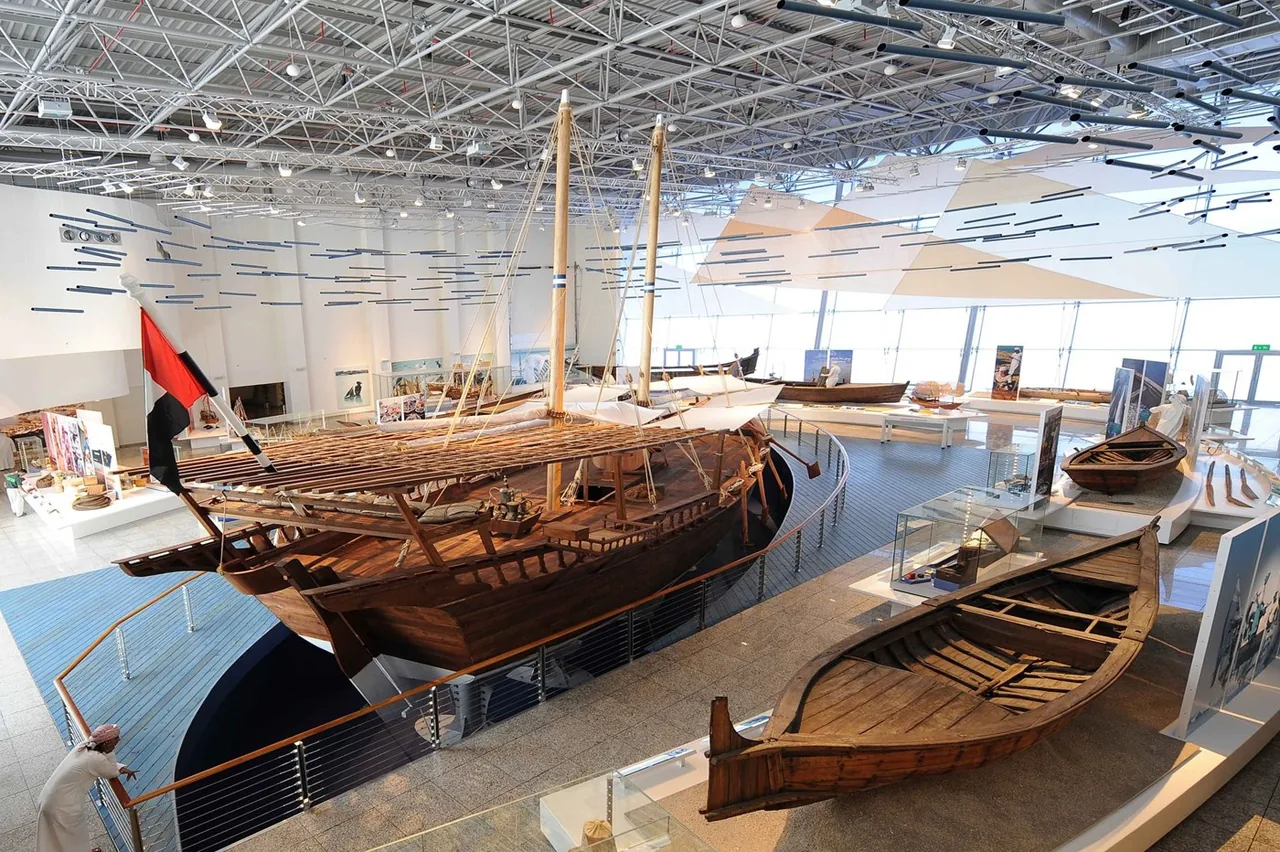
The museum shows how the sea shaped the development of Sharjah's coastal settlements. The exhibit focuses on pearling, fishing and trading, including a full-size pearling boat.
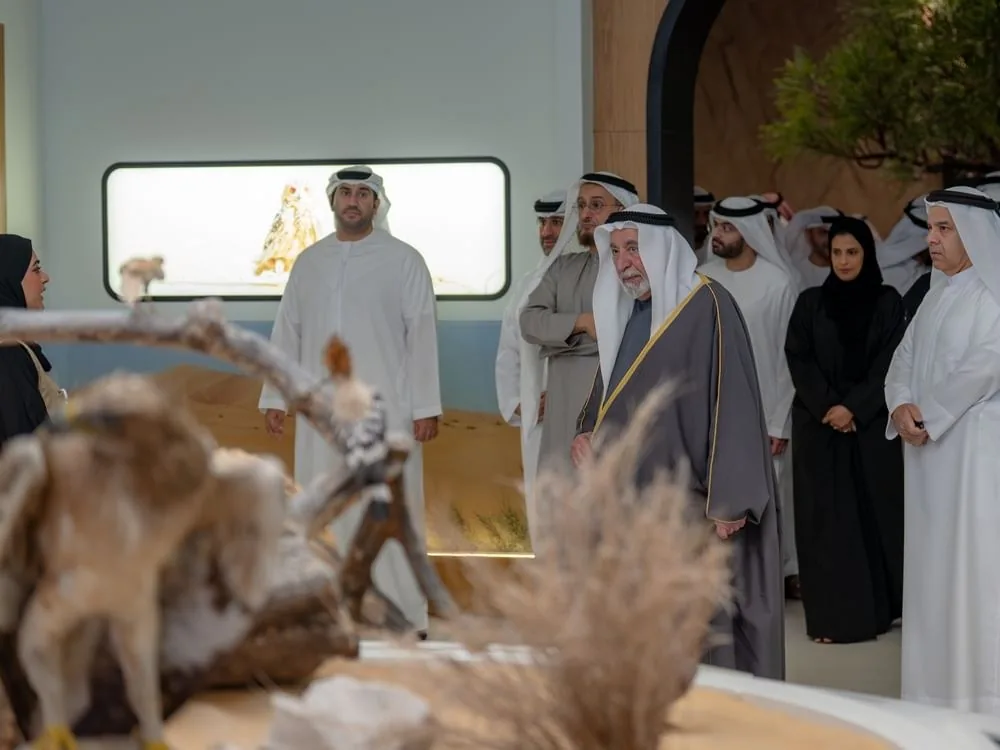
Museum opening on February 7, 2026. Photo source: WAM.
The interactive museum introduces the ecosystems of the Arabian Desert and the adaptations of its animals and plants. Educational models and digital exhibits are complemented by a separate children's room for hands-on activities.
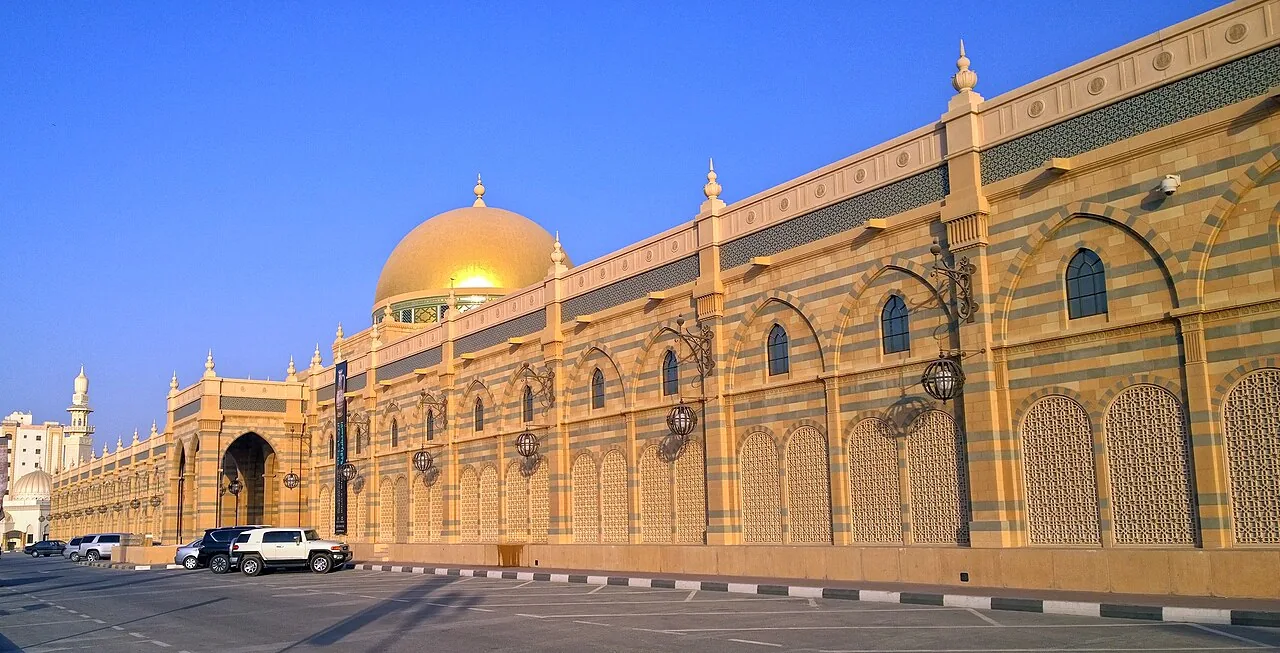
The museum's seven galleries explore the Islamic faith, scientific discoveries and artistic crafts. Exhibits include astrolabes, manuscripts, ceramics and coins, and the dome is decorated with a mosaic of constellations.
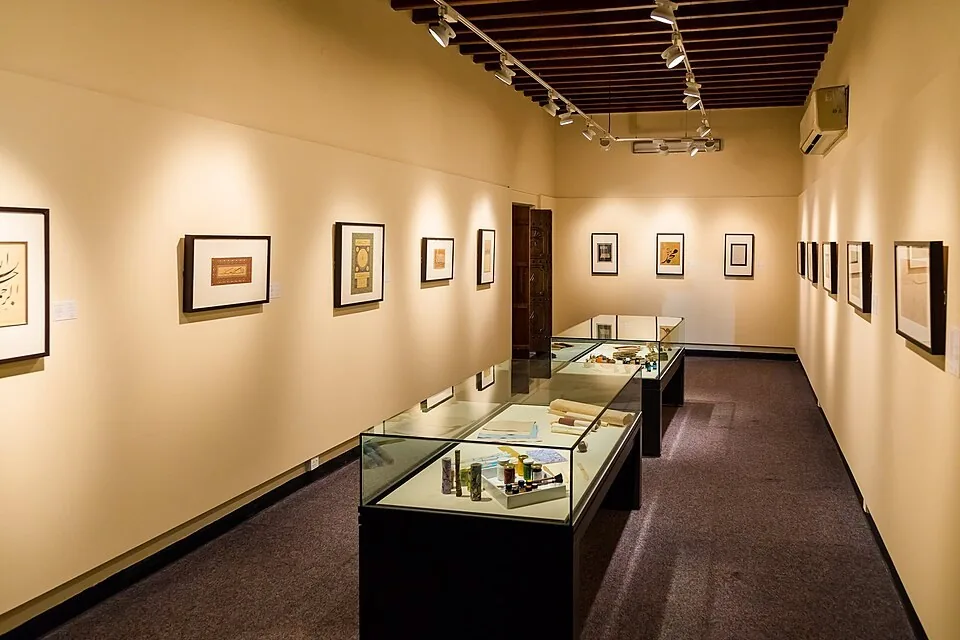
The museum in the historic house is dedicated to Arabic calligraphy and its development from the early Kufic script. Works on paper, wood, ceramics and canvas show the variety of materials of this art.
Six galleries in the restored pearl merchant's home reveal the traditional way of life of the emirate. Exhibits focus on the landscape, festivals, activities, knowledge and oral heritage of the local people.
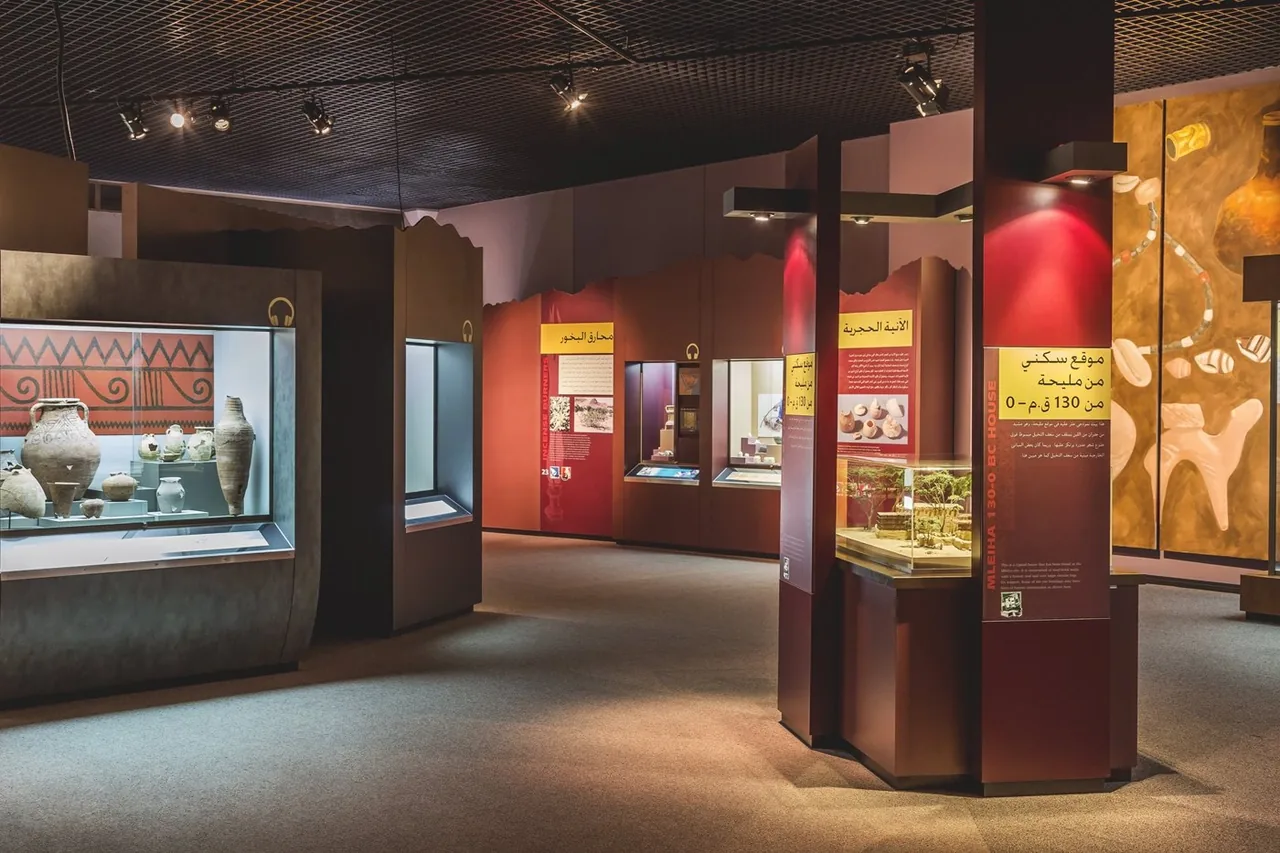
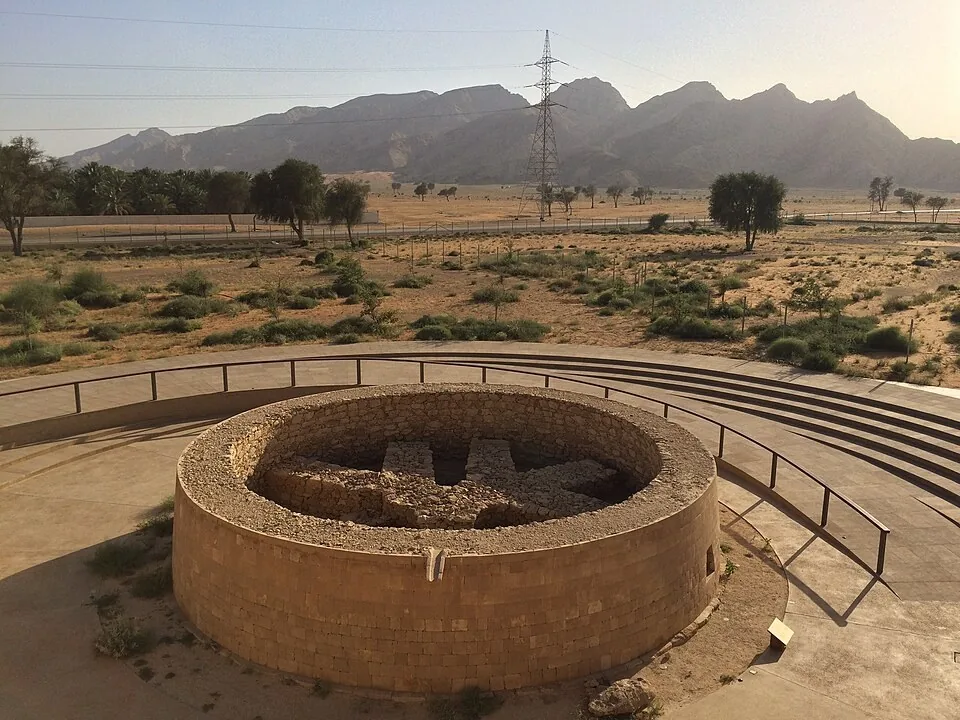
The Mleiha Archaeological Center explores the ancient settlement of Arabia through finds, interactive exhibits and site visits. The surrounding desert offers excursions to burial sites, geological formations and dune trails.
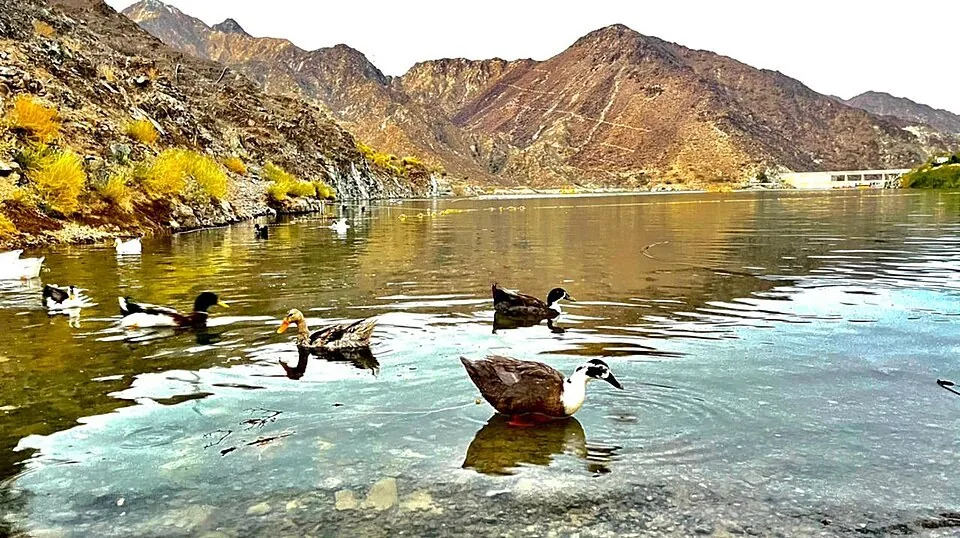
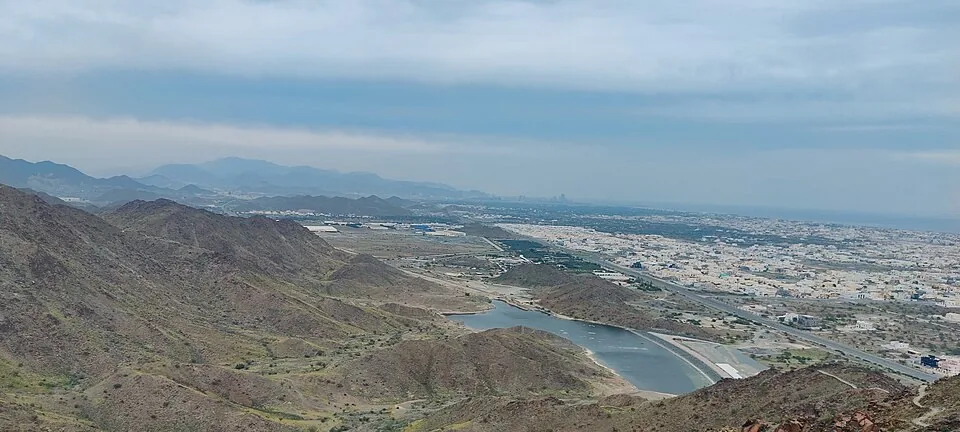
The pond along the Sharjah-Kalba road serves as a water reservoir and walking area. There are paths around the lake, and the surrounding mountains offer routes of varying difficulty.
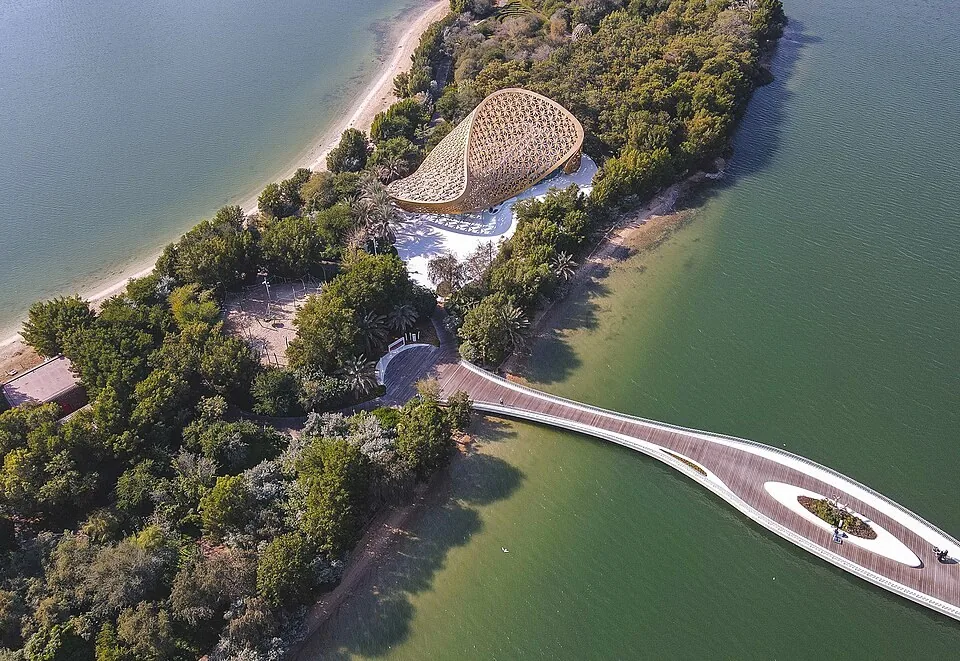
The pedestrian island in Khalid Lagoon features botanical paths, sculptures and a Butterfly House. The climate-controlled greenhouse offers tropical views and the outdoors allows you to stroll among contemporary art.
The complex combines the center of the Arabian fauna, natural science exhibitions and botanical spaces. The children's farm complements the introduction to rare animals and nature of the Arabian Peninsula.
The park in the mountain village of Shis combines a waterfall, shady recreation areas and playgrounds. Stone stairs connect the terraces and lead to a viewing platform above the grounds.
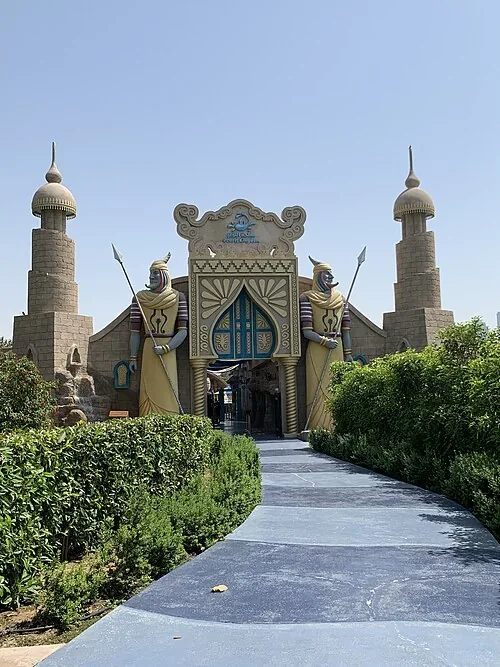
A family-friendly island complex in Khalid Lagoon combines a water park and an amusement park. Within the same area there are play routes, cafes and recreation areas near the green lawns.
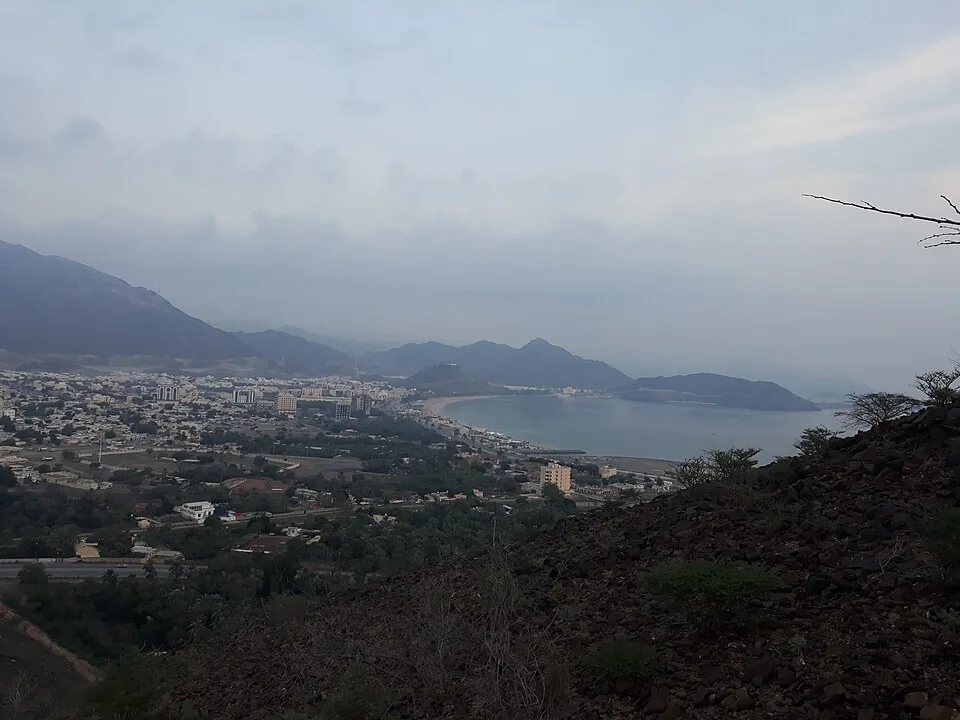
The marked mountain trail at the historic Al Rabi Tower offers views of Khorfakkan and the Gulf of Oman. The route follows a rocky slope and is suitable for exploring the mountainous landscape of the east coast.
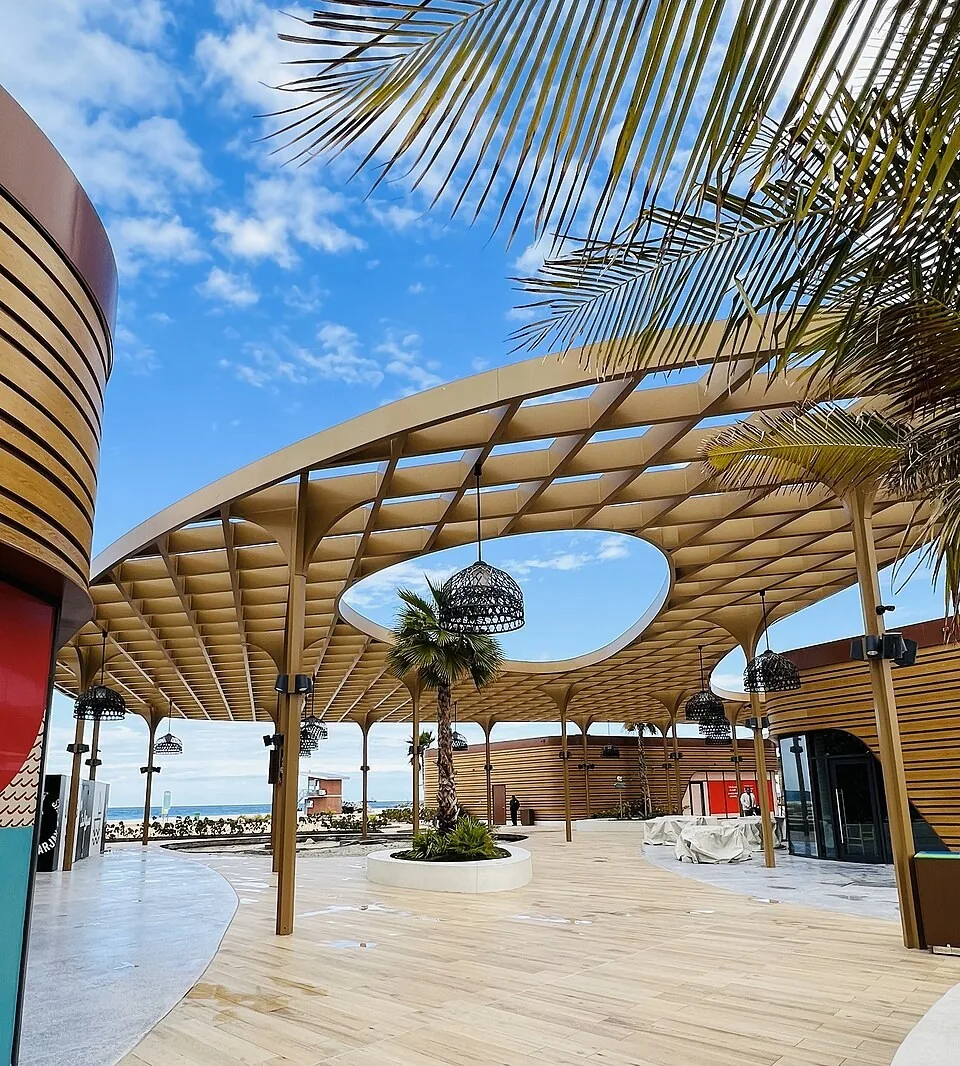
Al Hira's landscaped coastline combines beach, promenade and sports spaces. A bike trail, playgrounds and a skate park complement the cafés and restaurants by the sea.
The beach on the Gulf of Oman stretches in a crescent along the city promenade. In addition to walking and swimming, they offer water activities and boat trips to the coastal islands.
The Wasit Nature Reserve combines salt marshes, dunes, ponds and a lake within the city. There are binocular hides for bird watching, and the center's architecture has won the Aga Khan Award.
The Safari Park reproduces the different natural landscapes of Africa in the central part of the emirate. Thematic areas introduce the savanna and other ecosystems, where giraffes, rhinoceroses and large predators are represented.
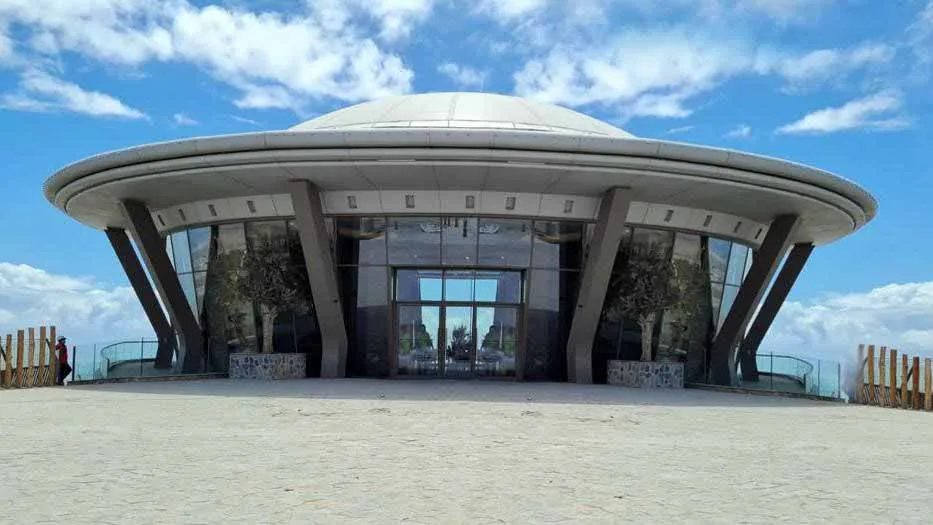
Cloud Lounge is located approximately 600 meters above sea level. Viewpoints offer panoramic views of Khorfakkan, the coast and surrounding mountains.
The center is dedicated to falcons and other birds of prey in the region. The aviaries are complemented by free flight demonstrations that link conservation work with the tradition of falconry.