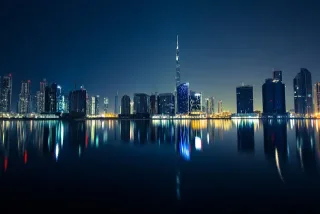
Explore Dubai by neighbourhood: Burj Khalifa and Dubai Opera belong to Downtown, while Palm Jumeirah deserves a separate outing. Choose one paid panorama and leave room for a walk rather than several expensive observation decks in one day.
Separate riverside walks from major museum visits in Paris. The Eiffel Tower and Arc de Triomphe offer different viewpoints, while the Louvre deserves time for its collections. These four stops need not fit into one day.
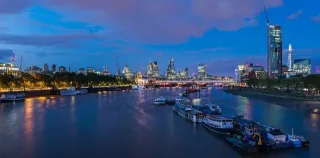
For a first visit, separate Westminster, the Tower area and museum-focused Bloomsbury into distinct parts of your trip. This avoids spending the day travelling between four famous stops and helps you choose the kind of visit you want.
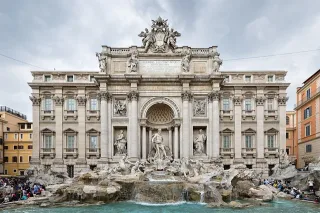
Divide Rome’s ancient monuments, historic squares and Vatican visits into separate outings. The Colosseum and Vatican Museums require choosing a visit format, while the Pantheon and Trevi Fountain can anchor a walk through the centre.
Barcelona combines Gaudí’s architecture, the regular blocks of the Eixample and the old town’s narrow streets. The Sagrada Família, Park Güell and Casa Batlló offer different experiences: a basilica interior, architectural parkland and an unusual residential building.
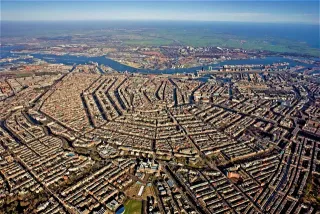
Explore Amsterdam through art around Museumplein and walks along the canal belt. The Anne Frank House explores another part of the city’s history; check reservations in advance and plan this memorial visit separately from art museums.
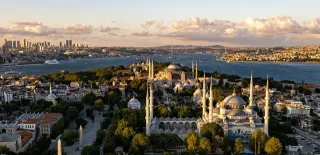
Build a first walk through historic Istanbul around Sultanahmet. Hagia Sophia and the Blue Mosque stand near each other but differ in history and visiting arrangements. Topkapı Palace deserves its own time, while the Grand Bazaar adds a working shopping district to the monuments.
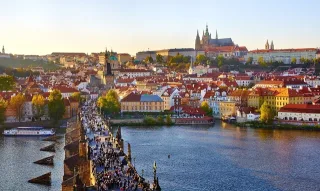
Prague’s historic centre lets you connect the Castle, Lesser Town and Old Town on one walk. The main decision is which interiors to visit: seeing the bridge, square and clock from the street does not require several guided tours.
In central Vienna you can connect St Stephen’s Cathedral, the Hofburg and the Kunsthistorisches Museum. Schönbrunn is farther out: give its palace and park a separate outing, especially if you want to enjoy the interiors without rushing.
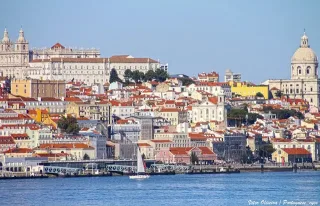
Lisbon combines a hilly historic centre with a riverfront. Give Belém’s tower and monastery a separate outing, and connect Praça do Comércio with São Jorge Castle on a city route that accounts for the climb.
The Acropolis and Parthenon belong to the same archaeological visit: the Parthenon stands on the hilltop. The Acropolis Museum is a separate venue, while the Ancient Agora explores civic life in the ancient city below.
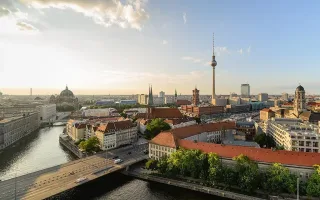
Berlin combines free city walks with a museum of your choice. Brandenburg Gate and the Reichstag work well together; Museum Island requires choosing a collection, while the Wall’s history can be explored at several distinct locations.
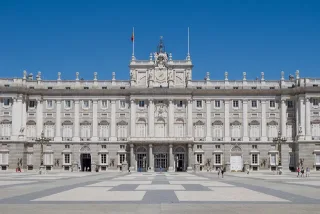
For a first visit, divide Madrid between the Prado and Retiro area and the historic centre around Plaza Mayor and the Palace. Let walks complement selected interiors instead of racing through several major museums.
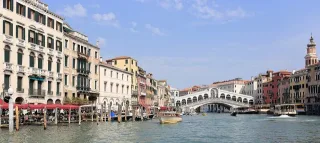
In Venice, walks between squares and canals provide much of the experience; choose paid visits selectively. St Mark’s Square and the Doge’s Palace are neighbours, while Rialto connects a walking route with Grand Canal views.
Central Florence is easy to explore on foot, but the Uffizi and Accademia deserve separate museum sessions. The cathedral complex offers several visit types, and Ponte Vecchio adds views over the Arno to a city walk.
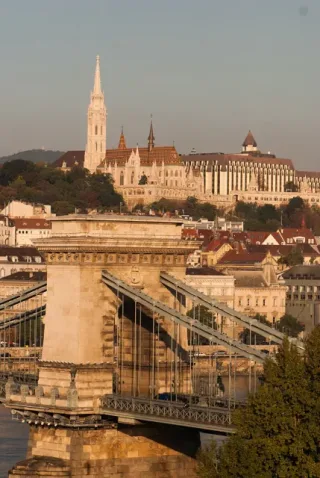
Divide Budapest into a Pest riverside walk by Parliament, Castle Hill in Buda and a separate thermal bath session. Fisherman’s Bastion and the Palace District share the Buda bank, but offer different views and visits.
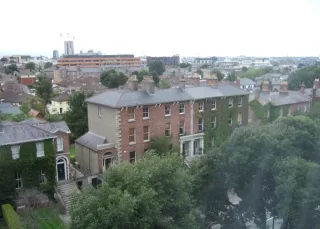
A first Dublin visit can focus on the university centre, St Patrick’s Cathedral and the Guinness visitor exhibition. As checked, Dublin Castle is closed to the public until January 2027, so its grounds are not included in this itinerary.
The Royal Mile links Edinburgh Castle with the Palace of Holyroodhouse through the Old Town. It anchors a first itinerary; leave Arthur’s Seat for a separate walk based on weather and path conditions.
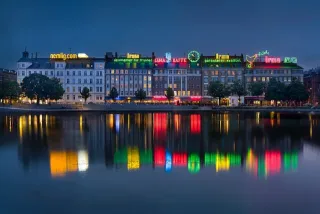
Copenhagen’s waterside walks work well with one palace visit. Nyhavn and the Little Mermaid offer different harbour views, Rosenborg explores royal collections, and Tivoli requires choosing between a garden visit and rides.
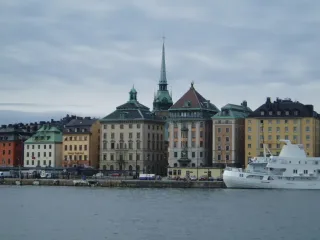
Separate Stockholm’s Old Town walks from a museum outing on Djurgården. Vasa focuses on a historic ship, ABBA on musical heritage; City Hall offers distinct hall tours and tower visits.
Central Milan connects the cathedral, covered Galleria and La Scala square on one walk. Sforza Castle extends the route, but choose its museum collections beforehand rather than filling the day with admission queues.
Explore Tokyo by district. Senso-ji belongs to Asakusa, Shibuya offers contemporary urban culture, and Tokyo Tower can be combined with Azabudai Hills, home to teamLab Borderless.
Kyoto’s sights are spread across the south, eastern hills and western districts. One-area plans are more useful than a four-temple checklist with constant transfers: transport and walking approaches shape the day.
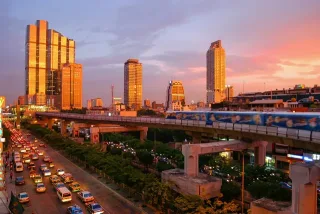
The Grand Palace and Wat Pho stand on the historic Chao Phraya bank, with Wat Arun opposite. Connect them in an area itinerary; Chatuchak in northern Bangkok deserves a separate outing matched to market schedules.
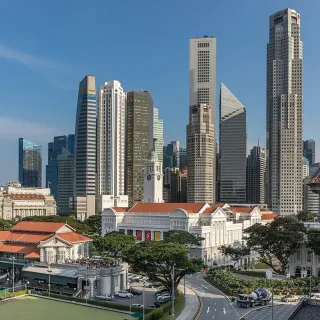
Gardens by the Bay and Marina Bay Sands combine naturally around the bay. Sentosa and Singapore Zoo are farther out and deserve separate outings rather than brief stops between central walks.
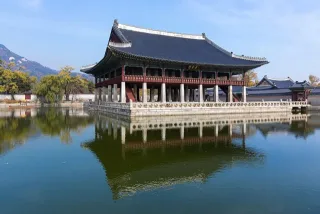
Combine Gyeongbokgung with the Seoul branch of MMCA in the historic centre. Namsan’s tower offers another city perspective, while Namdaemun focuses on shopping streets and food. Each session needs its own visit choices.
Victoria Peak and Star Ferry show the harbour from above and from the water. The Big Buddha and Disneyland are on Lantau but make different outings: the island is large, and they are not one short walk.
The Forbidden City, Temple of Heaven and Summer Palace reveal different sides of imperial Beijing. The Great Wall requires an out-of-town trip; this guide selects Mutianyu with its own transport and admission arrangements.
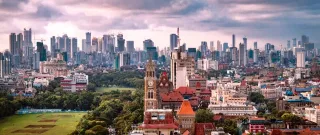
The Bund shows the historic Huangpu bank, while Shanghai Tower overlooks high-rise Pudong opposite. Yu Garden adds traditional architecture; Disneyland needs its own park day away from the central walk.
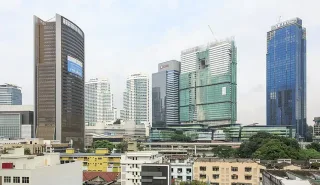
Combine the Petronas Twin Towers and Aquaria KLCC in the modern centre. Merdeka Square introduces historic architecture, while Batu Caves farther north needs separate travel and stair-climb planning.
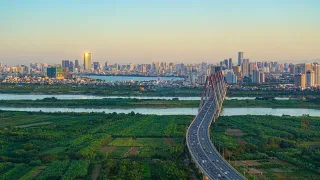
Start beside Hoan Kiem Lake and explore the nearby Old Quarter’s trading streets. The Temple of Literature and Ho Chi Minh Mausoleum need separate transfers and their own visiting plans.
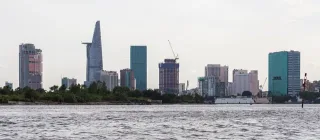
The War Remnants Museum and Reunification Palace cover different parts of the city’s history. A central route can link them with the cathedral and market, but two substantial museum visits need time and energy.
For a first visit, focus on southern Mumbai: Gateway of India, the historic railway terminus and Marine Drive. Elephanta’s caves are on an island, so a visit depends on boat services as well as monument admission.
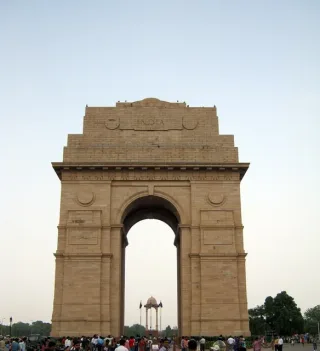
This New Delhi guide covers greater Delhi: Red Fort is in Old Delhi, while Qutb Minar is in the south. These sights do not form one continuous walk from India Gate.
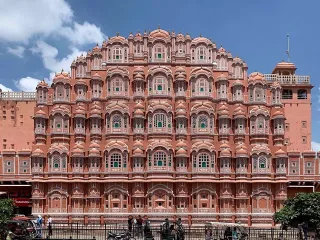
Hawa Mahal, City Palace and Jantar Mantar suit an introduction to the old centre. Amber sits outside this walking block: a fort visit involves a drive and an ascent.
Bali is an island, not a compact city. Ubud Monkey Forest and Tegallalang’s terraces form an inland direction; Uluwatu in the south and coastal Tanah Lot require different outings.
These four stops cover different Manhattan experiences: an island visit, a park walk, a skyline viewpoint and a major art museum. Avoid squeezing them into one short day.
Walk of Fame, Griffith Observatory, Universal and Getty Center occupy different parts of the metropolitan area. In Los Angeles, choosing areas and transport matters more than collecting stops.
Golden Gate Bridge and Golden Gate Park are separate places, not neighbouring parts of one complex. Fisherman’s Wharf suits a waterfront walk, while Alcatraz requires a distinct island visit.
South Beach is in Miami Beach, while Vizcaya and Little Havana are on the mainland. The Everglades is a substantial nature outing beyond an urban walk, not another neighbouring stop.
The anthropology museum and Chapultepec Castle share a large park district, but each needs its own visiting time. Zocalo is another city block, while the Pyramid of the Sun lies outside the city at Teotihuacan.
The Maya Museum is in Cancun’s hotel zone. Isla Mujeres requires a crossing, Xcaret a Riviera Maya journey, and Chichen Itza a trip into Yucatan. These are four distinct plans.
CN Tower stands near the southern downtown area, with ROM and Casa Loma farther north. The islands require a ferry; plan them around weather and the current seasonal timetable.
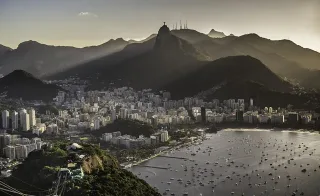
Corcovado’s Christ statue and Sugarloaf offer different views and need different tickets. Copacabana is a waterfront plan, while Selaron Steps are a separate stop near Lapa.
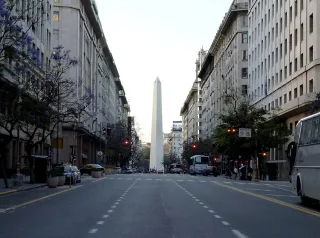
Teatro Colon and Plaza de Mayo belong to a central programme; Recoleta and Caminito are in other districts. Give each neighbourhood time rather than turning the city into a sequence of quick photographs.
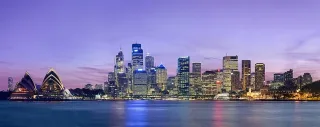
The Opera House and Royal Botanic Garden are neighbours by the harbour. Harbour Bridge extends the waterfront programme, but Bondi Beach is elsewhere in the city and requires a transfer.
Fed Square and NGV sites suit a central cultural route. Royal Exhibition Building is beside Carlton Gardens. Great Ocean Road is a coastal destination outside the city, not the next stop after a museum.
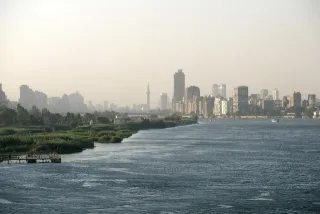
The pyramids are in Giza, while the Egyptian Museum stands by Tahrir Square. The Citadel and Khan el-Khalili form another urban programme. Do not confuse the Tahrir museum with the Grand Egyptian Museum near Giza.
The medina and Jemaa el-Fna connect as a walking route. Bahia adds a separate palace visit, while Majorelle Garden lies outside this compact historic centre.
Table Mountain depends on weather, Robben Island on a sea excursion. Bo-Kaap is an urban neighbourhood, while the Cape of Good Hope requires a separate peninsula trip. These four places are not one short walk.
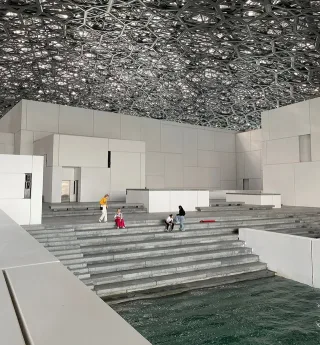
Abu Dhabi works best when you separate Saadiyat Island culture, the Grand Mosque and a full day on Yas Island. Four highlights do not need to fit into one short outing.