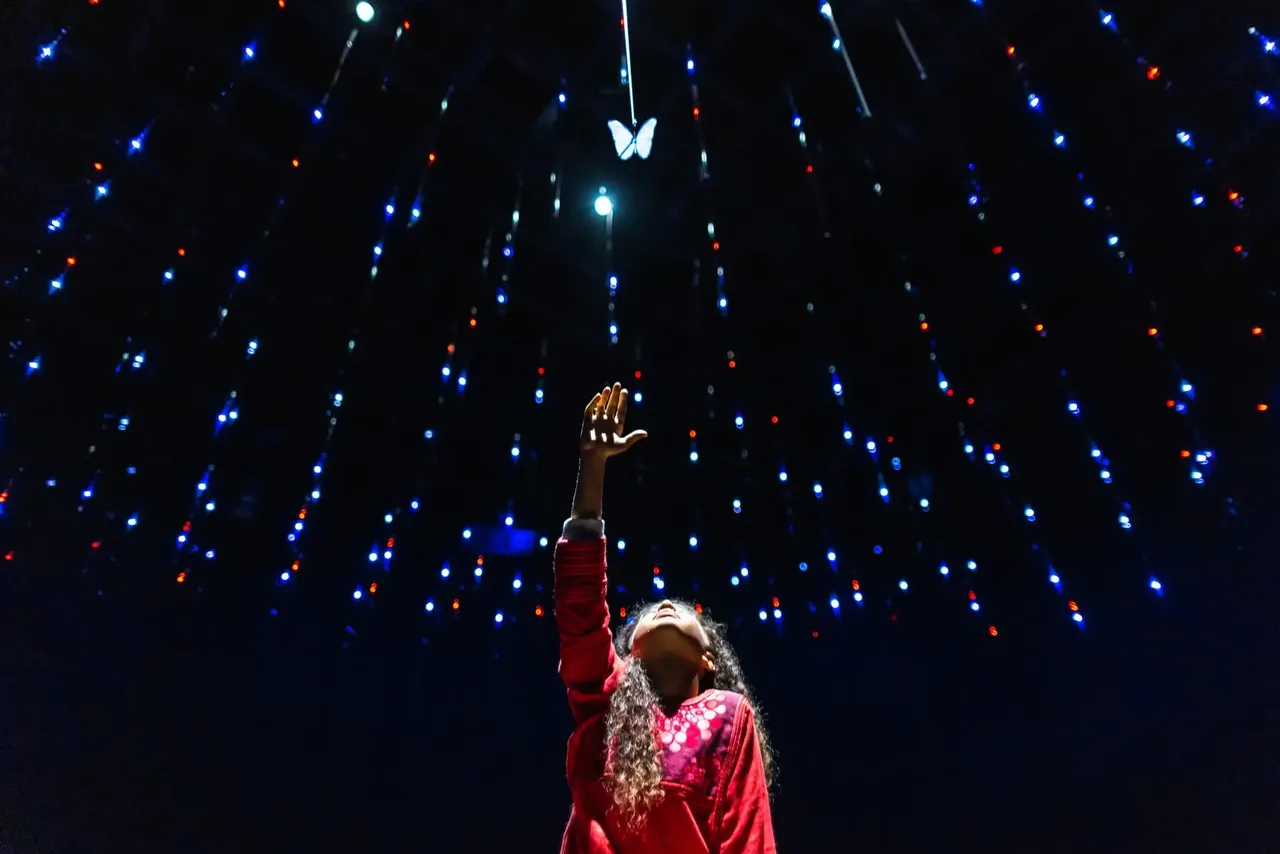
Alif — The Mobility Pavilion
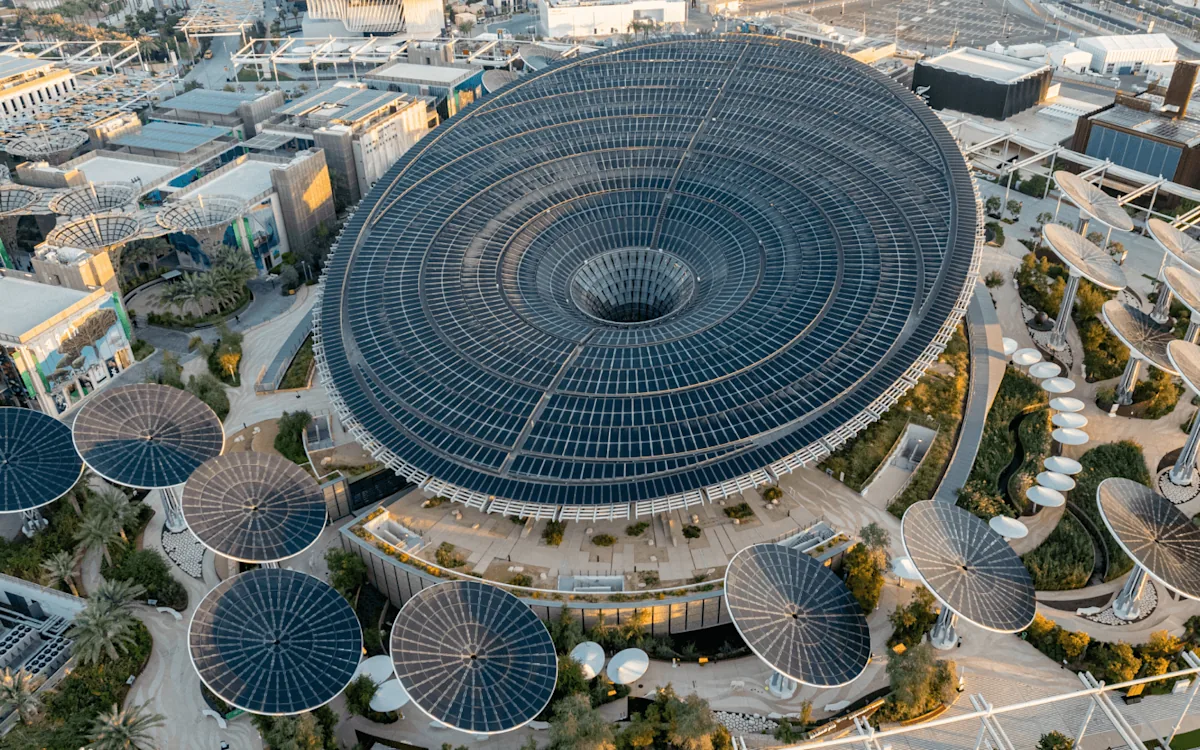
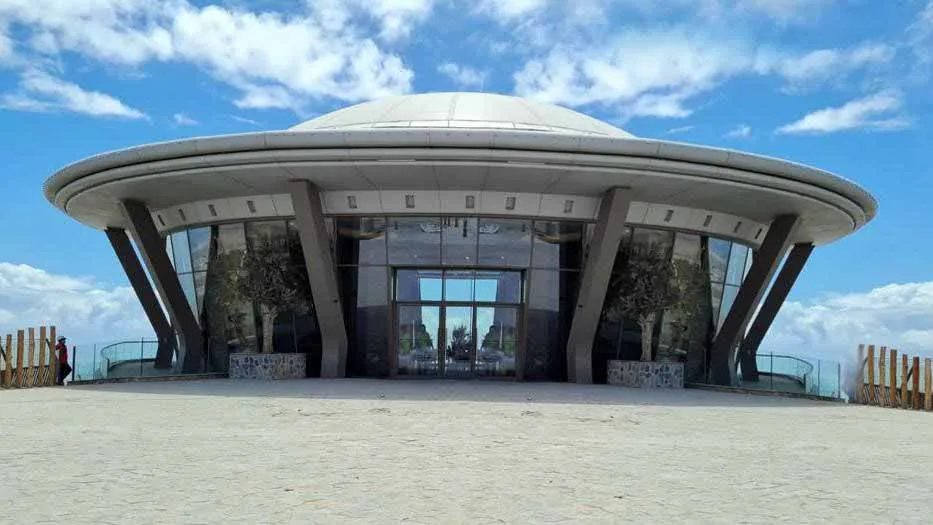
Alif at Expo City talks about the development of mobility and human discovery. Interactive spaces connect the past of travel with the future of technology.
177 places with official sources. Find yours.
Alif at Expo City talks about the development of mobility and human discovery. Interactive spaces connect the past of travel with the future of technology.
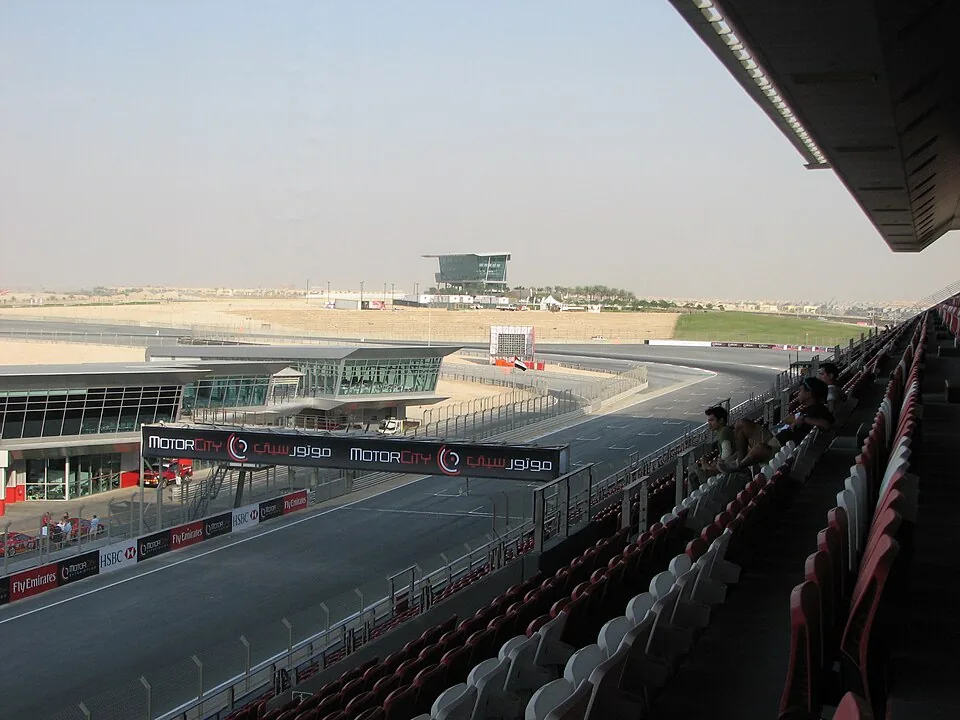
The motorsports complex offers on-track driving programs and karting. Sports car races and Kartdrome sessions are supported by different products.
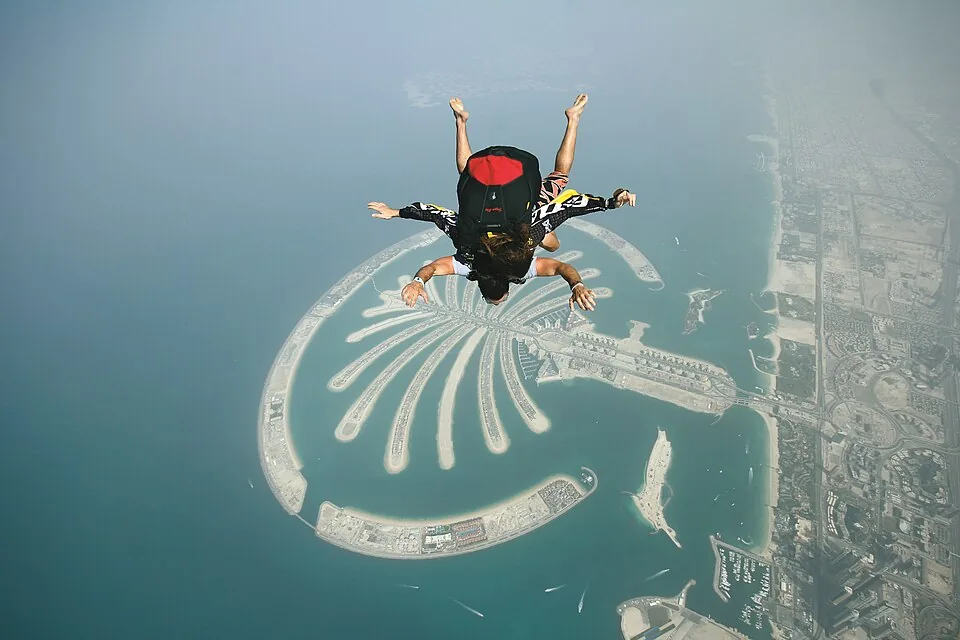
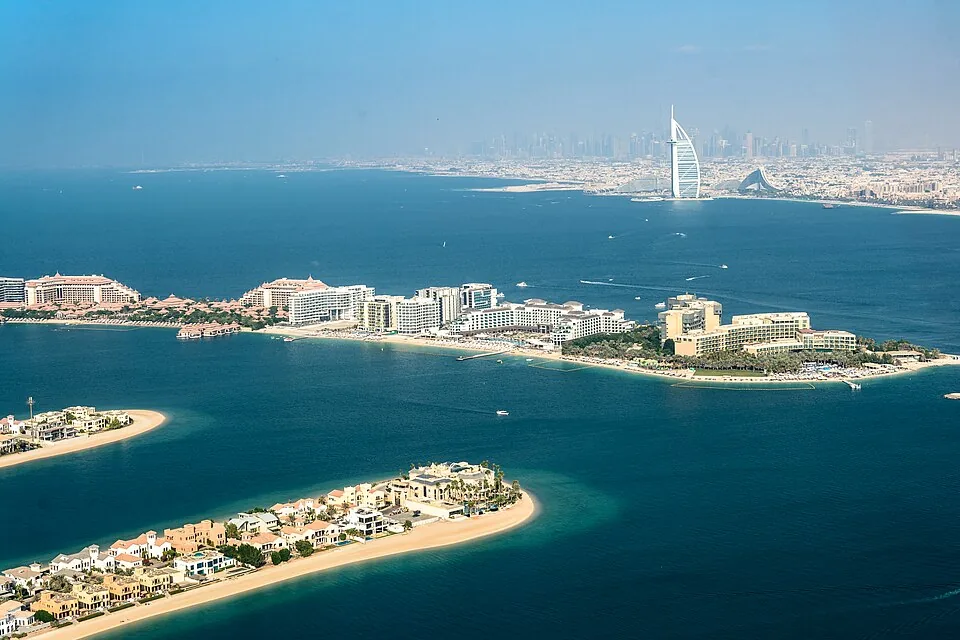
Archive photo of the jump over Palm Jumeirah, 2011.
A guided tandem jump offers aerial views of the Palm Jumeirah and the coastline. It is Palm Dropzone that is listed here, and not other platforms and programs of the brand.
The pavilion explores the relationship between man and nature through interactive stories. The spaces beneath the forest and ocean show ecosystems and the impact of everyday decisions.
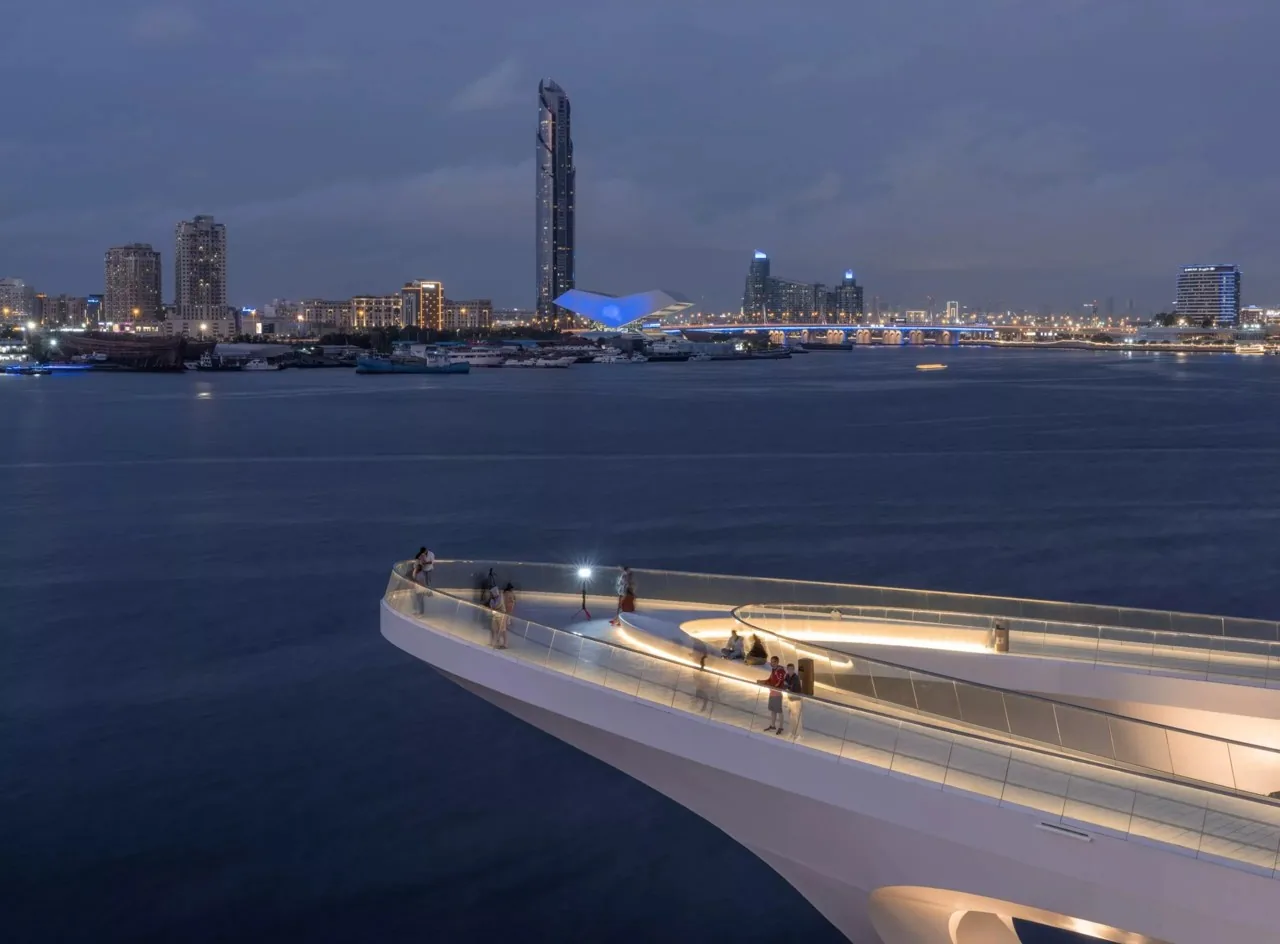
A pedestrian platform juts out over the water at Dubai Creek Harbour. It offers views of the bay and the Downtown skyline without the need to buy a ticket.
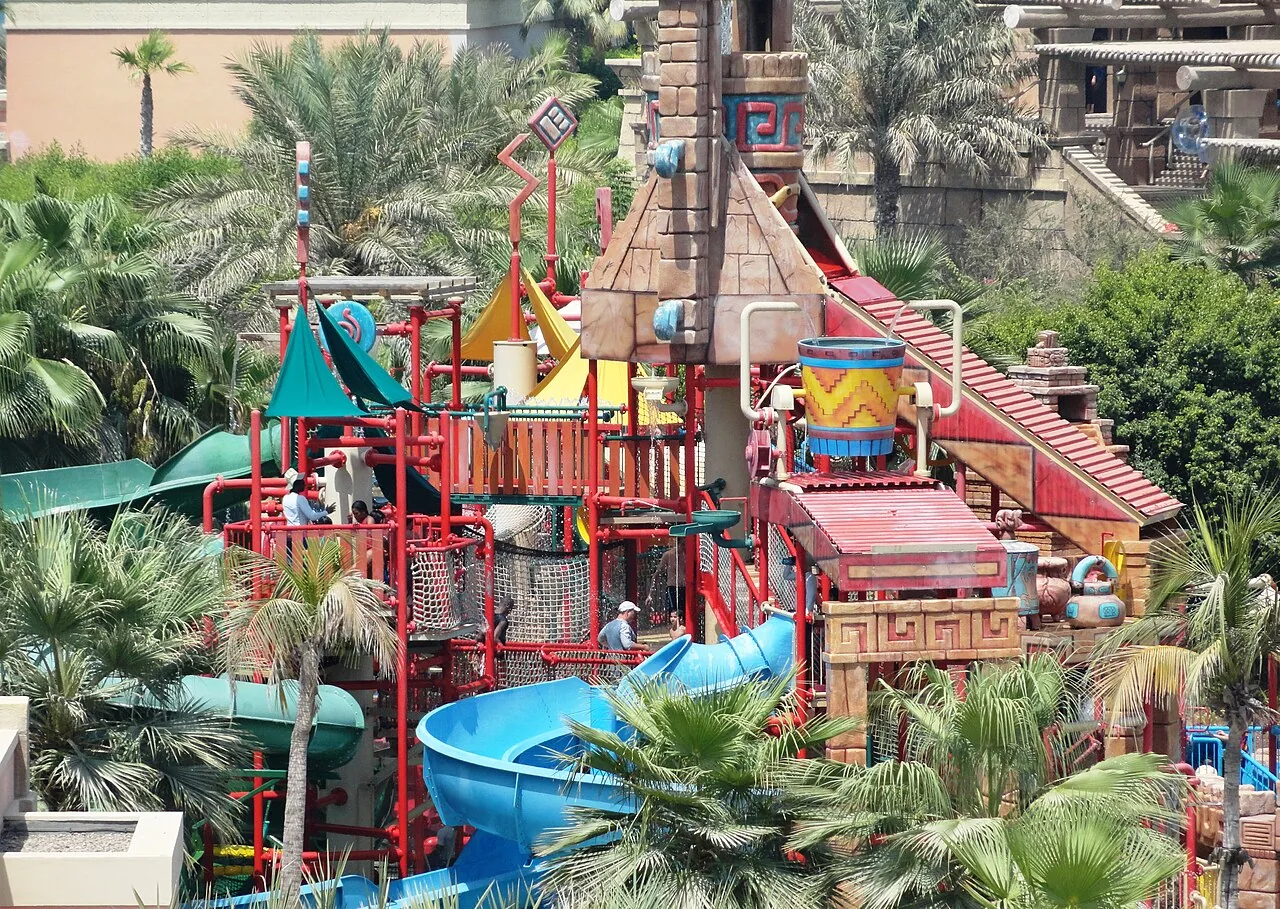
Aquaventure children's water area. Archive photo from 2012; the location and composition of the zones may have changed.
The Atlantis water park combines high-speed slides, family-friendly water areas and a beach. The aquarium and encounters with marine animals are separate products of the complex.
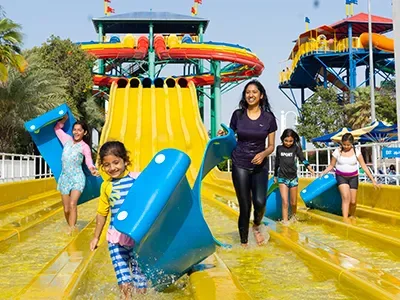
The family water park complements the LEGOLAND theme, but has separate access. Water play areas and slides are decorated in LEGO style.
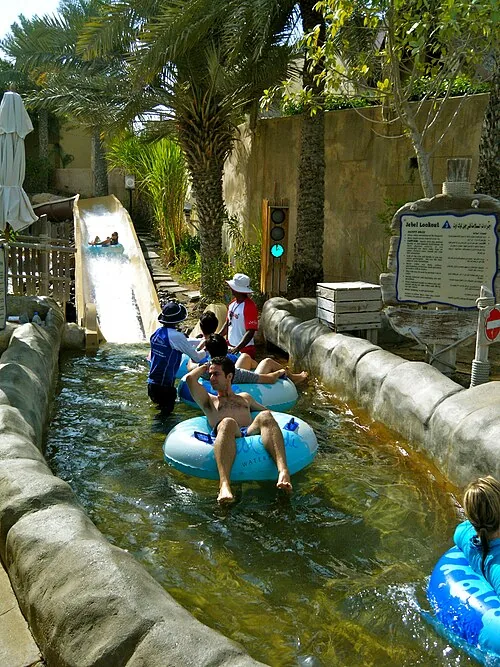
The water park next to Burj Al Arab is inspired by Arab stories about Juha. There is a calm river, wave zones and slides for those who like a more active holiday.
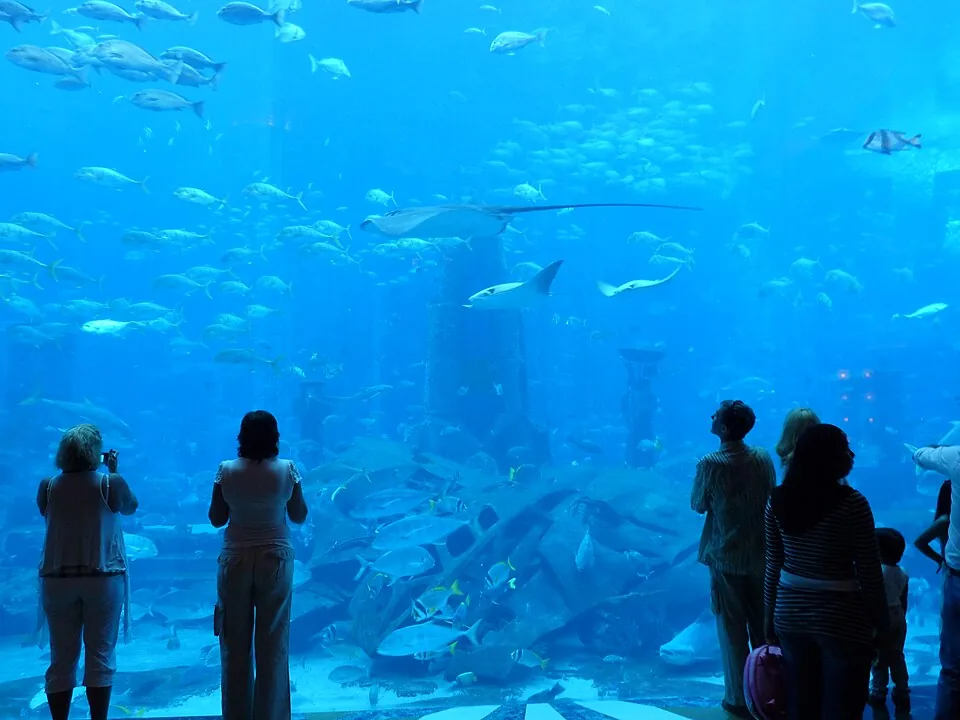
Archive photo of The Lost Chambers Aquarium, 2011, before renovation and renaming.
The aquarium at Atlantis is designed to resemble the underwater world of the legendary Atlantis. In marine exhibits you can see sharks, rays and many other inhabitants.
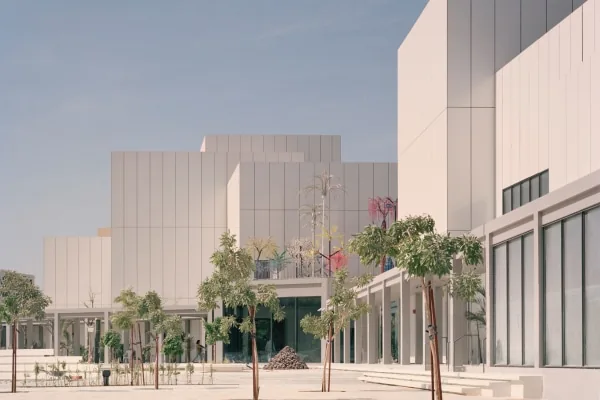
The Center for Contemporary Art combines exhibition galleries, a library and a waterfront sculpture garden. The operator expressly confirms free access for all visitors.
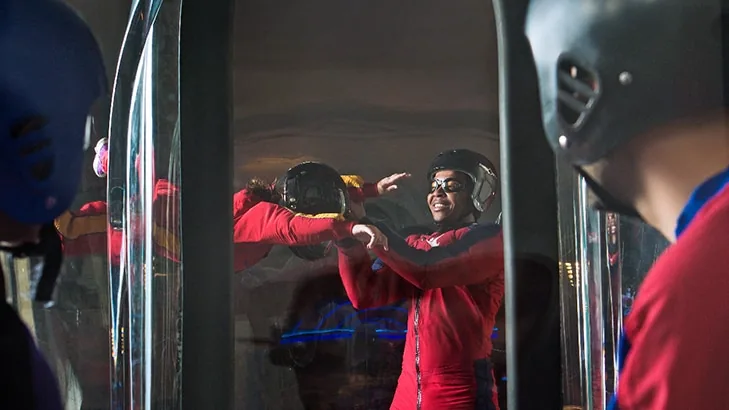
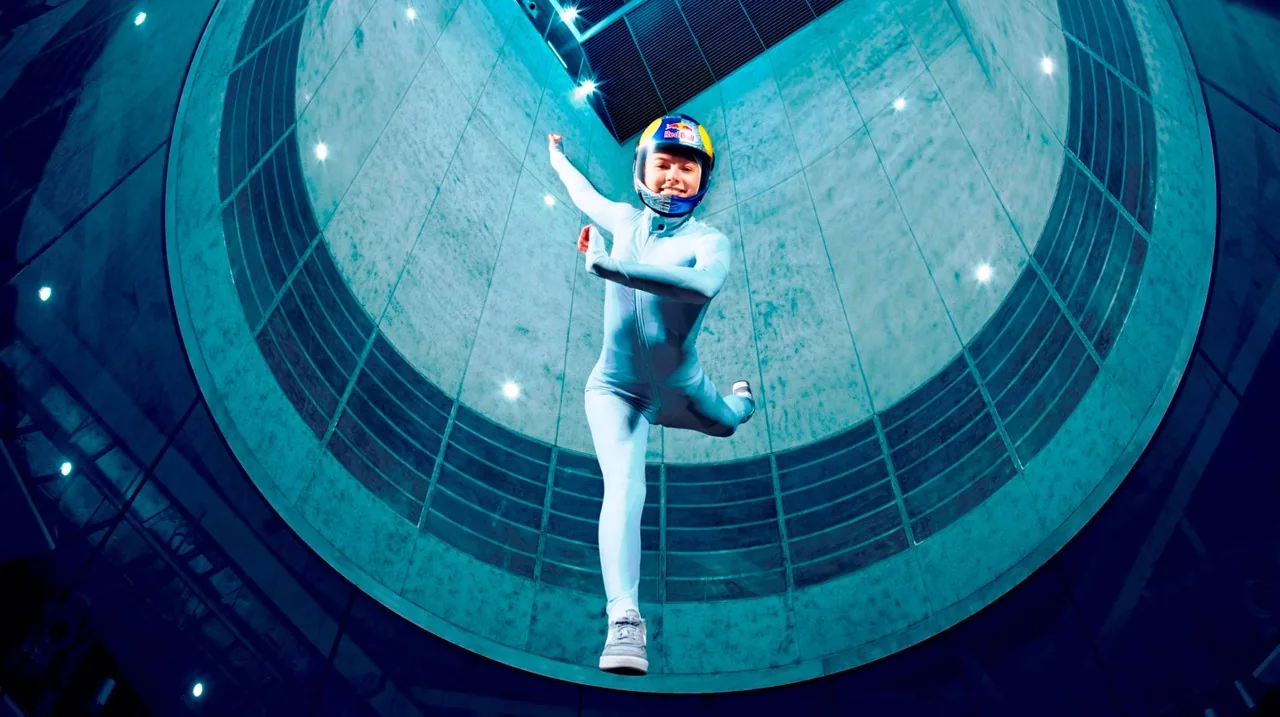
The wind tunnel at City Center Mirdif allows you to experience flying in a vertical air flow. Before the session, the instructor prepares and accompanies the participant.
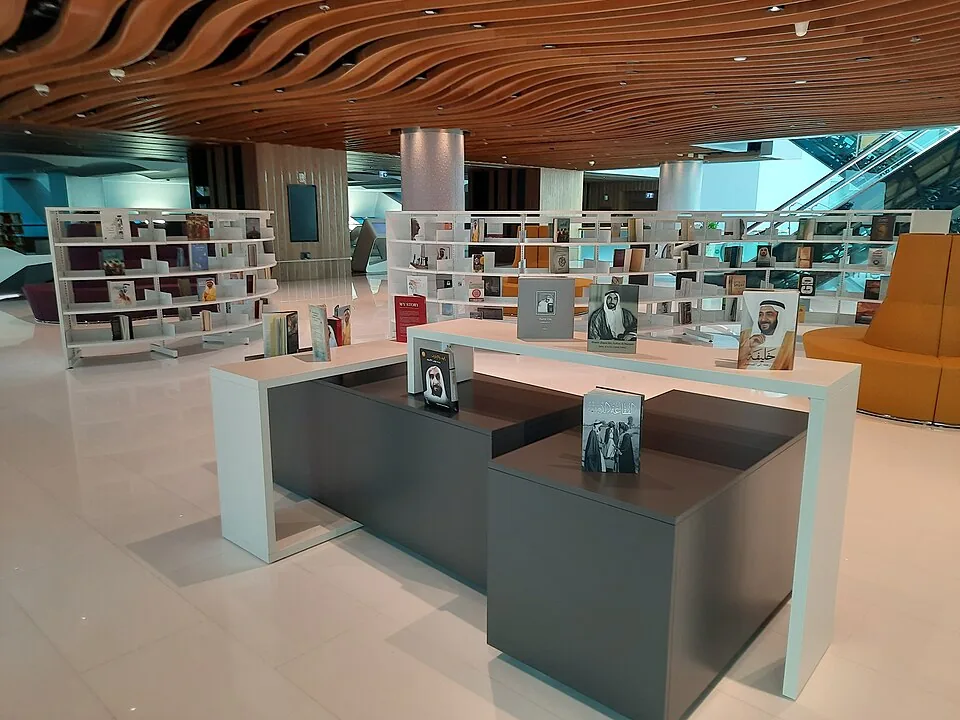
The library building resembles a traditional book stand and stands next to Dubai Creek. In addition to reading spaces, people can get acquainted with collections and cultural programs here.
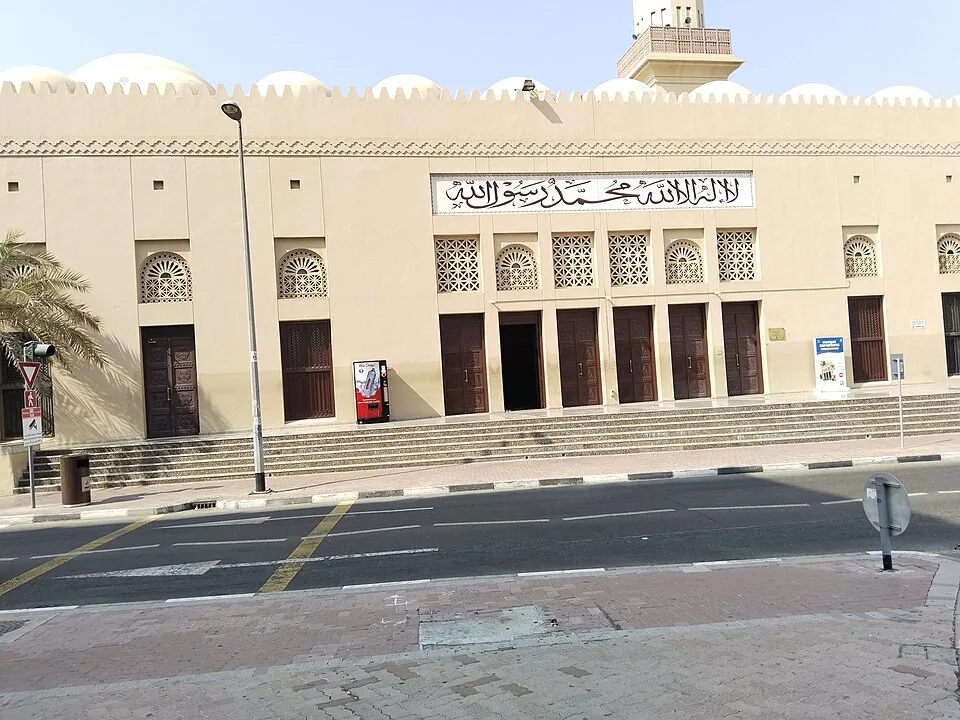
A cultural tour introduces guests to the structure of the mosque and Islamic traditions. The official guide lists free morning tours from Sunday to Thursday.
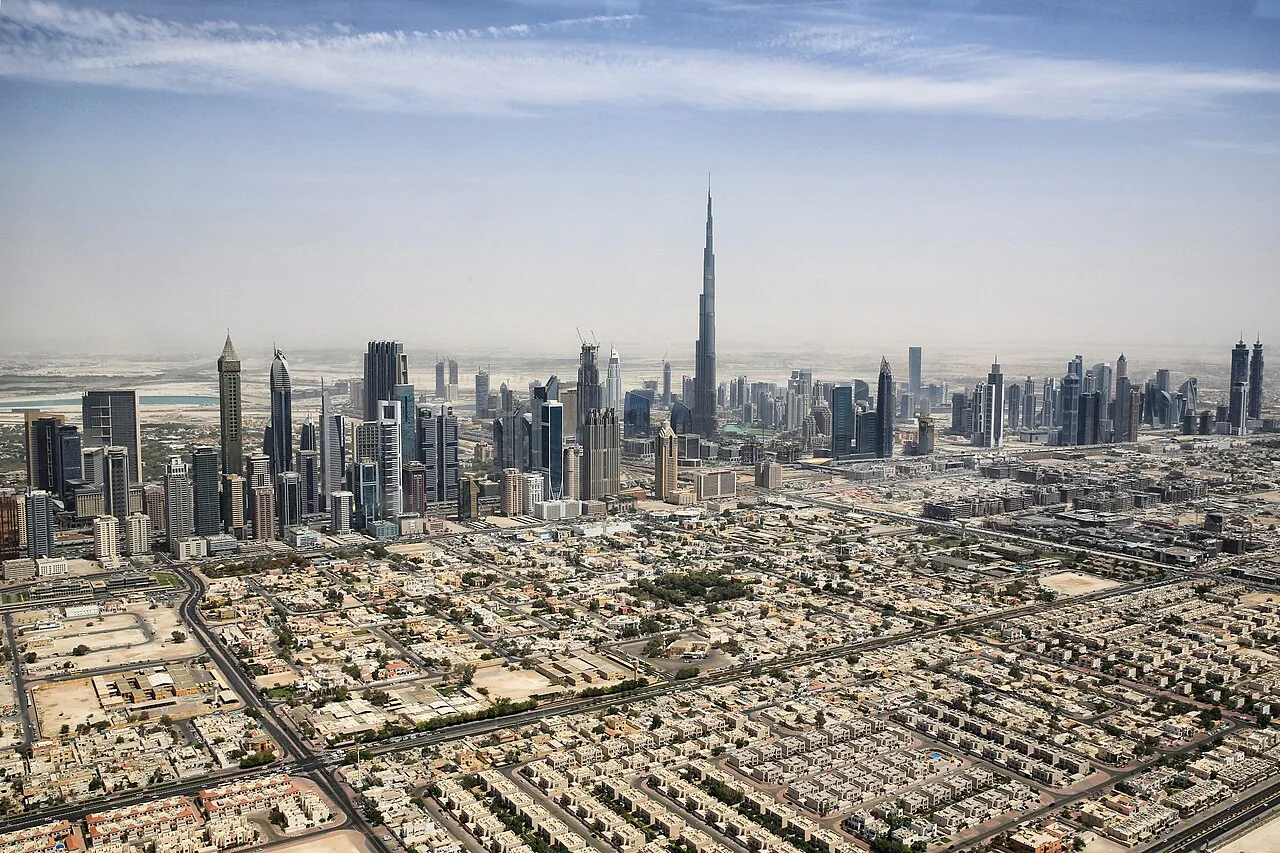
The tower's observation decks overlook downtown Dubai and the coastline. Basic access to levels 124–125 and premium options differ in the composition of access.
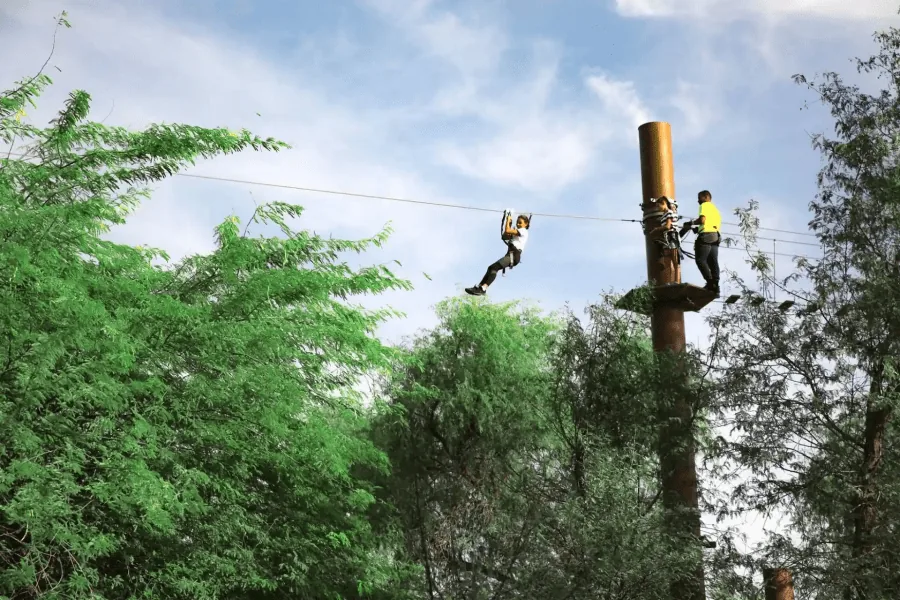
A rope park is set among the ghaf trees in Mushrif. The courses combine suspended obstacles and ziplines with different requirements for participants.
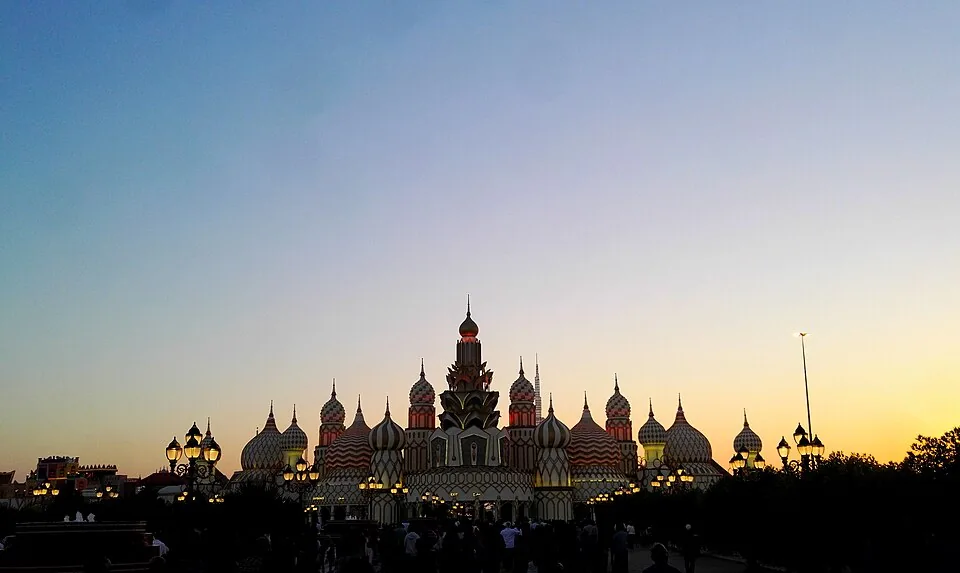
Check openingThe seasonal complex combines national pavilions, performances, food and attractions. Season 31 has an official opening date of October 14, 2026.
Opening soonArchive photo (19 February 2011).
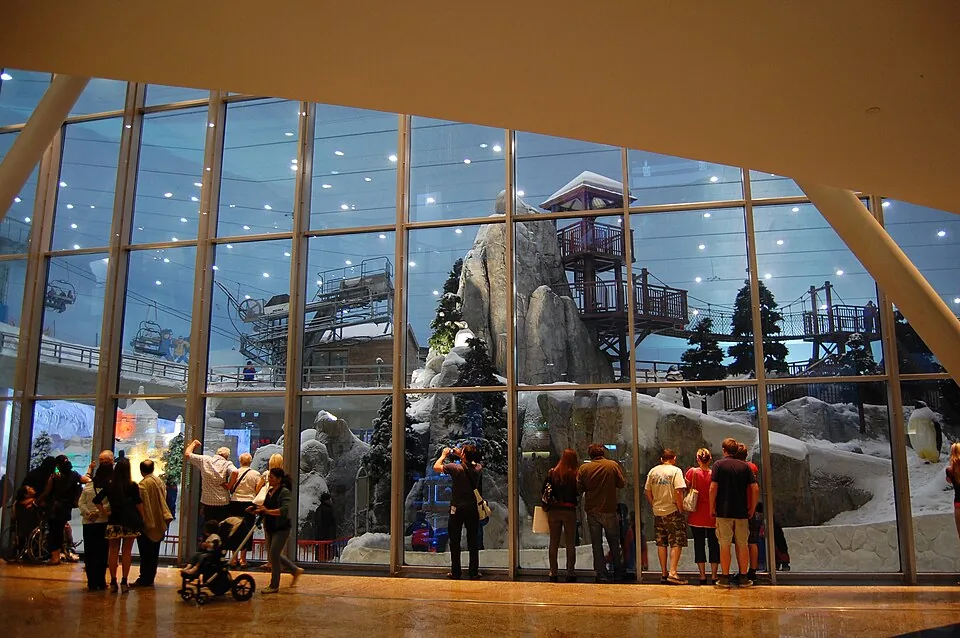
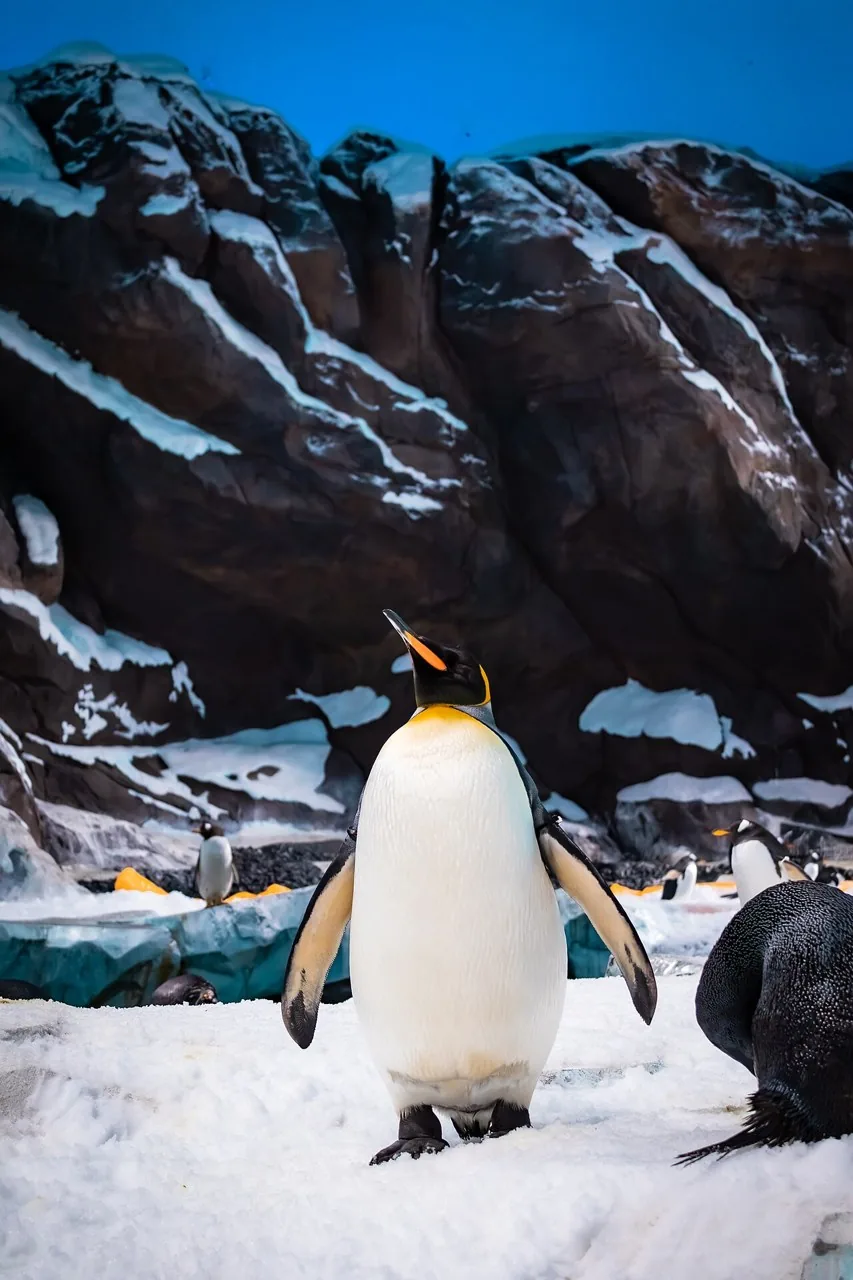
The snow complex at Mall of the Emirates offers indoor winter activities. Packages vary in access to the snow park, slopes and penguin encounters.
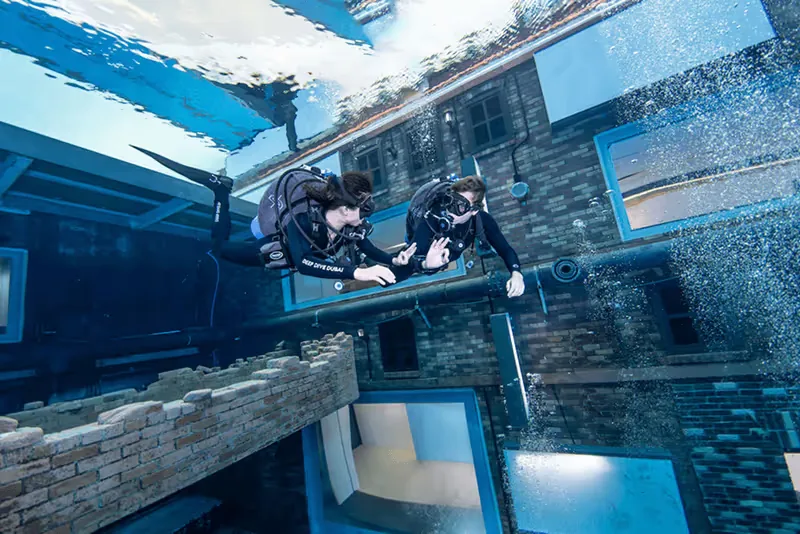
The dive complex is built around a pool with an underwater sunken city. The operator offers diving, freediving and snorkeling with different training requirements.
Children's City at Dubai Mall offers role-playing activities related to different professions. Children try out the work of city services and learn how institutions interact.
OliOli invites children to explore space through play and experimentation. Interactive galleries and temporary exhibitions are designed for independent discovery and time together with parents.
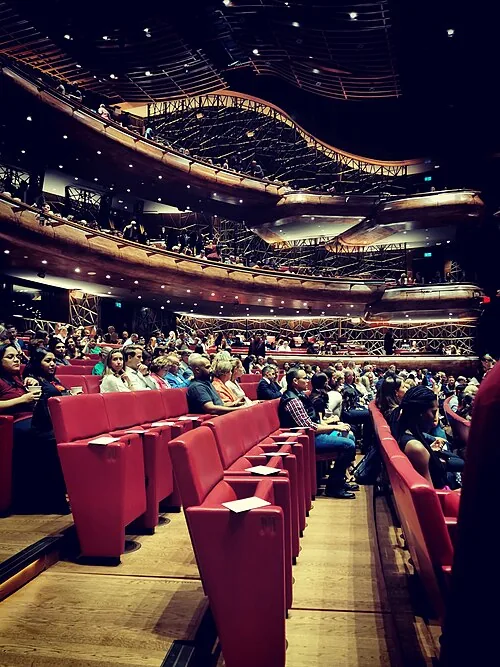
The Downtown Performing Arts Center hosts concerts, plays and other productions. In addition to events, the operator offers tours of the building.
The two towers are connected by an observation bridge, from which the old areas and modern Dubai are visible. The exhibition part is dedicated to the past of the city and ideas about its future.
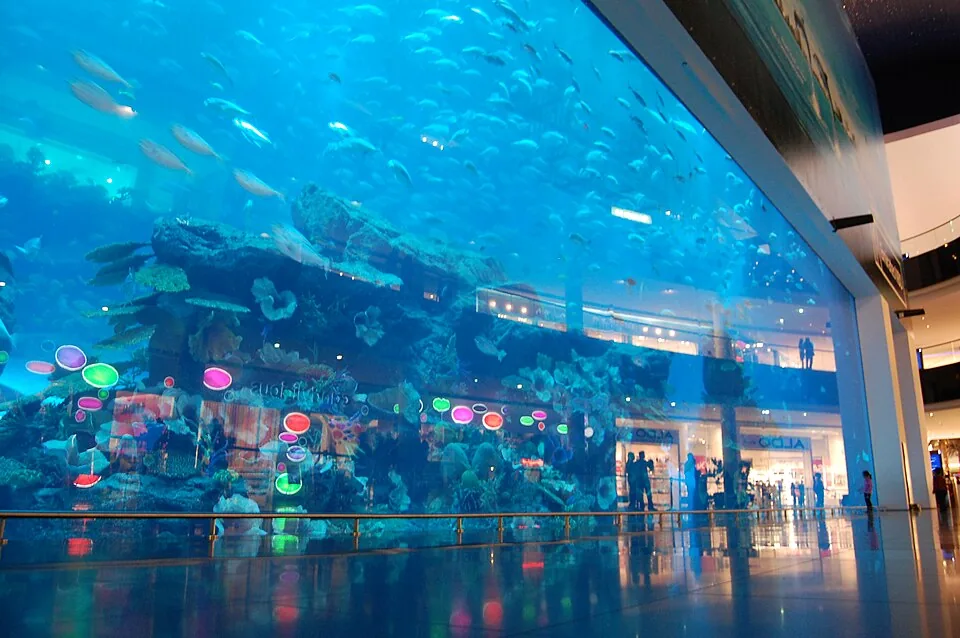
The aquarium inside the Dubai Mall combines a large sea tank, an underwater tunnel and a zoo. Additional animal encounters and dives are sold as separate options.
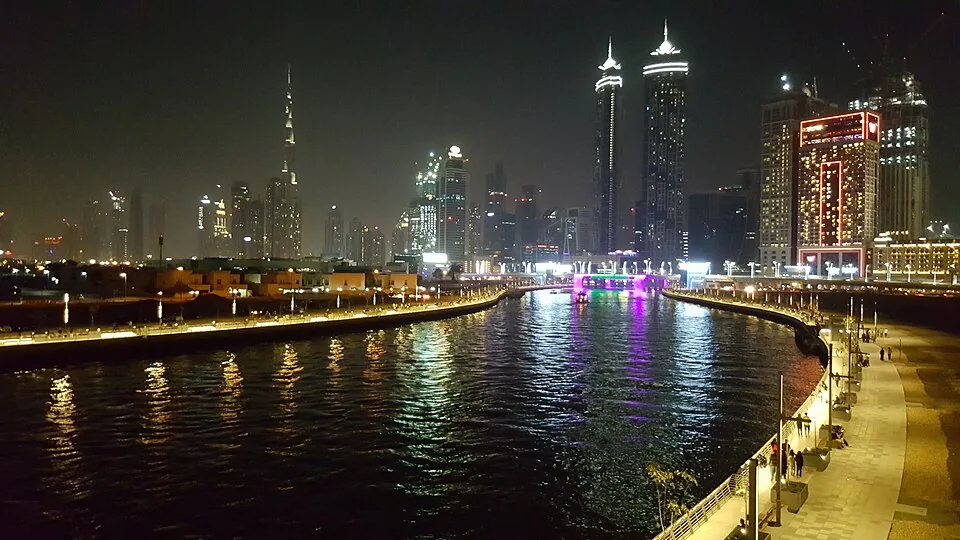
Pedestrian embankments and bridges allow you to see modern Dubai from the water and from the shore. The card refers to a self-guided tour, not a paid cruise.
Archive photo (19 September 2012).
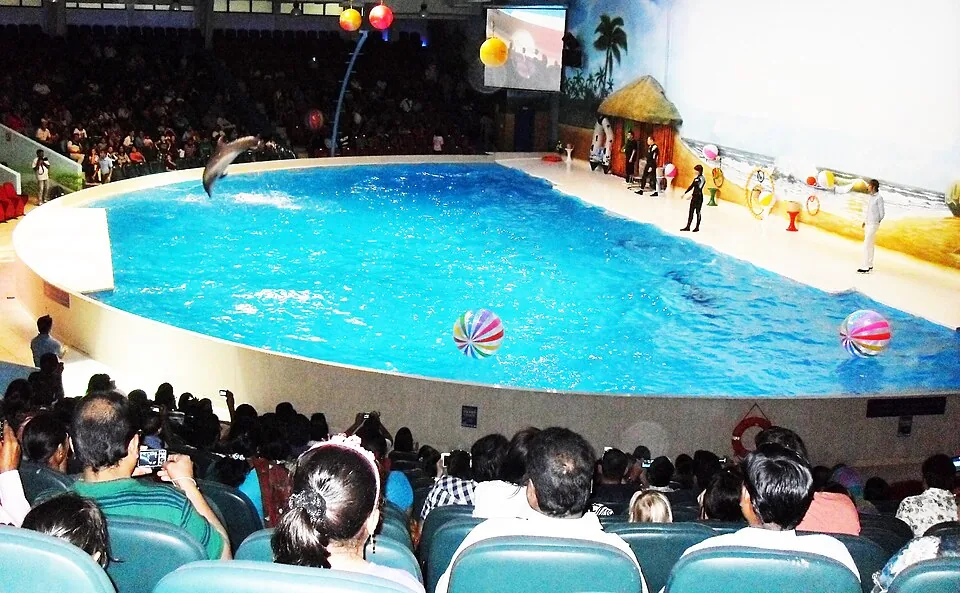
The Dolphinarium at Creek Park hosts shows with dolphins and fur seals. Separate programs are dedicated to birds and getting to know animals.
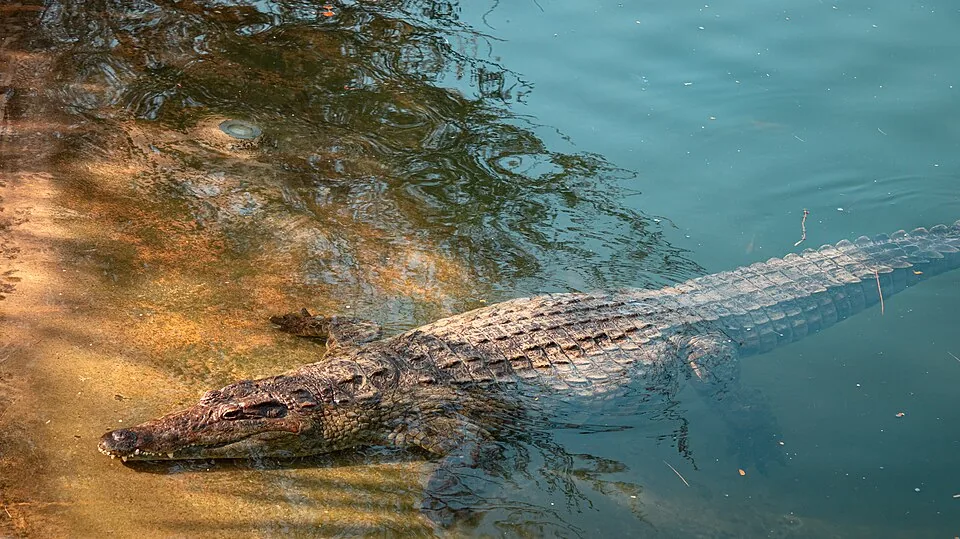
The park is dedicated to Nile crocodiles and their habitat. In addition to open landscaped areas, there is an aquarium and a natural history museum.
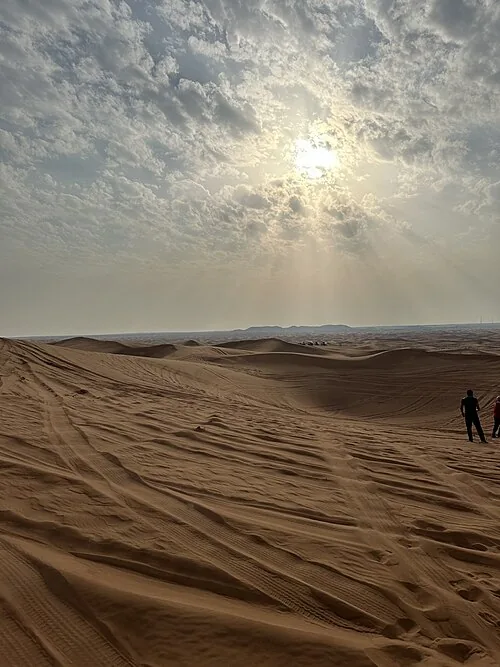
The protected desert area introduces the natural and cultural heritage of the region. The visit should be planned according to the permitted programs of the reserve, and not as free entry into the dunes.
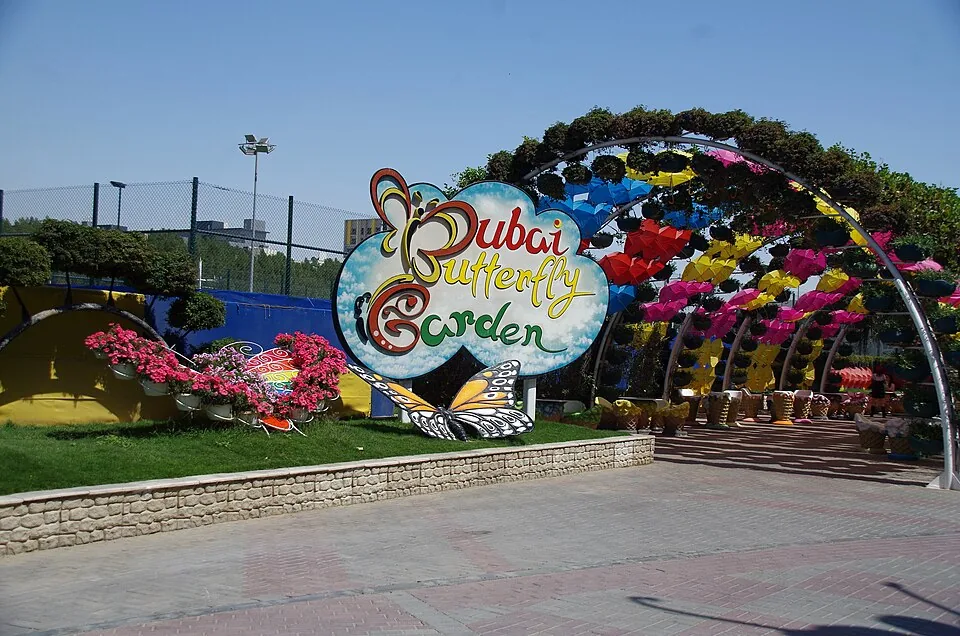
The garden houses butterflies of various species in climate-controlled domes. The walk allows you to observe them up close and learn about the life cycle of insects.
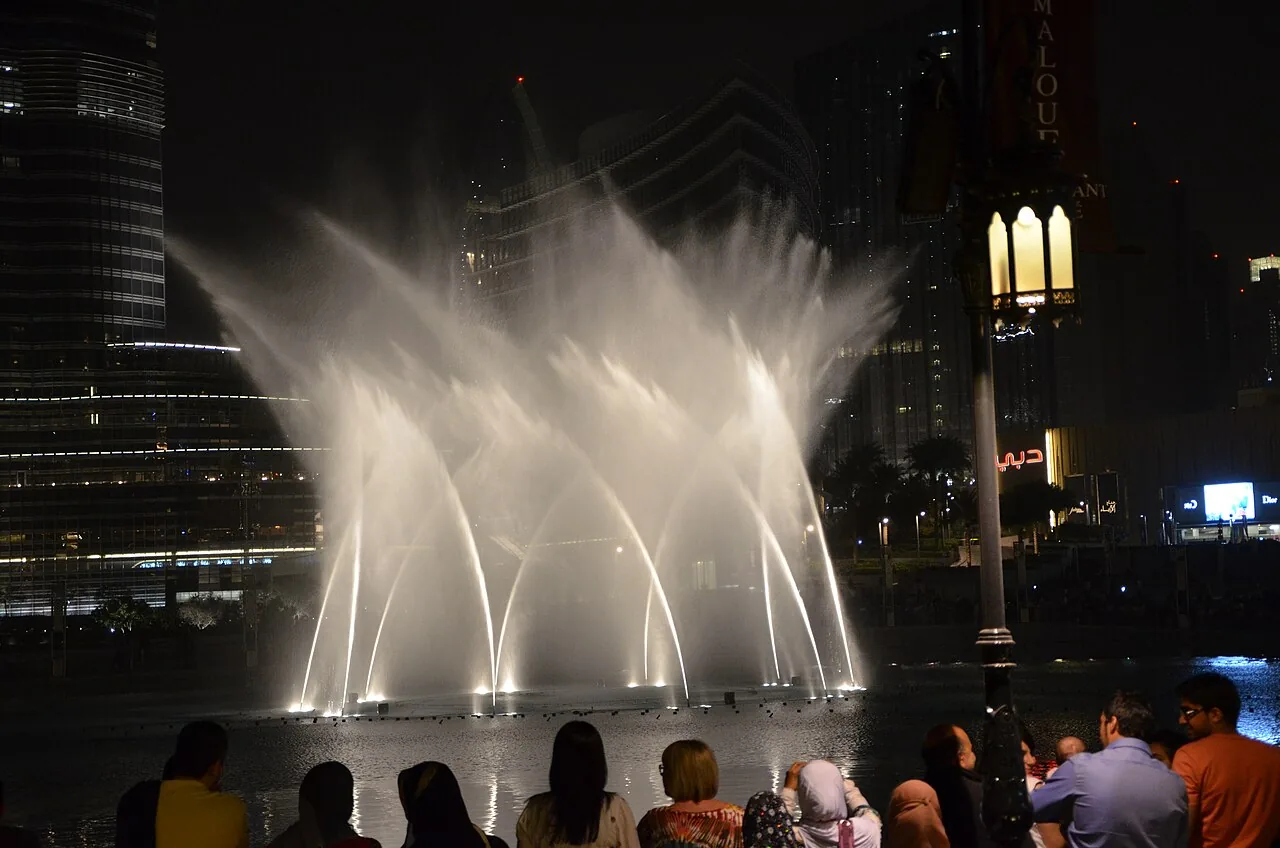
The musical fountain is located on Burj Lake between Dubai Mall and Burj Khalifa. Observation from the public boardwalk is different from the separate paid walks on the lake and Boardwalk.
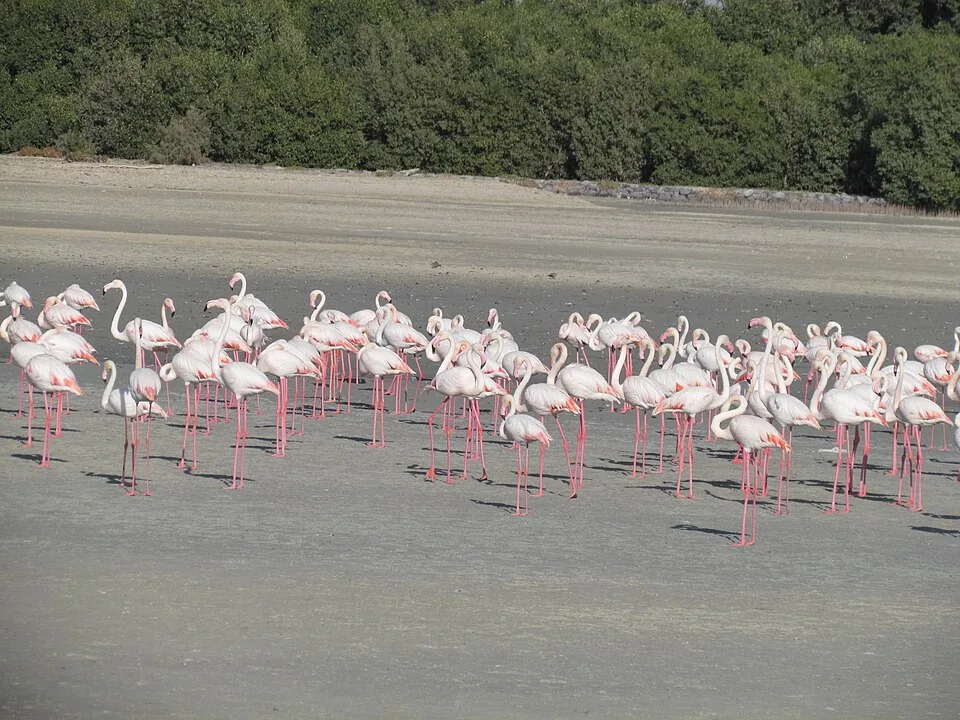
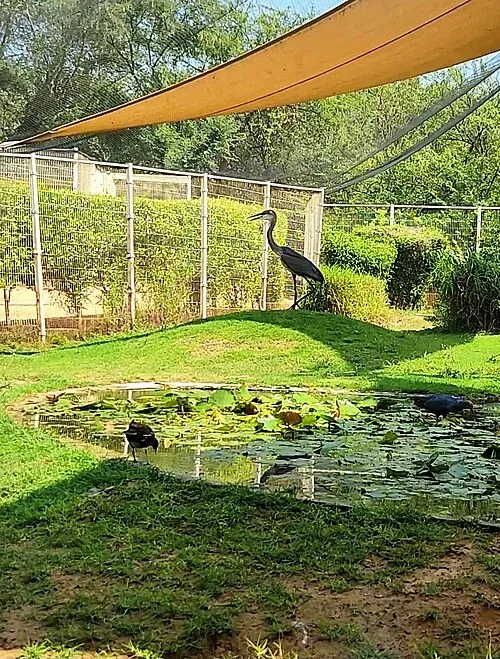
The urban wetland reserve is home to birds, including flamingos. Animals are monitored from equipped shelters without entering protected areas.
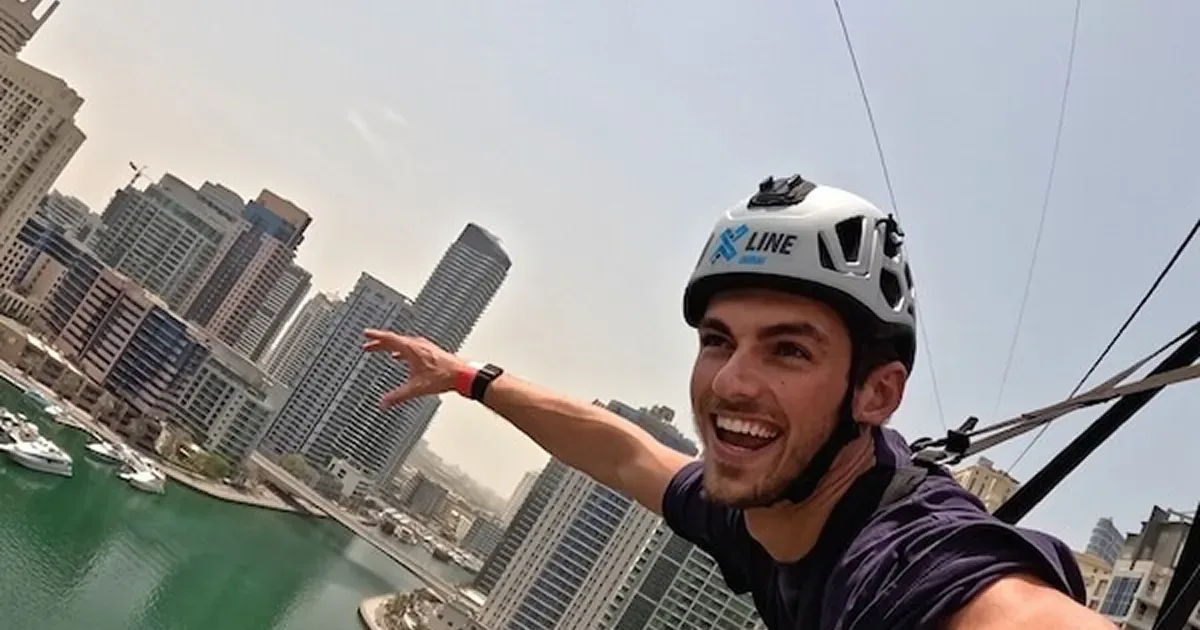
The zipline passes over Dubai Marina, offering views of yachts and high-rise buildings. The flight is carried out in a suspension that allows you to move in a superhero position.
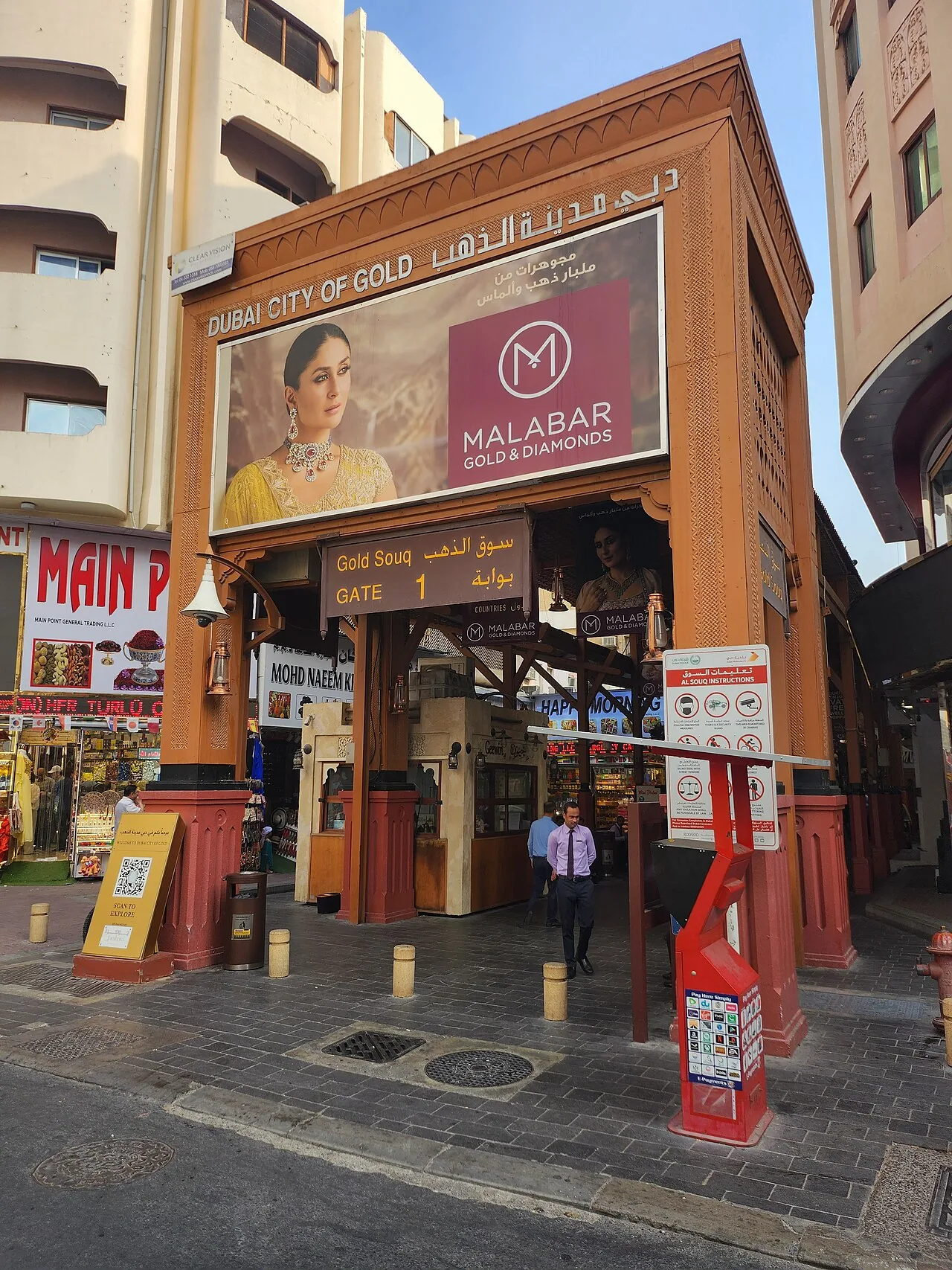
Deira's historic shopping district is home to many jewelry stores. The walk introduces the tradition of gold and jewelry trading in Old Dubai.
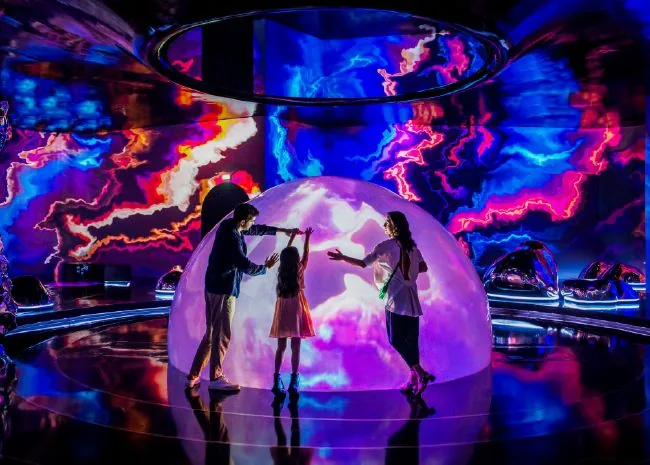
AYA brings together lights, music and interactive spaces in Wafi City. Visitors walk through fantastical gardens, rivers of light and halls with changing projections.
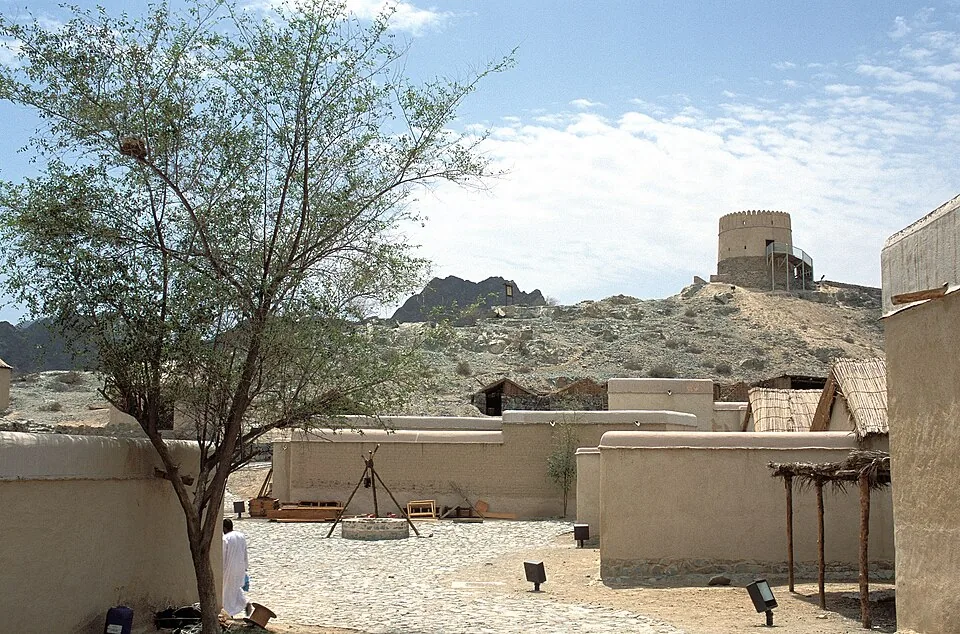
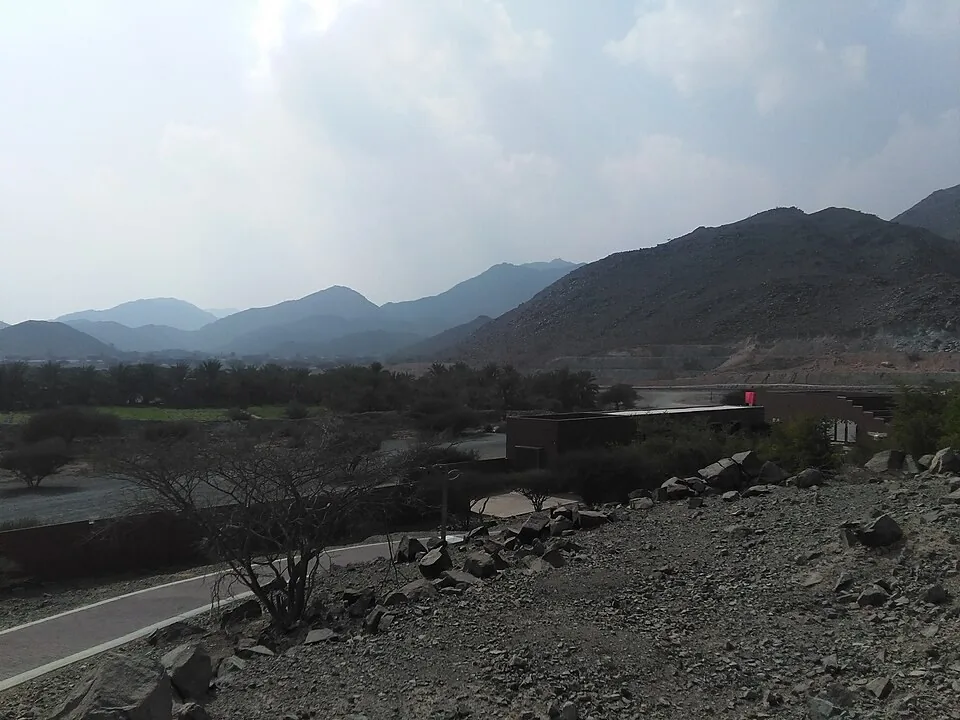
The preserved and restored village shows rural life in the mountainous region. Traditional buildings and defensive features recall Hatta's past before the development of modern tourism.
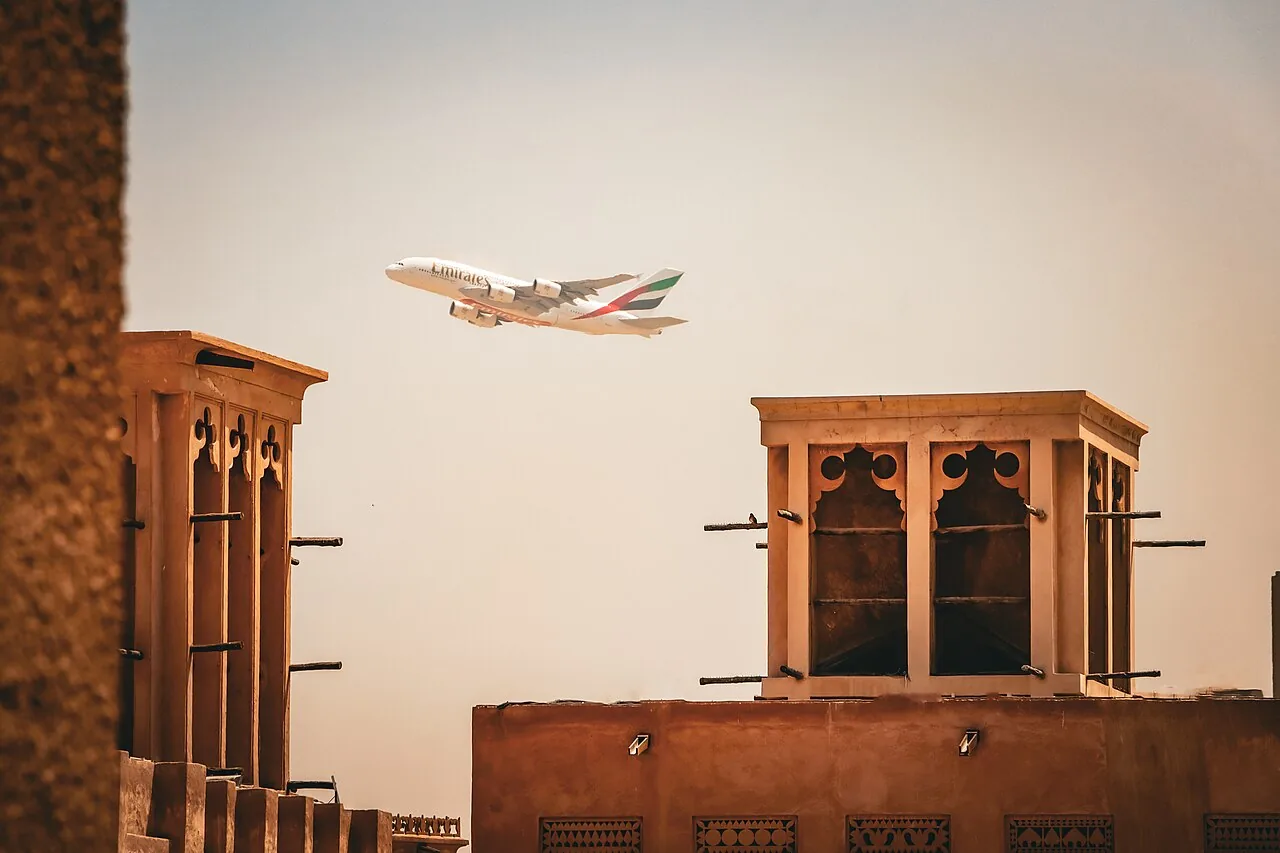
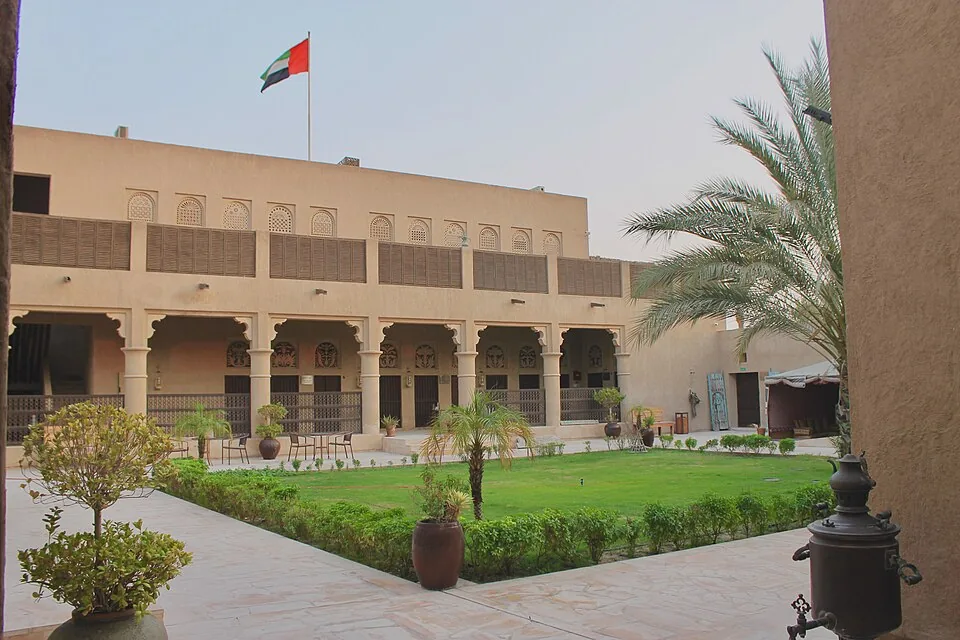
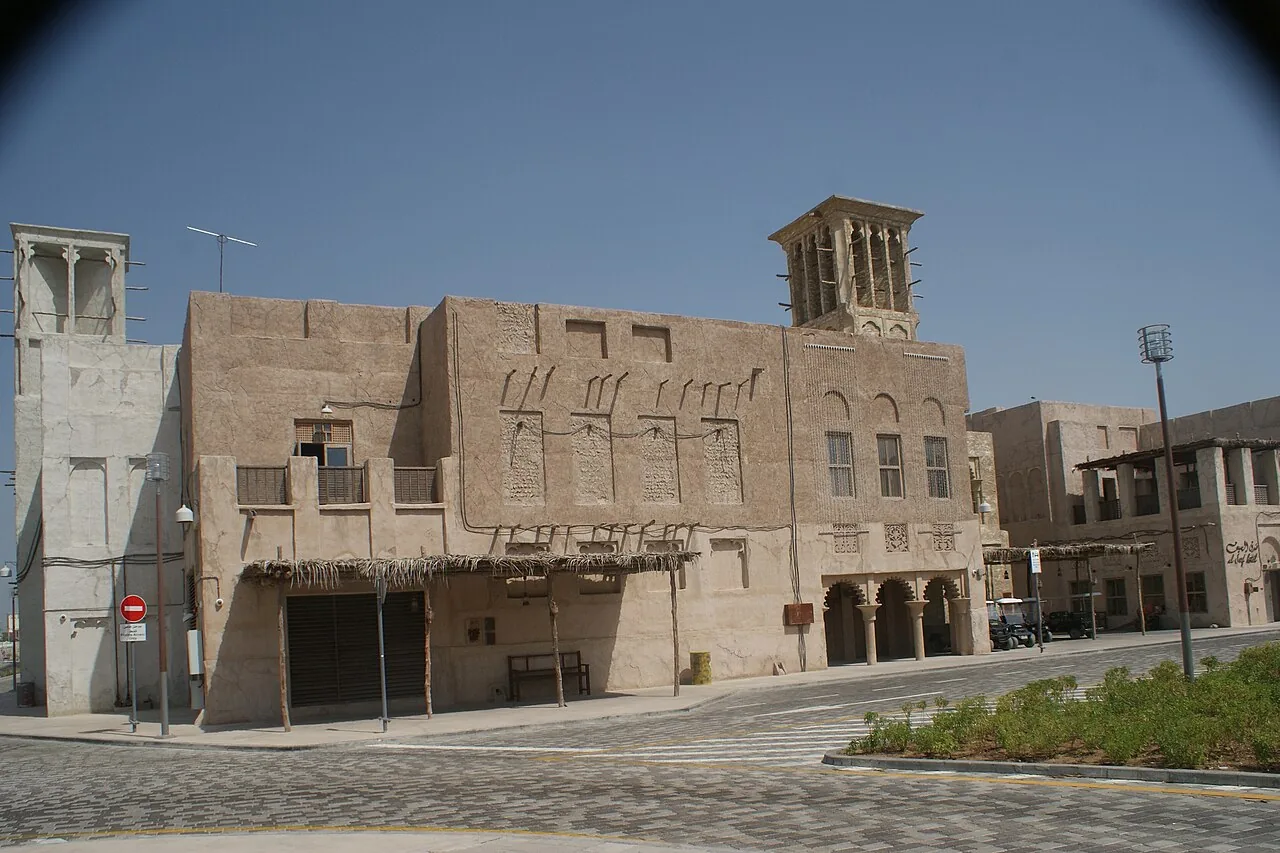
Ancient alleys and houses with wind towers show the architecture of Dubai before high-rise development. The quarter has galleries, museums and cultural spaces.
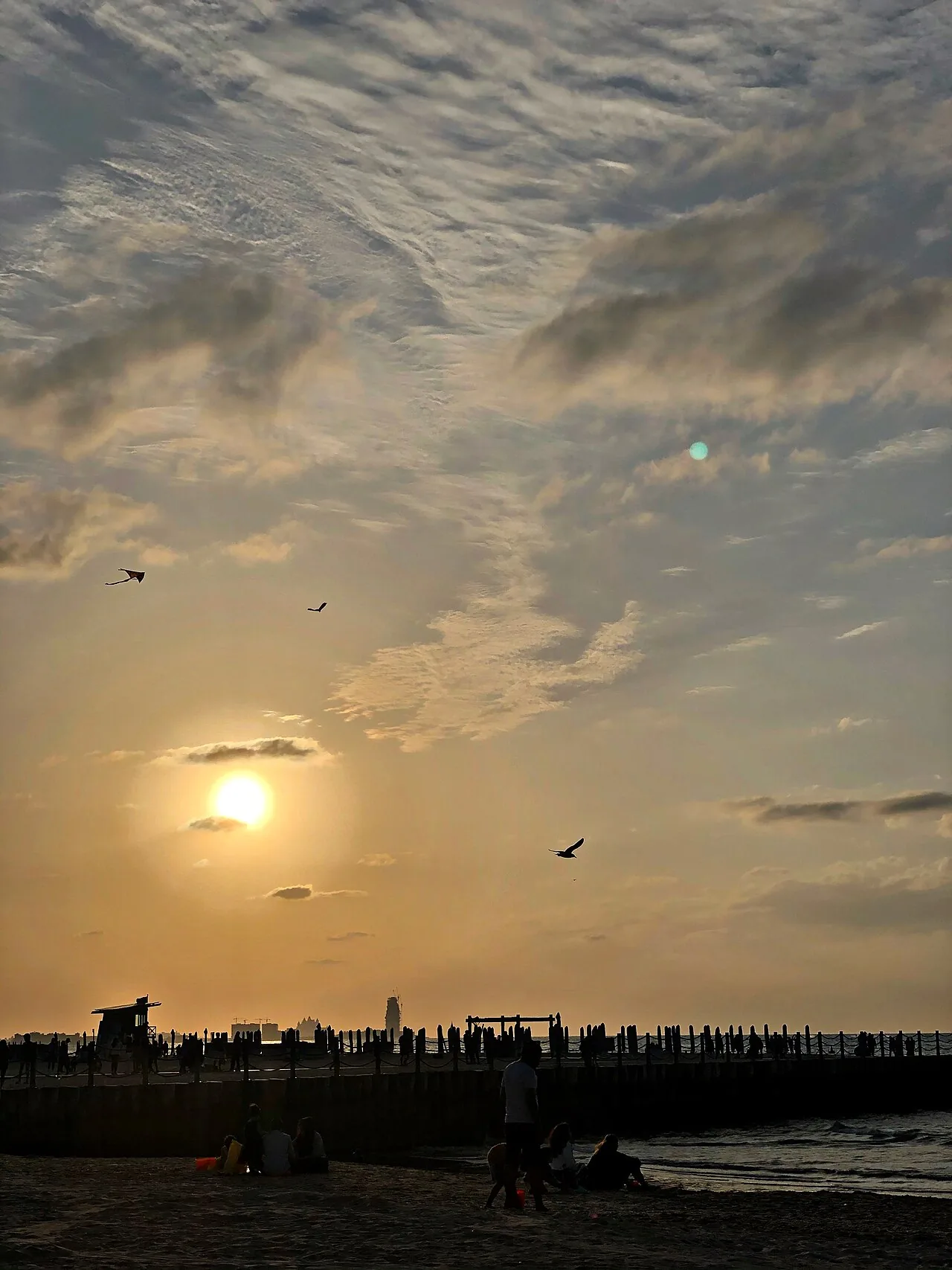
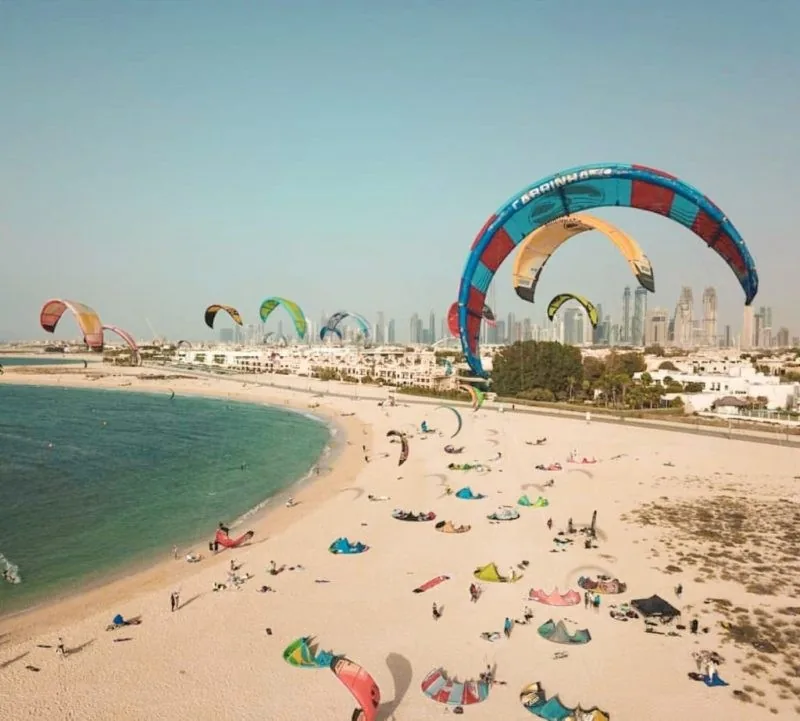
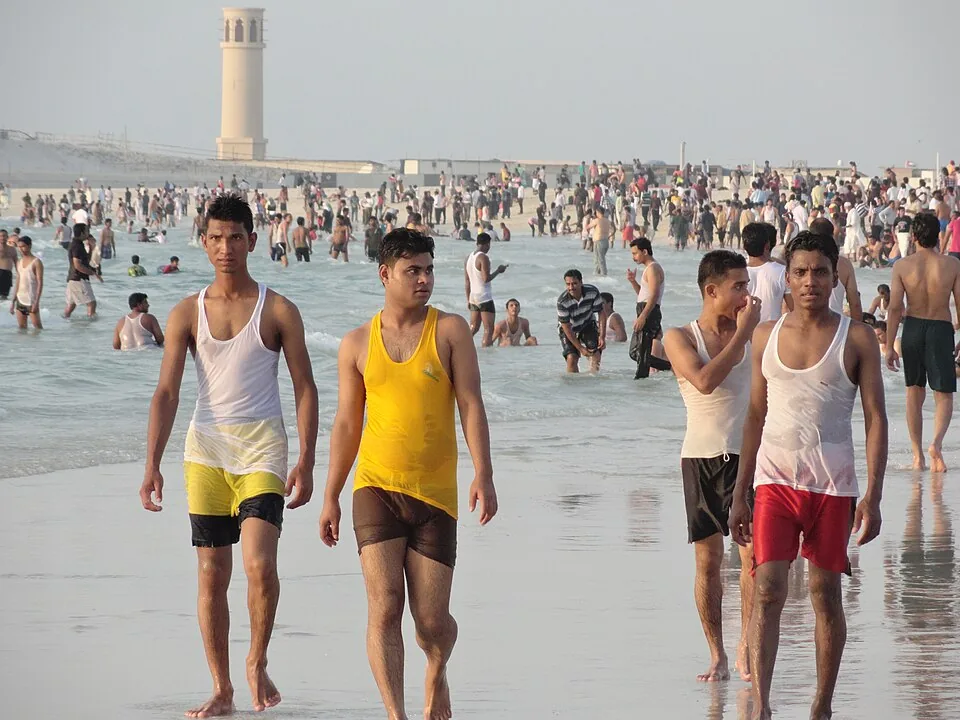
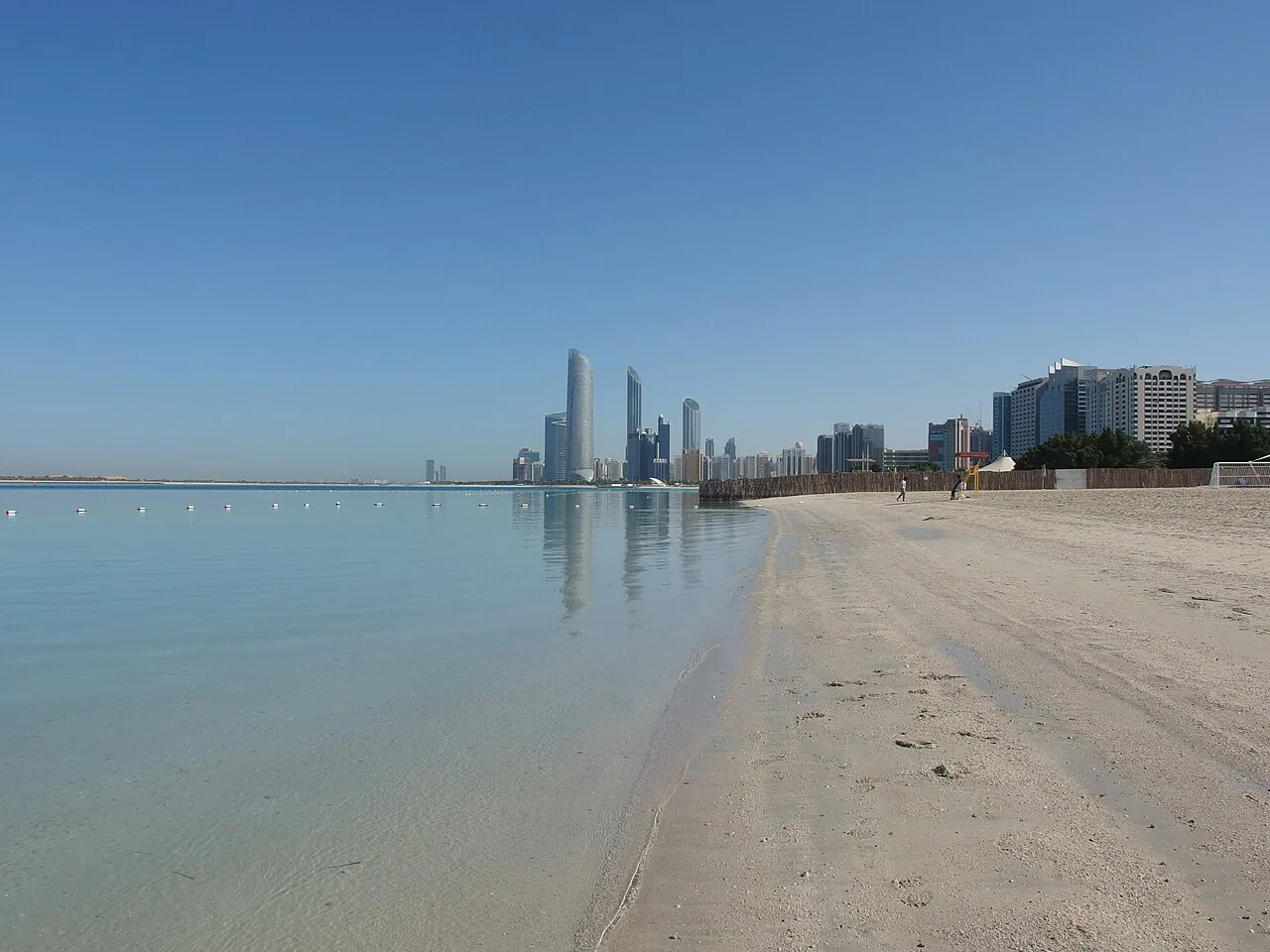
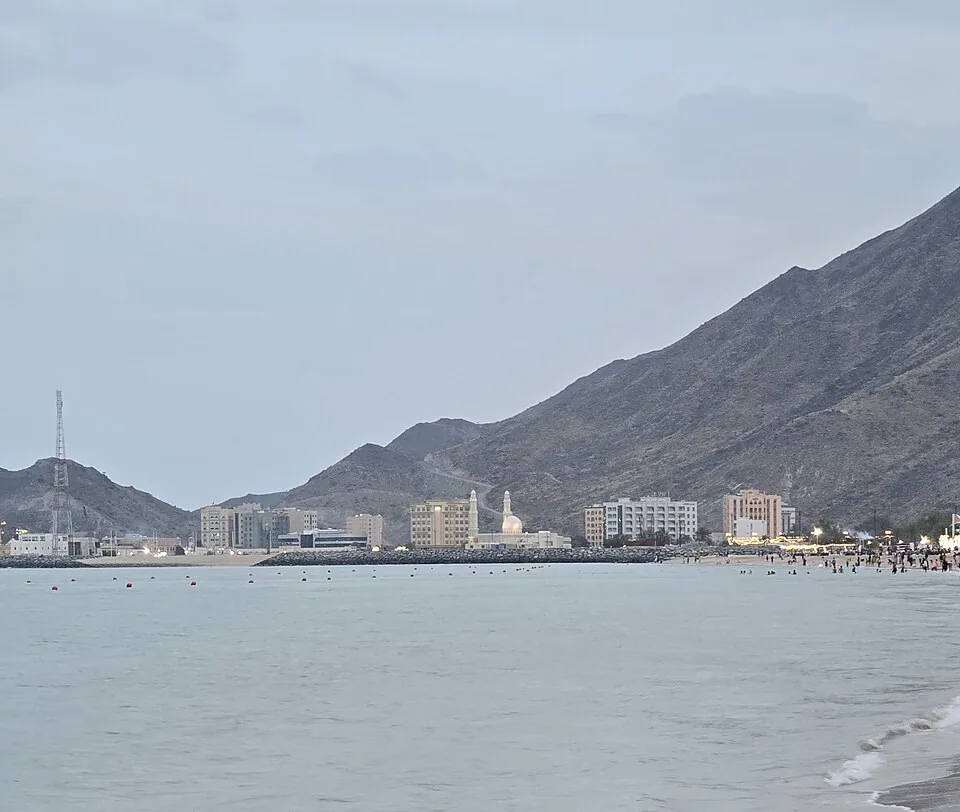
The public beach combines relaxation by the sea and a sporty atmosphere. The surrounding area offers walking trails, water activities and places to eat.
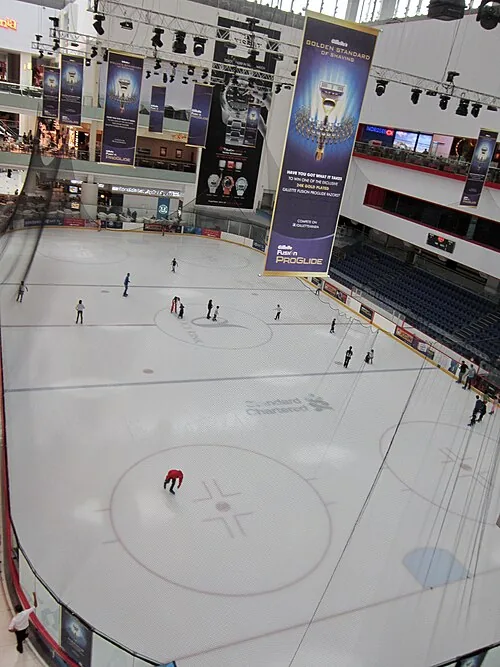
The ice skating rink inside the Dubai Mall offers public skating and instruction. Visits take place in sessions, and separate rules apply for spectators.
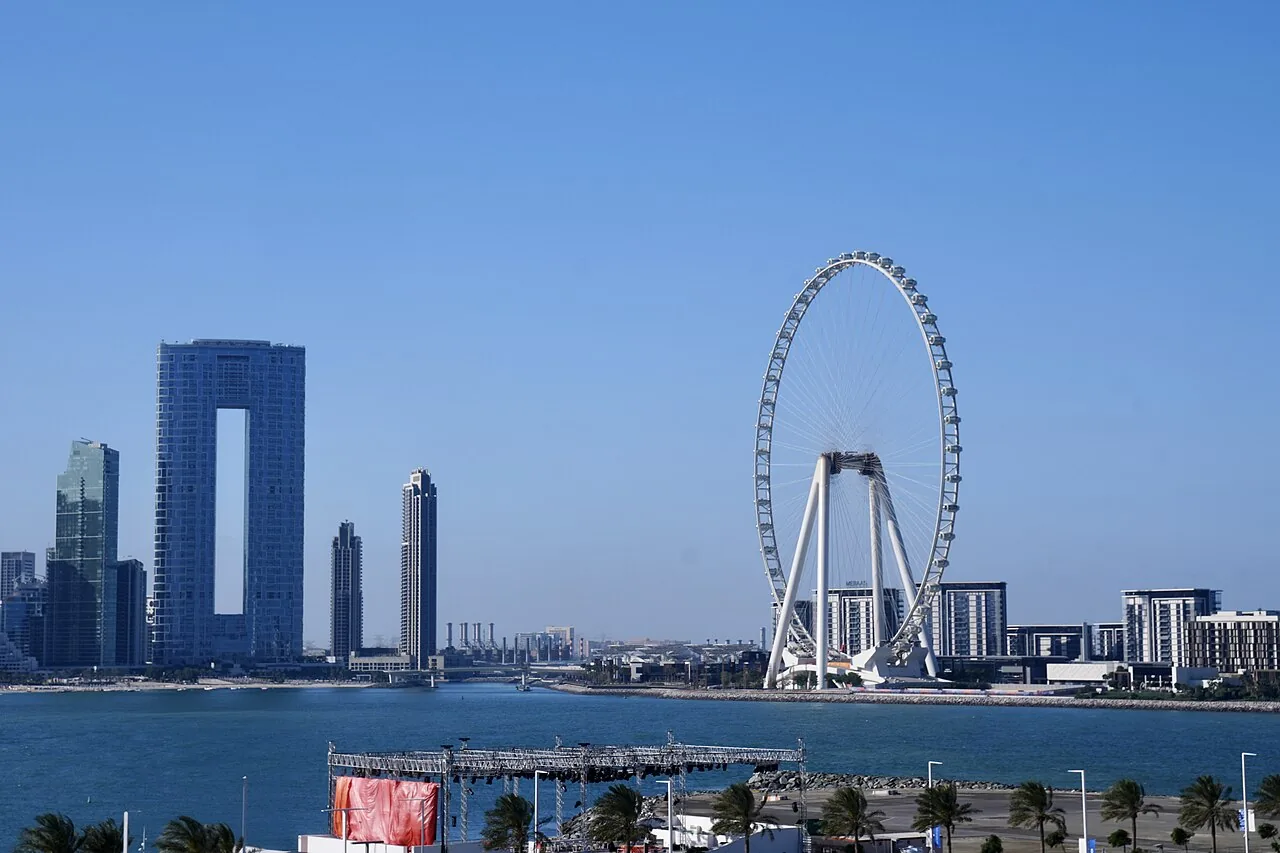
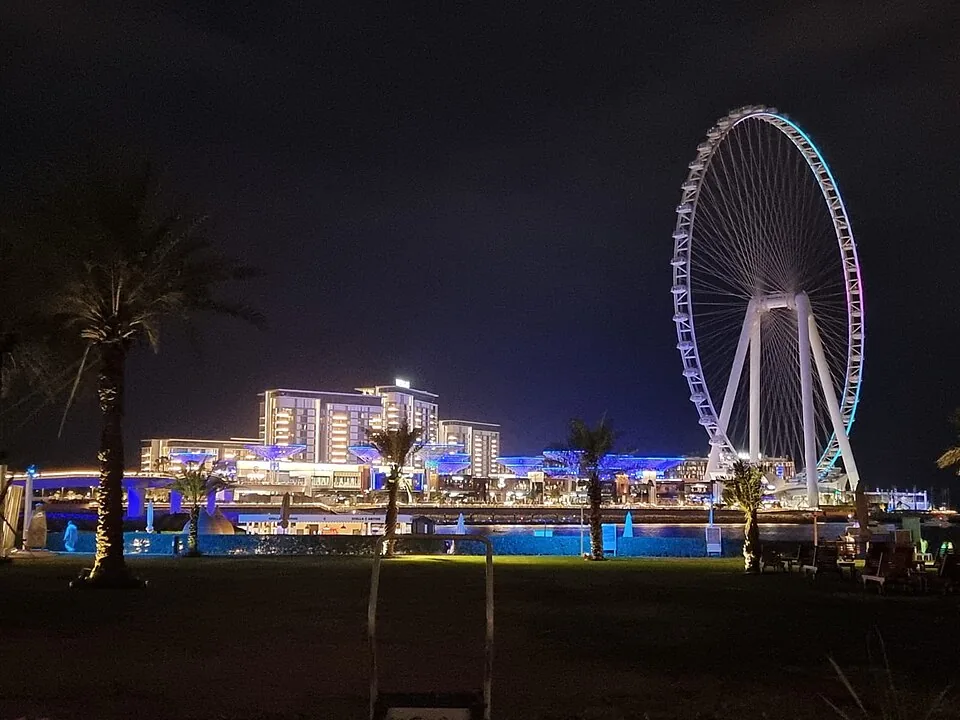
The Bluewaters wheel offers a 360-degree view of the coastline and high-rise neighborhoods. The operator has regular cabs and options with additional service.
The park introduces plants and stories related to the Koran. The main area is accessible for free, but the Glass House and Cave of Miracles have separate entry conditions.
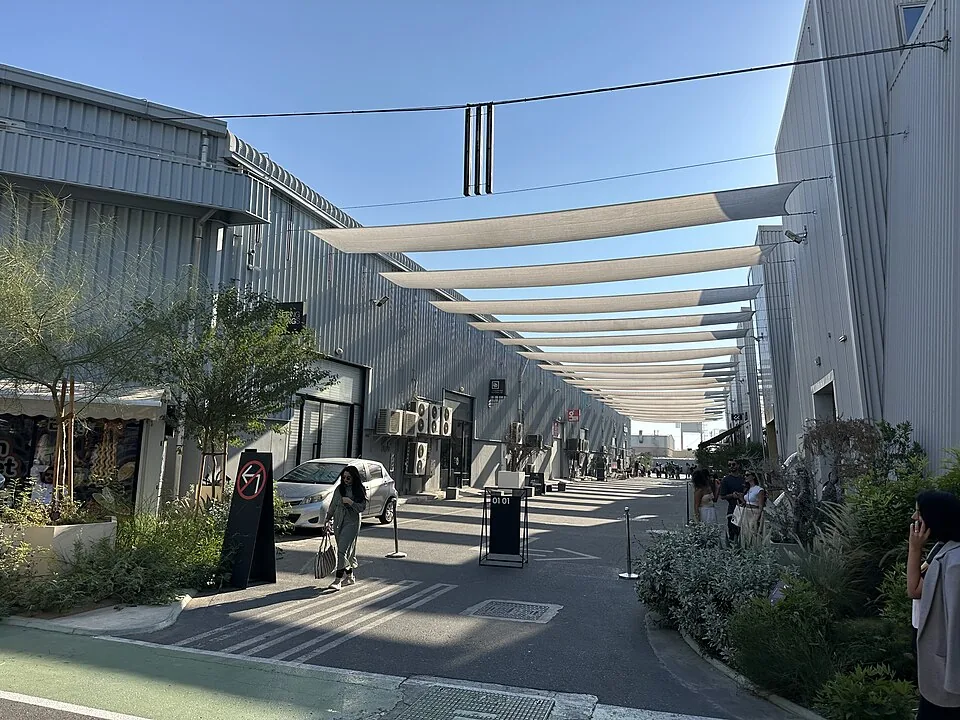
Converted industrial spaces form a quarter of galleries and creative projects. Alserkal Avenue hosts exhibitions, artist meetings and other cultural events.
A cultural program introduces guests of different faiths to the mosque and local traditions. The visit includes explanations and the opportunity to ask questions.
The interactive museum at Bluewaters explores optical, audio and tactile illusions. It is different from the Museum of Illusions in Al Seefa and is located in a different area.
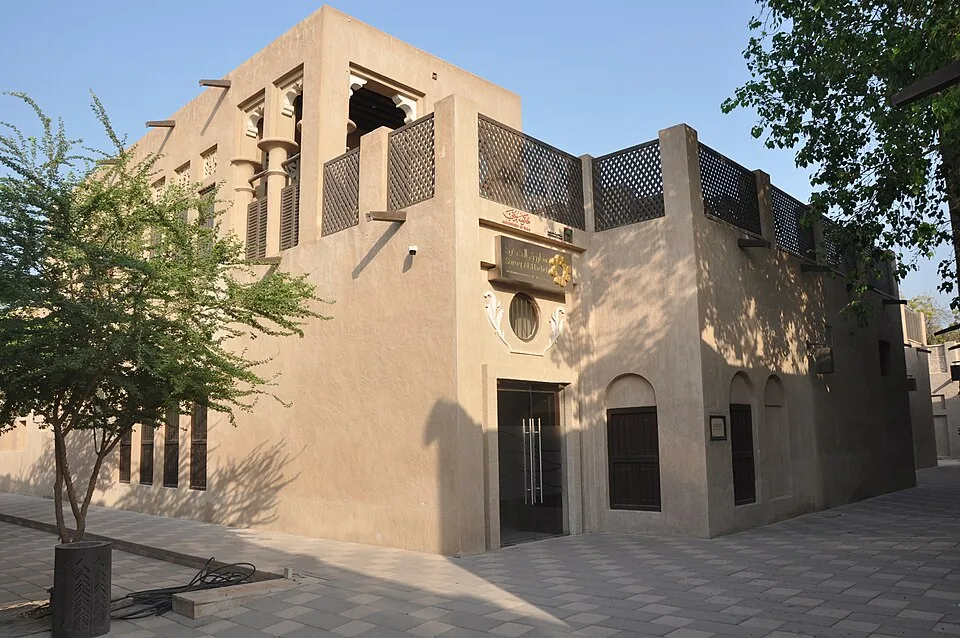
The Dubai Creek History Museum explores the heritage of Dubai and the lives of its people. The visit combines stories about the city with a walk through the old quarter of Al Shindagha.
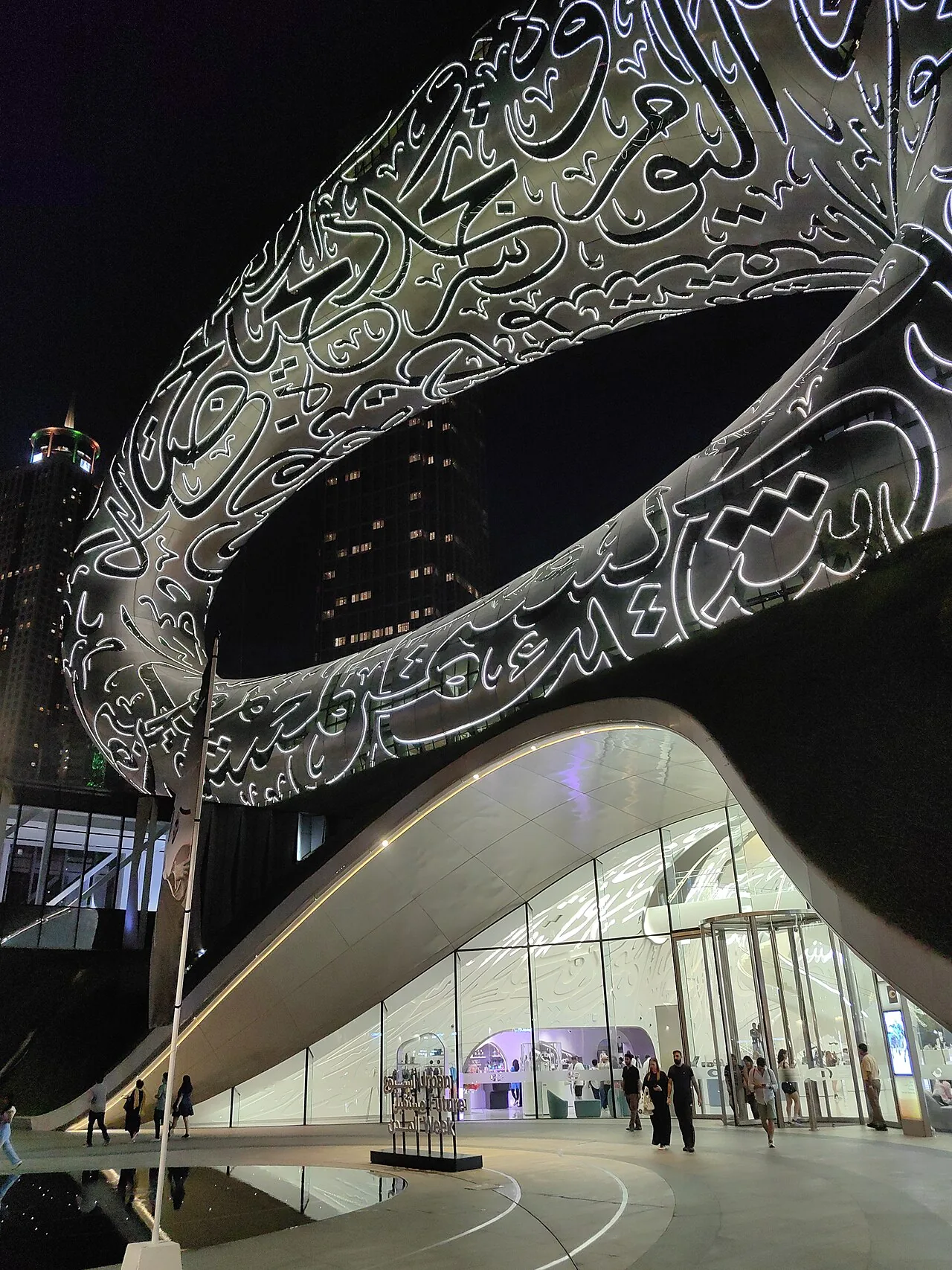
The museum offers future scenarios through technology and immersive spaces. An unusual ring building is located next to the Emirates Towers.
Archive photo of Museum of Illusions Dubai. As of October 14, 2026, the official website reports that the museum is closed.
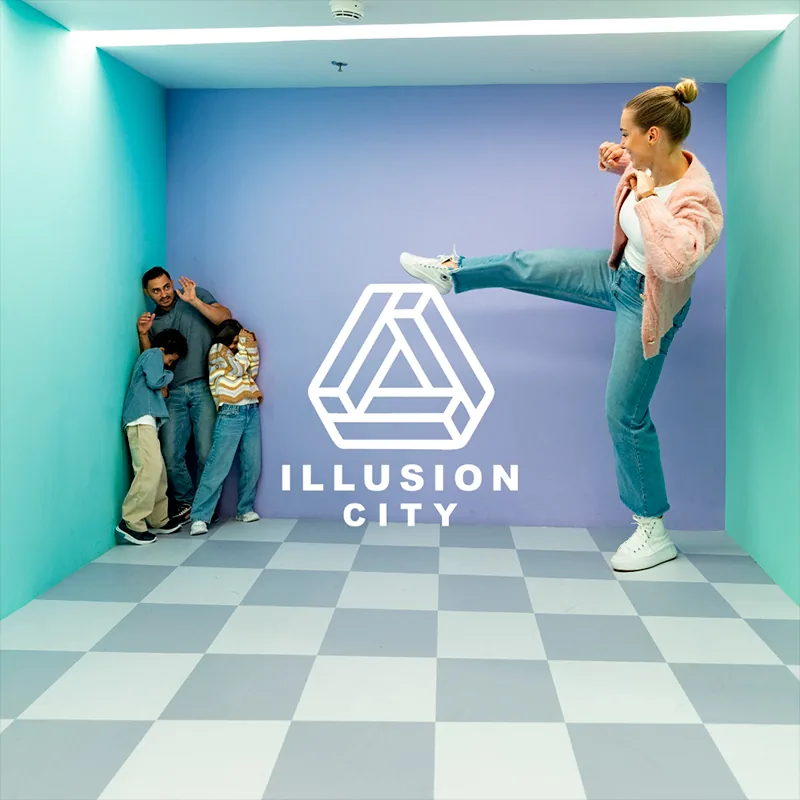
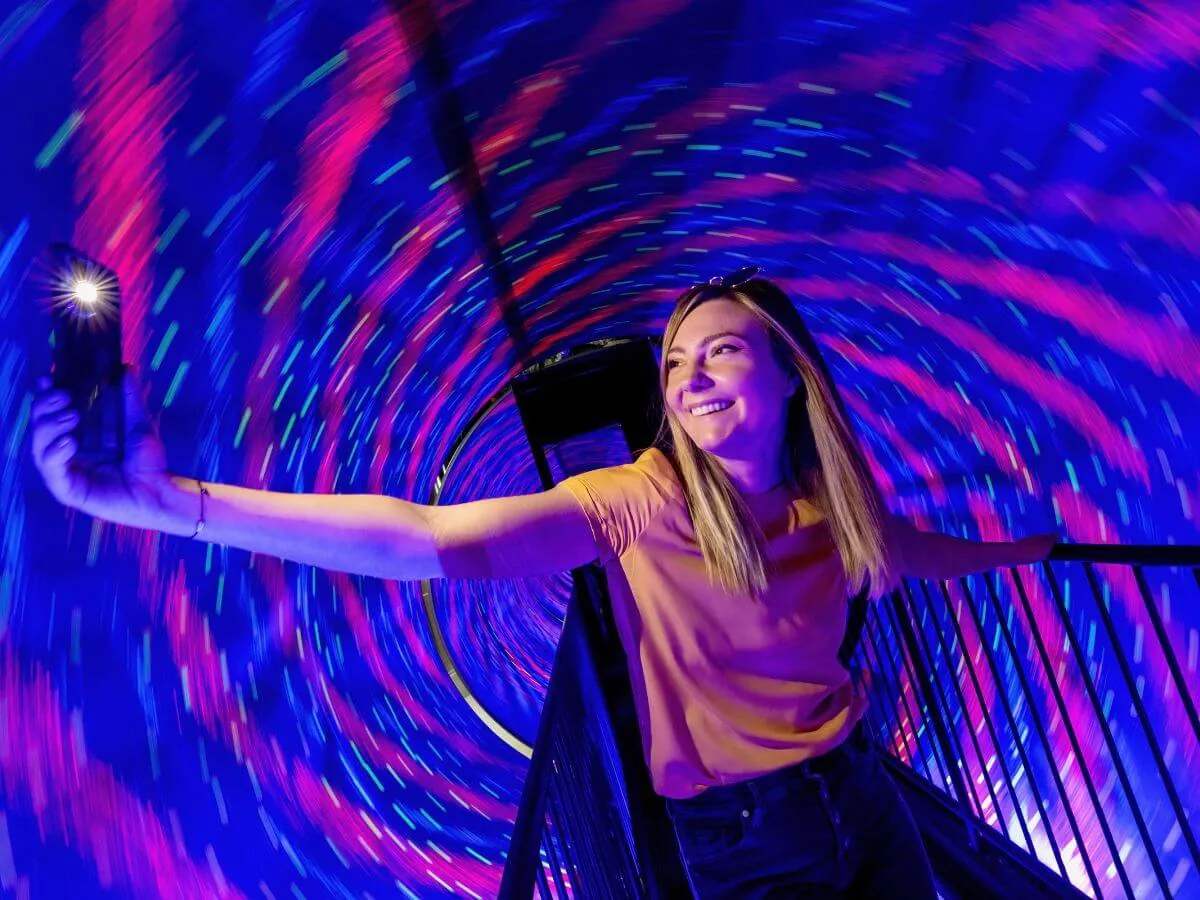
Interactive museum uses optical illusions and unusual perspectives. The exhibits allow you to explore perception and create photographs that deceive scale.
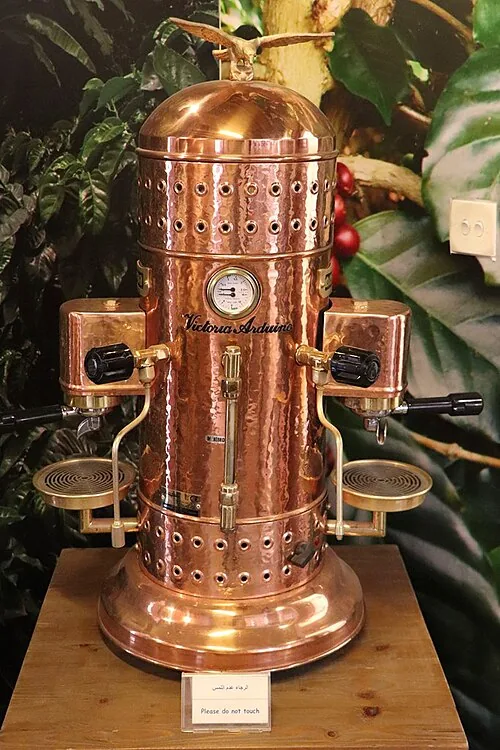
Temporarily closedA small museum in the historical quarter tells about the coffee traditions of different countries. The exhibition includes antique accessories, and separate sections introduce roasting and preparation of the drink.
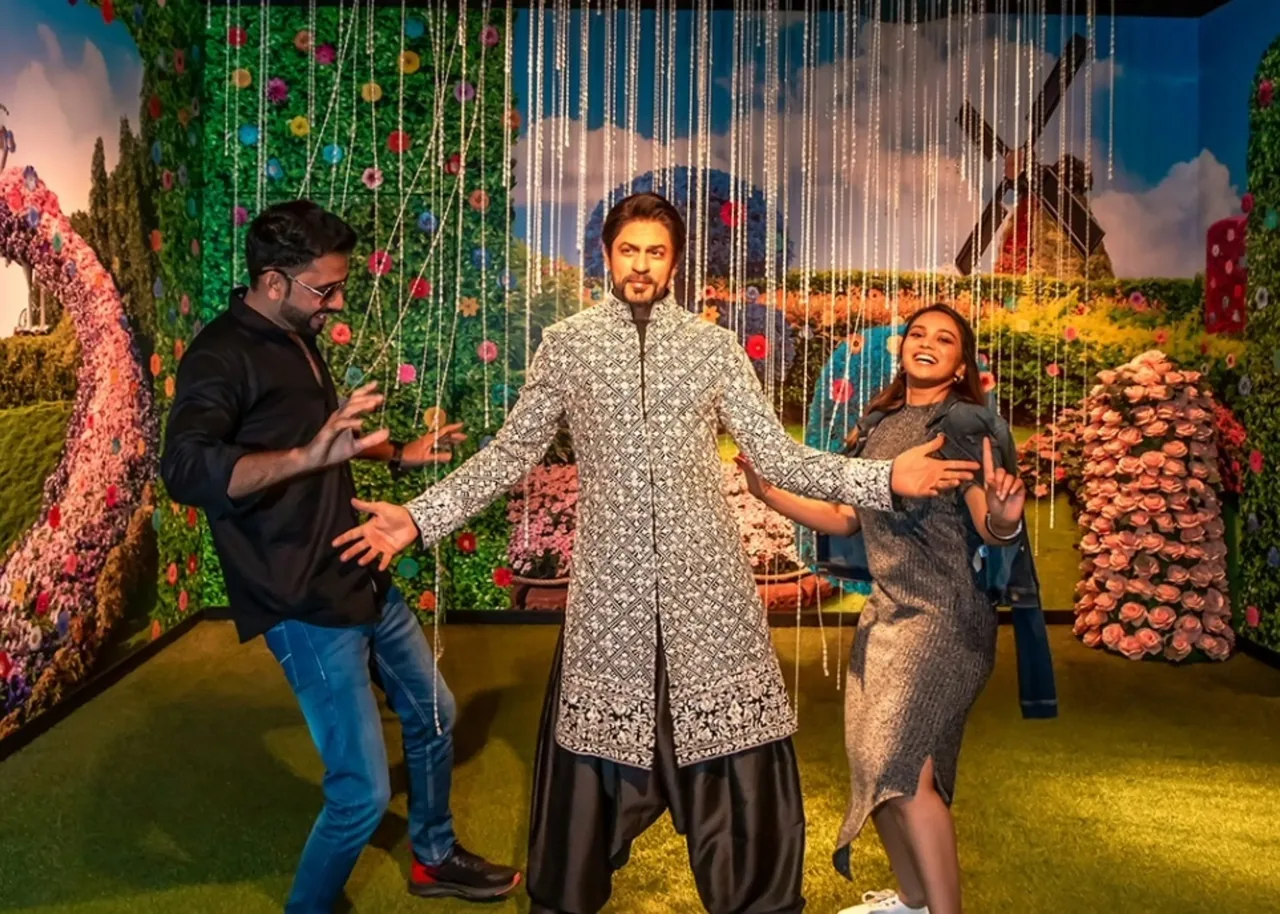
The wax museum at Bluewaters attracts celebrities from film, music and sport. Interactive zones allow you to take photos next to the figures and change the scenario of your visit.
The Archaeological Museum presents finds from the desert Saruk al-Hadid. An interactive exhibition tells the story of the Iron Age and the region's past.
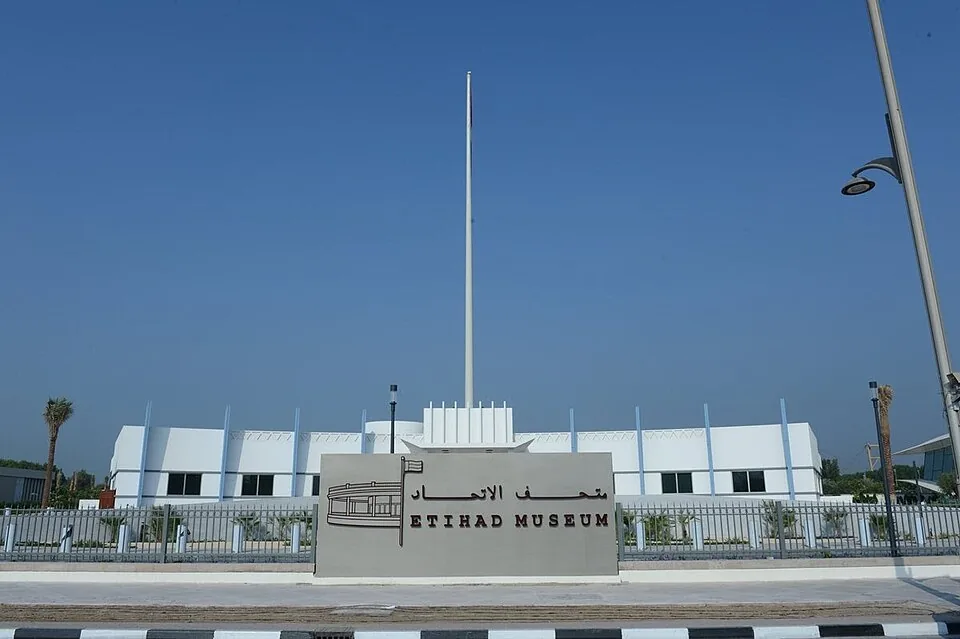
The museum is dedicated to the creation of the United Arab Emirates and the modern history of the country. Photos, films and interactive pavilions tell the story of the path to unification.
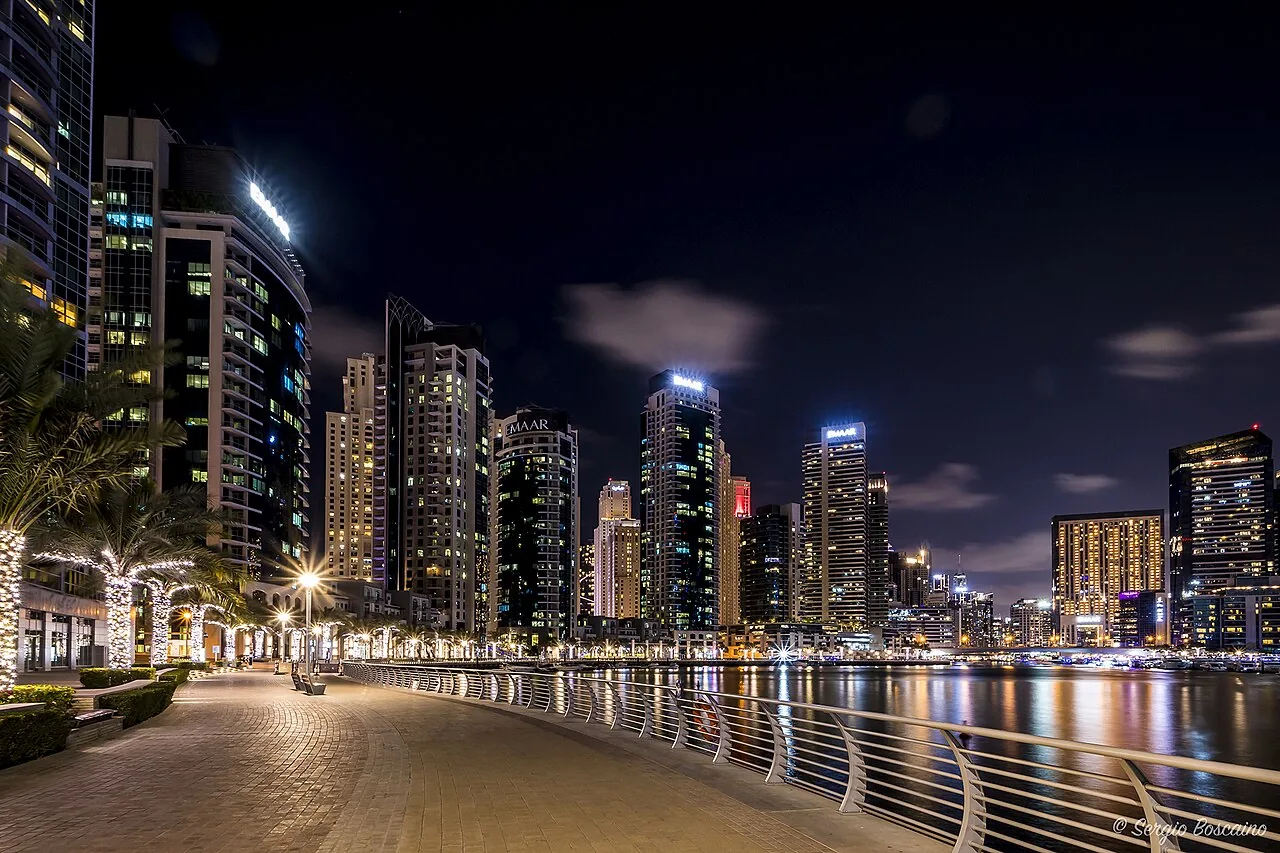
The pedestrian promenade skirts the water part of Dubai Marina among yachts and high-rise buildings. Along the road there are piers, cafes and exits to transport stops.
The promenade along Dubai Creek connects historic neighborhoods with modern spaces. From here it is convenient to continue your walk to Al Fahidi and watch the boats move along the bay.
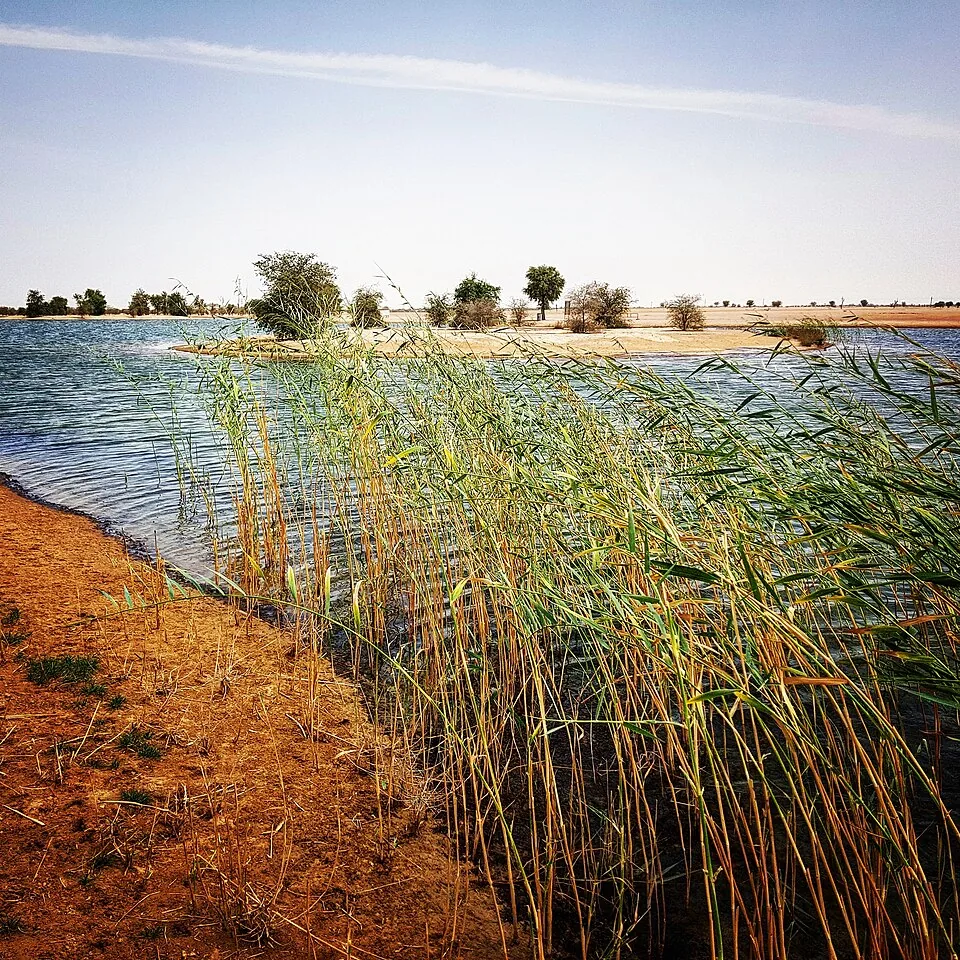
The lakes in the Al Marmum desert form a contrast of water and sandy landscapes. The place is chosen for bird watching, walking and nature photography.
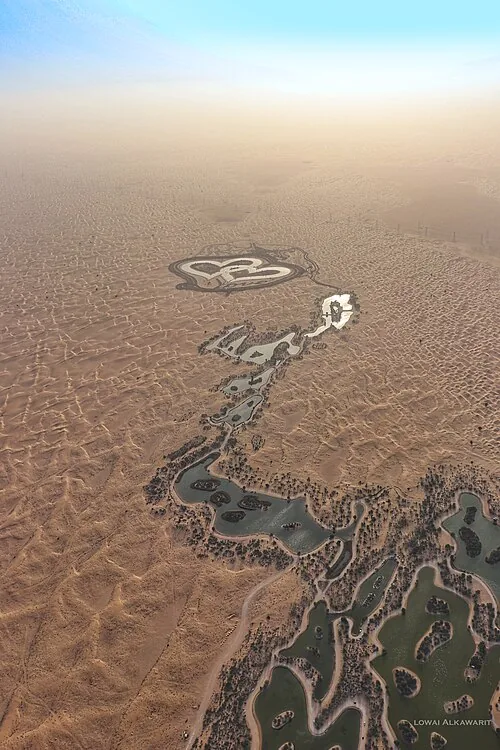
Two connected bodies of water form a heart shape amidst the desert landscape. There are walking spaces with natural views around.
The island opposite Dubai Marina combines promenades, restaurants and entertainment venues. Its prominent landmark is the Ain Dubai Wheel and a pedestrian link leads to the JBR area.
The indoor park brings together the worlds of Marvel, Cartoon Network and the dinosaurs of Lost Valley. In addition to the attractions, there are play spaces and themed areas for different ages.
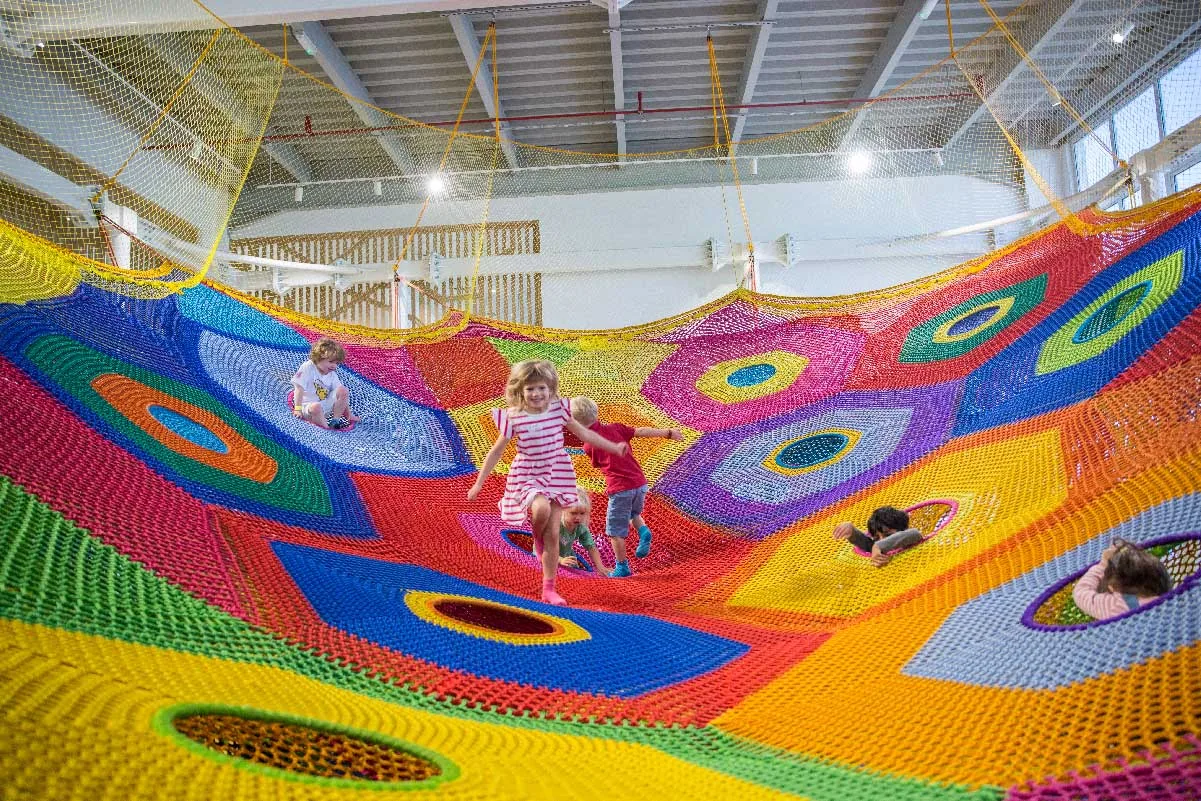
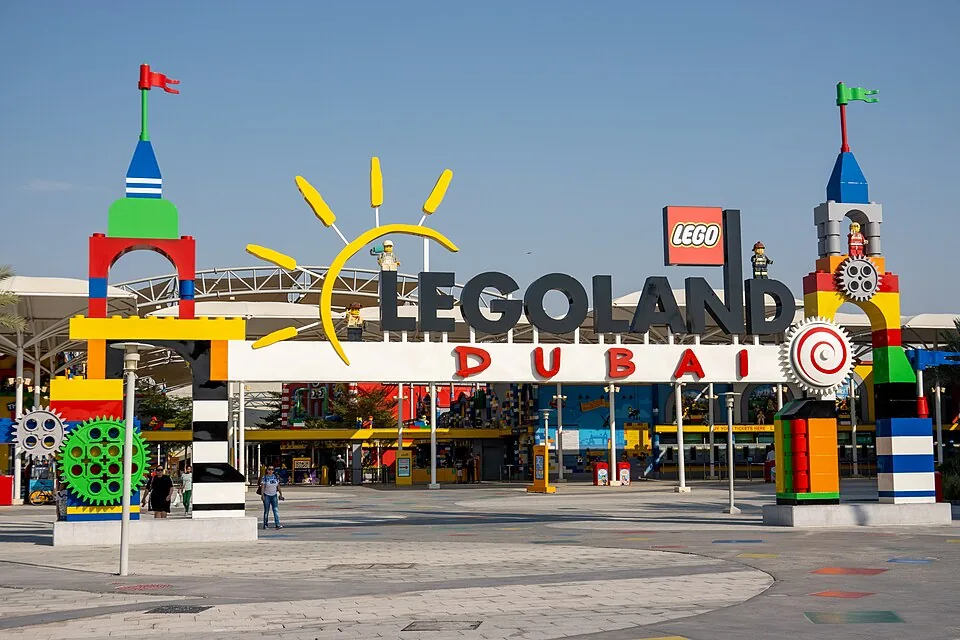
The park at Dubai Parks and Resorts is themed around LEGO bricks and family-friendly attractions. The main audience is families with children who are interested in games, models and interactive activities.
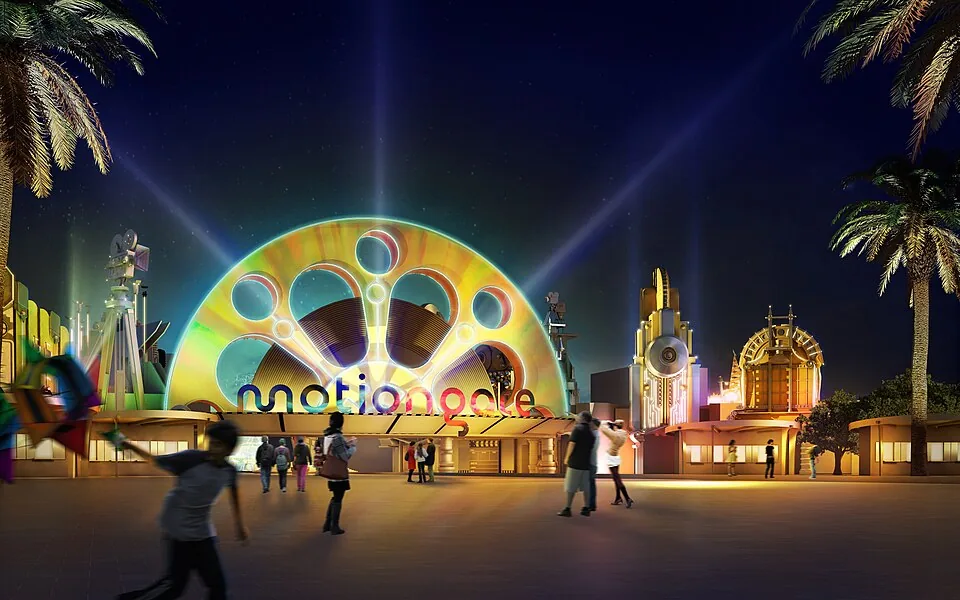
The cinema park takes guests into the worlds of famous films and cartoons. Topics include DreamWorks, Columbia Pictures and Lionsgate.
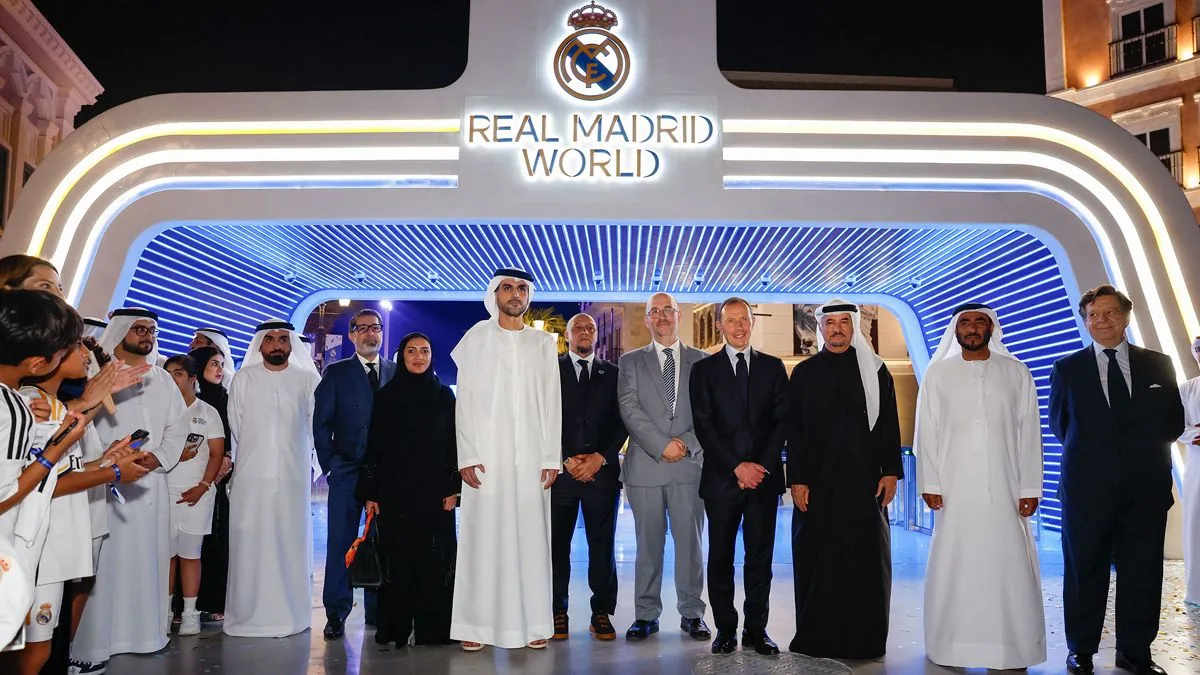
Official opening of Real Madrid World, November 13, 2024.
The park at Dubai Parks and Resorts is dedicated to the Real Madrid football club. Attractions and themed spaces combine team history with family fun.
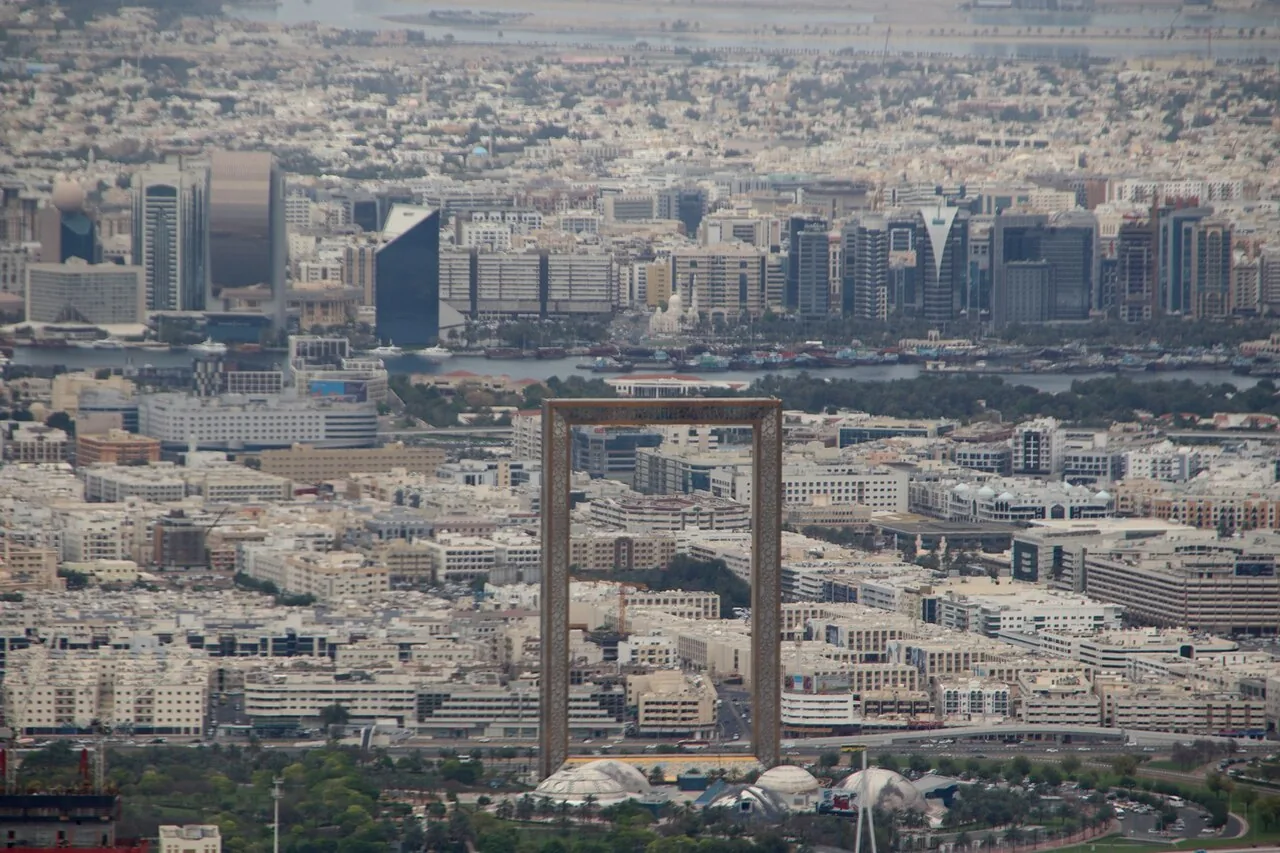
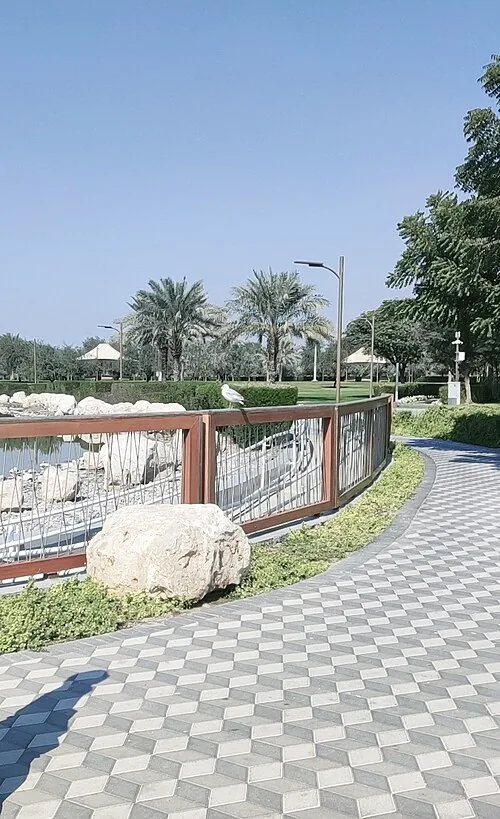
A large city park is surrounded by green walking areas and recreational areas. Within its boundaries is the Dubai Frame, a visit to which must be booked separately.
The green space in Mushrif allows you to switch from urban development to a walk among the trees. There are independent sports and adventure areas located inside and nearby.
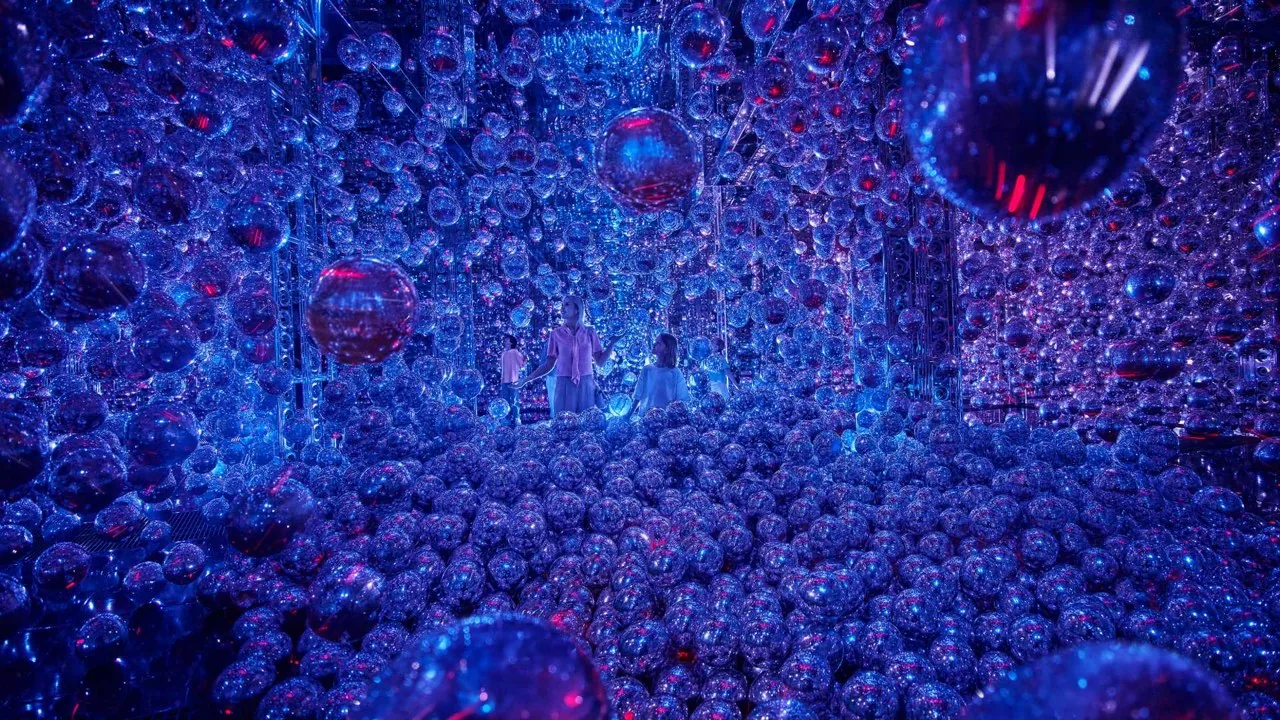
The entertainment space inside the Dubai Mall is built as a collection of unusual worlds. Light-up decorations, hidden rooms and play activities are suitable for exploration and photography.
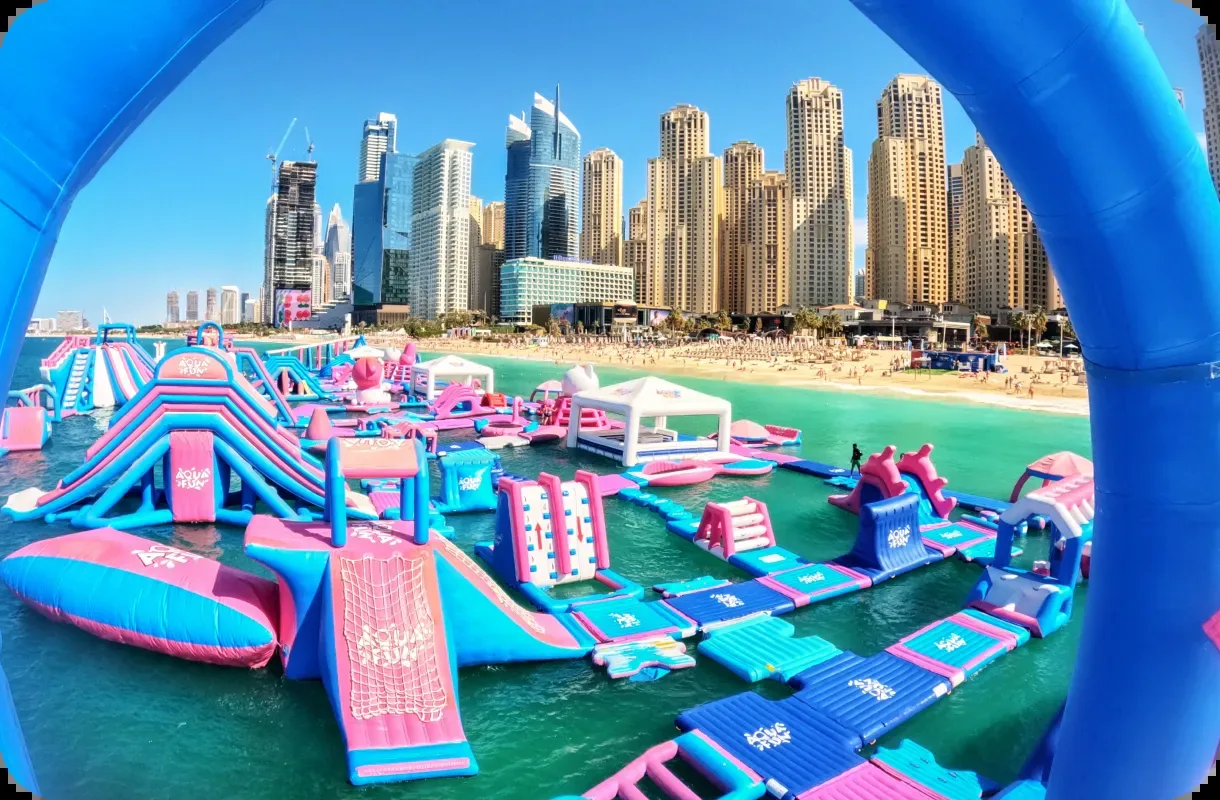
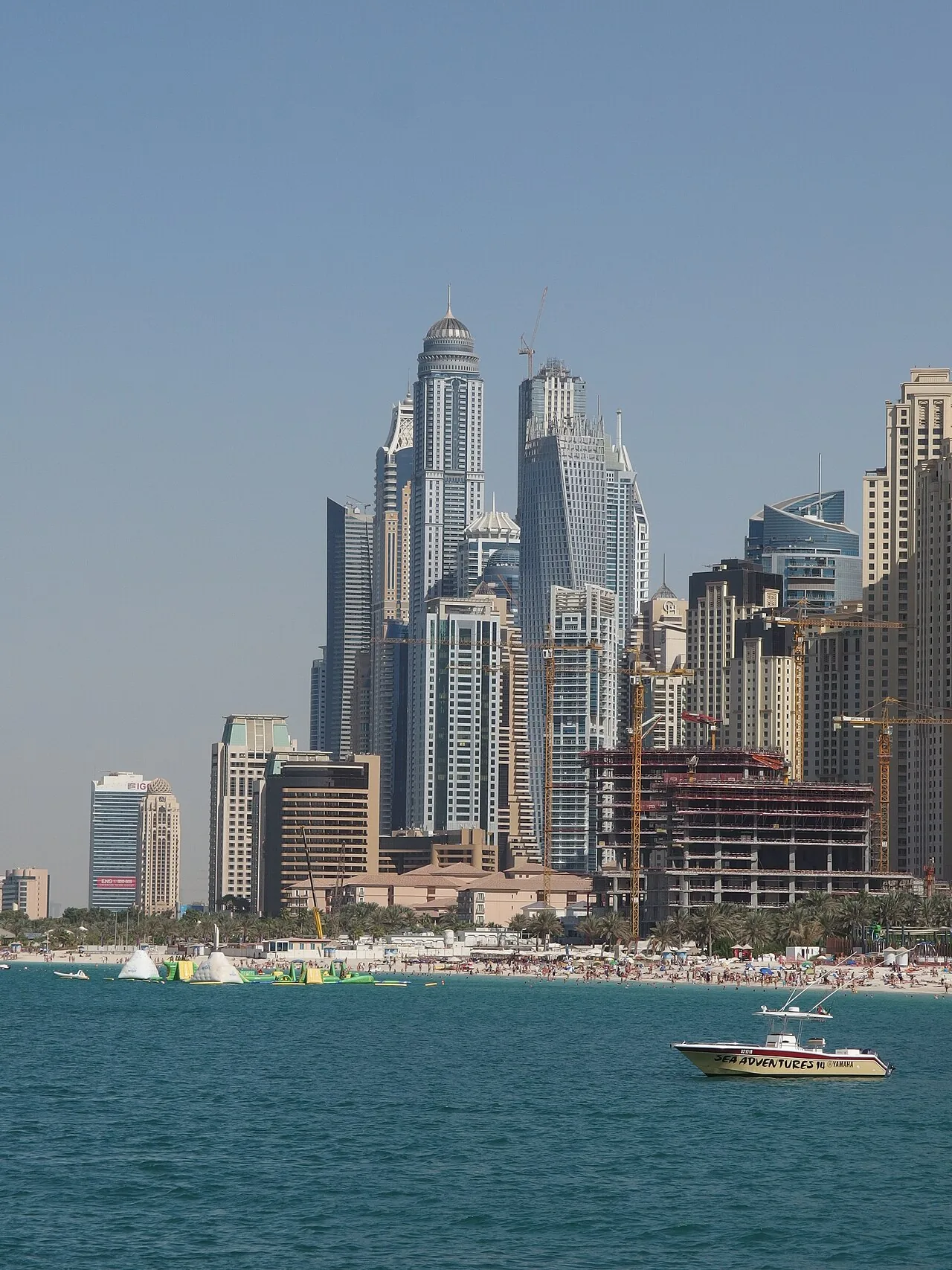
The inflatable water park is located in the sea near JBR Beach. The route consists of obstacles and slides that pass over the water.
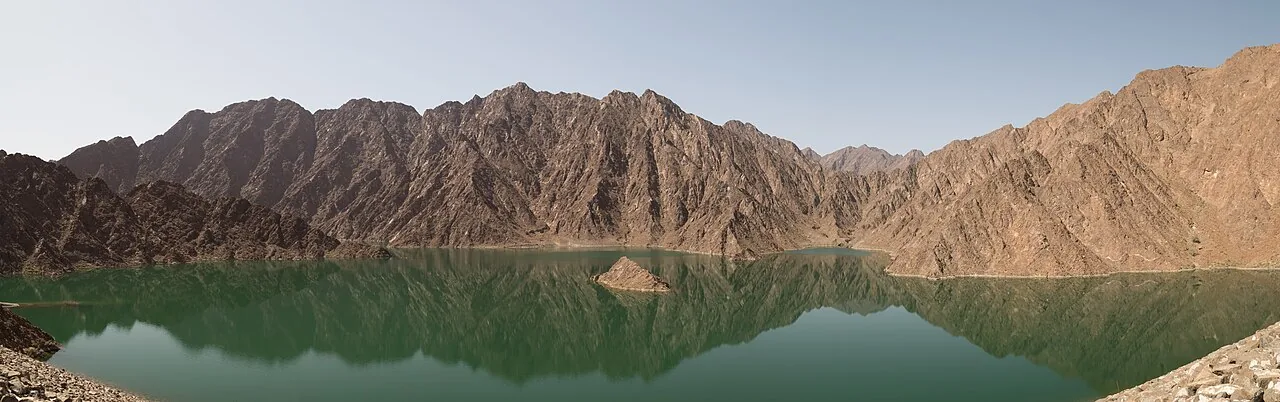
The turquoise water of the reservoir is surrounded by the mountainous landscape of Hatta. In addition to views from the shore, operator Hatta Kayak offers kayaks and other watercraft at separate rates.
The beach at Dubai Islands offers water recreation close to the old areas of Deira. The official guide highlights the possibility of visiting with a dog and non-motorized water activities.
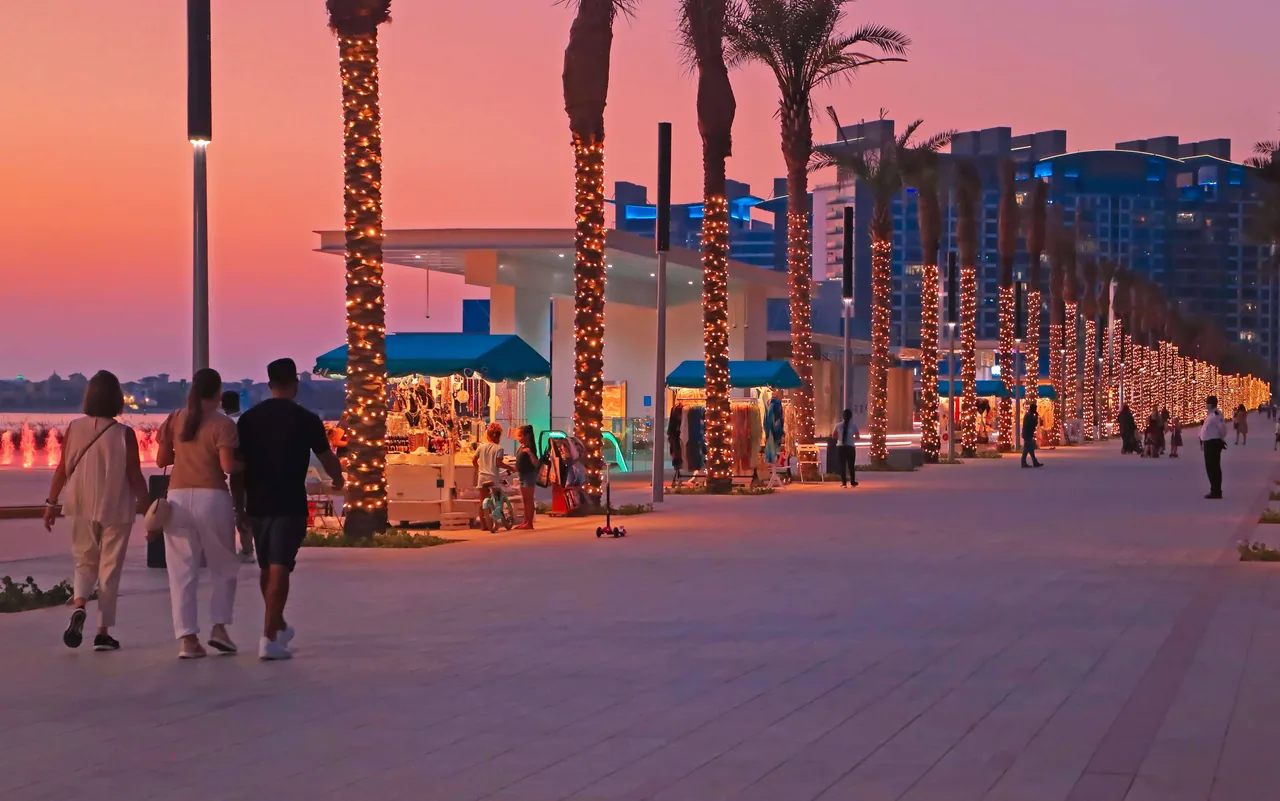
The beach promenade runs along the western side of the Palm Jumeirah's trunk. It combines city skyline views, waterfront restaurants and beach clubs.
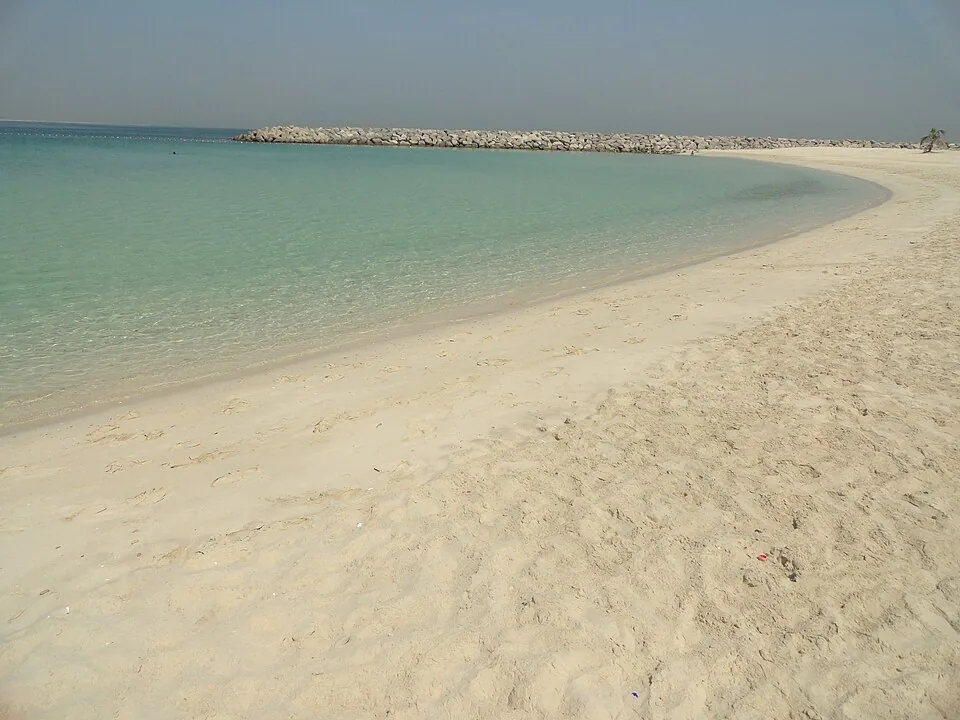
Jumeirah Public Beach is also called Nessnass Beach. The coastline combines relaxation on the sand and water sports.
The park combines several beaches with green lawns and walking paths. There are play spaces for families, and some additional services have their own conditions.
The JBR waterfront area combines the beach, promenades, restaurants and shops. Water activities and equipment rental are available as separate services.
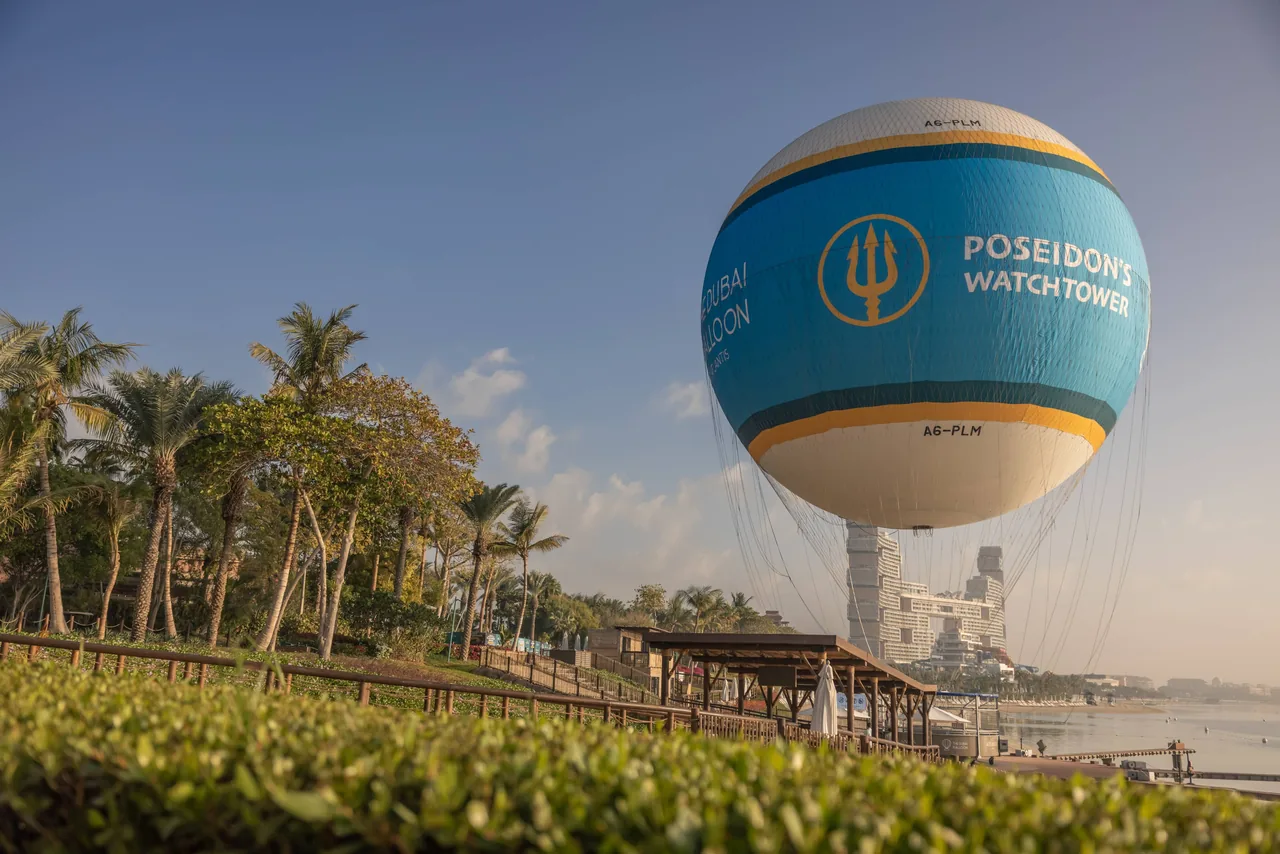
A tethered balloon at Atlantis takes visitors above Palm Jumeirah. The balloon remains attached to the ground by a cable throughout the sightseeing ascent.
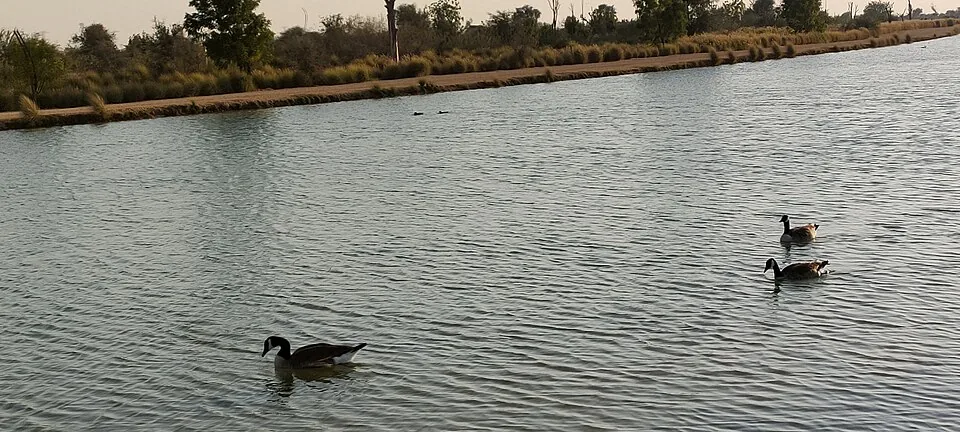
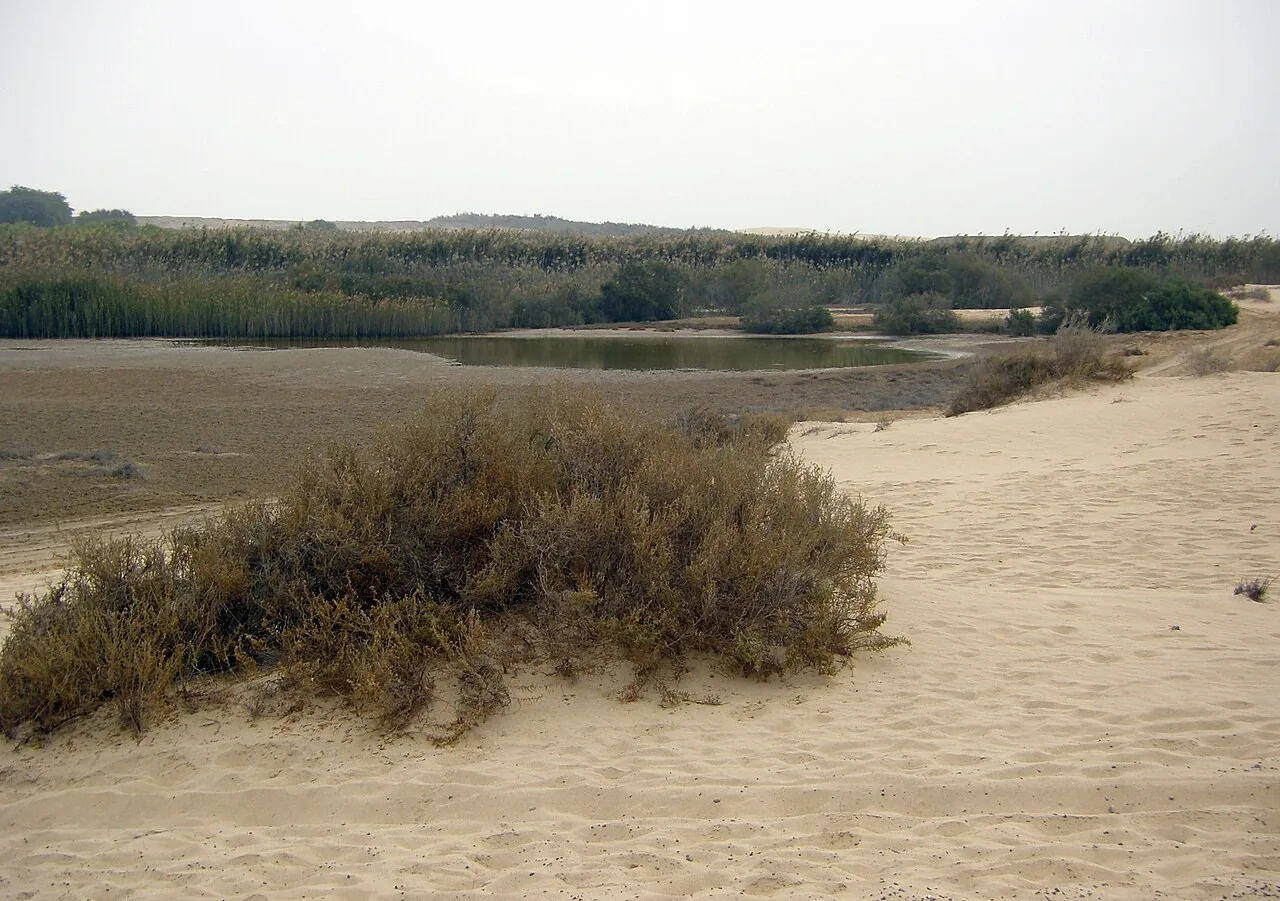
Lake of Love in the Al-Marmum Nature Reserve.
The unfenced protected area combines desert landscapes and lakes. Here you can observe local and migratory birds and get acquainted with the nature of the emirate far from high-rise areas.
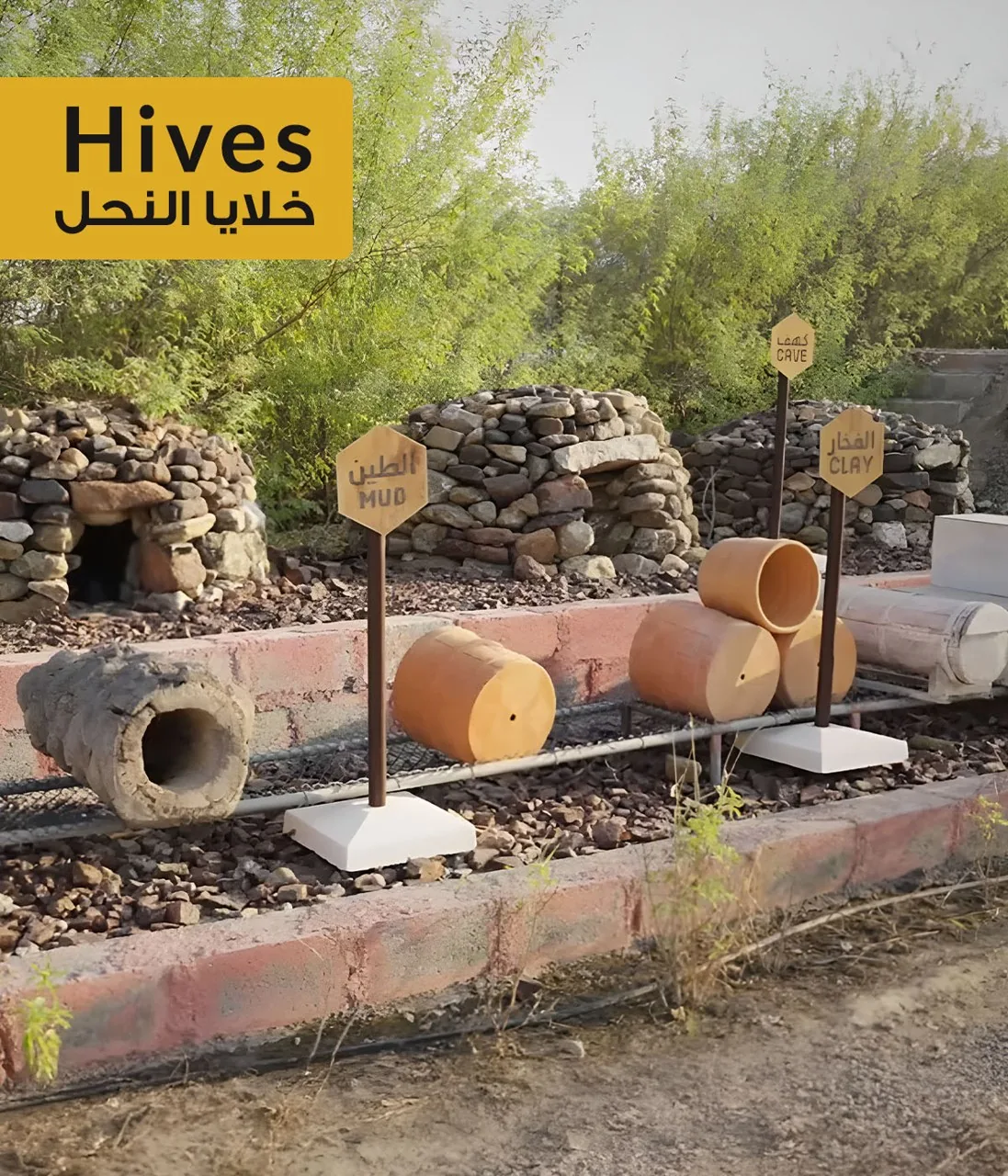
Hatta Honeybee Garden training hives.
Educational farm introduces bees, honey and plants of the mountain region. The programs explain the work of an apiary and the role of pollinators in nature.
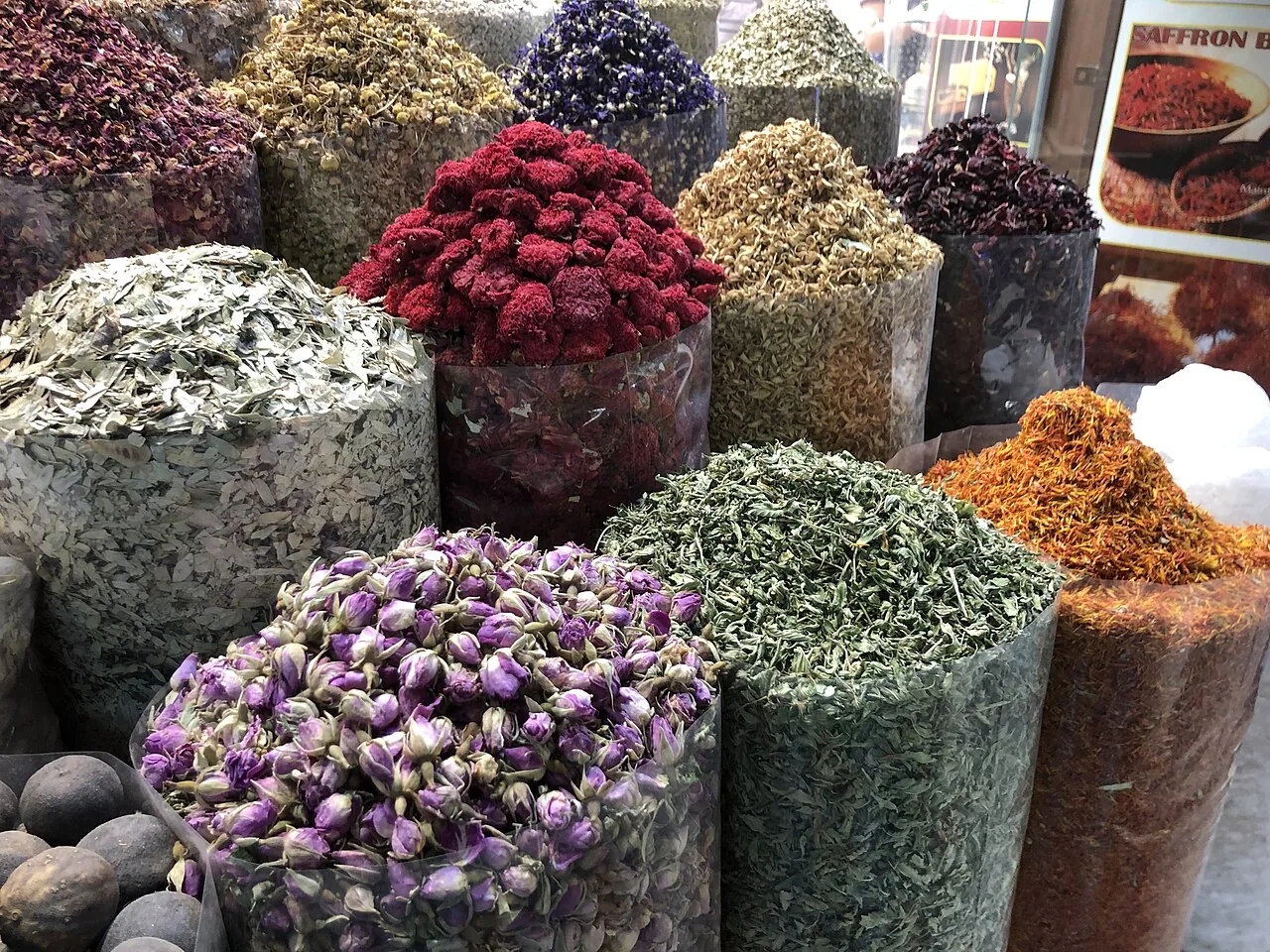
The market in Deira collects spices, herbs and aromatic goods from different countries. Its shopping alleys can be conveniently included in a walk through the old markets at Dubai Creek.
The public beach is famous for its views towards Burj Al Arab. It is suitable for a relaxing holiday by the sea and observing the coast.
The large zoo combines themed areas and animal safari routes. The operator publishes seasonal work; the current discovery requires separate verification.
Check openingArchive press photo of Emaar, 2021.
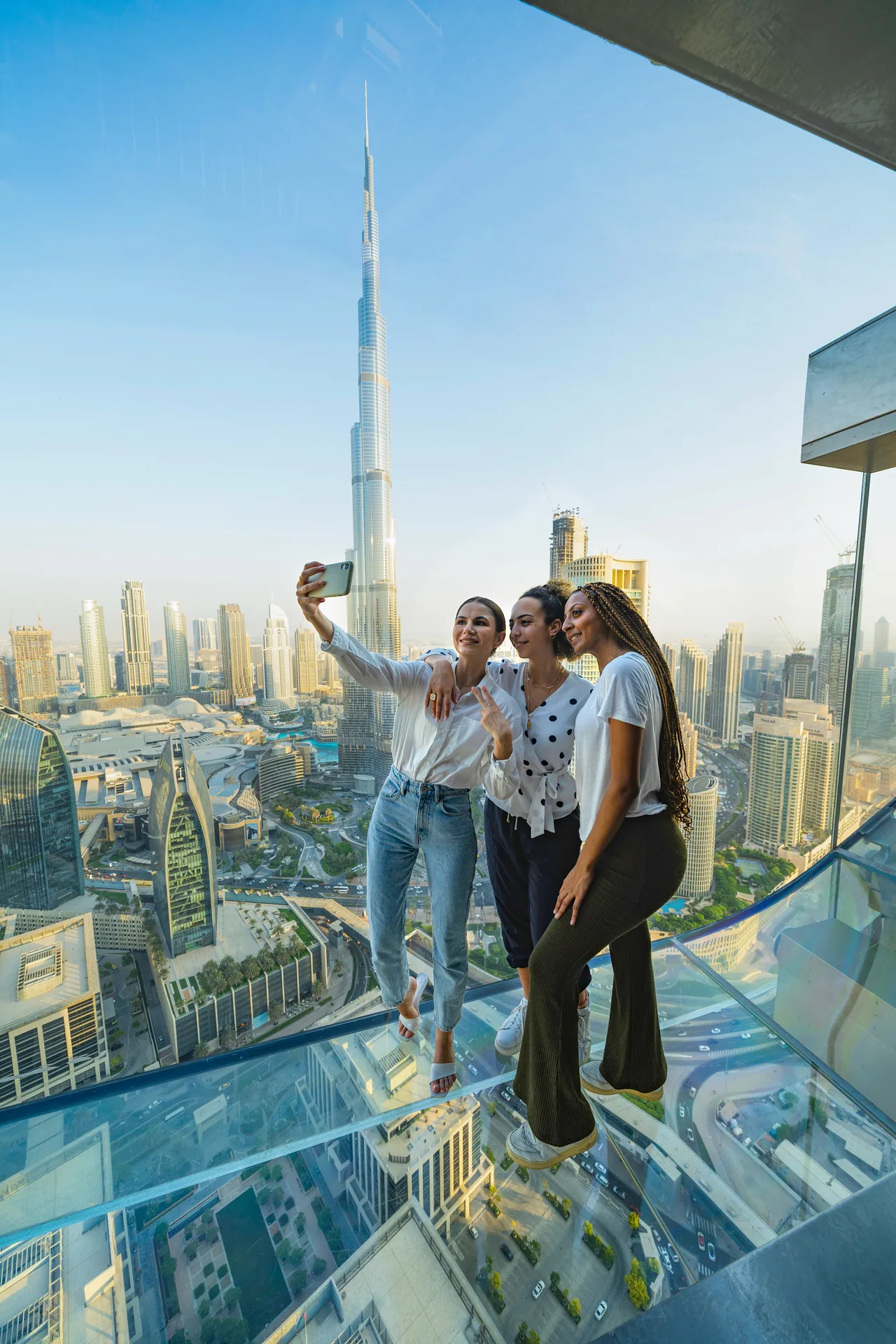
An observation deck connects the Address Sky View towers opposite the Burj Khalifa. The glass floor, slide and Edge Walk offer different levels of experience.
The landing on the 52nd floor of the Palm Tower allows you to see the shape of the Palm Jumeirah from above. The exhibition introduces the creation of the island, and the panorama takes in the bay and the city skyline.
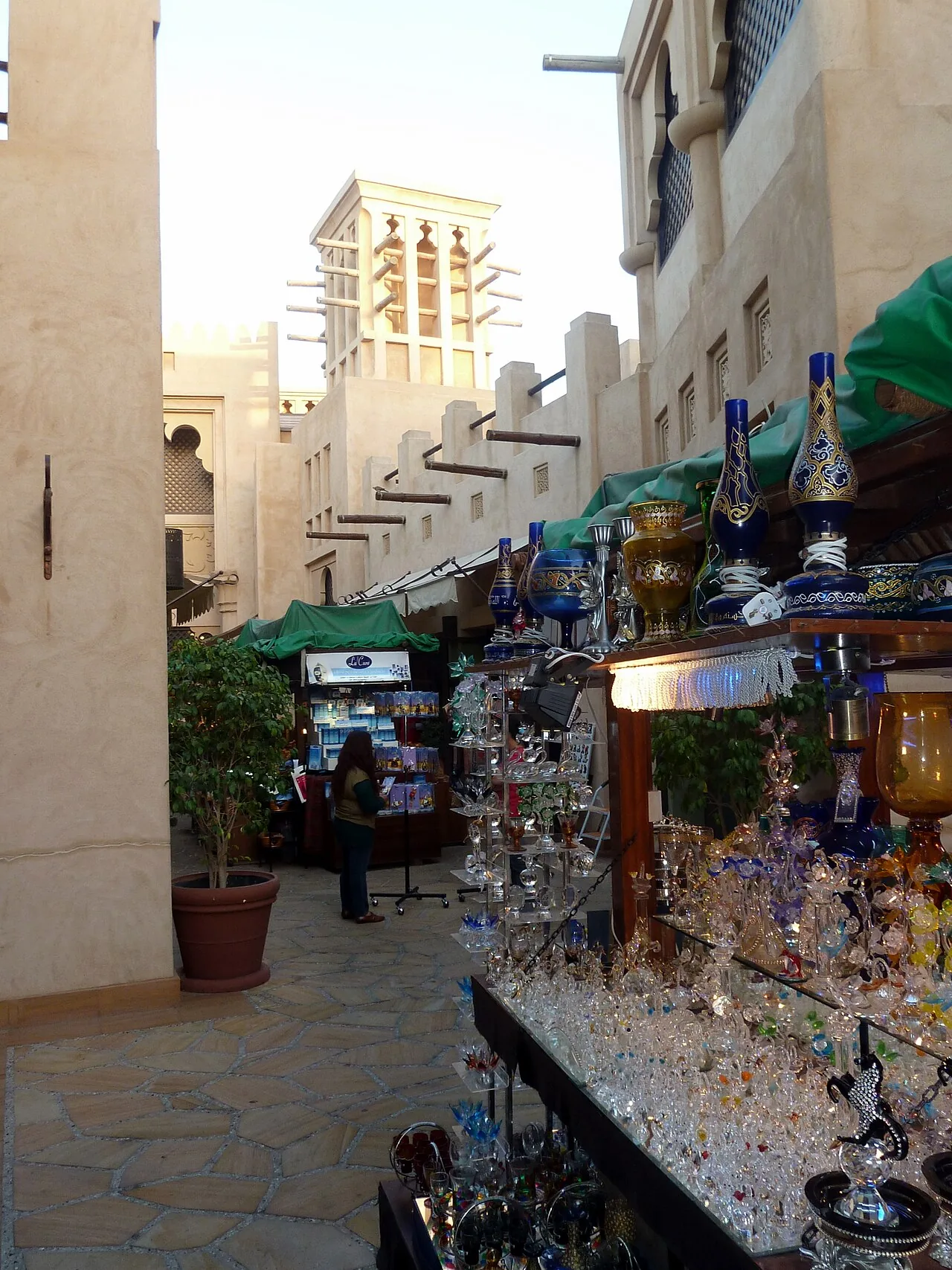
The modern bazaar is decorated in traditional Arabic style with carved arches and wind towers. Shopping lanes connect with restaurants and promenades along the resort's canals.
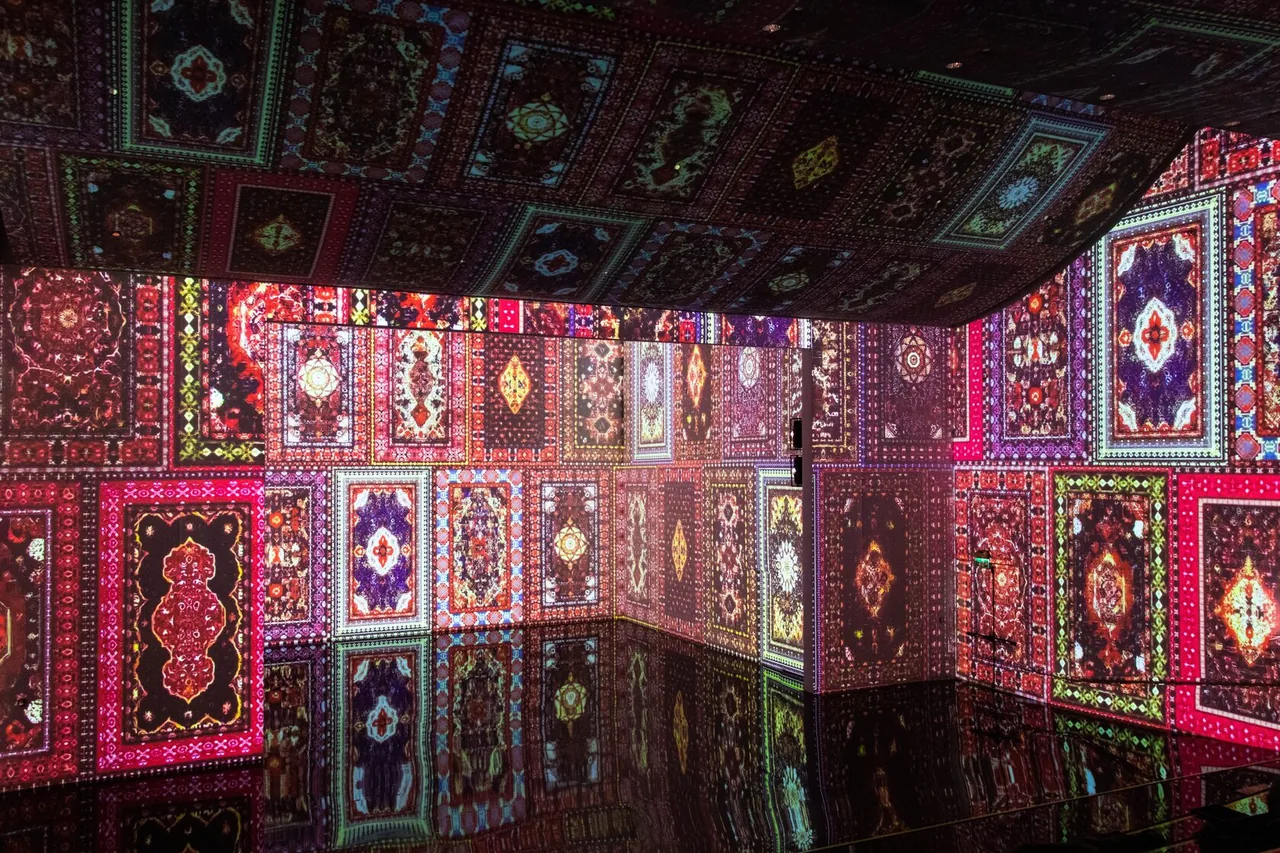
TODA combines immersive digital projections with live performances. The space program includes different events, so the experience depends on the chosen session.
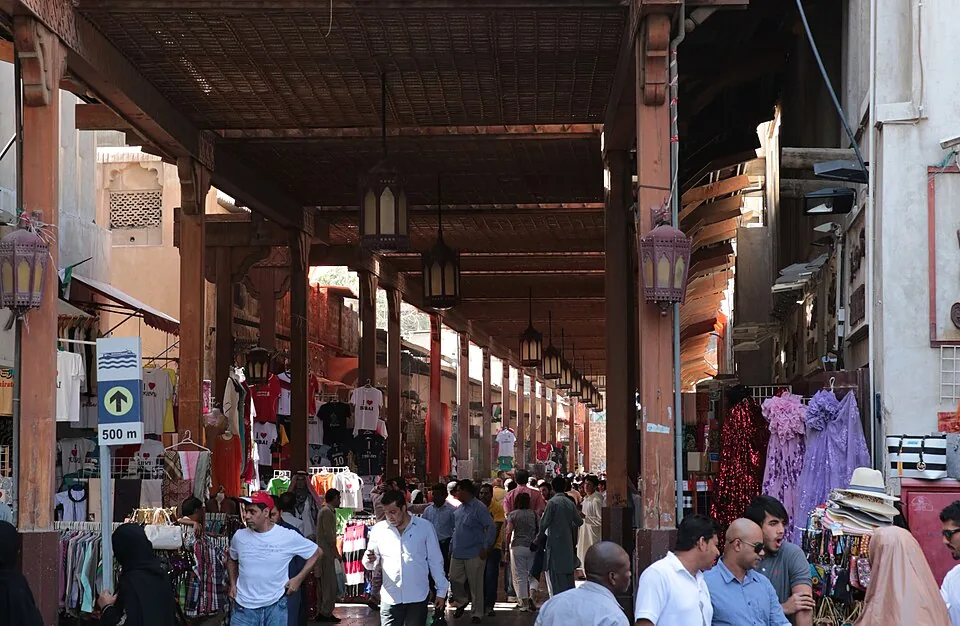
The market on the Bur Dubai side specializes in fabrics, clothing and souvenirs. It shows a different side of trading at Dubai Creek compared to the Deira gold market.
The shopping and entertainment complex at Burj Khalifa combines shops, restaurants and large family attractions. The aquarium, skating rink and children's centers have their own rules and tickets.
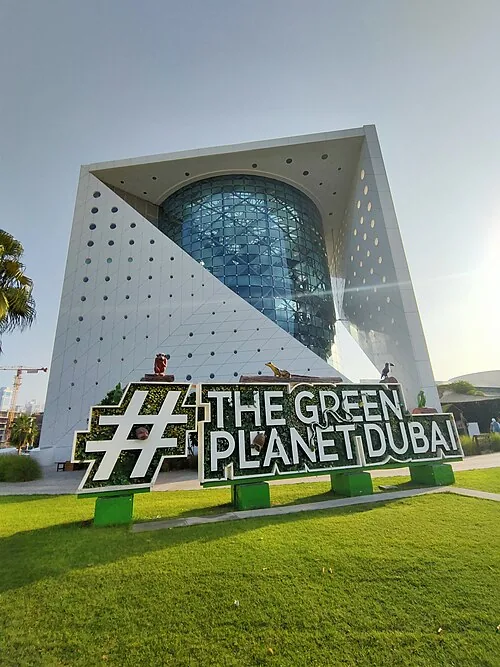
A tropical biodome transports visitors from the city into a multi-level rain forest. Here they observe plants, birds and animals and learn about the structure of the ecosystem.
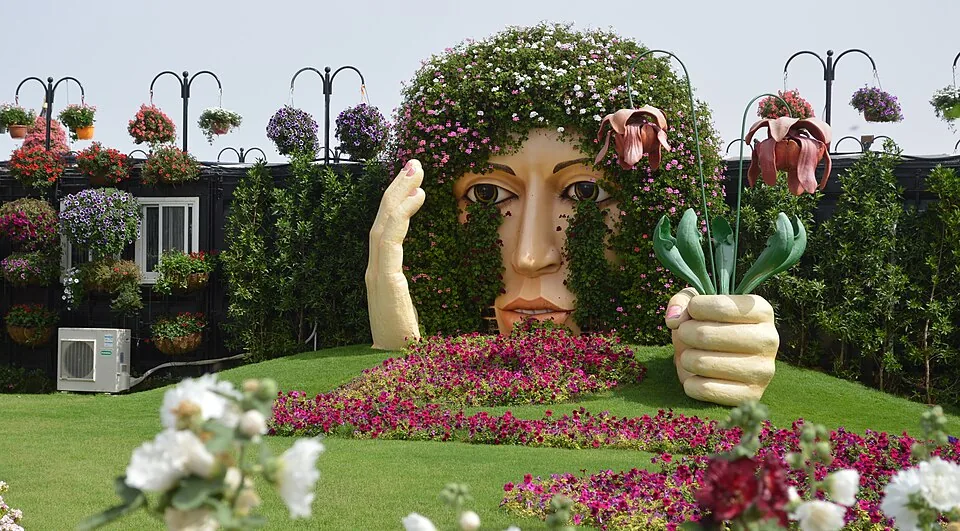
The seasonal garden creates large arrangements and designs of flowers. Its design and access dates change seasonally.
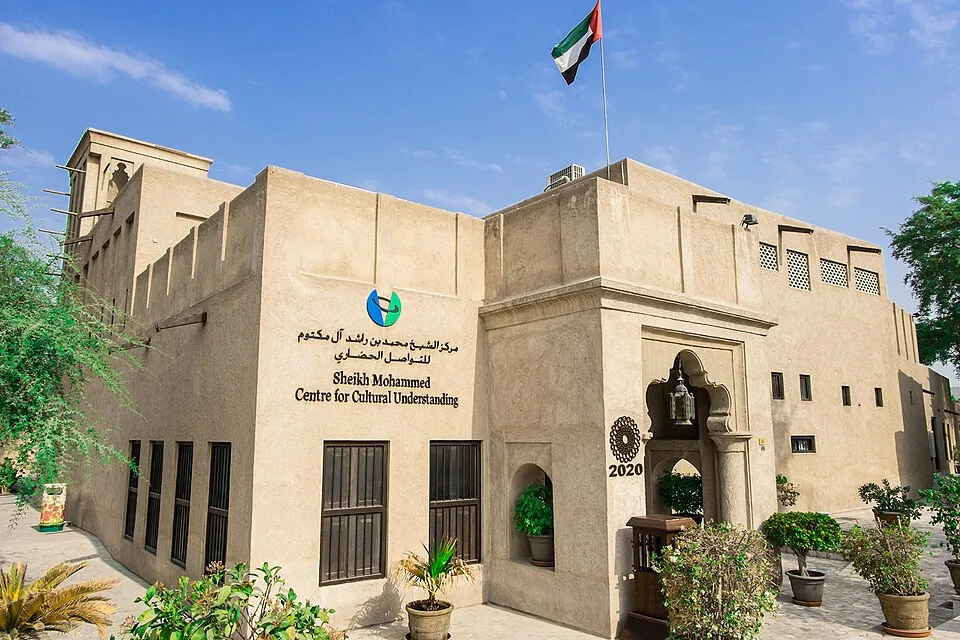
Check openingThe center introduces guests to Emirati traditions through socializing, walks and traditional meals. The programs take place in the historical district of Old Dubai.
The activity center combines mountain biking trails and adventure activities. The availability of individual operators and activities differs from the general mode of the complex.
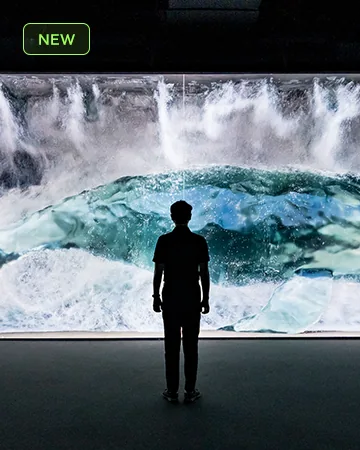
A digital exhibition transforms natural scenes into large spaces of light. Among the installations are a forest, flowers, sea images and an endless waterfall.
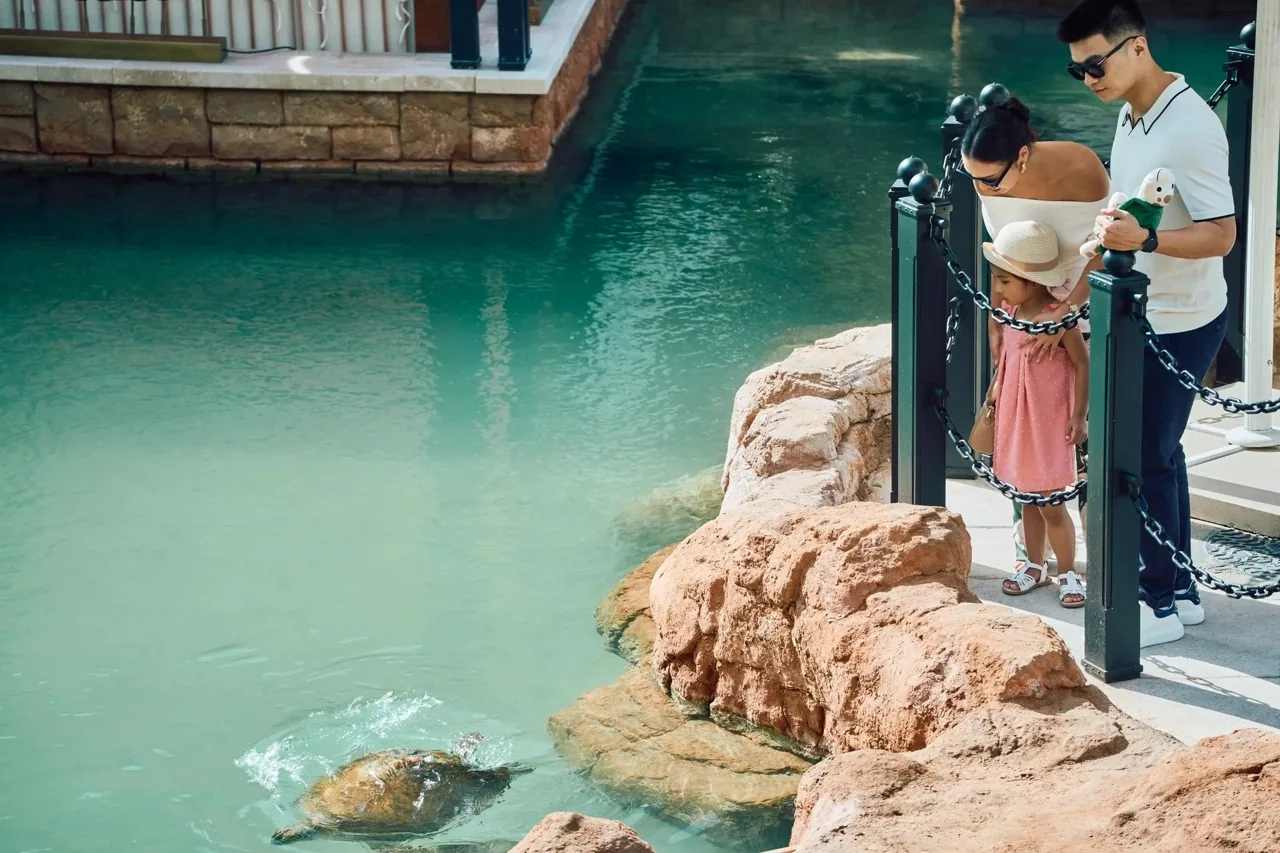
The lagoon at Jumeirah Al Naseem introduces the work of the sea turtle rehabilitation project. Here animals are observed undergoing recovery before returning to the sea.
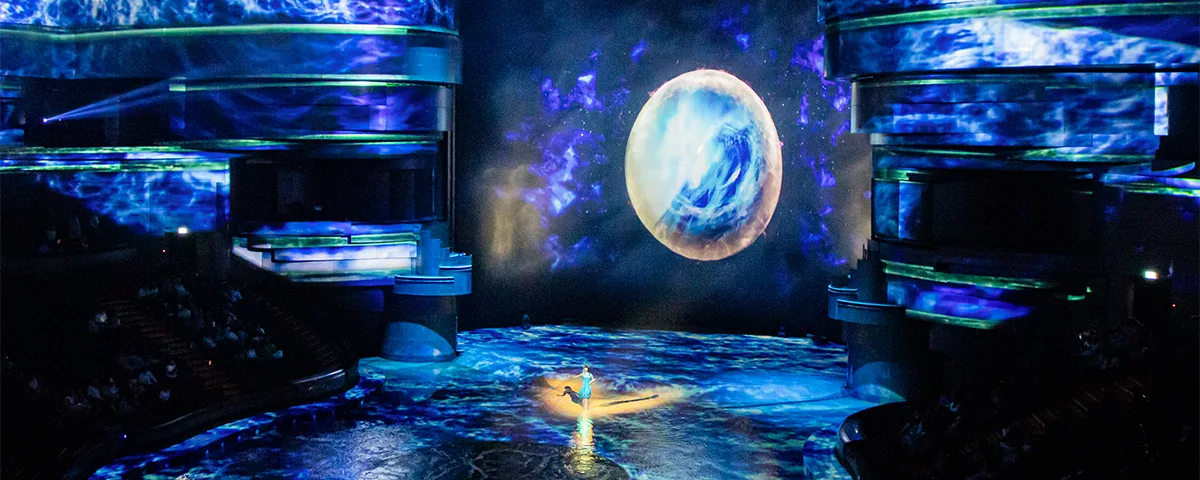
A permanent theatrical show combines aerial acrobatics and water performances. A special stage at Al Habtoor City alternates between dry and water spaces during the performance.
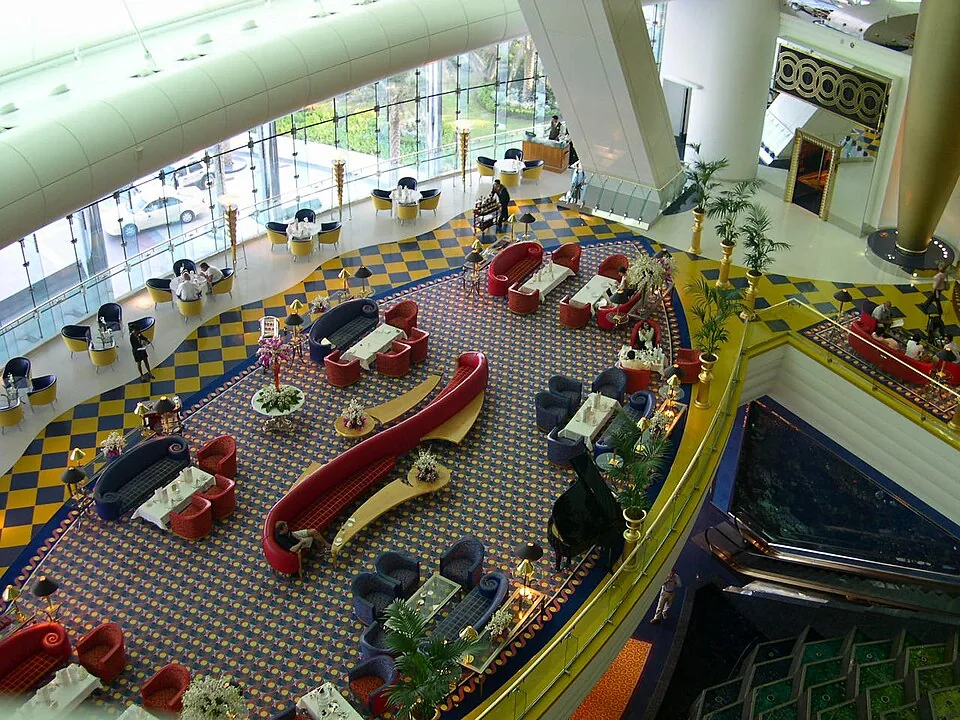
Archival interior of Burj Al Arab; photo published in 2005.
An organized tour introduces the interiors and history of the Burj Al Arab Hotel. This is a separate excursion program, which is not equivalent to booking a room or free entry to the hotel.
The indoor center on Yas Island combines wind tunnel flying and rock climbing. Walls of different heights allow you to choose your level of training, and classes are held with instructors.
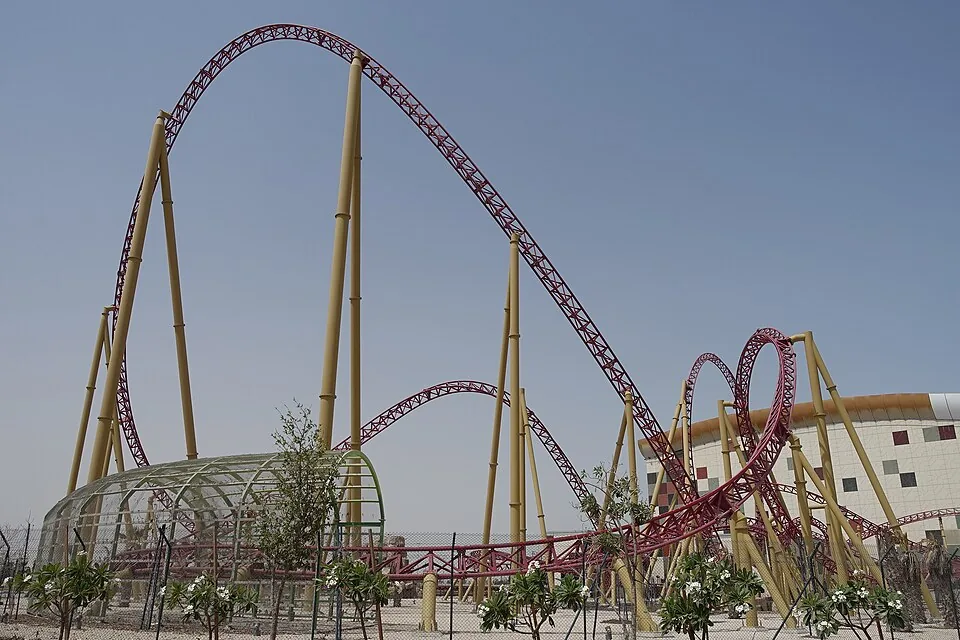
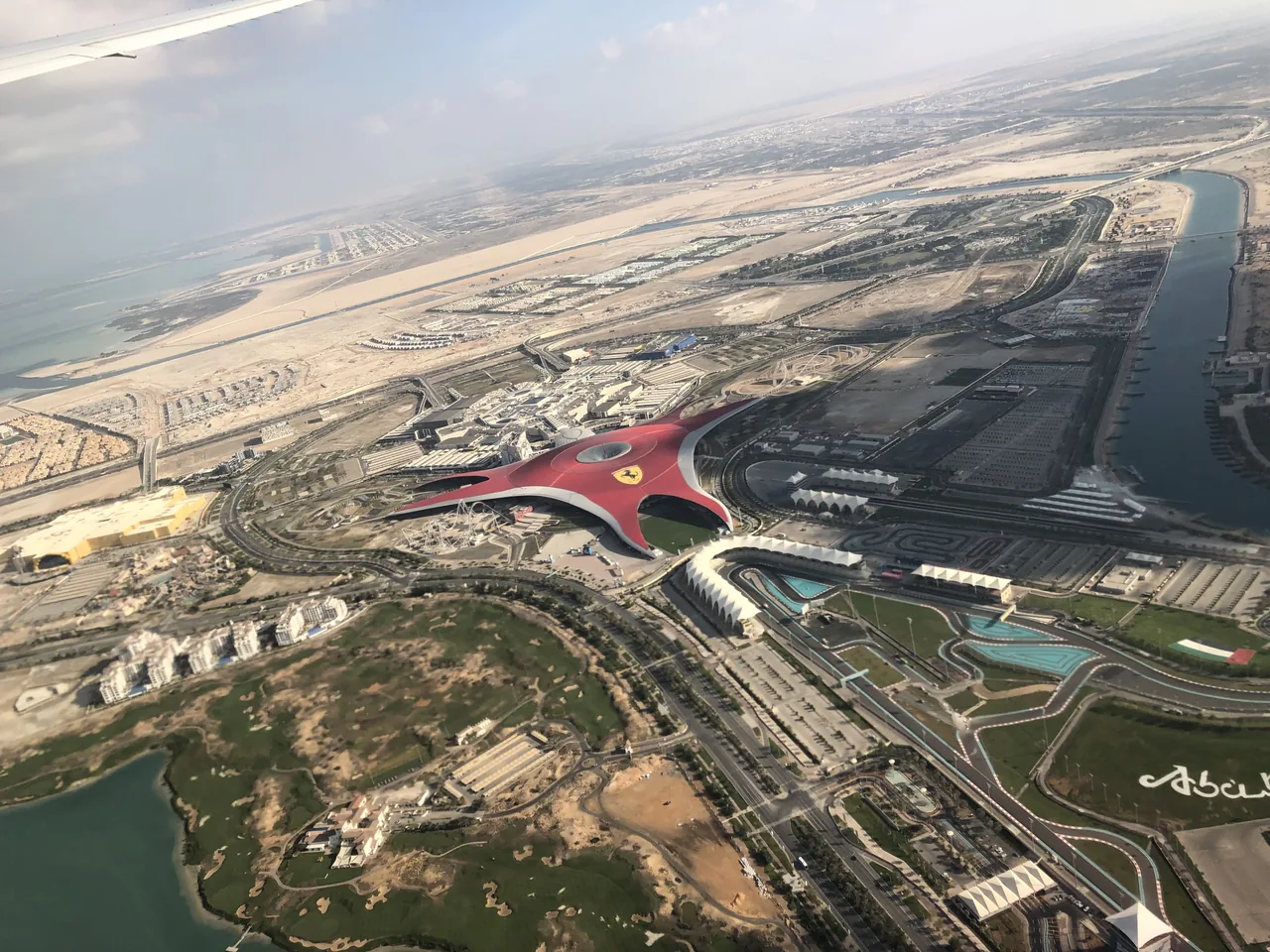
The Ferrari theme park on Yas Island combines high-speed roller coasters and family-friendly attractions. There's a Bell'Italia walk through a miniature Italy, racing simulators and a display of automotive memorabilia.
The marine theme park explores the story of One Ocean through eight themed worlds. The route takes you from Abu Dhabi's natural surroundings to tropical and polar seas, with aquariums and educational exhibits.
teamLab's immersive works are influenced by the environment and visitor interactions. The space combines digital art, science and natural phenomena in a multi-sensory itinerary.
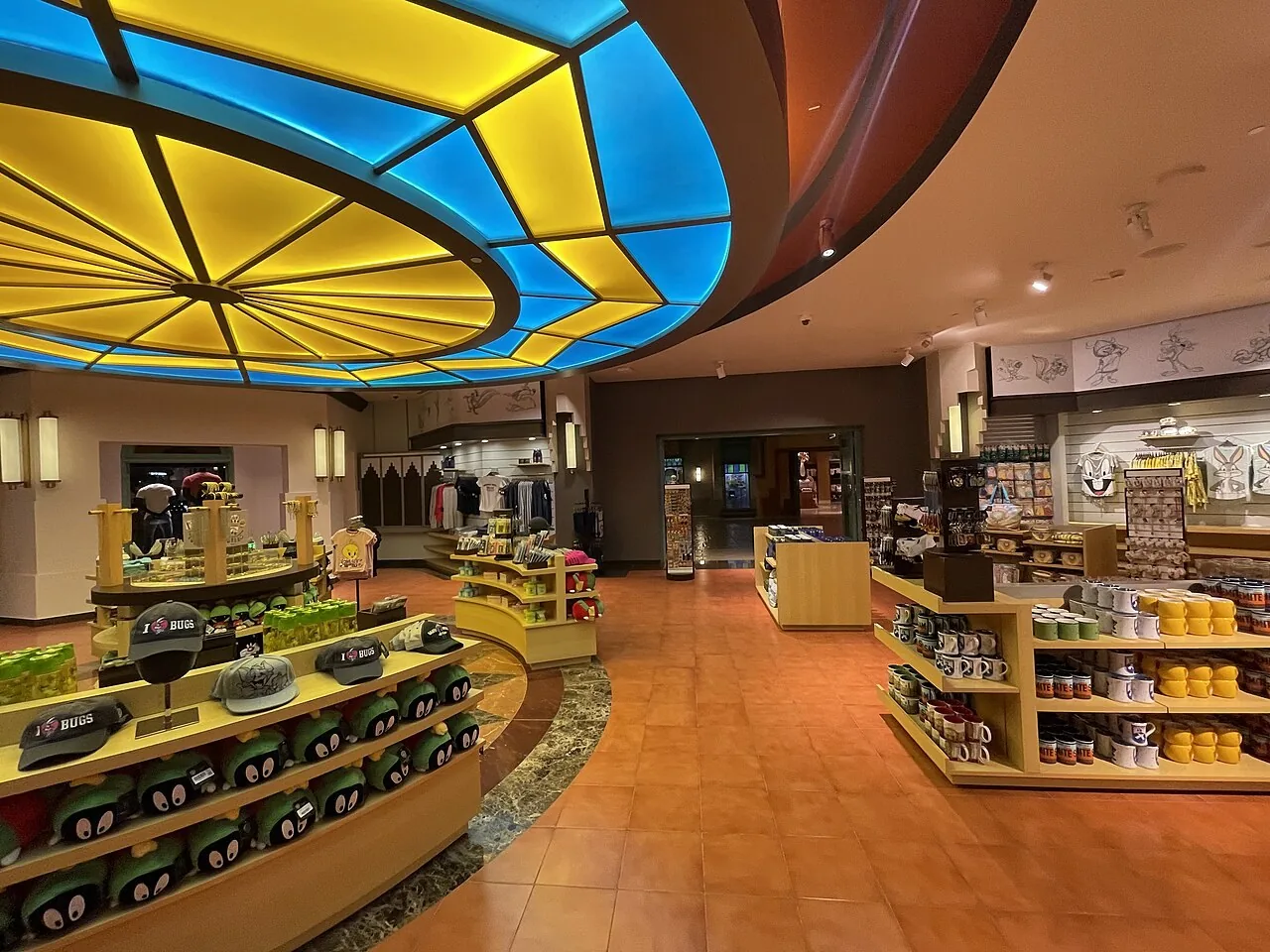
Store inside Warner Bros. World Abu Dhabi.
The indoor theme park transports guests to the worlds of DC and classic Warner Bros. cartoons. The six themed zones include Gotham City, Metropolis, Bedrock and Cartoon Junction.
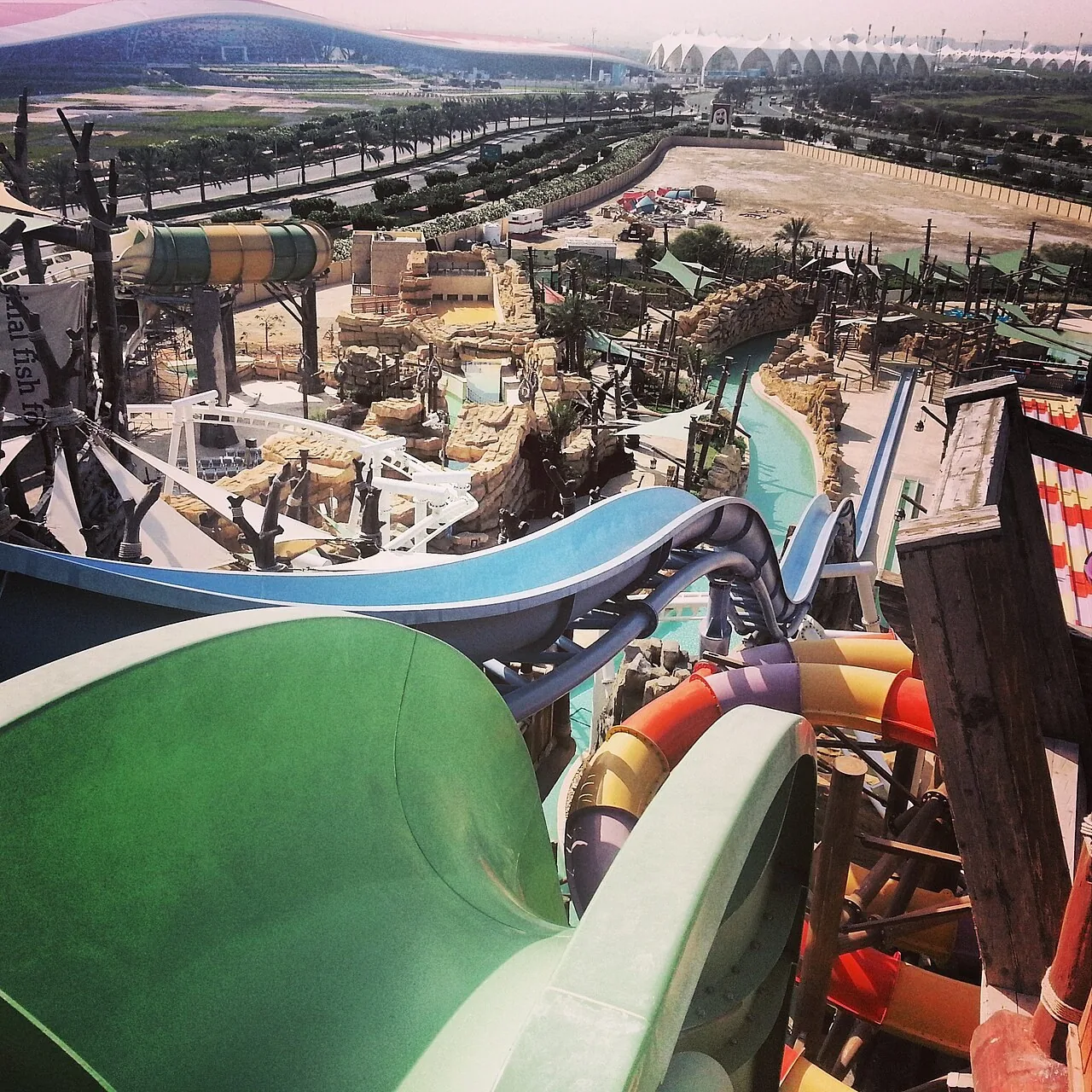
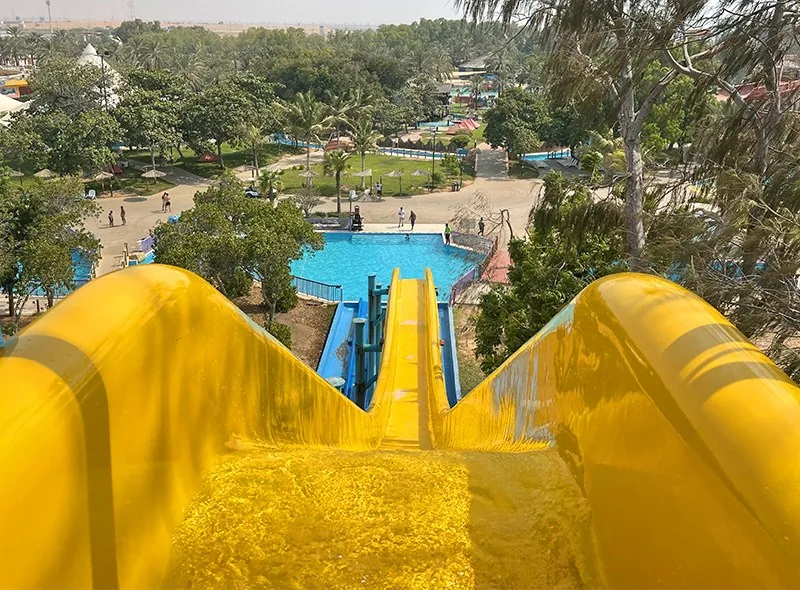
The water park on Yas Island is built around the story of the lost pearl. In addition to intense slides, there are wave rides and the calm Al Raha River.
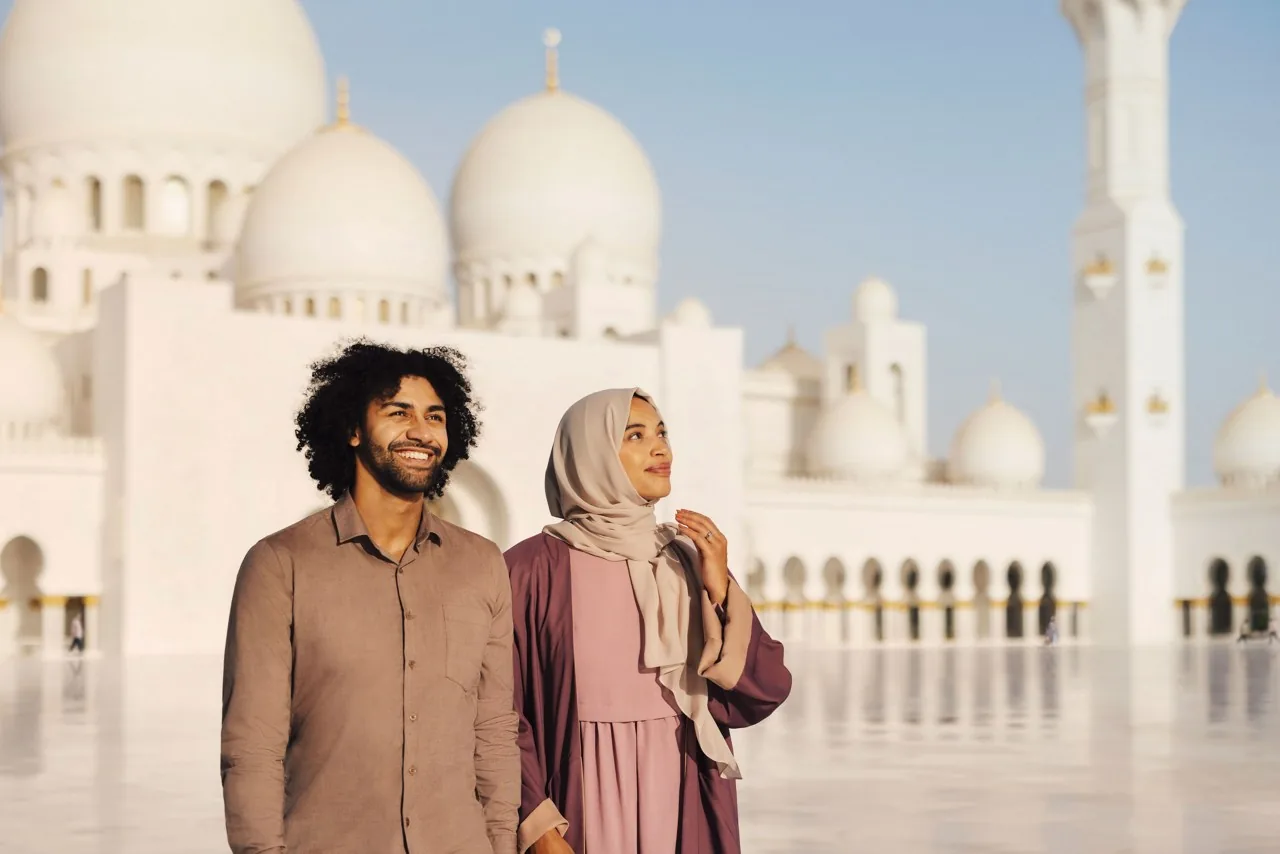
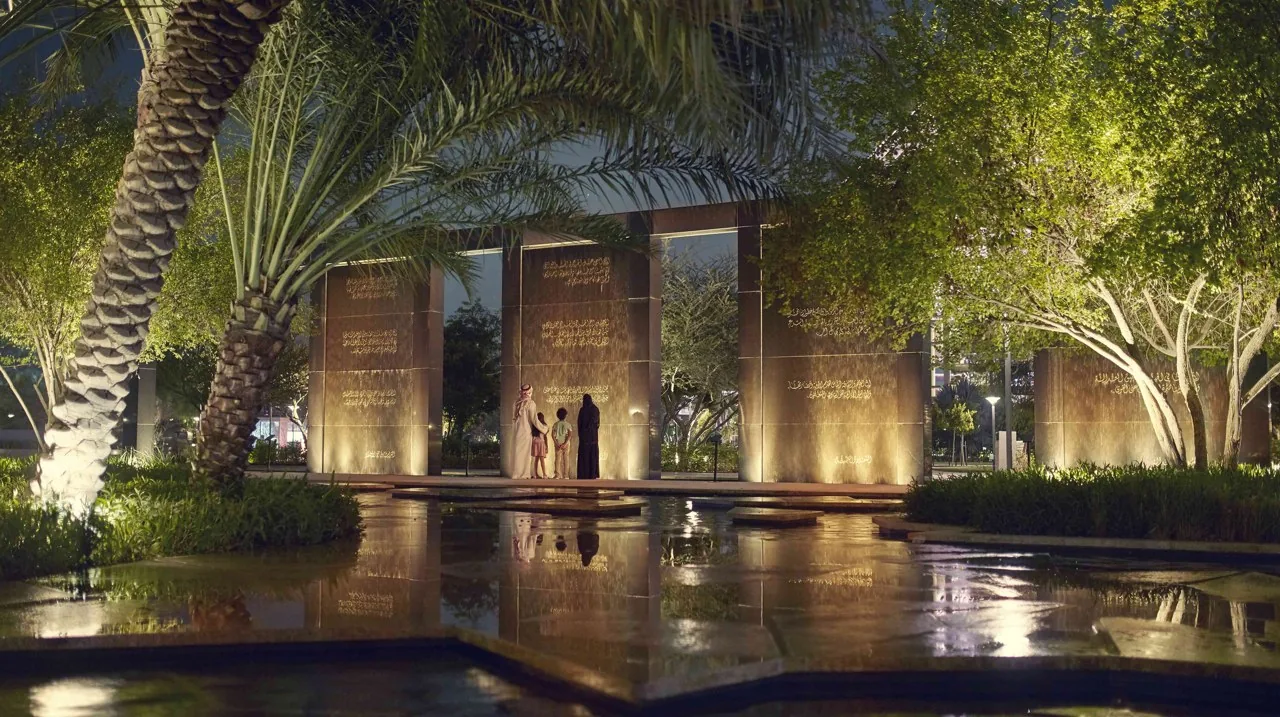
The monumental working mosque introduces visitors to the Islamic architecture and culture of the UAE. The domes, calligraphy and marble spaces can be viewed independently or as part of a tour of the center.
A former coastal salt marsh has been transformed into a protected refuge for birds and aquatic life. The reserve is particularly famous for its population of pink flamingos, whose numbers fluctuate throughout the year.
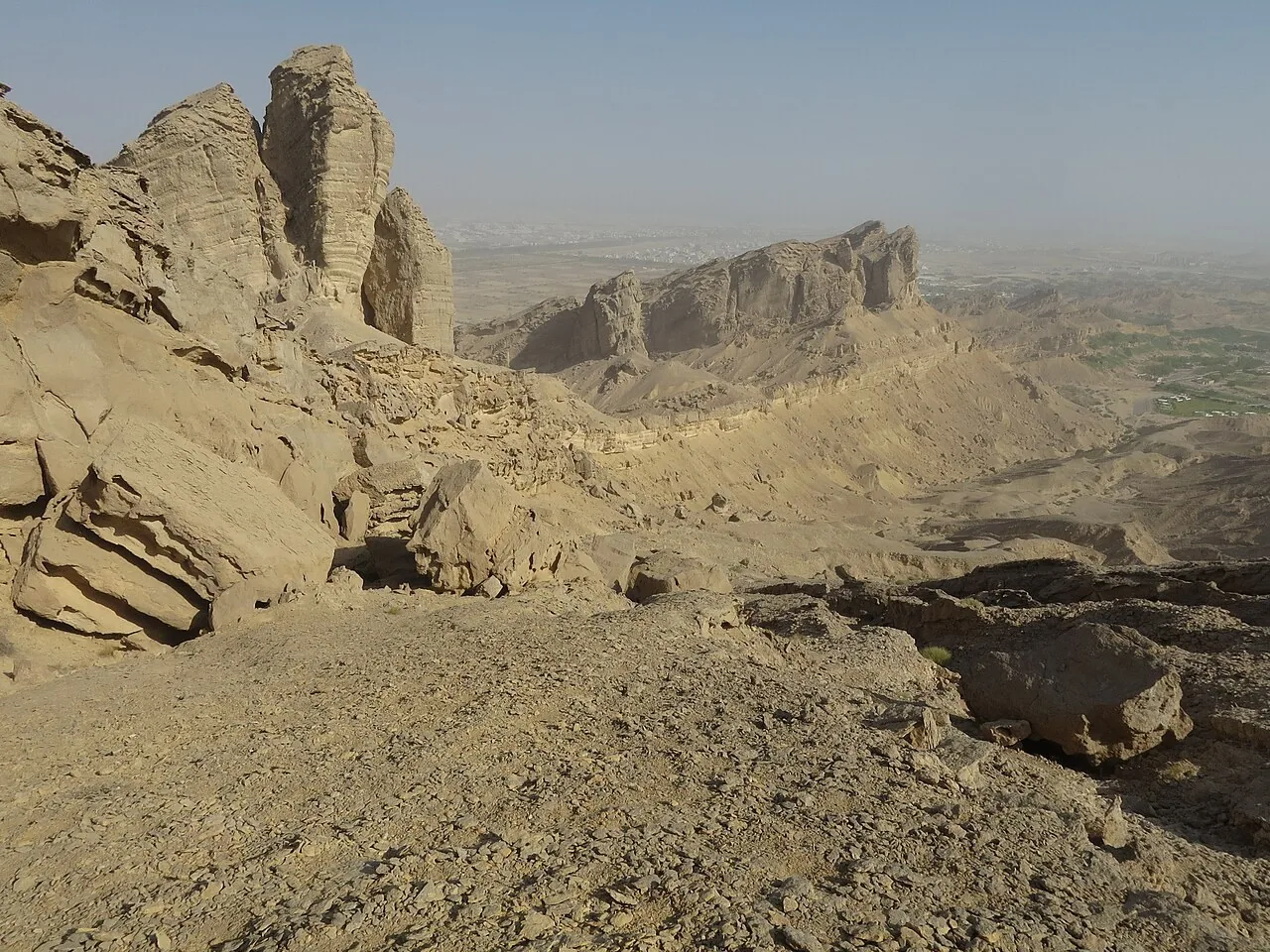
The 1,249-meter-tall rocky mountain rises above Al Ain near the Omani border. A road leads to the upper observation decks, and at the foot there are ancient burial grounds and a deserted park.
The working Presidential Palace reveals to visitors the architecture and cultural history of the UAE. The state rooms are complemented by a library and exhibitions on the Arab world's contributions to knowledge and governance.
Al Bahia Zoo combines animal experiences with educational programs. Separately, supervised feedings and special meetings with giraffes and other inhabitants are offered.
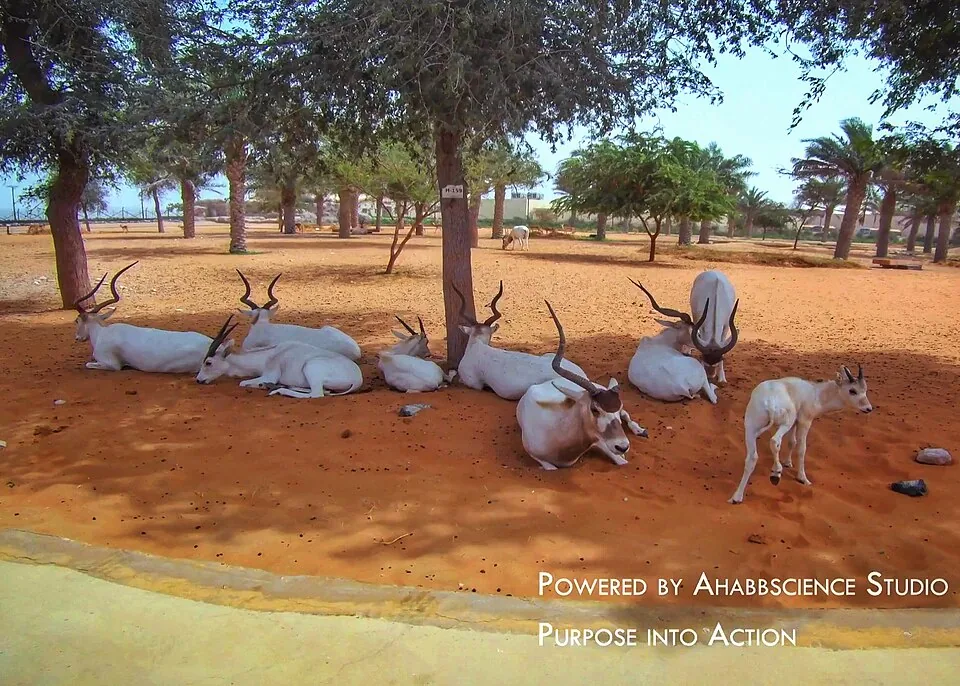
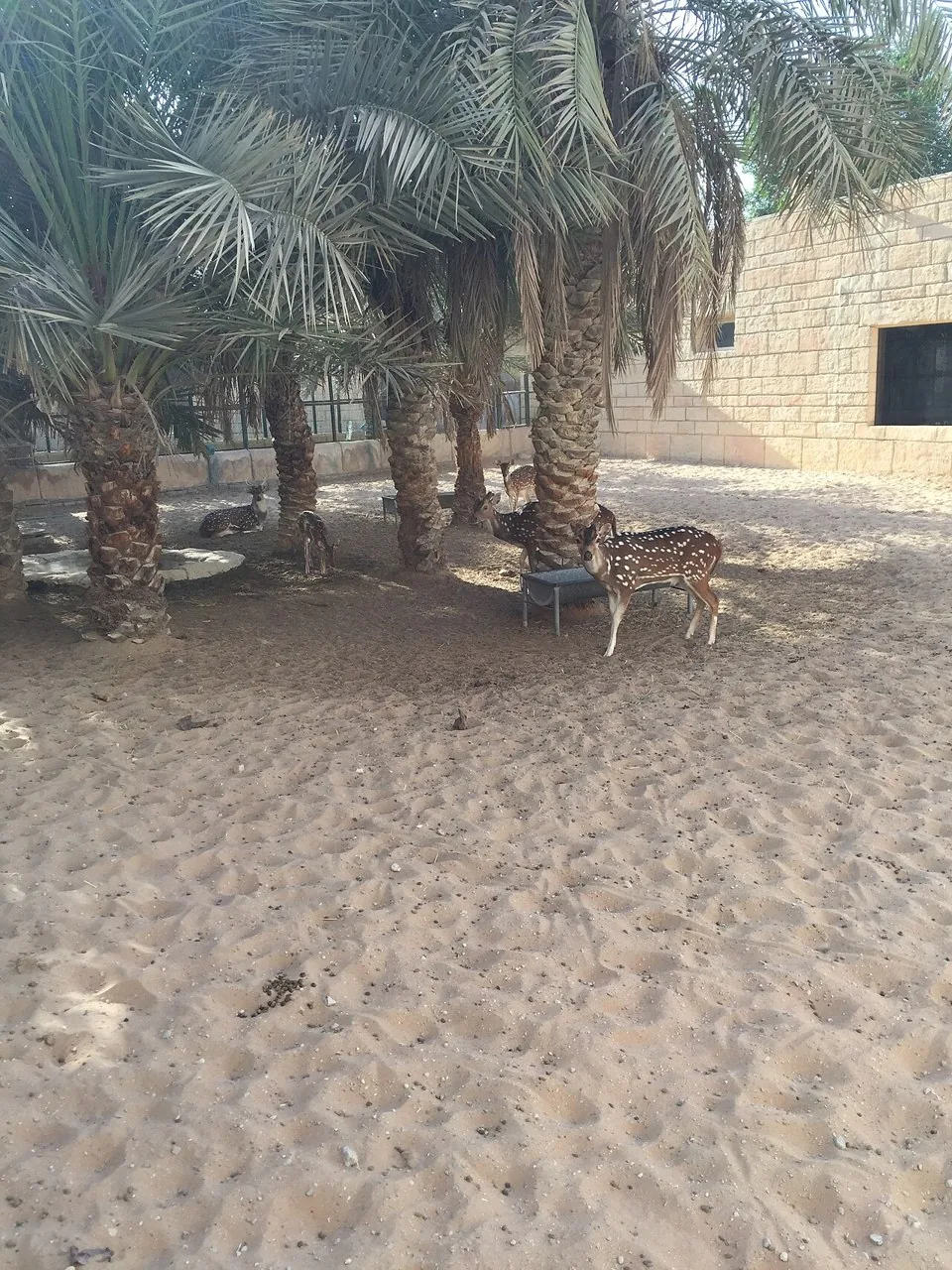
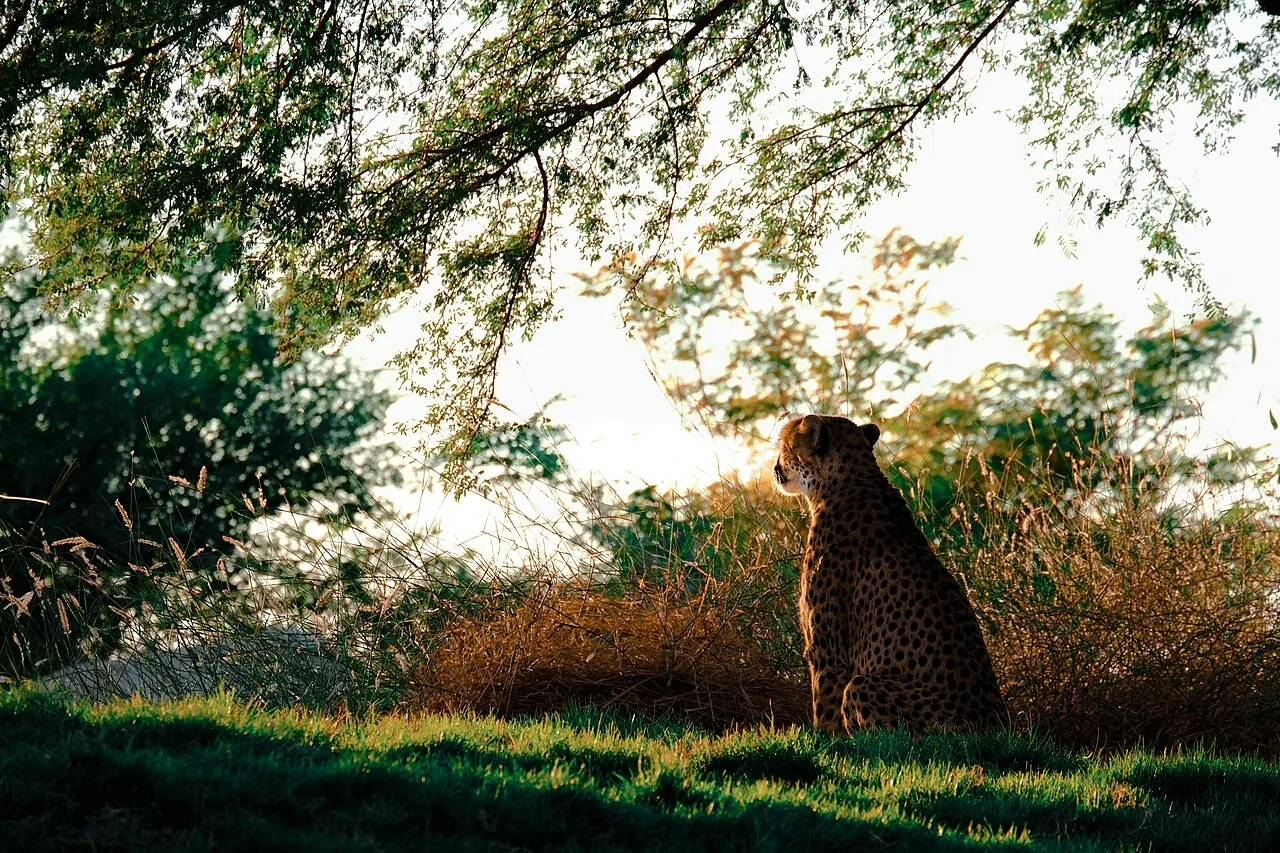
The Jebel Hafeet Zoo features local and exotic animals, including Arabian oryxes and big cats. The work of the center is related to the conservation of rare species; special programs include giraffe feeding and safaris.
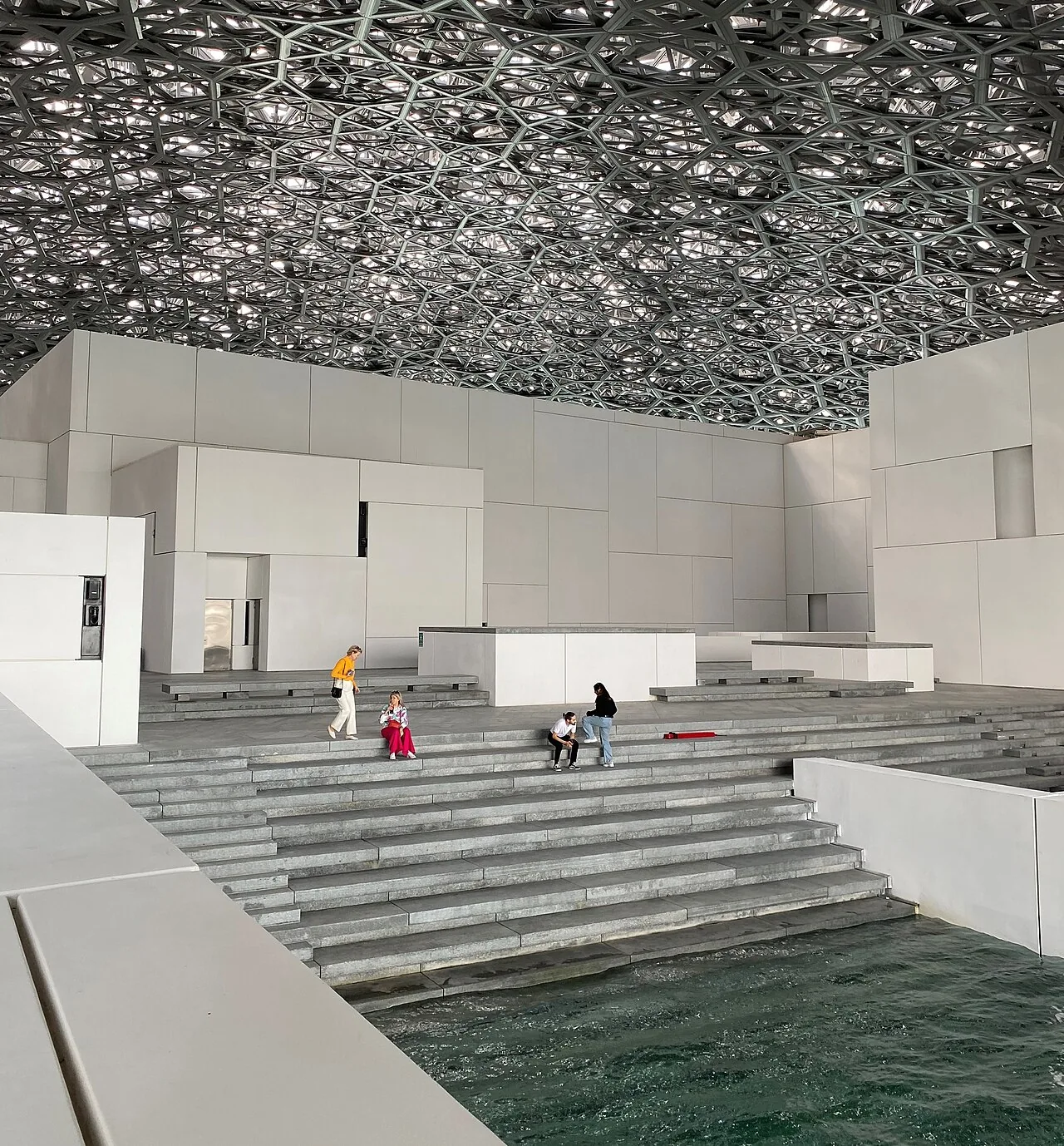
The museum on Saadiyat compares art and objects from different civilizations from antiquity to modern times. Jean Nouvel's architecture combines galleries under a large geometric dome, creating the effect of a rain of light.
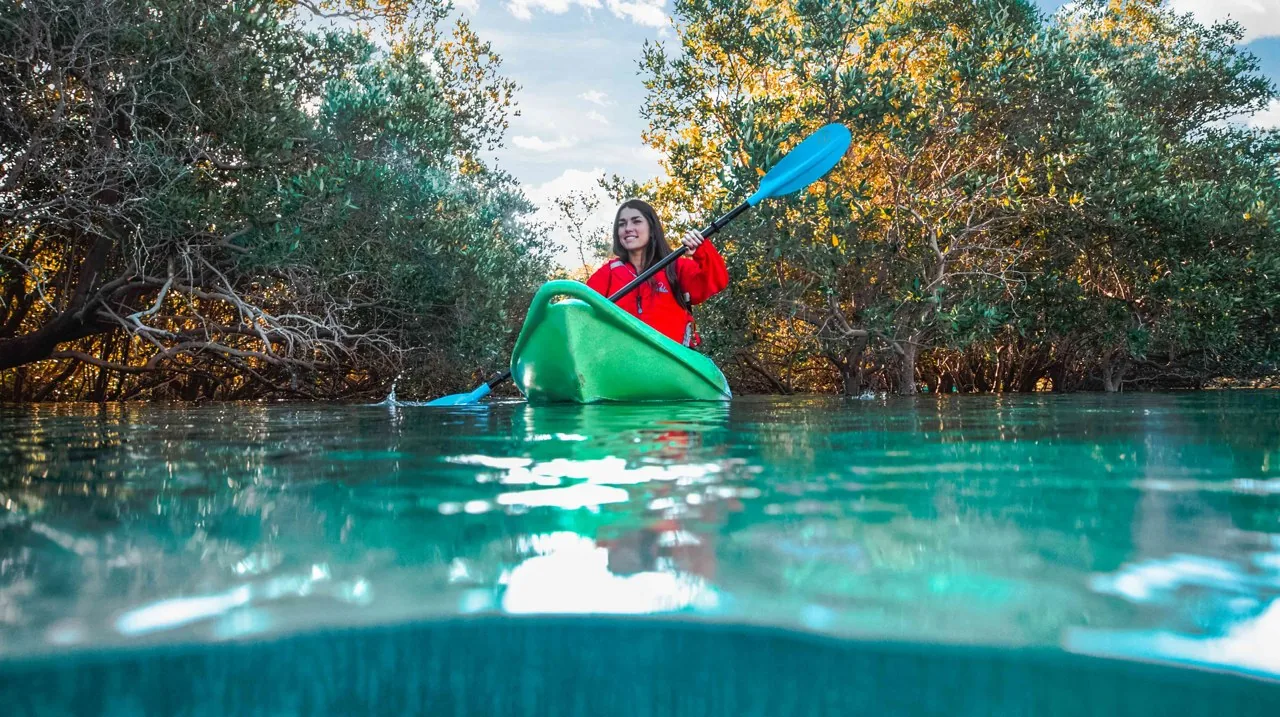
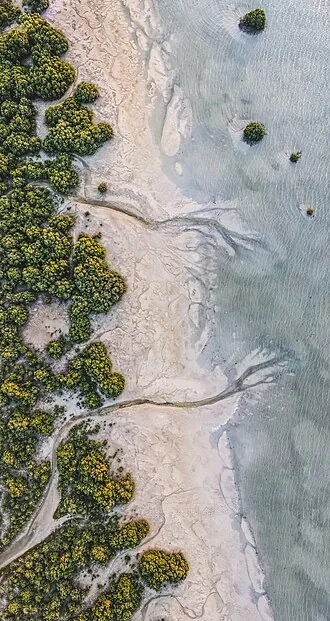
A protected mangrove forest is located on the eastern side of Abu Dhabi city. Water channels allow you to explore the coastal ecosystem on an organized kayak route and observe its inhabitants.
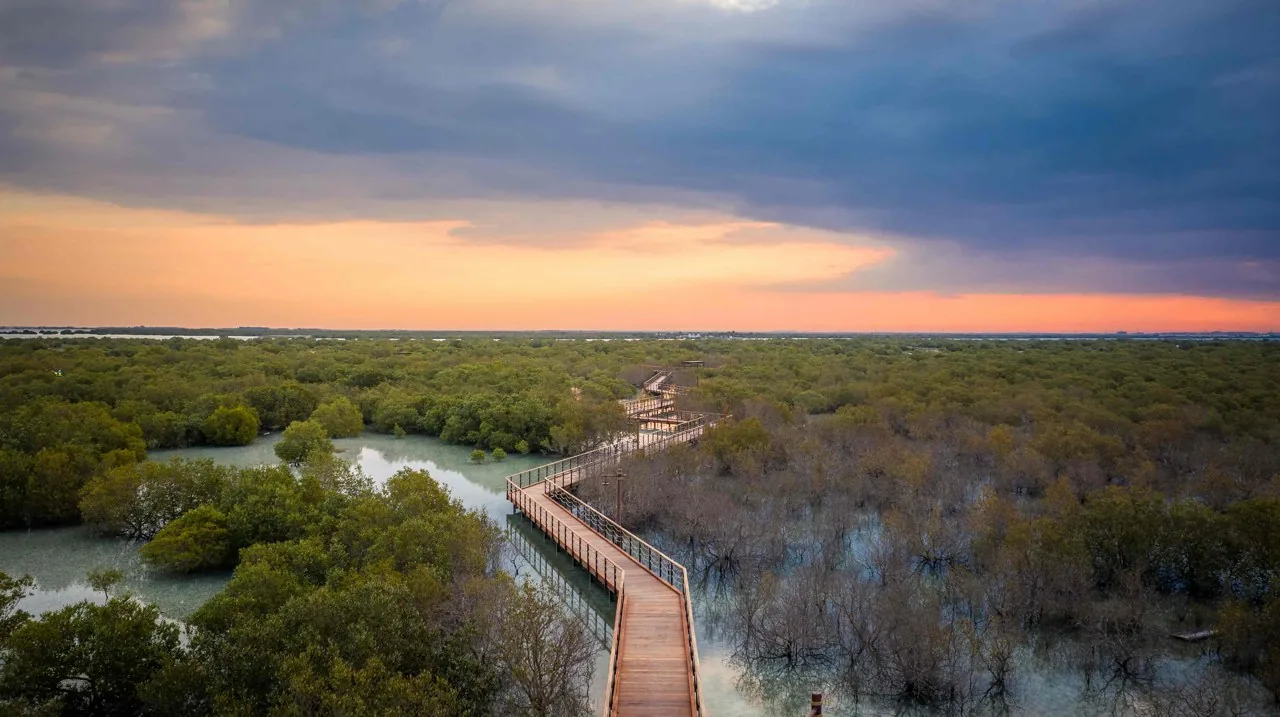
The wooden boardwalks on Jubail Island pass through the mangrove forest above the tidal waters. The park introduces the role of mangroves in protecting the coast, and some programs allow you to explore the channels by kayak.
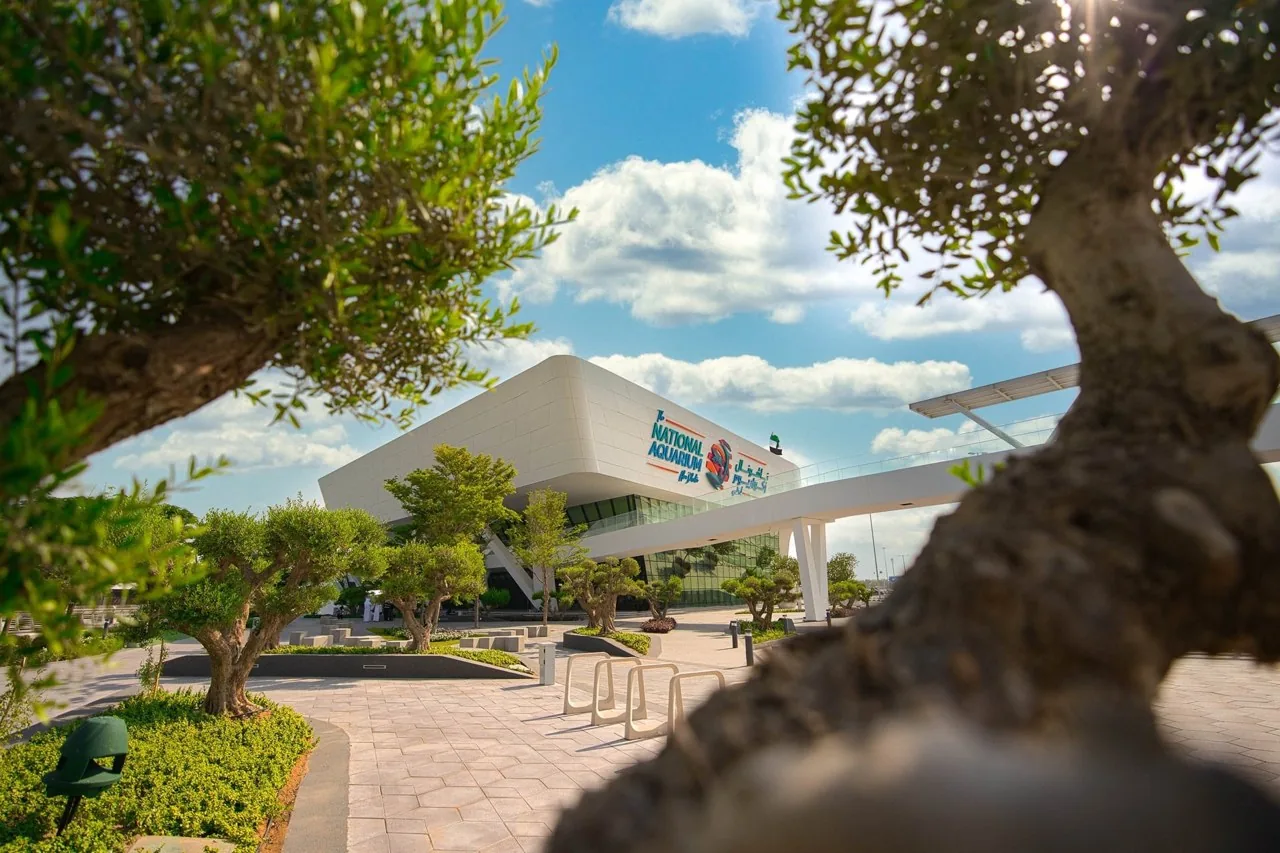
The aquarium at Al Qana is divided into ten themed areas, ranging from UAE marine treasures to tropical forests. Exhibits tell about pearl fishing, coral reefs and marine conservation.
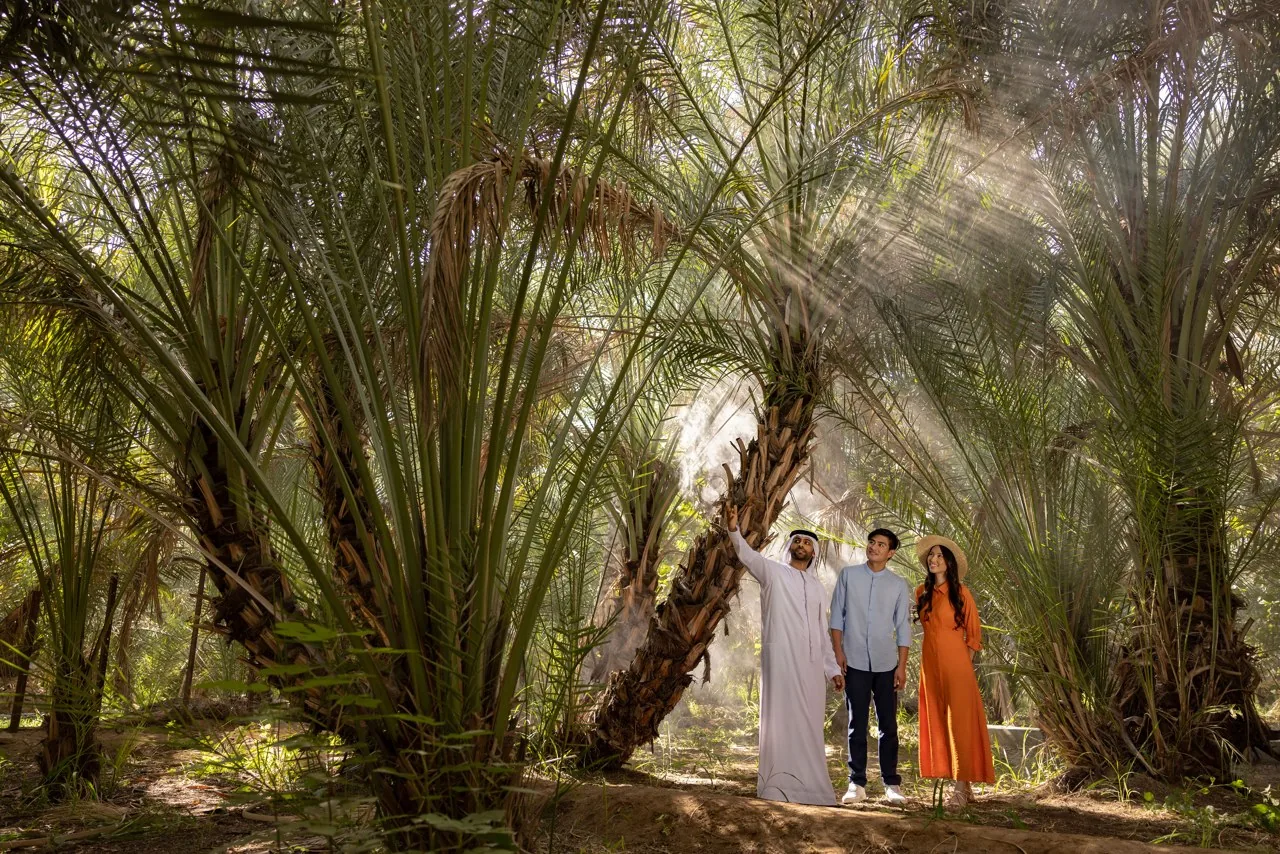
The oasis has shady paths among date palms and a traditional falaj irrigation system. The interactive Eco-Centre explains how water from distant sources supports desert agriculture.
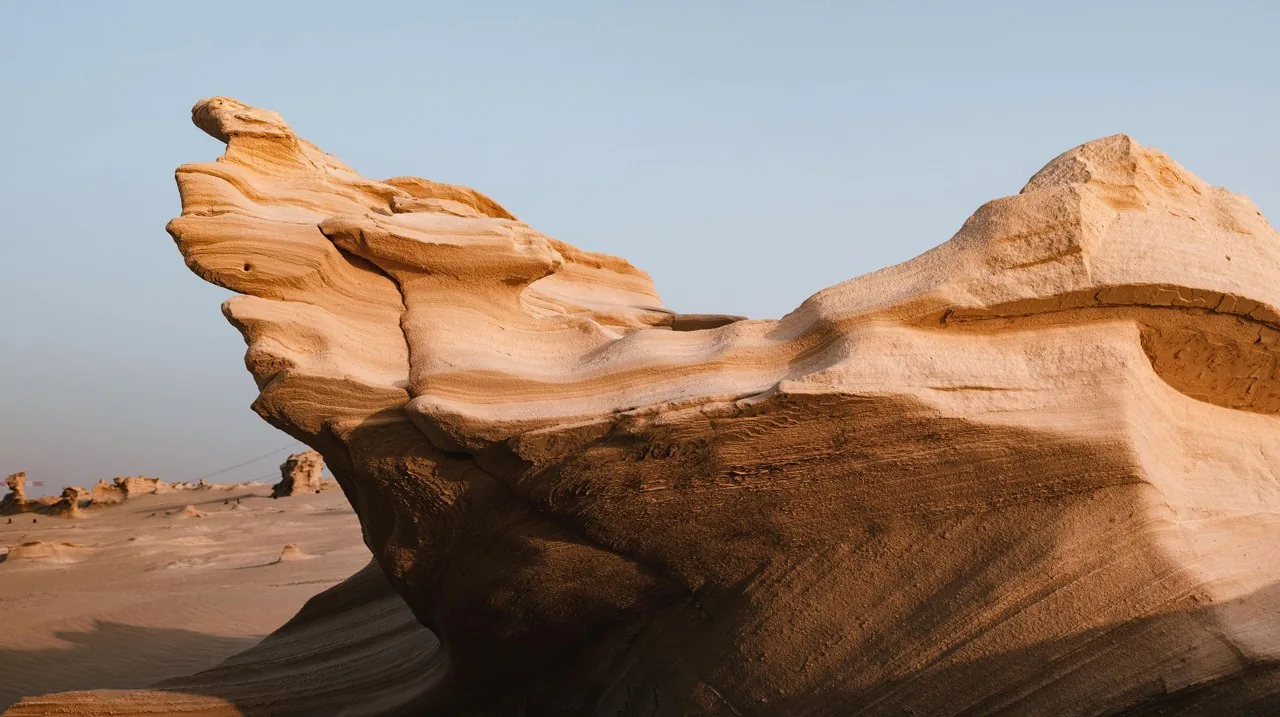
In a protected desert area, unusual fossilized dune formations are concentrated. Paved trails allow you to examine the forms created by long-term geological processes without leaving the route.
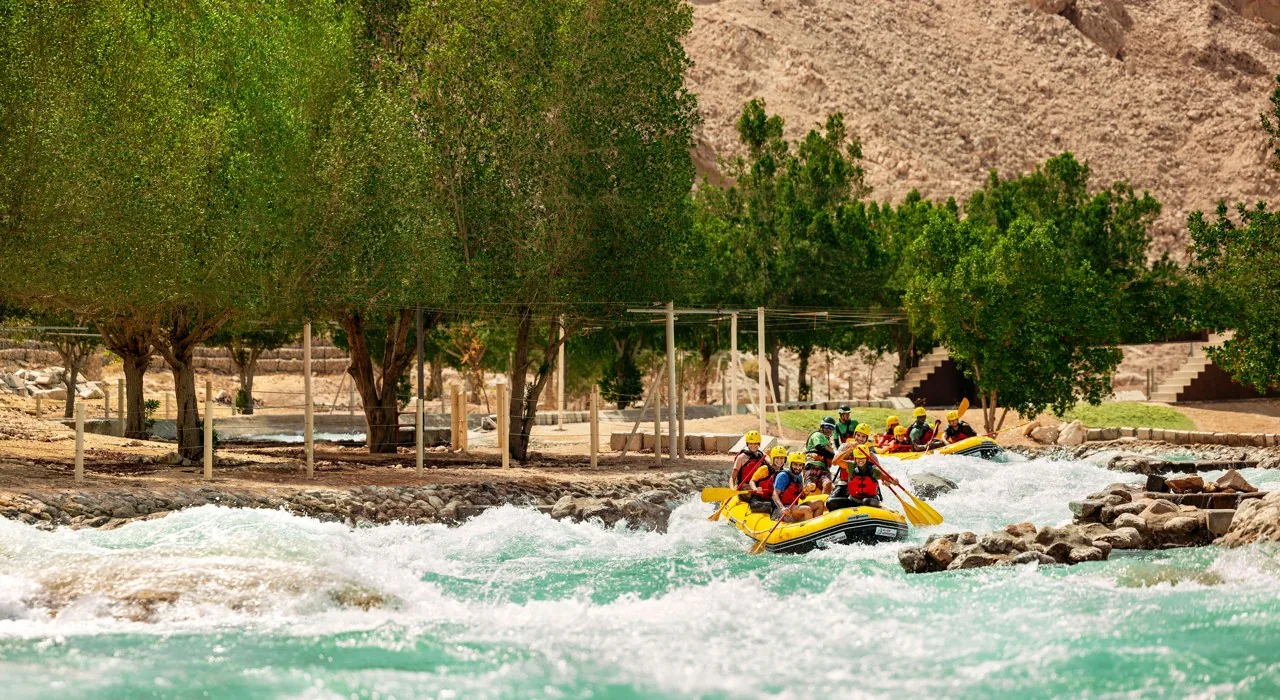
The Jebel Hafeet Water Adventure Park uses man-made canals for rafting and kayaking. The complex also offers surfing, wakeboarding and swimming pools for different types of recreation.
The city park in the Al Mushrif area combines a botanical garden, a large lawn and an amphitheater. The Shade House grows plants under a tall shade structure, and there are children's spaces and an Animal Barn for families.
The city's white sand beach is complemented by a promenade, gardens and views of Lulu Island. The shore is divided into areas with different access rules, including the free Al Sahil area.
The complex at Khudairiyat combines four spaces for active recreation. Water children's games and dry adventure activities are presented at one point, so the format can be tailored to the age and interests of the family.
The park at the foot of Jebel Hafeet combines the natural landscape and archaeological heritage of Al Ain. Guided walking and camping options are available here, and the area is a UNESCO World Heritage Site.
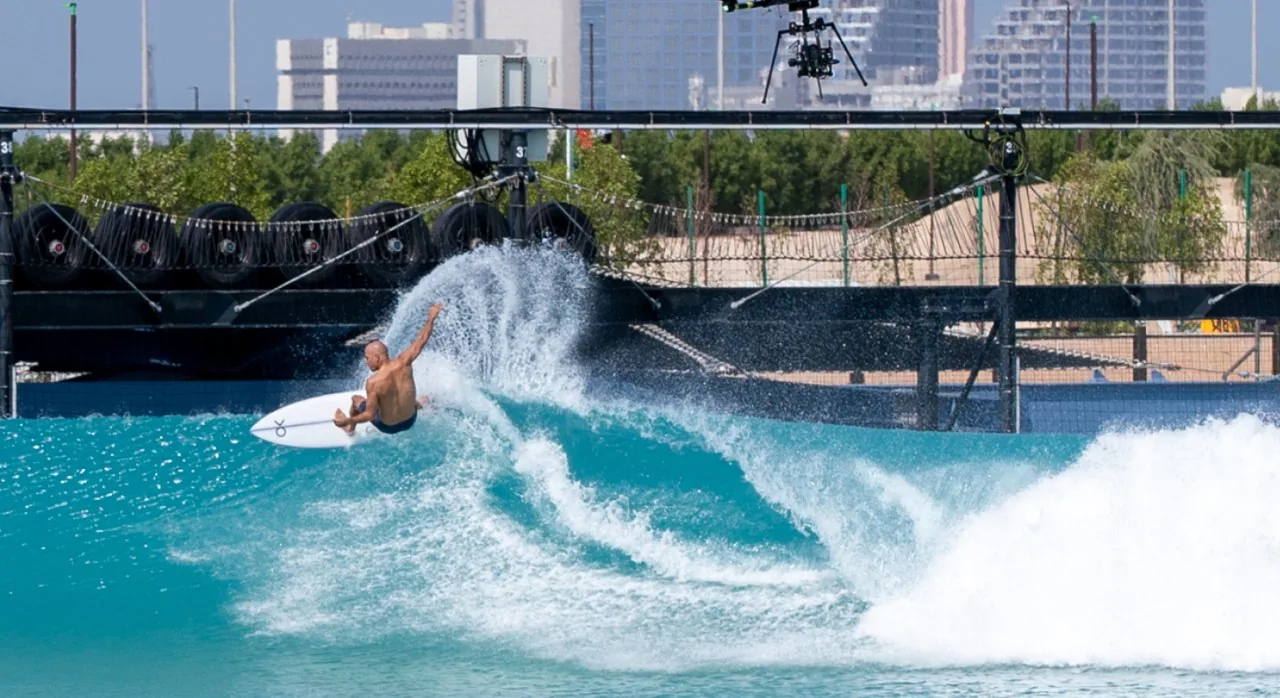
The Hudayriyat Wave Center offers several surfing formats for different skill levels. The waves range from calm training waves to more challenging variations with a long wall and a tube.
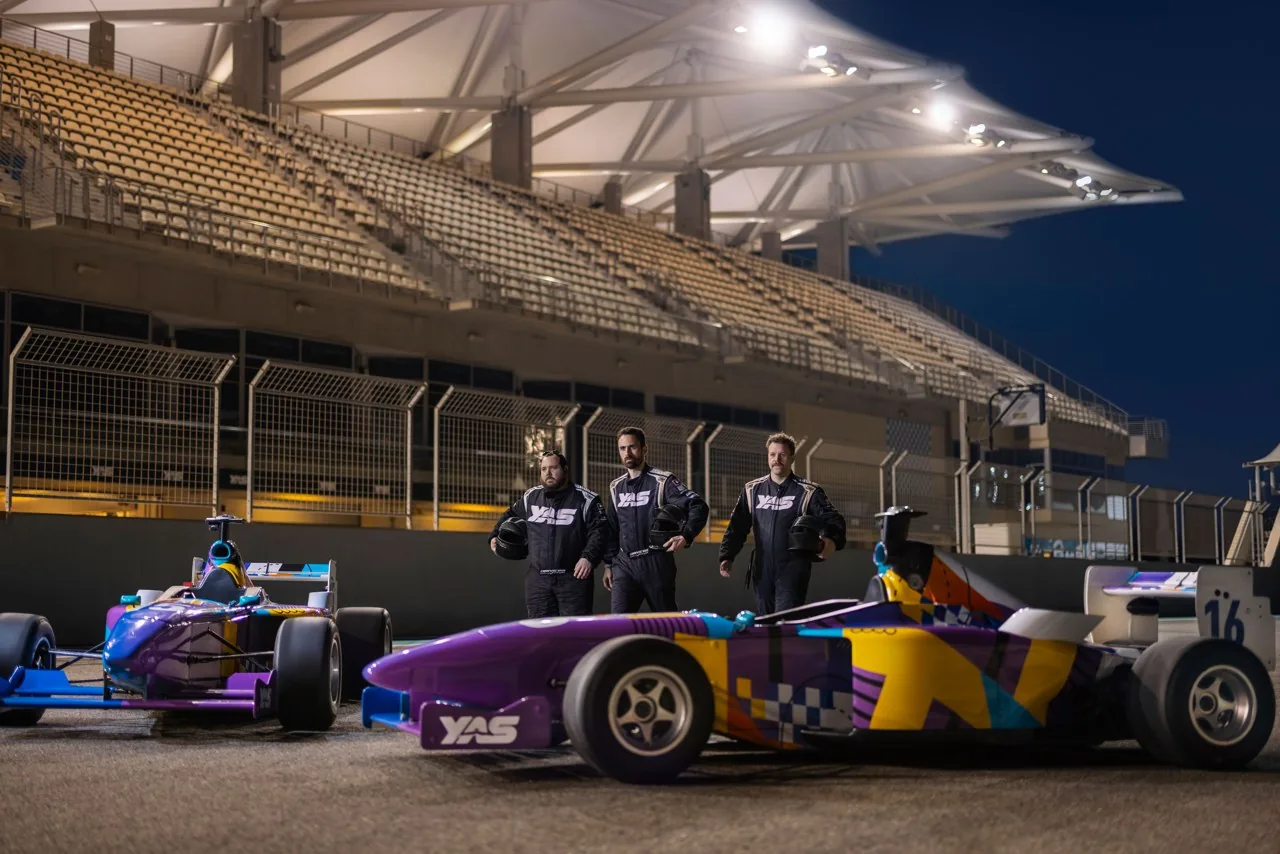
Yas Island Circuit hosts the Abu Dhabi Formula 1 Grand Prix. In addition to competitions, they offer self-guided track discovery programs, go-kart racing and automotive experiences.
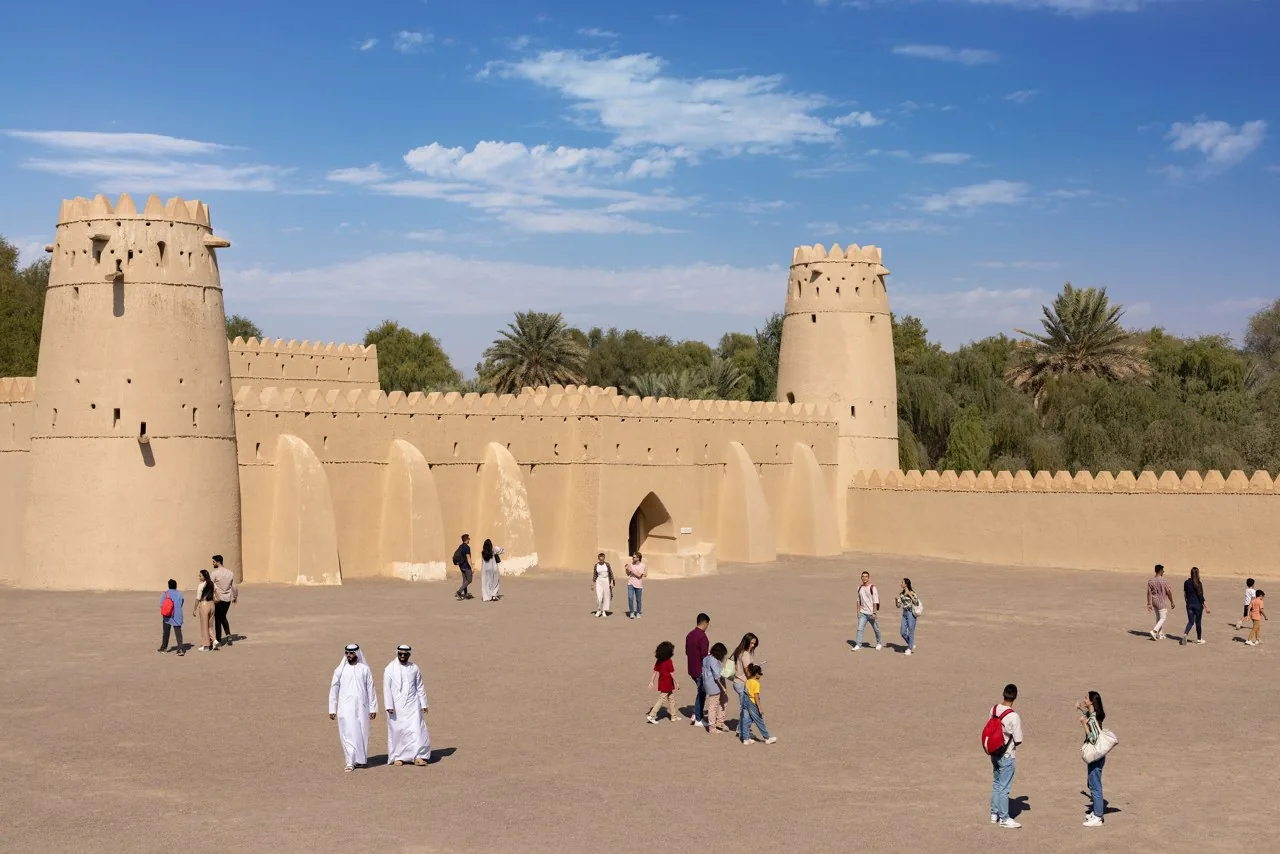
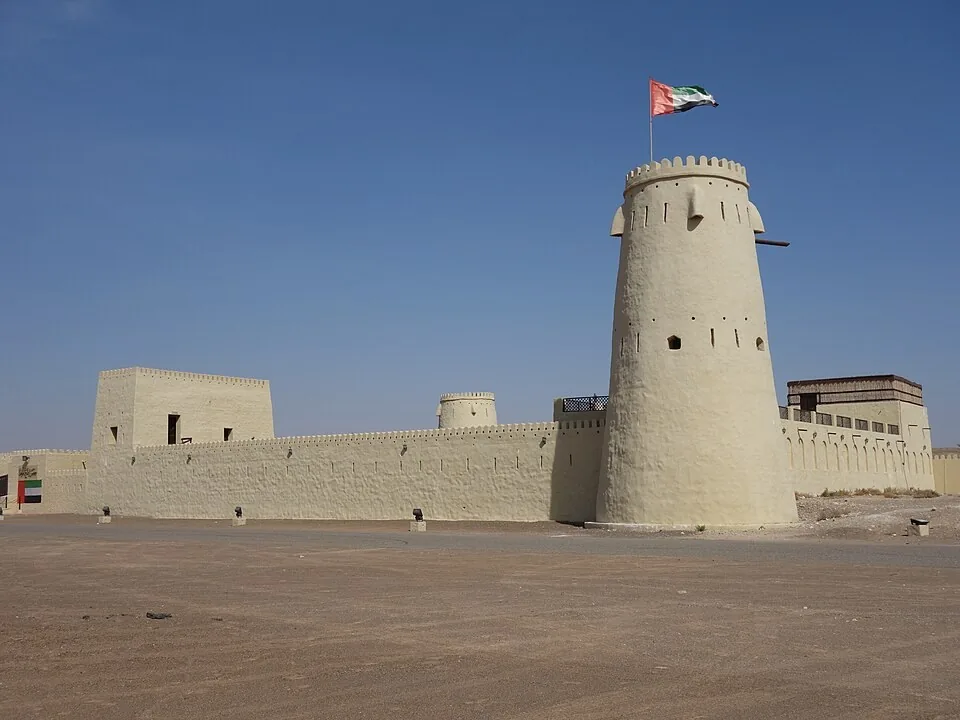
The sun-dried mud brick fort was built in the late 19th century for the Al Nahyan family. Today, the restored complex serves as a cultural space introducing the history of Al Ain and the heritage of the region.
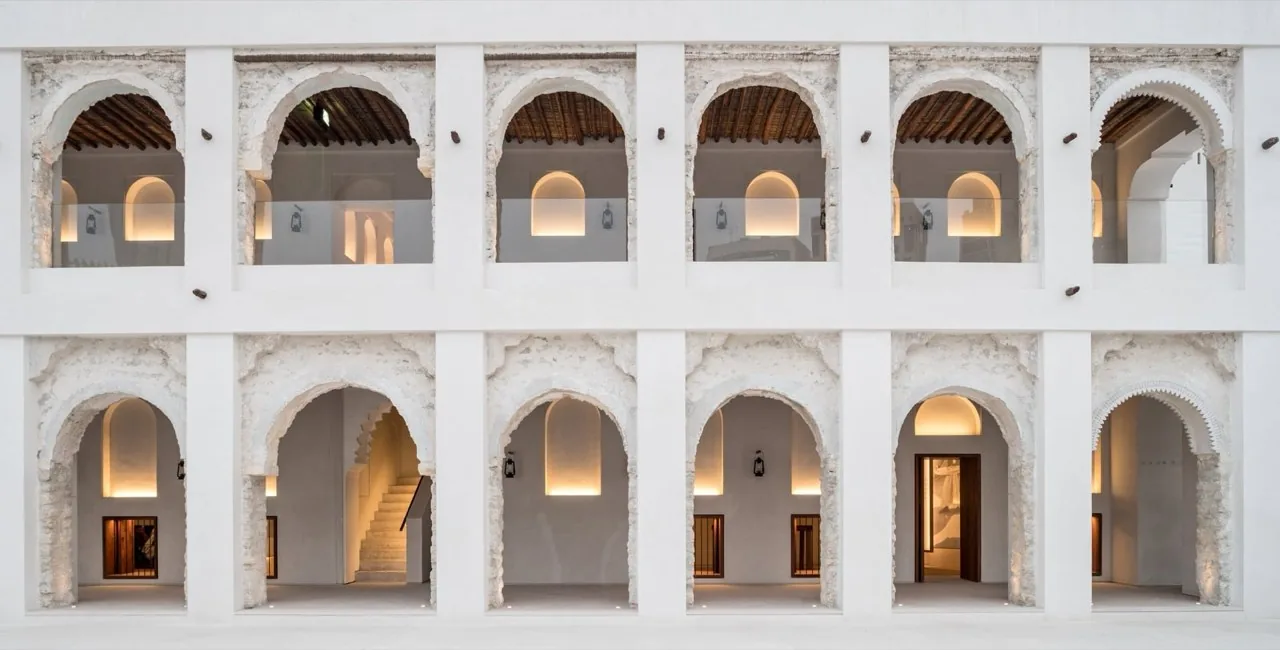
Al Hosn Historic Complex showcases Abu Dhabi's heritage through its fort, craft spaces and cultural programmes. The House of Artisans hosts demonstrations and classes involving traditional materials and techniques.
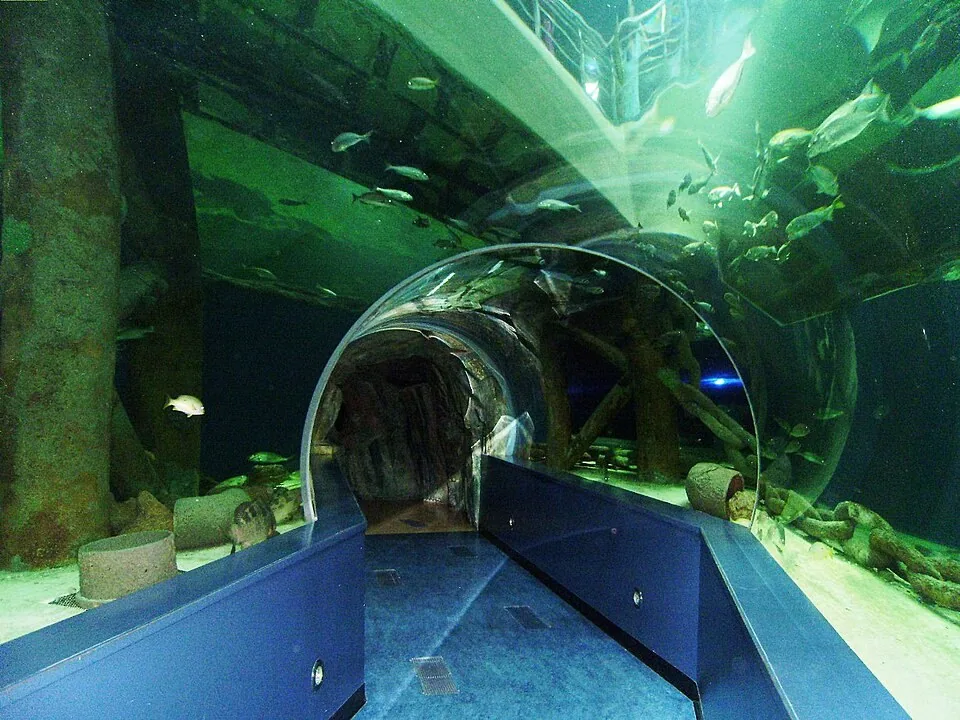
The aquarium reproduces local marine environments: coral reefs, rocky pools, lagoons and mangroves. An indoor route allows you to view the animals of the UAE coast and get to know their habitats.
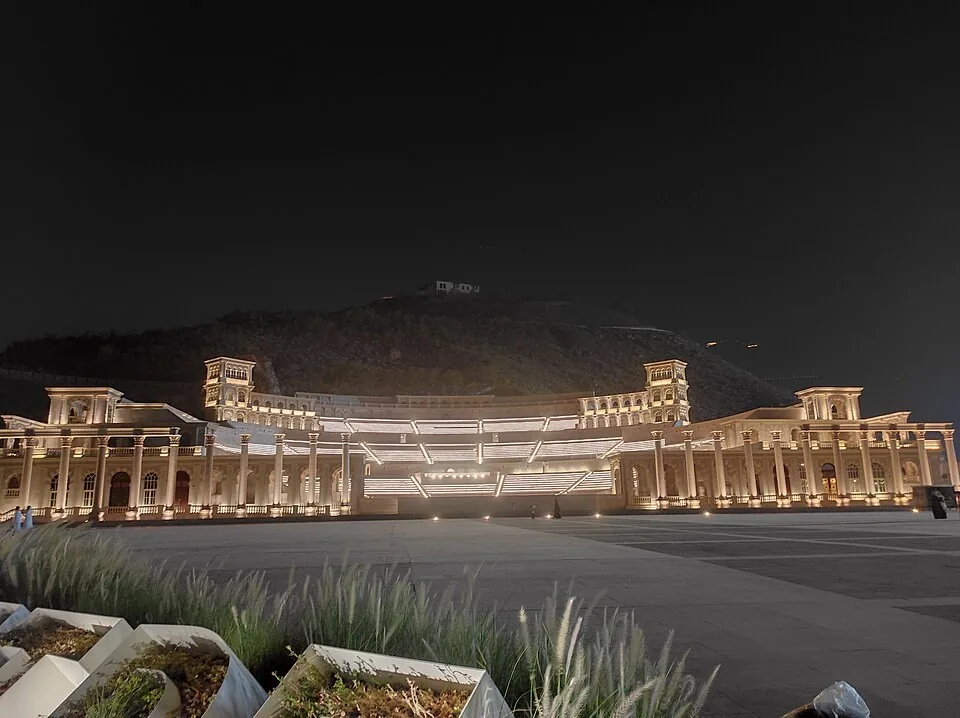
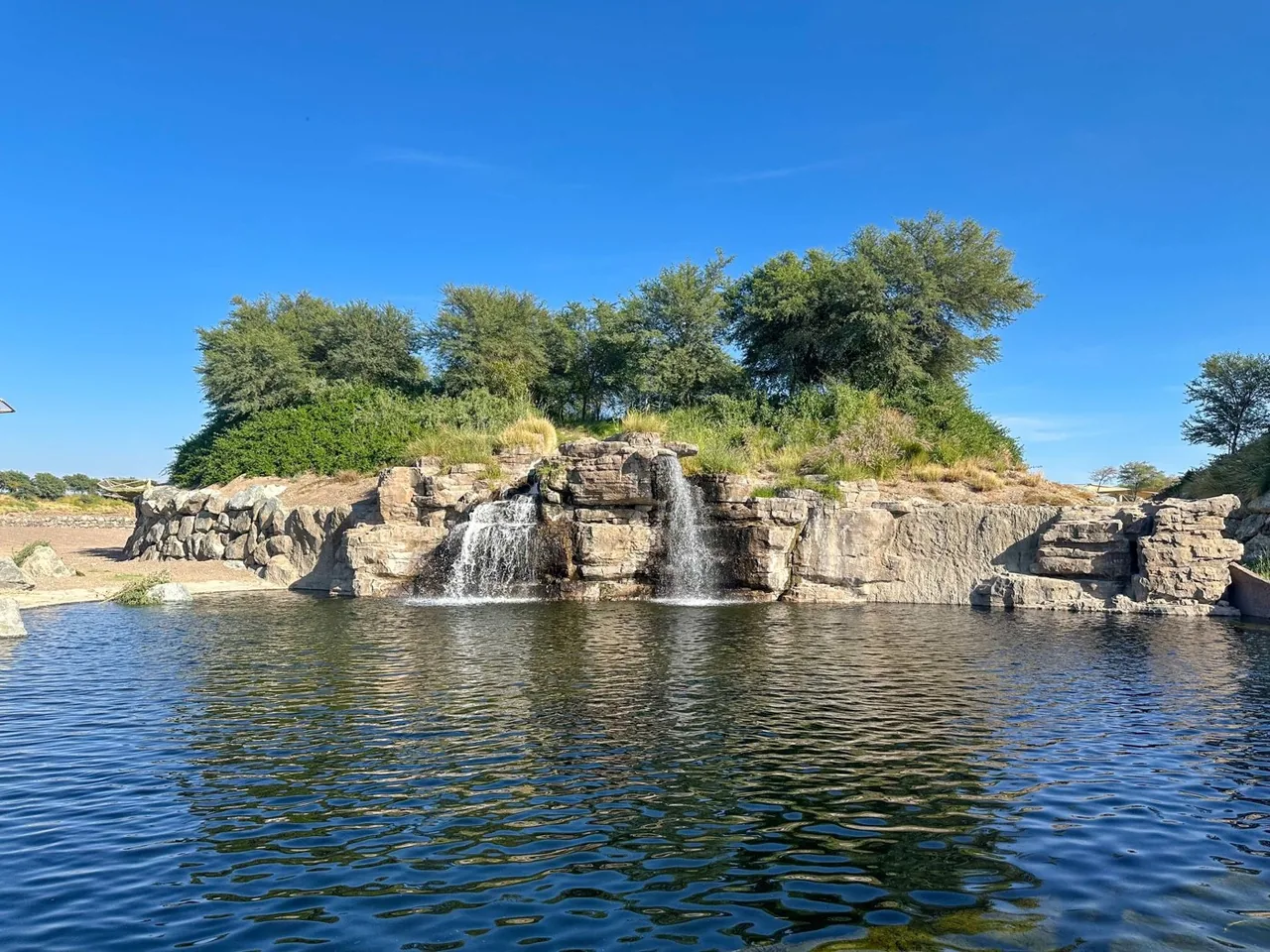
The amphitheater features Roman architecture and faces Khorfakkan Bay. An artificial waterfall cascades down the rock nearby, and the evening illumination changes the appearance of the entire complex.
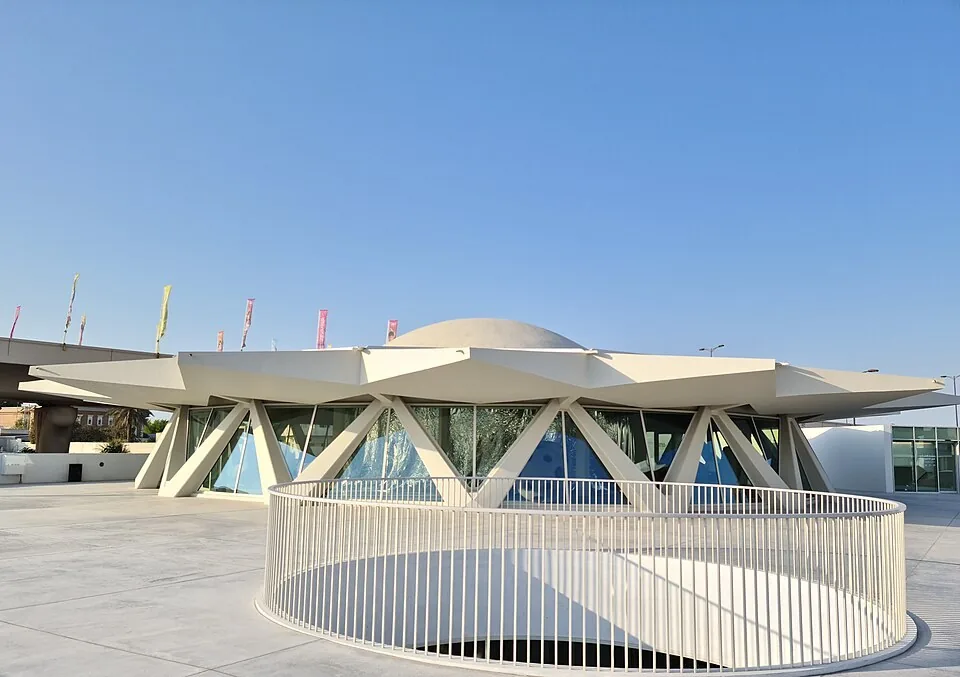
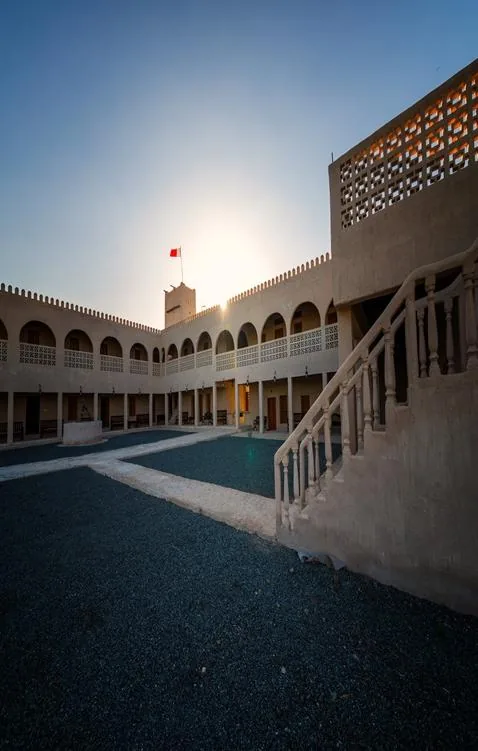
The 1970s building with a circular dome has been restored as a cultural space for the Sharjah Art Foundation. Exhibitions and public programs are complemented by an art library, green courtyard, and public spaces.
The museum reveals the history of the local people from the Stone Age to the Islamic era. Ceramics, jewelry and weapons from the excavations are complemented by a children's interactive area and educational materials.
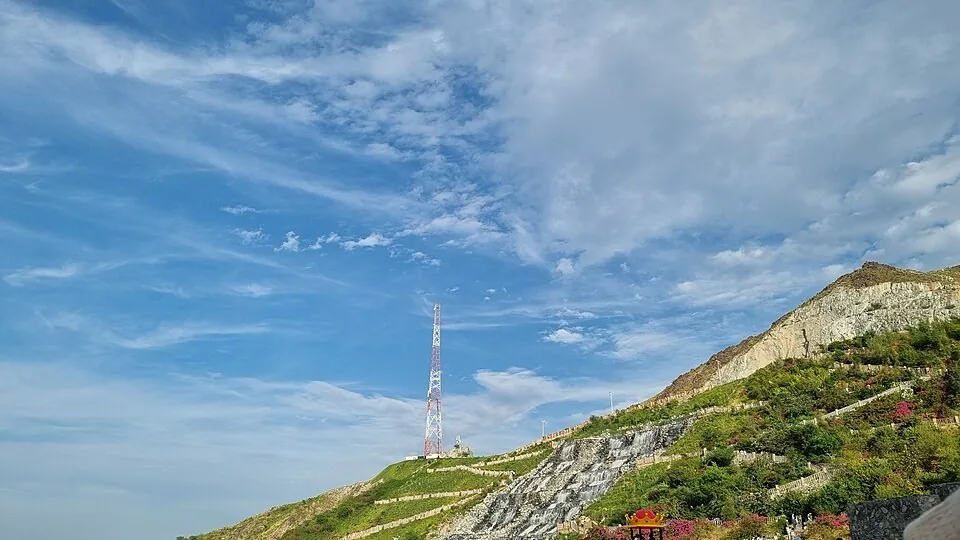
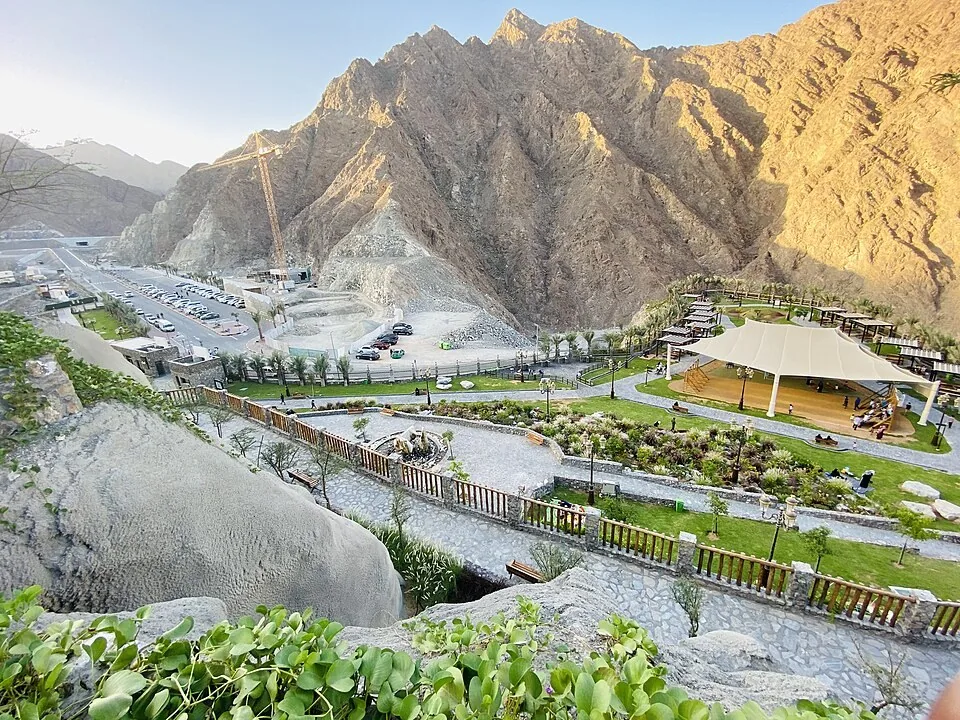
Terraced gardens on a mountainside combine green spaces and a multi-level artificial waterfall. Walking routes, children's areas and observation decks with restaurants are provided for visitors.
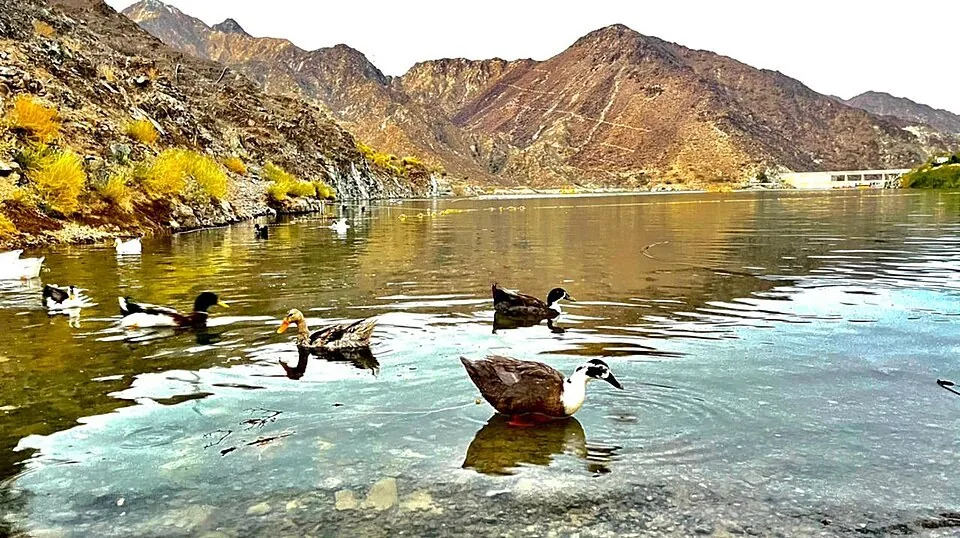
The reservoir among the Hajar Mountains combines walking views and relaxation by the water. The visitor complex includes children's areas, a restaurant overlooking the lake and a walking path to the old plantations.
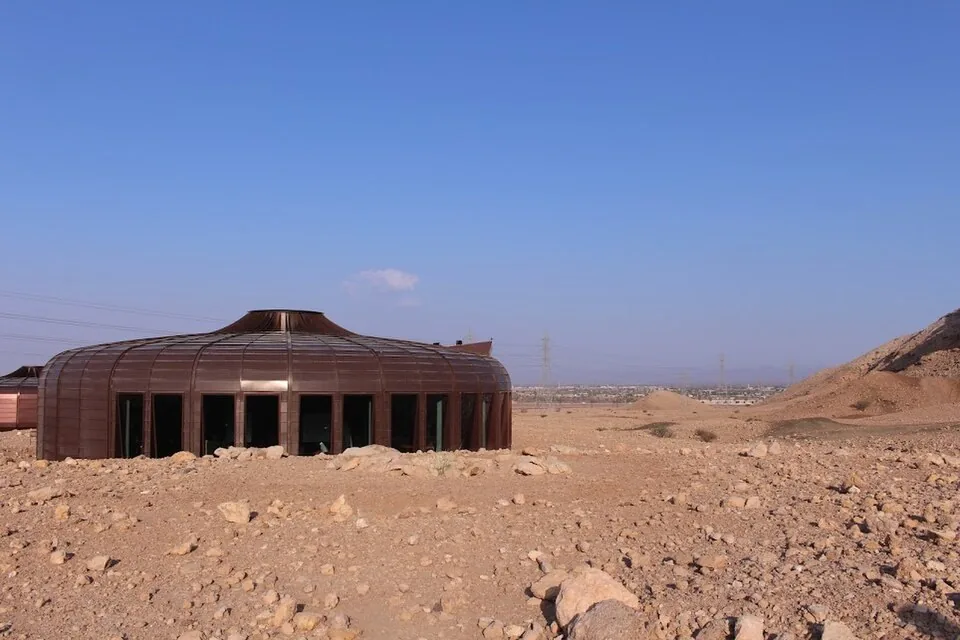
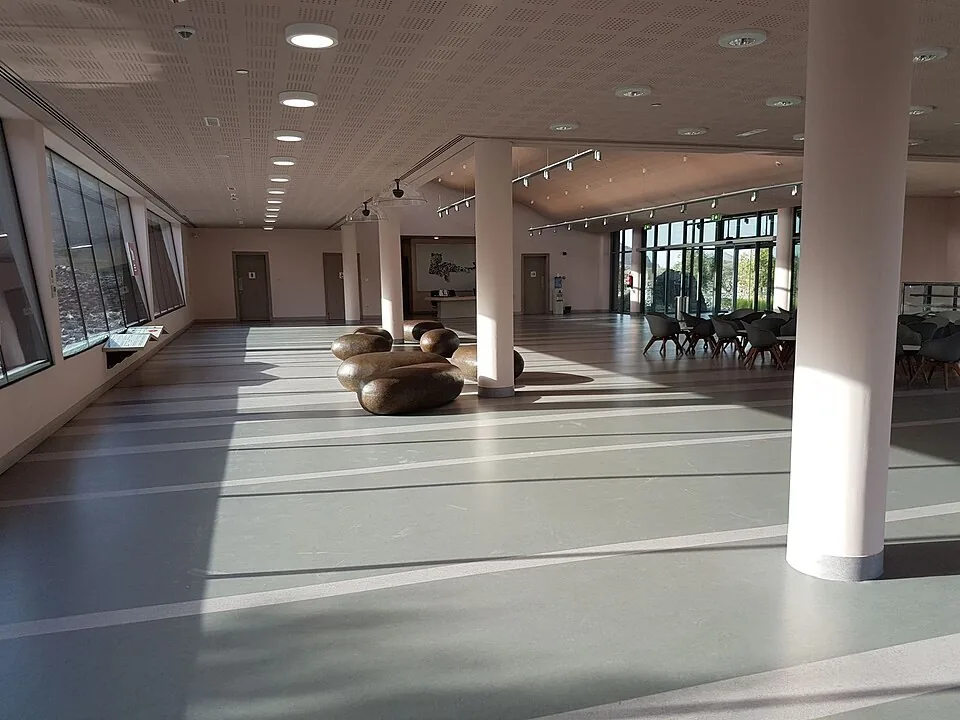
Five connected exhibition pavilions resemble fossils found in the region. Interactive exhibits and an outdoor trail explain the origins of Sharjah's mountains, dunes and ancient seascape.
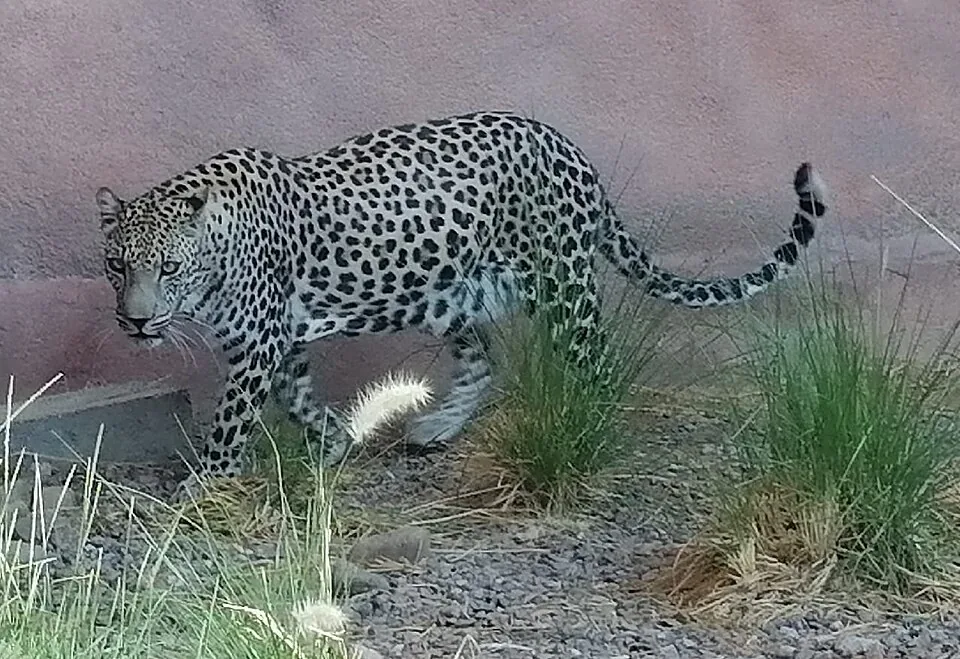
The Hajar Mountains Center is dedicated to animals of mountain and desert habitats. Large enclosures for Arabian leopard, wolf and caracal complement indoor reptile and small animal exhibits.
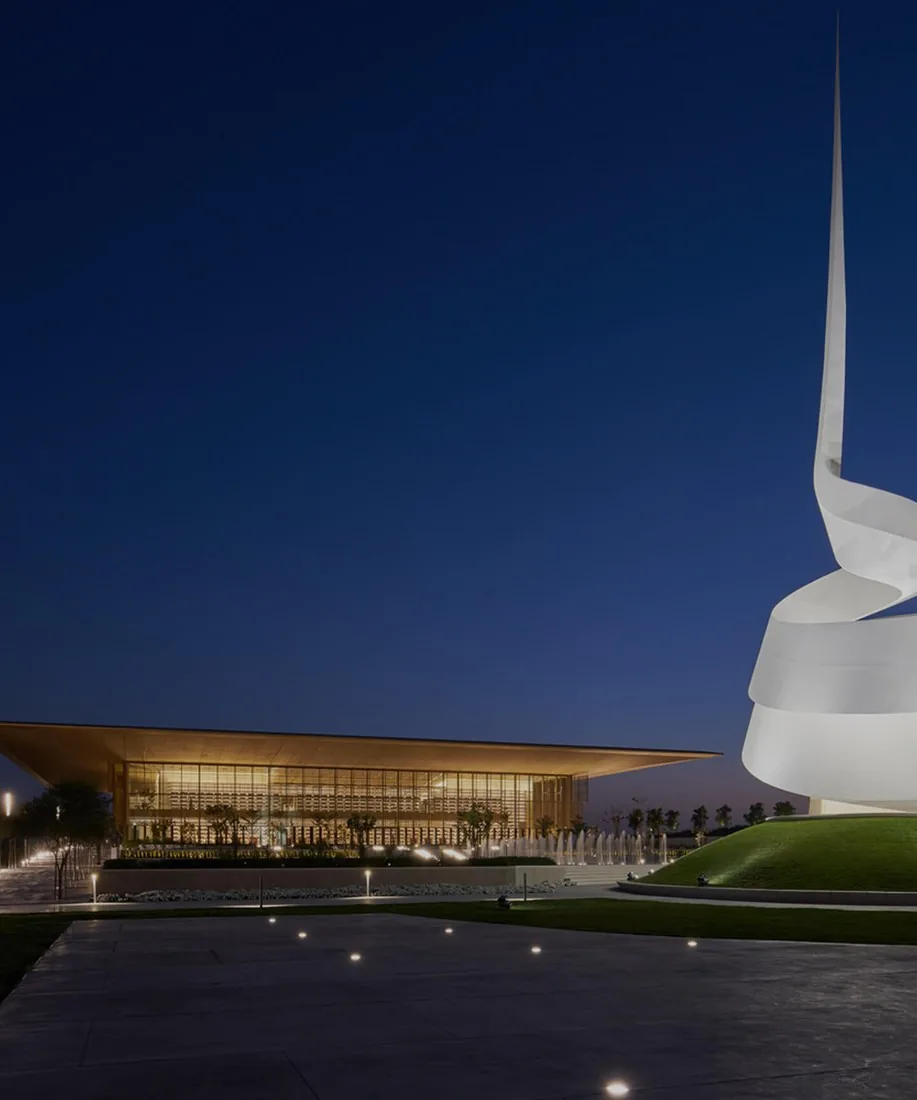
A modern library and cultural center reimagines the public space for reading and learning. The building, with a large shading roof, is surrounded by gardens and features The Scroll sculpture nearby.
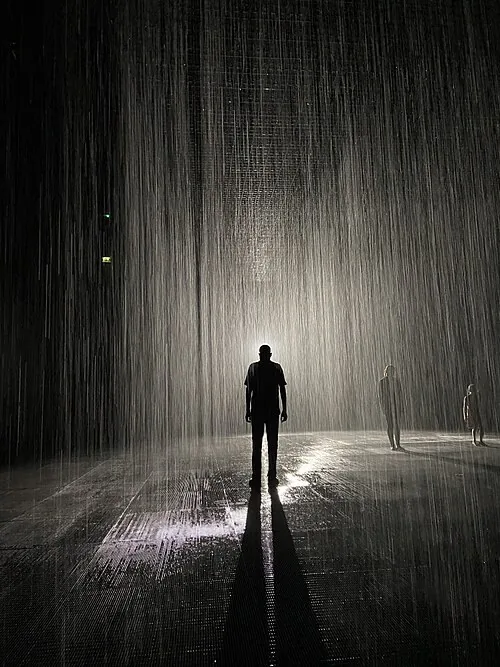
In Random International's installation, a visitor walks through artificial rain while sensors stop the water around the movement. The piece uses circulating water and is in the permanent collection of the Sharjah Art Foundation.
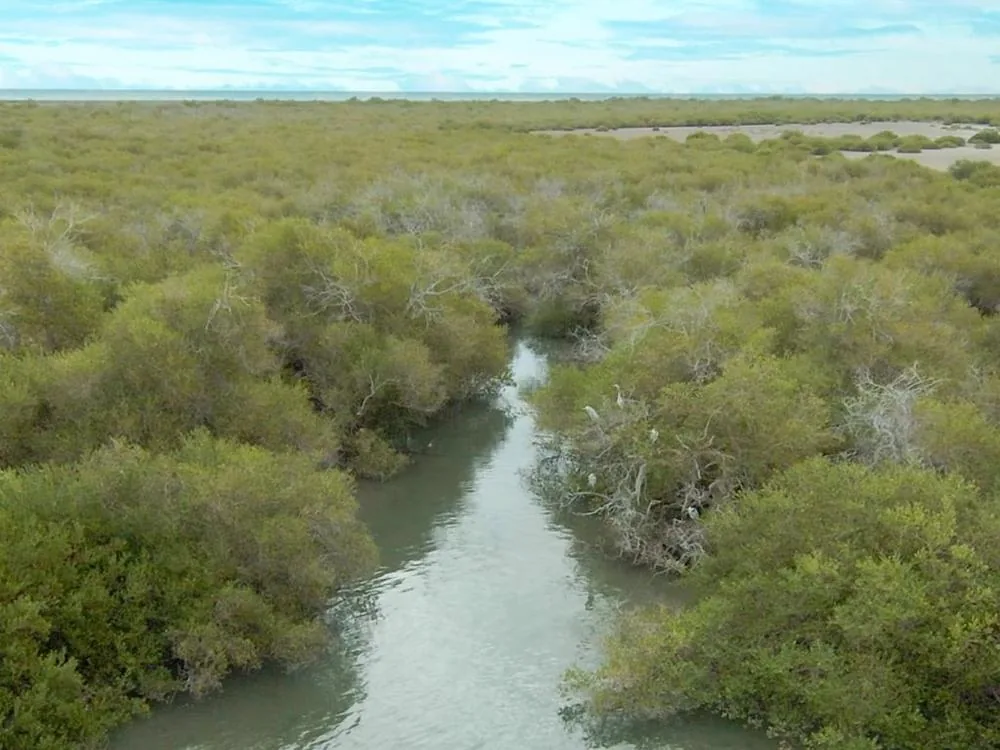
The environmental center is located among the old mangroves of the east coast. Indoor exhibits and an outdoor trail introduce shorebirds, crabs, turtles and the mangrove environment.
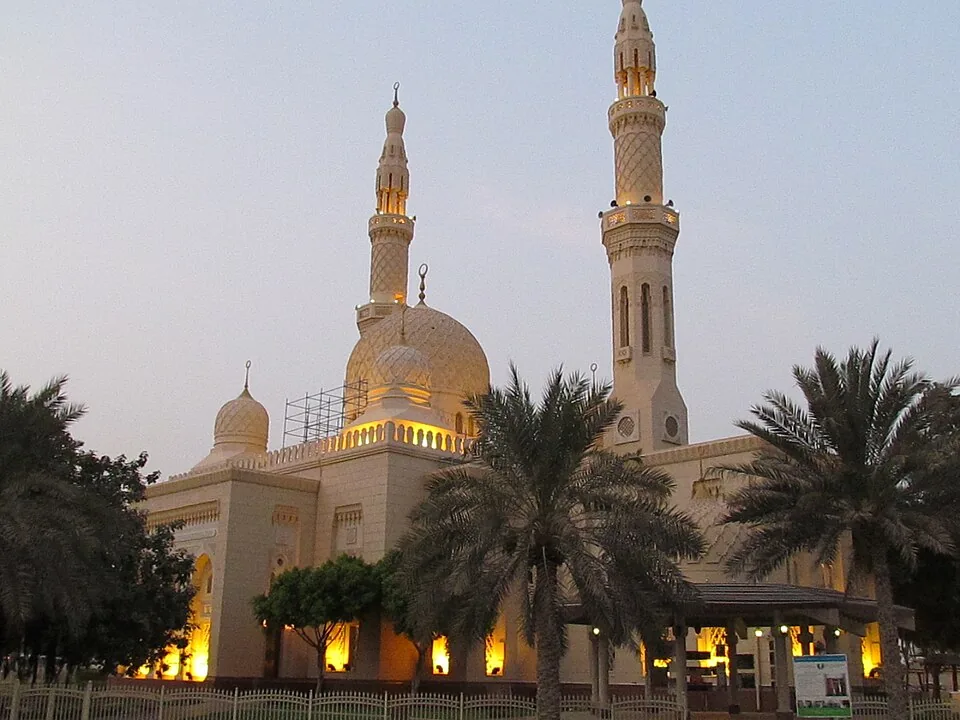
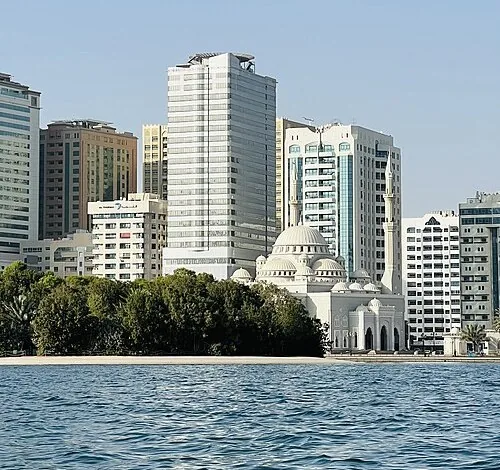
The mosque on the shores of the Khalid Lagoon is recognizable by its cascade of domes and two Ottoman-style minarets. Cultural excursions introduce the architecture, Islamic culture and heritage of the emirate.
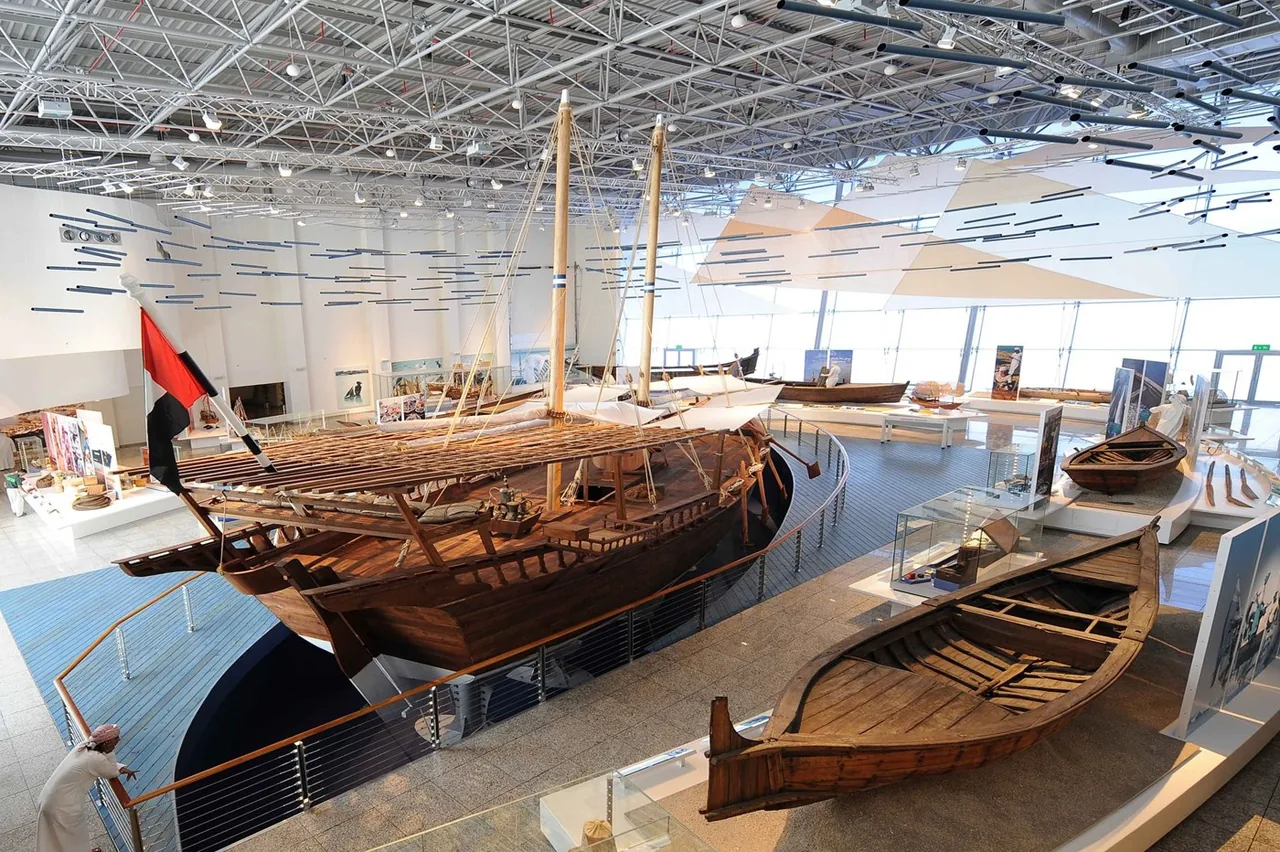
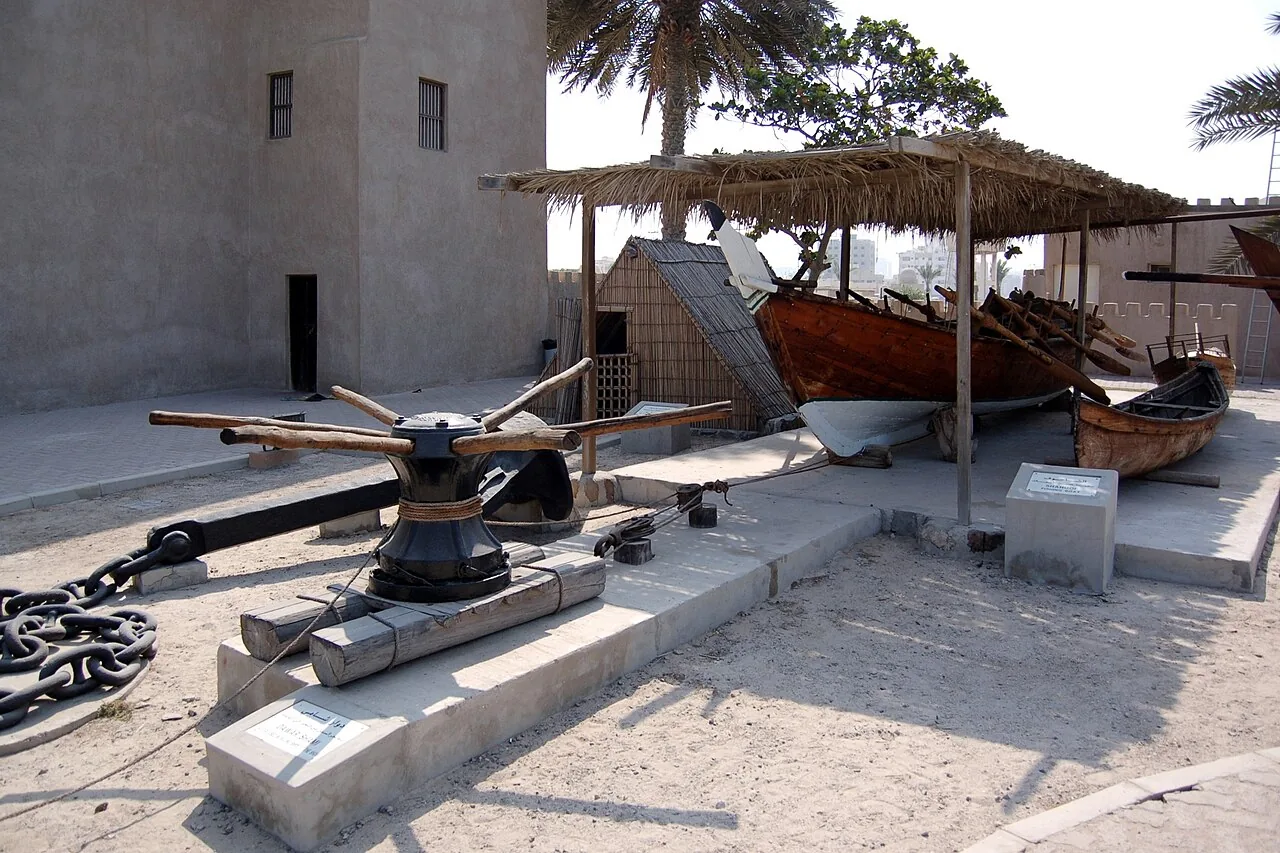
The museum shows how the sea shaped the development of Sharjah's coastal settlements. The exhibit focuses on pearling, fishing and trading, including a full-size pearling boat.
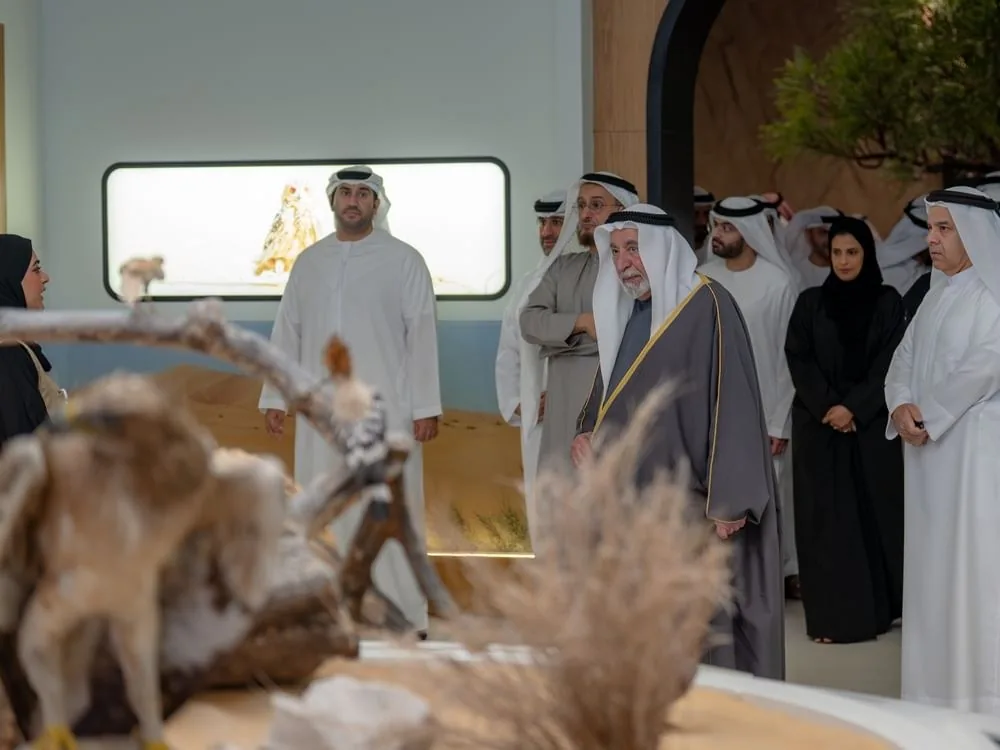
Museum opening on February 7, 2026. Photo source: WAM.
The interactive museum introduces the ecosystems of the Arabian Desert and the adaptations of its animals and plants. Educational models and digital exhibits are complemented by a separate children's room for hands-on activities.
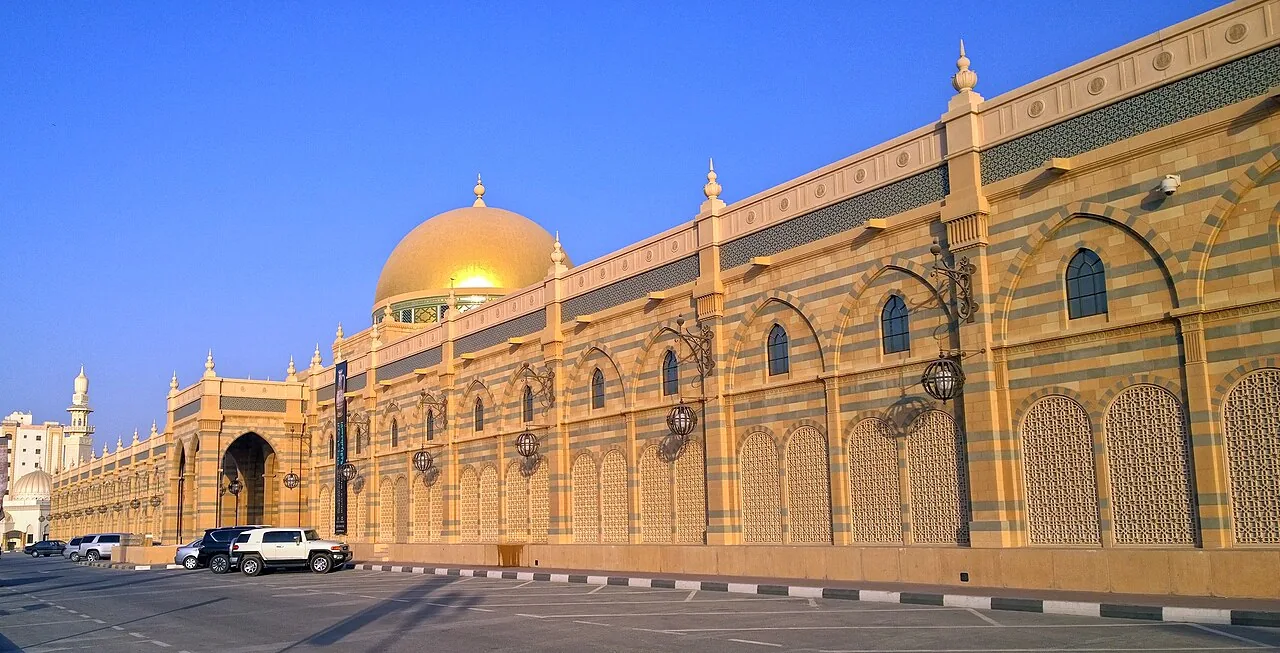
The museum's seven galleries explore the Islamic faith, scientific discoveries and artistic crafts. Exhibits include astrolabes, manuscripts, ceramics and coins, and the dome is decorated with a mosaic of constellations.
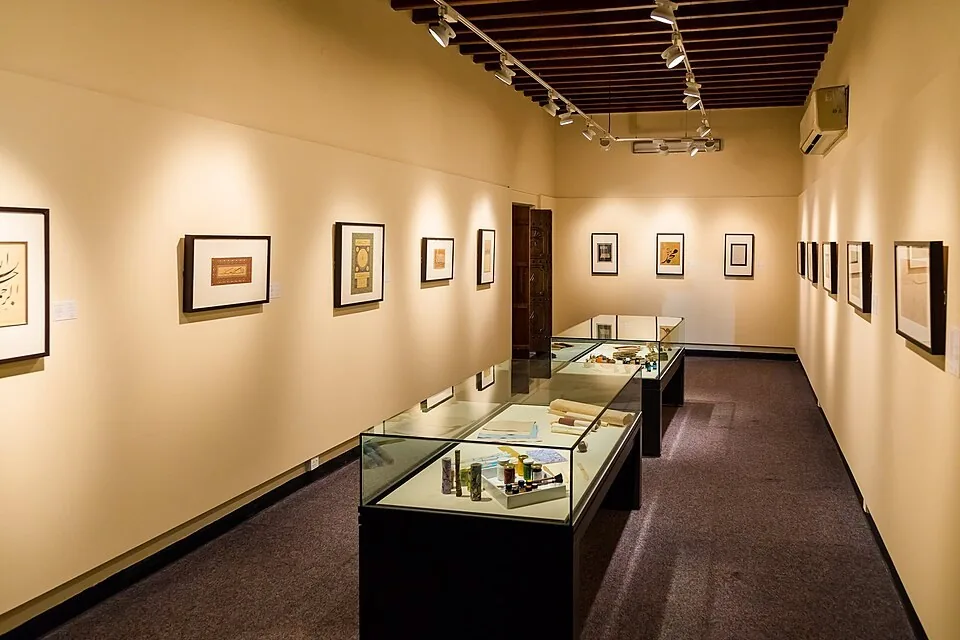
The museum in the historic house is dedicated to Arabic calligraphy and its development from the early Kufic script. Works on paper, wood, ceramics and canvas show the variety of materials of this art.
Six galleries in the restored pearl merchant's home reveal the traditional way of life of the emirate. Exhibits focus on the landscape, festivals, activities, knowledge and oral heritage of the local people.
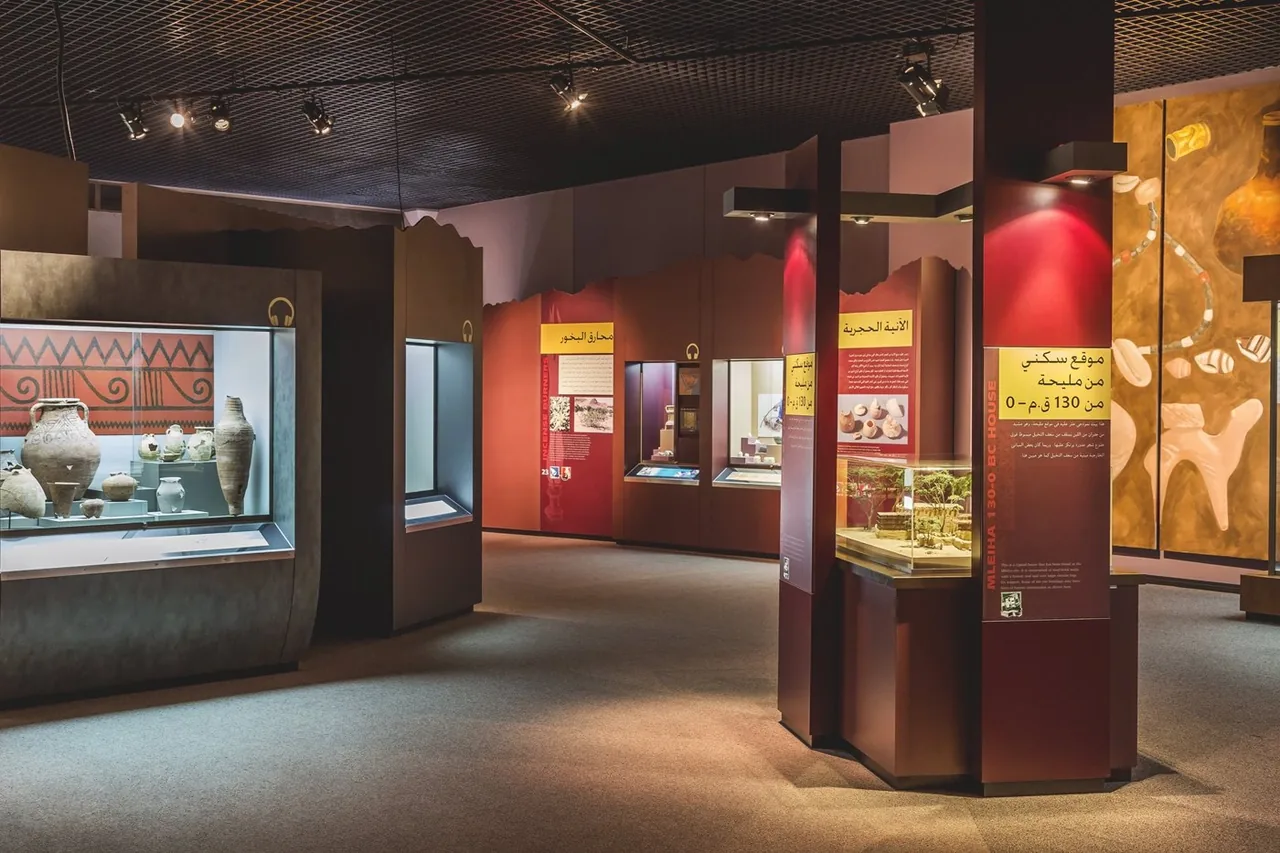
The Mleiha Archaeological Center explores the ancient settlement of Arabia through finds, interactive exhibits and site visits. The surrounding desert offers excursions to burial sites, geological formations and dune trails.
The pond along the Sharjah-Kalba road serves as a water reservoir and walking area. There are paths around the lake, and the surrounding mountains offer routes of varying difficulty.
The pedestrian island in Khalid Lagoon features botanical paths, sculptures and a Butterfly House. The climate-controlled greenhouse offers tropical views and the outdoors allows you to stroll among contemporary art.
The complex combines the center of the Arabian fauna, natural science exhibitions and botanical spaces. The children's farm complements the introduction to rare animals and nature of the Arabian Peninsula.
The park in the mountain village of Shis combines a waterfall, shady recreation areas and playgrounds. Stone stairs connect the terraces and lead to a viewing platform above the grounds.
A family-friendly island complex in Khalid Lagoon combines a water park and an amusement park. Within the same area there are play routes, cafes and recreation areas near the green lawns.
The marked mountain trail at the historic Al Rabi Tower offers views of Khorfakkan and the Gulf of Oman. The route follows a rocky slope and is suitable for exploring the mountainous landscape of the east coast.
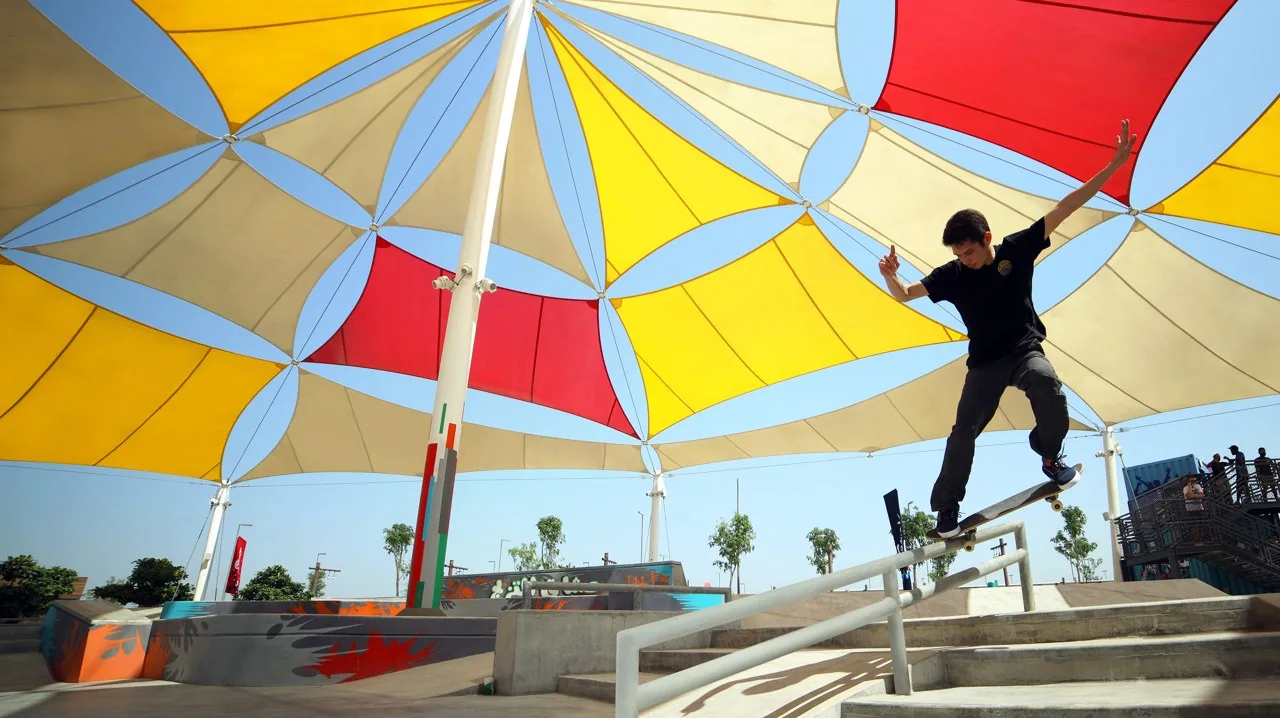
Al Hira's landscaped coastline combines beach, promenade and sports spaces. A bike trail, playgrounds and a skate park complement the cafés and restaurants by the sea.
The beach on the Gulf of Oman stretches in a crescent along the city promenade. In addition to walking and swimming, they offer water activities and boat trips to the coastal islands.
The Wasit Nature Reserve combines salt marshes, dunes, ponds and a lake within the city. There are binocular hides for bird watching, and the center's architecture has won the Aga Khan Award.
The Safari Park reproduces the different natural landscapes of Africa in the central part of the emirate. Thematic areas introduce the savanna and other ecosystems, where giraffes, rhinoceroses and large predators are represented.
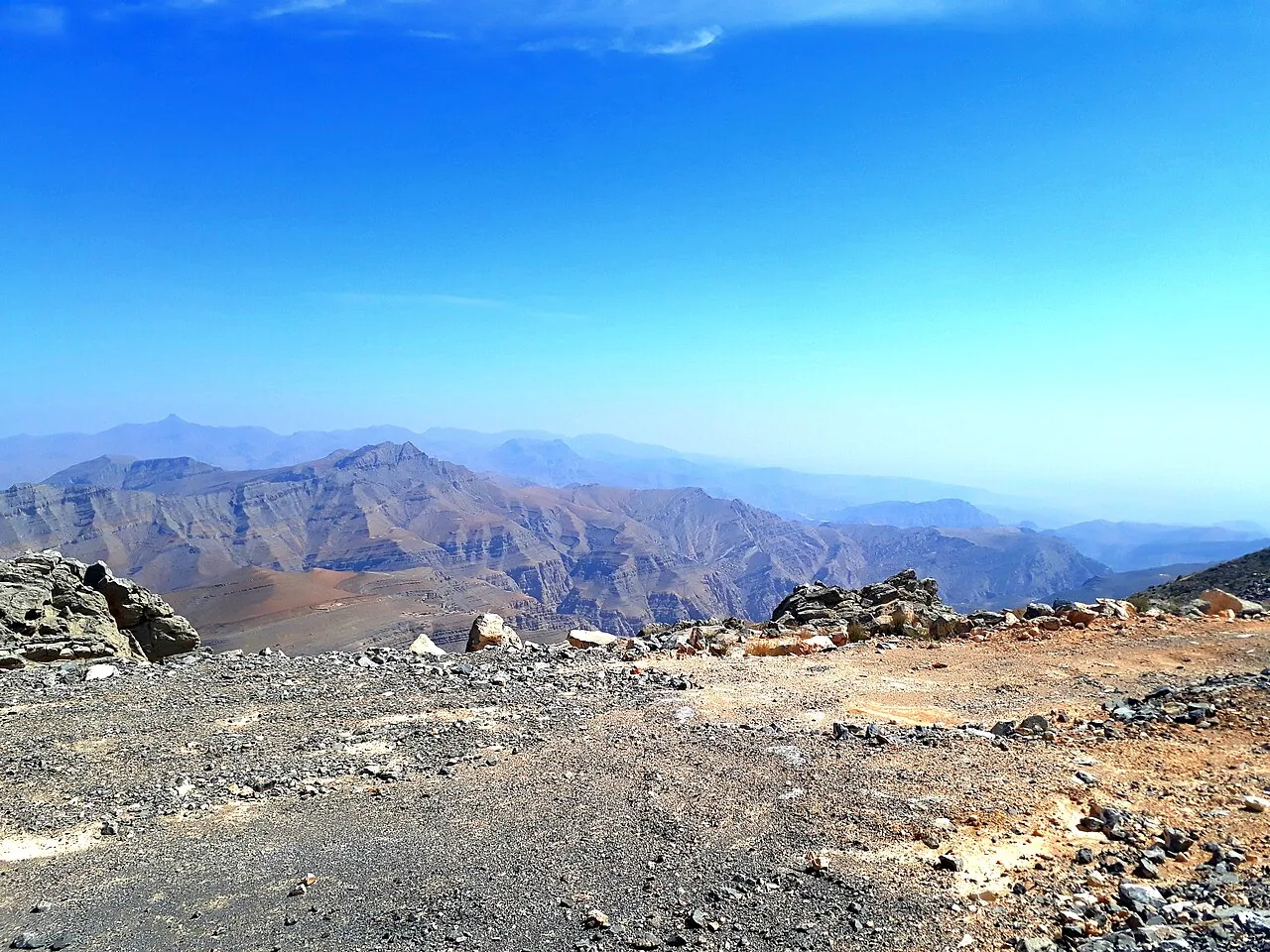
Cloud Lounge is located approximately 600 meters above sea level. Viewpoints offer panoramic views of Khorfakkan, the coast and surrounding mountains.
The center is dedicated to falcons and other birds of prey in the region. The aviaries are complemented by free flight demonstrations that link conservation work with the tradition of falconry.
The seasonal channel among the Hajar Mountains is famous for its reservoir and trails for walking and biking. The valley contains old settlements and agricultural plots, and a recreation area is provided near the dam.
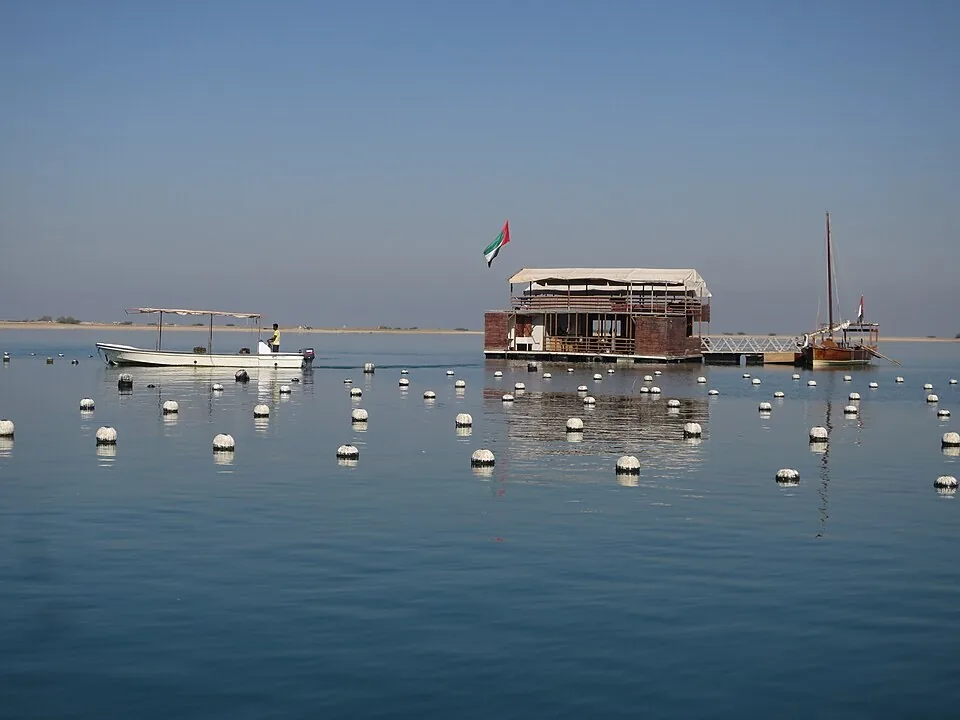
A traditional boat ride introduces the mangrove coast and the history of pearl diving. The floating farm shows modern methods of pearl cultivation and explains the work of traditional divers.
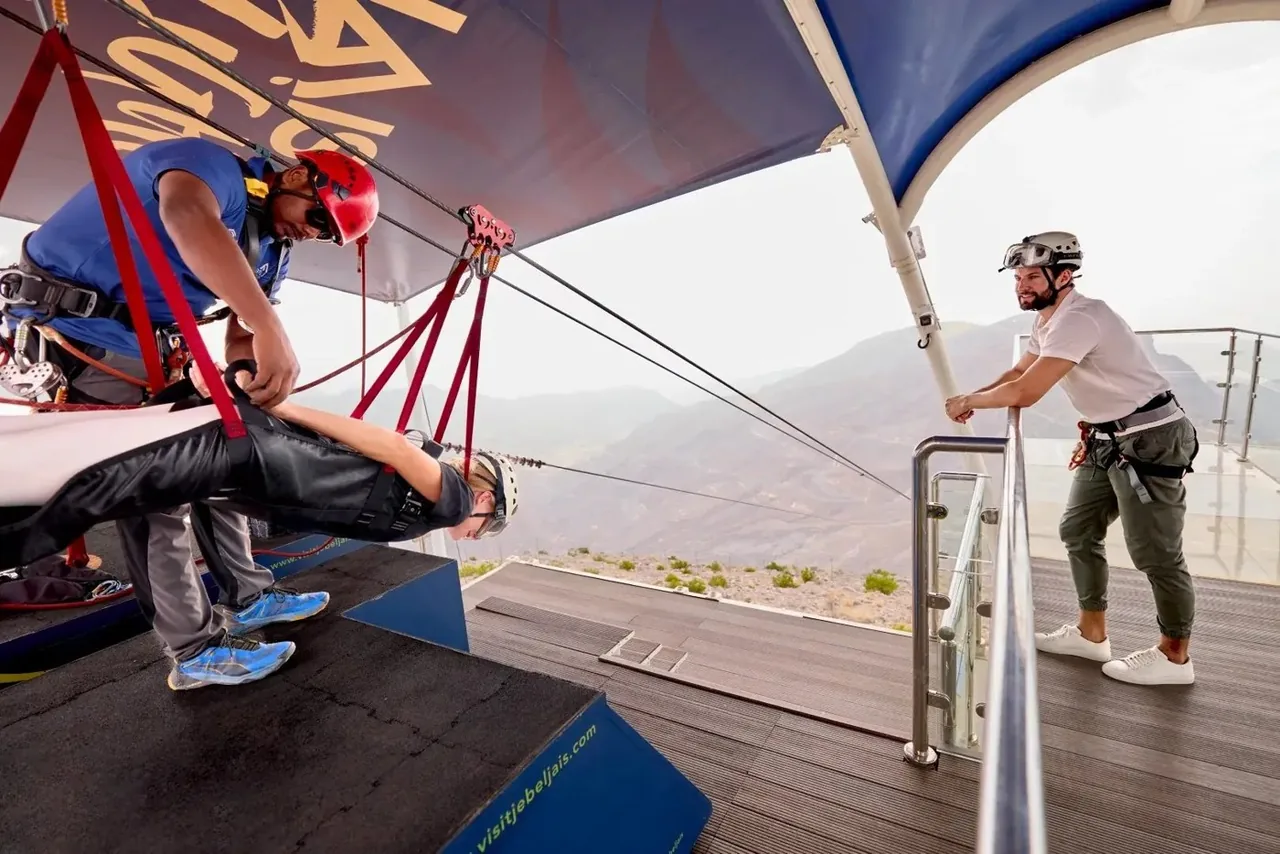
The 2.83 kilometer zipline runs over the gorges of Jebel Jais. The flight offers views of the rugged Hajar ranges and requires compliance with the operator's physical limitations.
The former settlement of pearl miners retains houses with courtyards, a mosque, a market and defensive structures. Coral stone, palm materials and wind towers show pre-oil era coastal architecture.
The open-air karting track combines fast straights and technical corners. The operator offers maps and programs for different ages and experience levels.
The restored historical mosque is located in the old city near the embankment. Coral stone and traditional plaster preserve the character of the region's coastal architecture.
The museum occupies a historical fortified complex in the old town. Archaeological and ethnographic galleries complement the stories of Julfar, trade, weapons and traditional date syrup making.
A large city park combines green spaces and family fun. An artificial lake, playgrounds for children and play areas allow you to alternate between walking and active recreation.
Viewpoint Park is located on the Jebel Jais mountain range. Several vantage points with binoculars allow views of the winding road, the valleys of Hajar and the distant coastline.
The hill fort overlooks the palm gardens of the northern emirate. Climbing the steps reveals views of the mountains, the oasis and the coast, and the fortification itself is associated with the history of the local tribes.
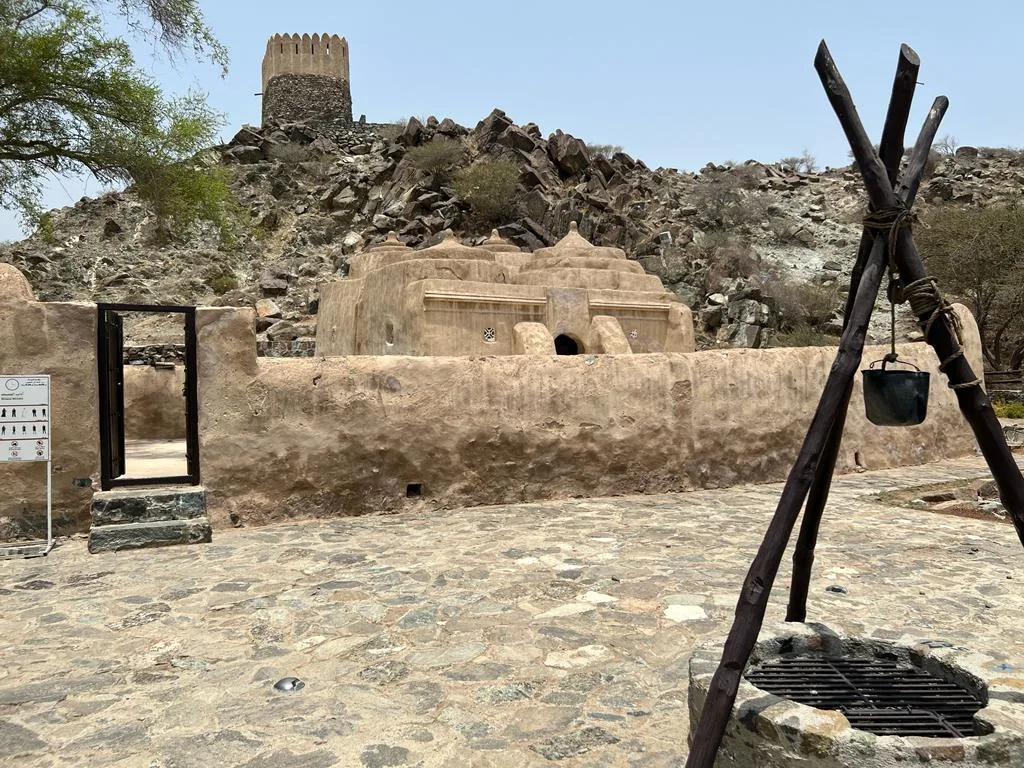
The small historical mosque features four domes that rest on a central column. The official tourism page places construction at the end of the 16th century based on research into the foundation materials.
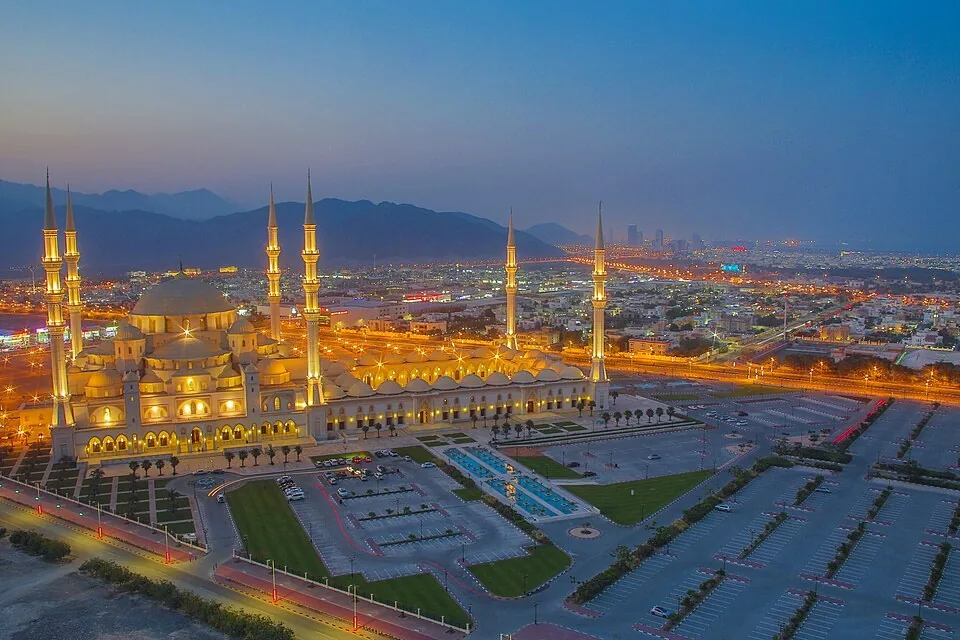
The city's large mosque features white granite, marble and monumental Islamic architecture. This is a separate structure in Fujairah and should not be confused with the Abu Dhabi mosque of the same name.
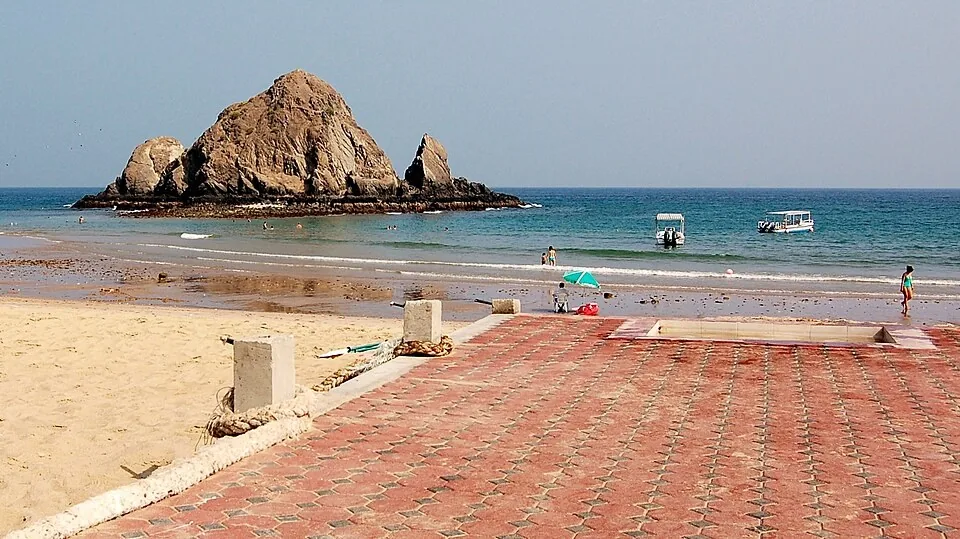
File photo, 2007: El Aka Beach near Snoopy Island.
The coast of El Aqa is famous for its marine activities, coral areas and resorts located along the coast. Here you can choose a beach holiday or organized diving and snorkeling.
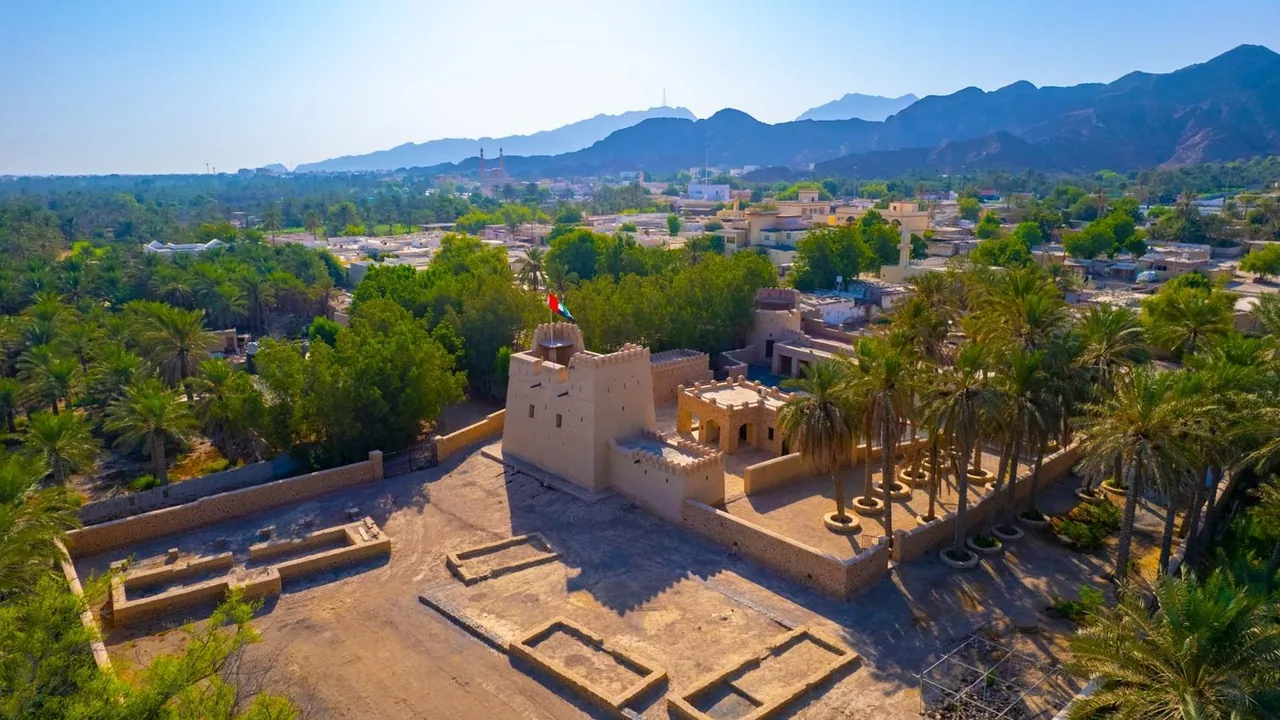
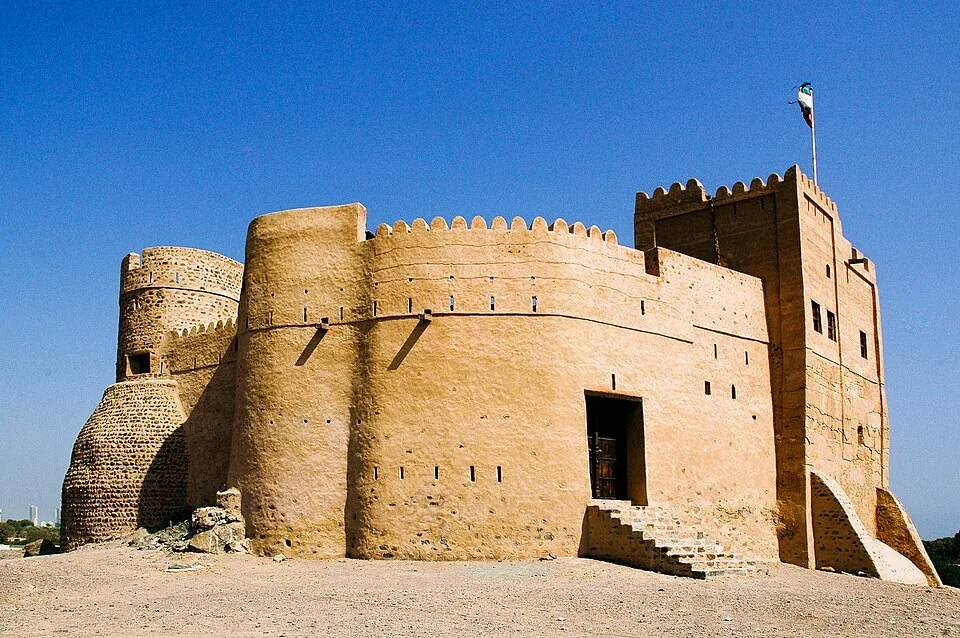
The restored late Islamic fort is located near the village of the same name. Archaeological research has revealed earlier Iron Age fortifications underneath, revealing multiple historical layers to a single site.
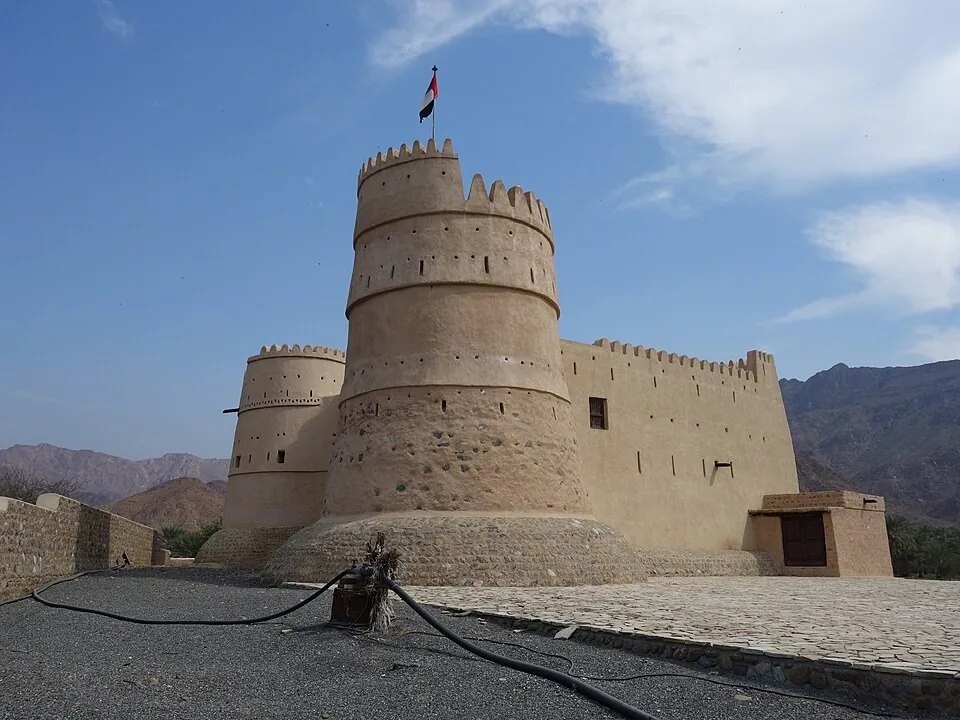
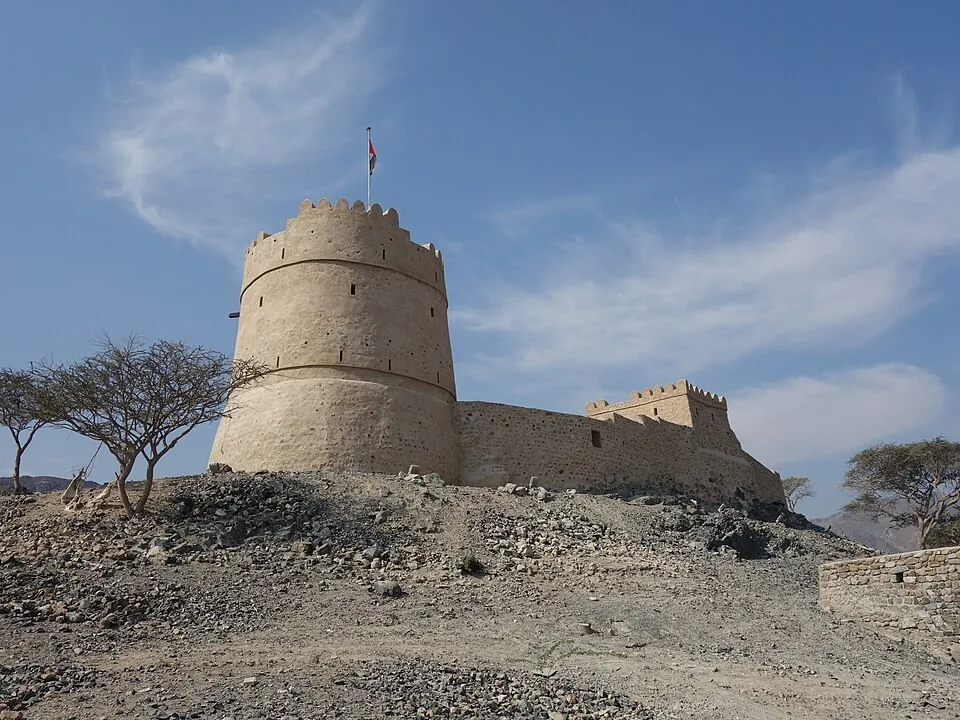
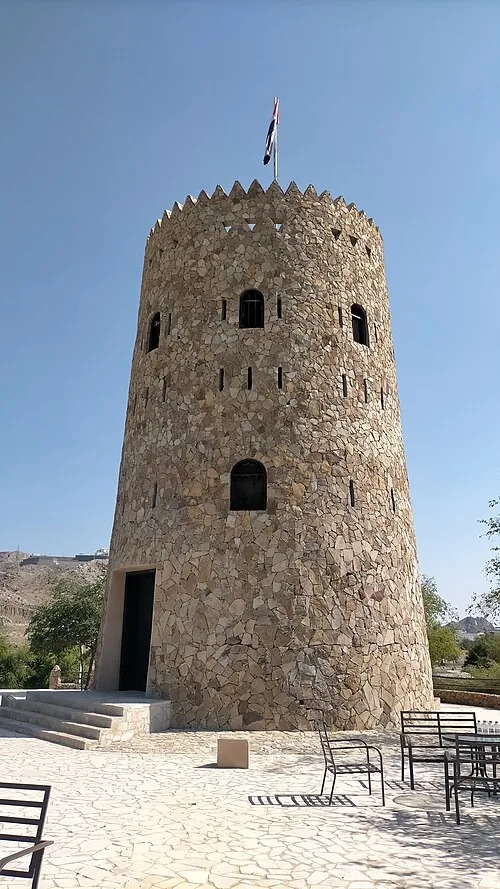
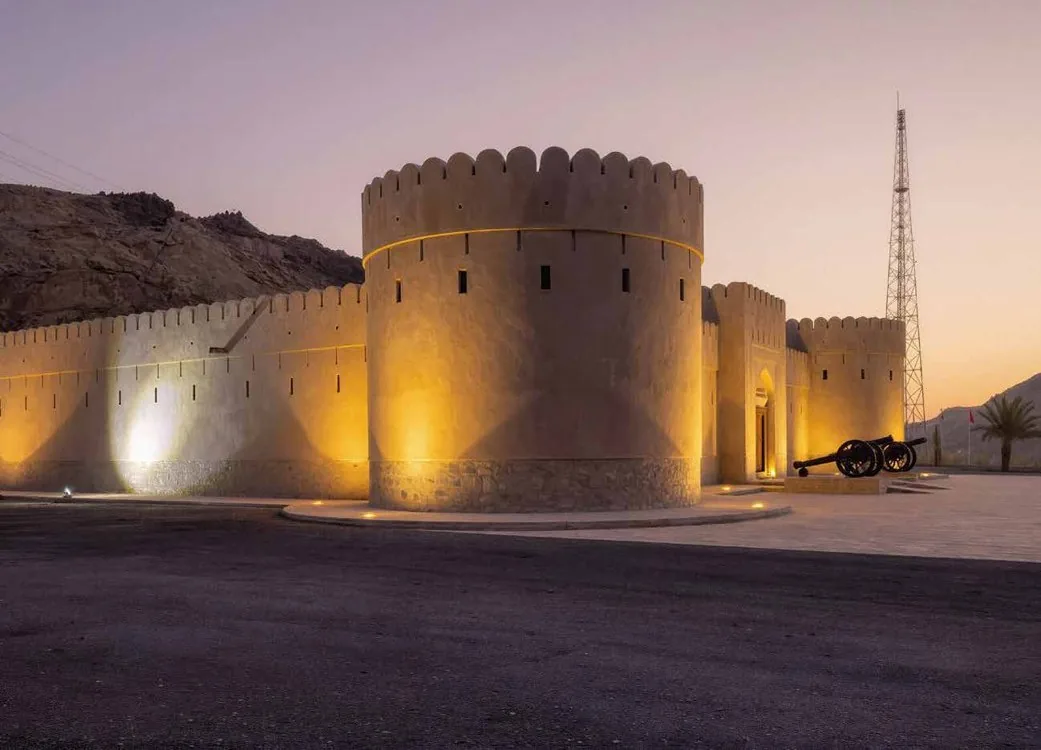
The fort is located between the mountains of Wadi Ham and agricultural oases. The towers, courtyard and defensive openings show how the fortification protected the important passage to Fujairah.
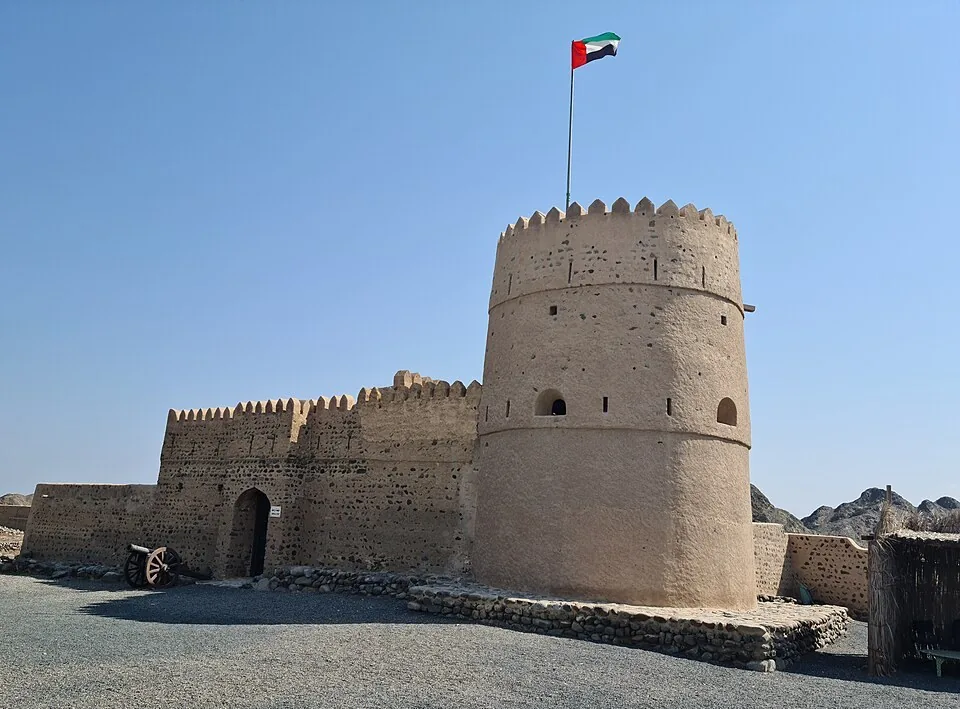
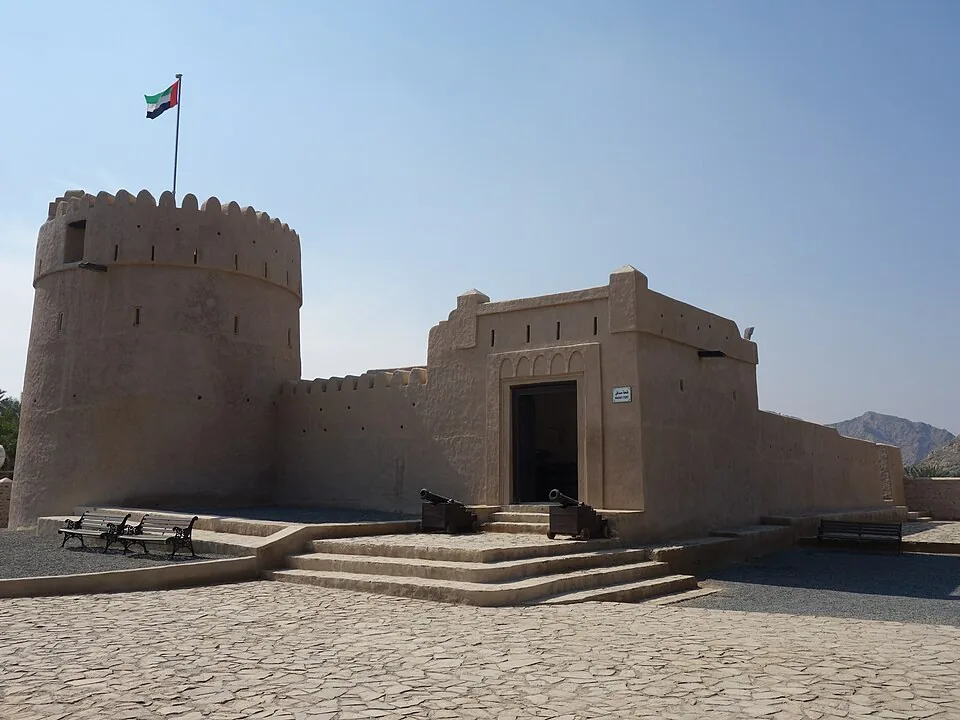
The historic complex of Dibba consists of a main fortification, a courtyard and round towers. It was restored based on archaeological research, maintaining connections with local stone and palm materials.
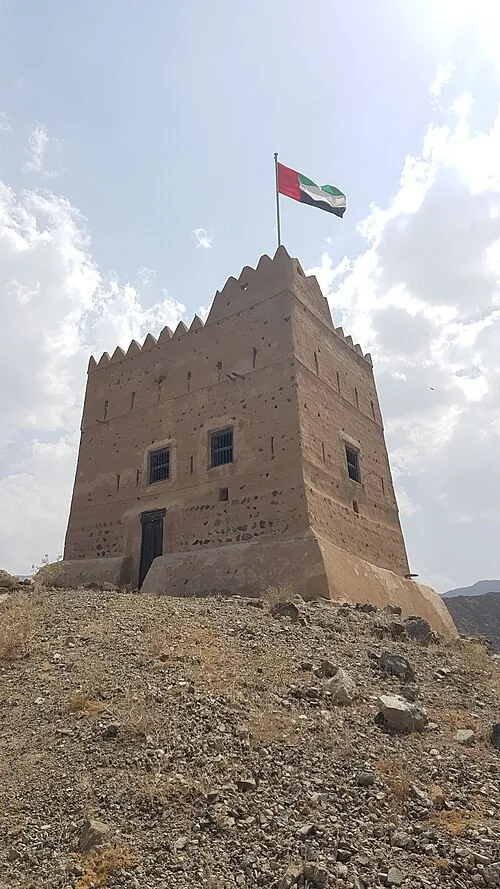
A fortified house and watchtower are located above the Wadi Al Khail valley. The preserved premises and the view from the hill tell the story of the village's defense and traditional building materials.
The fort on a low hill retains a square courtyard and a round defensive tower. Ancient falaj irrigation canals associated with Masafi's agricultural past have been discovered beneath the structure.
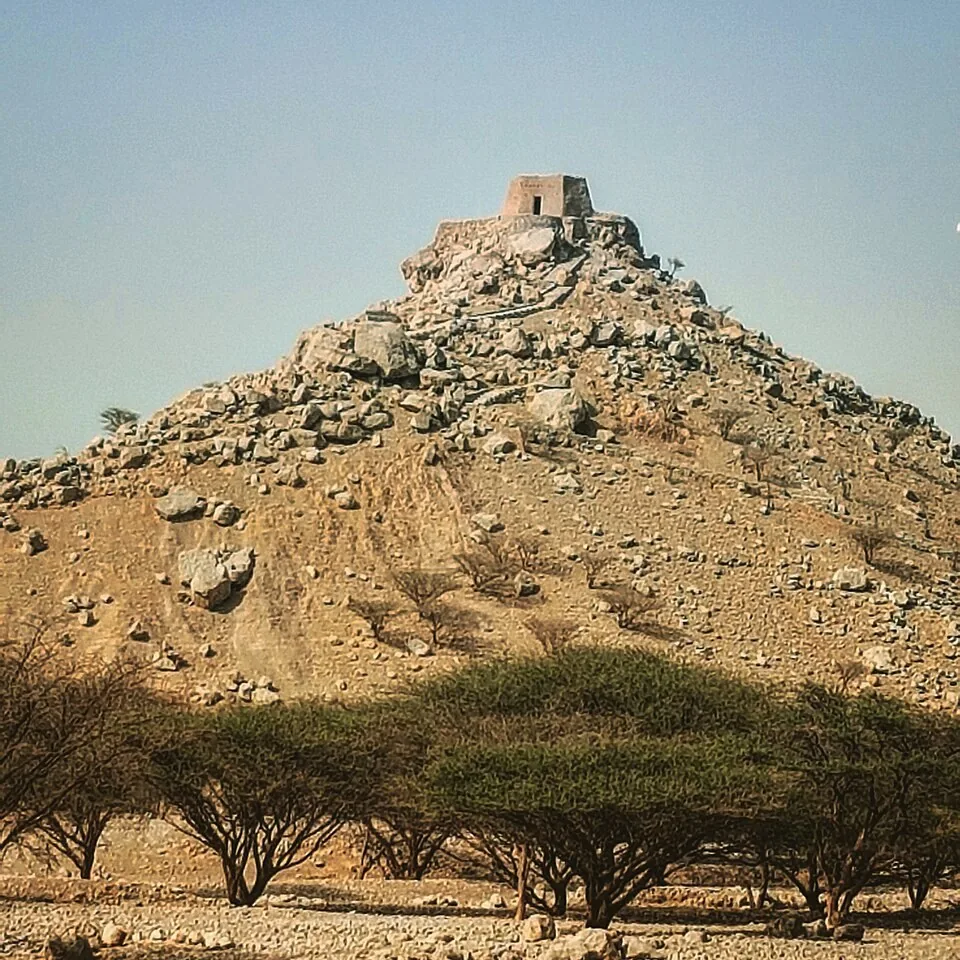
The historic fortification on Sakamkam Hill retains a round watchtower. From here the surrounding settlements and farms were controlled, and the area near the fort served as a public meeting place.
A large historical fort stands on a hill in old Fujairah. Its position made it possible to control the city and the approaches to the coast; today the structure introduces the defensive architecture of the emirate.
Historical Gate of Masfut (1961).
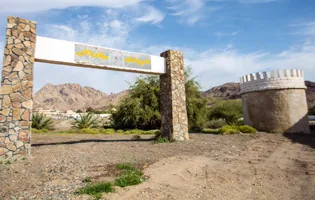
Two stone pillars with Arabic inscription mark the entrance to the mountain enclave of Masfut. The monument was commissioned in 1961 and serves as a local historical landmark.
A small 19th-century castle stands on a mountain hill on the northern outskirts of Masfout. Stone, clay and local wood are used in the structure, which has two rooms and a gate.
The museum in the restored fort provides an insight into life in Ajman before the modern urban era. Archaeological finds, manuscripts and ship models add to the tales of the pearl trade and traditional irrigation.
A small museum occupies a fort in the Manama enclave in the foothills of the Hajar Mountains. The collections of weapons, jewelry and handicrafts are complemented by the structure itself with a watchtower and a well.
The museum tells the story of Masfout and its inhabitants from prehistoric periods to the formation of the UAE. Archaeological and cultural materials introduce life in the mountainous part of the emirate.
The promenade along the Arabian Gulf combines wide walking paths and a sandy coastline. Cafes, restaurants and family walks make this site an important public space for the city.
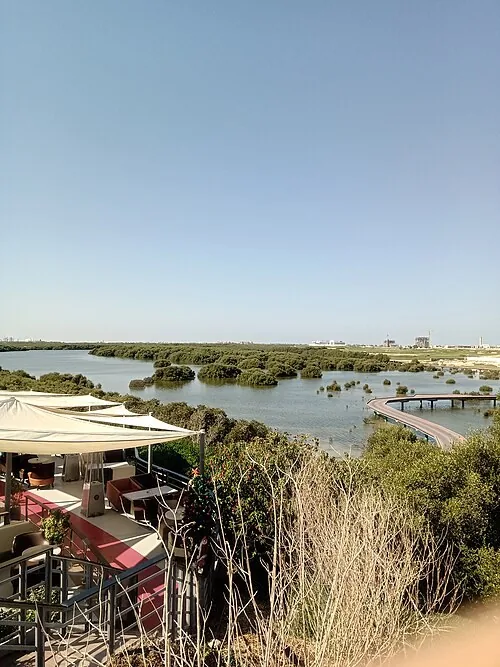
Al Zora's mangrove forest, lagoons and tidal channels support a rich coastal ecosystem. Organized kayak trips allow you to explore this landscape and spot flamingos, herons and other birds.
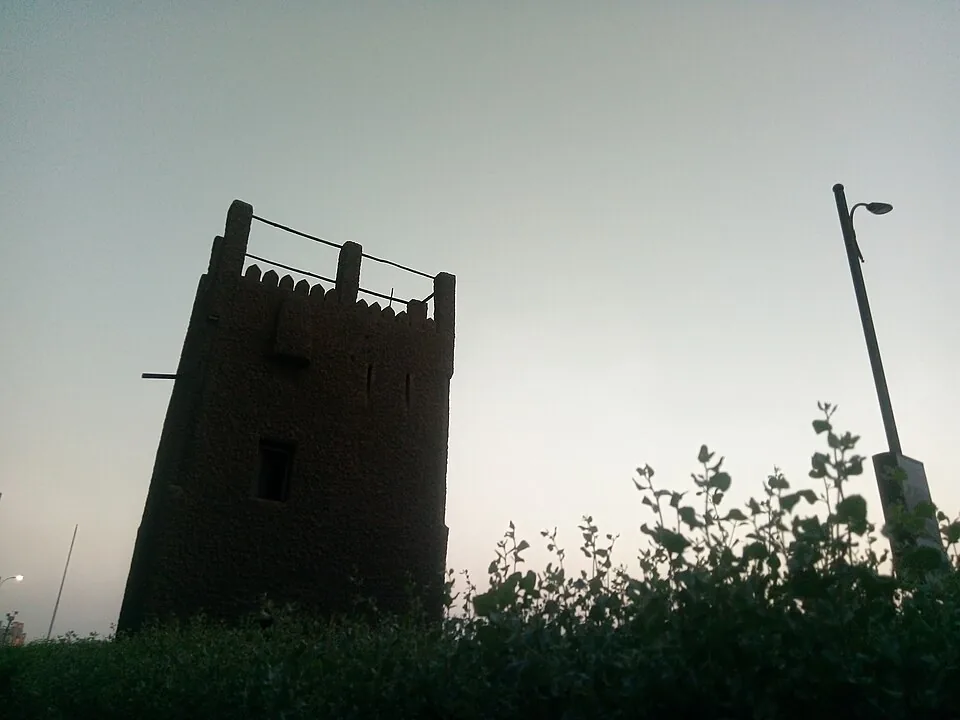
The sand-colored watchtower has become one of the recognizable landmarks along the Corniche. The 1930s structure commemorates the defense of the small coastal town and was restored in 2000.
The water park is located in the coastal part of the emirate next to the E11 highway. Water activities are complemented by relaxation areas, sun loungers, changing rooms and lockers.
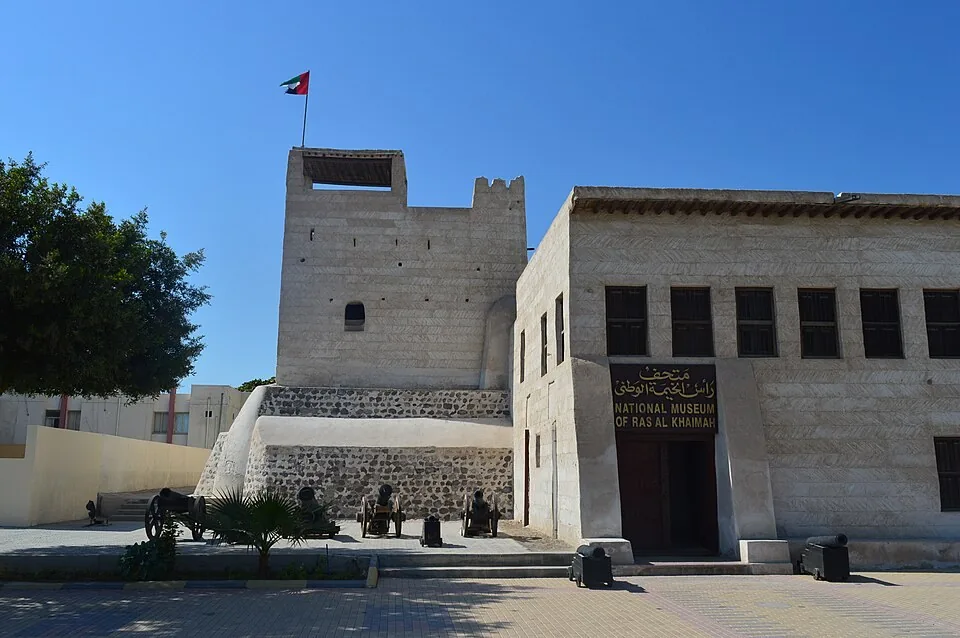
The museum in the historic fort highlights the crafts, maritime activities and daily life of the emirate. The exhibition includes models of ships, pearl miners' tools and materials on the production of date syrup.
The museum is located in the fort, which served as the residence of the ruling family and the center of government. Historical objects and themed rooms introduce the traditions and past of the emirate.
The island off the coast of Umm al-Quwain combines natural and archaeological heritage. The official cultural map marks it as an important historical landscape next to ancient settlements and the monastery complex.
Check openingTry a different name or remove some filters. You can search in both Russian and English.